
Warming up your pool can make a huge difference in how much you enjoy it. Cold water often keeps people out, even when the sun is shining. But pool heaters can be expensive, both to buy and to run. There’s a smarter, cheaper way that uses the sun’s energy and a simple tool you can buy at any hardware store: the black hose method. If you want to learn how to heat your pool with a black hose, you’re in the right place. This article will walk you through every step, from understanding how it works to choosing the right hose, setting it up, and making it as effective as possible. You’ll also find expert tips, real-life examples, and answers to common questions that help you avoid mistakes. By the end, you’ll know exactly how to warm your pool naturally—without breaking the bank.
Why Use A Black Hose To Heat Your Pool?
Many people wonder why a black hose is recommended for pool heating. The answer lies in physics. Black absorbs more sunlight than lighter colors. When water passes through a black hose under the sun, it picks up heat quickly. This idea is so simple, yet it’s surprisingly effective.
Traditional pool heaters can cost hundreds or thousands of dollars upfront. They also use electricity or gas, which means higher energy bills. With a black hose, you only need sunlight and a pump—most pools already have the pump. Maintenance is very low, and there’s almost no operating cost. This method is especially popular for above-ground pools and small to medium in-ground pools, but it works with any pool that has a filter and pump system.
How Does Heating With A Black Hose Work?
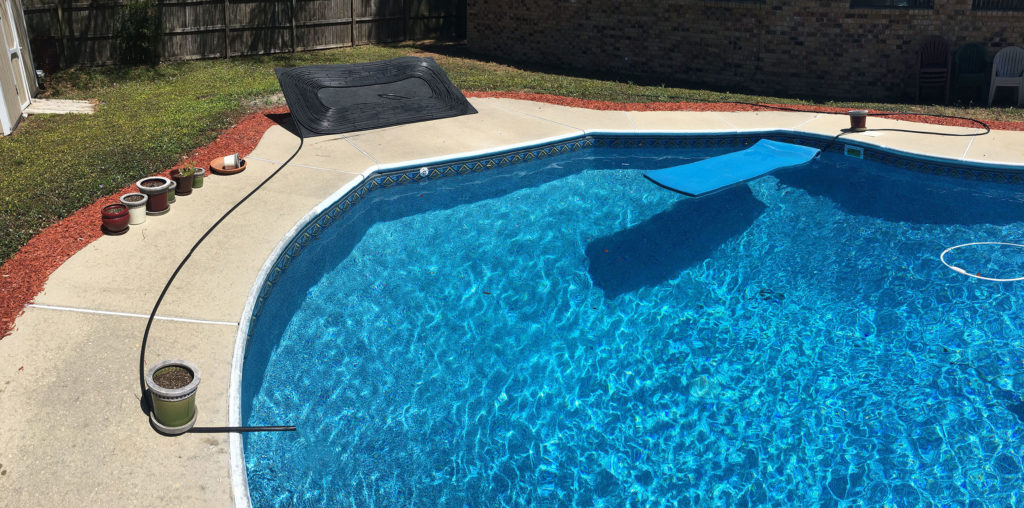
The black hose heating method uses basic science. Water is pumped out of your pool and sent through a long black hose, which is laid out in direct sunlight. As water moves through the hose, it absorbs heat from the sun-warmed plastic.
The hot water then returns to the pool, raising the overall temperature.
This cycle repeats every time the pump runs. The more hose you use, the longer water stays in the sun, and the more heat it picks up. The key is to maximize the surface area exposed to sunlight. Some people coil the hose tightly on a flat surface, while others spread it out to cover a large area. Both ways work, but more sun equals more heat.
Credit: www.halfasscraftsman.com
Choosing The Right Black Hose
Selecting the right hose is critical for effective pool heating. Not all hoses are created equal, and small choices can make a big difference in performance.
Hose Material
Most people use polyethylene or polyvinyl chloride (PVC) hoses. These are flexible, durable, and easy to handle. Garden hoses can work, but for best results, pick a hose designed for higher water flow. A standard ¾-inch or 1-inch diameter hose is ideal for most pools. Thicker hoses can carry more water but may be harder to manage.
Hose Length
The length of the hose impacts how much heat is transferred. A good starting point is 100 feet of black hose for a small pool (up to 10,000 gallons), but more is usually better. Some homeowners use up to 300 or 400 feet for larger pools. Remember, longer hoses need a strong pump to keep water moving.
Hose Color
Always choose a true black hose. Black absorbs more heat than gray, green, or blue hoses. Avoid striped or light-colored hoses, as they reflect sunlight and lose efficiency.
Uv Resistance
Look for hoses labeled UV resistant. Sunlight can break down plastic over time. A UV-resistant hose will last much longer and avoid leaks or cracks.
Cost Comparison
Here’s a look at typical costs for different types of hoses:
| Hose Type | Diameter | Length | Average Price (USD) | Expected Lifespan |
|---|---|---|---|---|
| Basic Garden Hose | 3/4 inch | 100 feet | $25 – $40 | 1-2 years |
| Heavy-Duty Pool Hose | 1 inch | 200 feet | $60 – $100 | 3-5 years |
| UV-Resistant Hose | 1 inch | 200 feet | $75 – $120 | 5-7 years |
Using a regular garden hose may work for a season or two, but for best results, invest in a UV-resistant, pool-grade hose.
Setting Up Your Black Hose Solar Heater
Getting your system running doesn’t require special skills, but careful setup matters. Here’s how to do it step by step.
Planning The Layout
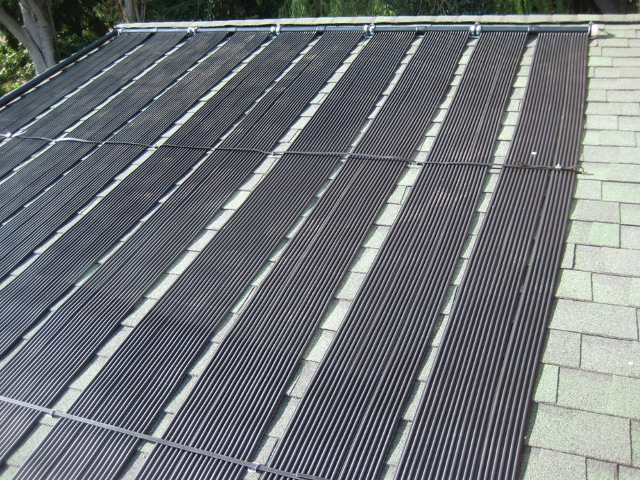
First, pick a spot that gets maximum sun for most of the day. A south-facing area is ideal in the Northern Hemisphere. Flat ground works best, but you can also use a roof, a rack, or a fence. Make sure the area is safe and away from foot traffic, as hot hoses can cause burns.
You’ll need space for the hose to be coiled or spread out. The more loops you can fit in the sun, the better. Some people build a simple wooden frame or use a large board to coil the hose neatly.
Connecting To The Pool Pump
The most common method is to connect the black hose after the pool filter and before the water returns to the pool. You can use a “T” adapter or a diverter valve to split the flow so some water goes through the hose and some returns directly. This way, you control how much water is heated.
If you’re not sure where to connect, look at your pool’s plumbing. Water usually flows from the skimmer to the pump, then to the filter, and finally back to the pool. The black hose goes between the filter and the return line.
Attaching The Hose
- Use hose clamps to secure the connections.
- Make sure all joints are tight to avoid leaks.
- If you’re using more than one hose, connect them with couplers made for your hose diameter.
Coiling The Hose
Lay the hose out in wide coils or zigzag lines. Avoid sharp bends, as these can slow water and reduce heating. Keep the hose flat against the ground or surface for the best sun exposure.
If you want, you can build a simple frame from wood or metal to hold the hose in place. Some people paint a plywood board black, then attach the hose in a spiral with zip ties.
Priming The System
Before turning the pump on fully, run water through the system at low speed to push out air and check for leaks. Once the flow is steady and leak-free, increase the pump speed.
Example Of A Simple Setup
Imagine you have a 15-foot round above-ground pool (about 5,000 gallons). You buy two 100-foot rolls of 1-inch black UV-resistant hose. You connect them in series, coil them on a sunny side of your yard, and connect the inlet to the return line after the filter. With the pump running, you can raise your pool temperature by 5-10°F (2.8-5.5°C) over a few sunny days.
Optimizing The Performance
Getting the most out of your black hose heater means fine-tuning a few details. Here are tips to boost efficiency:
Maximize Sunlight
- Place the hose in a spot that gets sun from morning to evening.
- Avoid shade from trees, fences, or buildings.
- Clean the hose surface regularly to remove dust or debris.
Increase Surface Area
- Use more hose or a wider coil.
- Spread the hose out as much as possible.
- Use a reflective surface (like a white board) underneath to bounce extra sunlight onto the hose.
Water Flow Rate
- If water moves too fast, it won’t heat up much.
- If it moves too slowly, the pool may not circulate enough.
- The sweet spot is a steady, moderate flow. Many pumps let you adjust the speed.
Insulate Return Lines
If the water must travel far to return to the pool, insulate the return hose. This keeps the heat from escaping before it reaches the pool.
Use A Pool Cover
A solar pool cover traps heat in the water, especially at night. Using a cover with your black hose system can increase water temperature by another 5-10°F (2.8-5.5°C).
Monitor Water Temperature
Use a pool thermometer to track progress. Adjust the system as needed—add more hose, change the layout, or tweak the pump speed.
Real-world Example
A family in Arizona used 300 feet of 1-inch black hose and a solar pool cover for their 12,000-gallon pool. In one week, they raised the water temperature from 70°F to 82°F, even with cool nights. They noticed that placing the hose on a south-facing roof made a big difference compared to placing it on the ground.
Comparing Black Hose Heating To Other Pool Heating Methods
Is the black hose method the best option for everyone? It depends on your needs and budget. Here’s how it compares to other methods:
| Heating Method | Upfront Cost | Monthly Cost | Heating Speed | Eco-Friendliness | Ease of Installation |
|---|---|---|---|---|---|
| Black Hose | $50-$200 | $0 (uses sun) | Slow to Moderate | High | Easy |
| Electric Heater | $1,000-$3,000 | $50-$200 | Fast | Low | Moderate |
| Gas Heater | $1,500-$3,500 | $100-$300 | Very Fast | Low | Moderate |
| Solar Panels | $2,000-$5,000 | $0 | Moderate | High | Hard |
| Solar Pool Cover | $50-$150 | $0 | Slow | High | Easy |
While electric and gas heaters work faster, the cost is much higher. Solar panels are efficient but require a big investment and professional installation. The black hose method is the lowest-cost, easiest way to start, and works best for those who want warmer water without big expenses.
Common Mistakes To Avoid
Many first-time users make simple errors that reduce the effectiveness of their black hose heater. Here are the most common mistakes:
- Using too short a hose. A 25-foot or 50-foot hose won’t make much difference. Always use at least 100 feet, and more for bigger pools.
- Placing the hose in shade. Even partial shade can cut heating by 50% or more.
- Poor connections. Leaky joints waste water and may reduce flow. Always use proper clamps and check connections regularly.
- Wrong hose diameter. Too small, and water won’t move fast enough. Too big, and it may not heat up well unless you have a very strong pump.
- Not cleaning the hose. Dirt or algae can block sunlight and reduce heating.
- Skipping a pool cover. At night, pools lose heat quickly. A cover can keep most of that heat in.
- Not monitoring temperature. Without checking, you might not notice if something’s wrong or if you need to adjust your setup.
- Ignoring winter care. If you live in a cold area, always drain and store your hose for winter to prevent cracking.
How Much Can A Black Hose Heat Your Pool?
Results can vary based on weather, pool size, and your setup. On average, a well-designed black hose heater can raise pool temperature by 5-15°F (2.8-8.3°C) over several sunny days. Some people have seen even higher increases, especially with lots of hose and a solar cover.
Here’s an example of expected temperature gains with different hose lengths:
| Pool Size (Gallons) | Hose Length | Average Temp Increase (°F) | Time (Sunny Days) |
|---|---|---|---|
| 5,000 | 100 ft | 5-7°F | 3-5 |
| 10,000 | 200 ft | 7-10°F | 4-7 |
| 15,000 | 300 ft | 10-12°F | 5-8 |
| 20,000 | 400 ft | 10-15°F | 7-10 |
Remember, these are averages. Cloudy days or cool nights can slow progress. But with patience and good setup, you can enjoy much warmer water.

Credit: www.youtube.com
Maintenance And Care Tips
A black hose heater is low-maintenance, but a little care helps it last longer and work better.
- Check for leaks weekly, especially at connections.
- Clean the hose with a soft brush or cloth every month to remove dirt or algae.
- Inspect for cracks or brittle spots after each season.
- Store indoors during winter if you live in a freezing climate.
- Flush the hose with clean water at least once a month to prevent blockages.
If you notice the hose getting soft or faded, it may be time to replace it.
Can You Build A Black Hose Solar Heater Yourself?
Absolutely. One of the biggest advantages of this method is the DIY approach. Here’s a simple plan:
- Buy the right amount and type of black hose.
- Plan your layout for maximum sun.
- Build a simple frame or use stakes to keep the hose in place.
- Connect the hose to your pool’s plumbing after the filter.
- Test for leaks and adjust as needed.
- Monitor temperature and tweak the layout for best results.
Many pool owners share their setups on forums and YouTube. Each pool is different, but the basic principles are the same.
Advanced Upgrades And Variations
Once you have the basics working, you might want to boost performance with these ideas:
- Multiple hoses in parallel: Split the flow so water moves through several hoses at once, increasing heating speed.
- Add a bypass valve: Lets you control how much water goes through the heater versus directly back to the pool. This is useful if the water gets too hot in midsummer.
- Automate with a timer: Run the pump during the sunniest hours only, saving electricity.
- Use a temperature sensor: Advanced systems open the flow to the black hose only when it’s hotter than the pool water.
- Build a solar box: Place the hose inside a glass-covered box (like a greenhouse) for extra heating in cool climates.
Environmental Impact
Heating your pool with a black hose is one of the greenest options. It uses renewable solar energy, has no emissions, and doesn’t increase your energy bill. Compared to gas or electric heaters, your carbon footprint is nearly zero.
The only environmental downside is the plastic in the hose itself. Choose a durable, UV-resistant product to reduce waste, and recycle the hose when it wears out.
Who Should Use The Black Hose Method?
This method is perfect for:
- Homeowners with small to medium pools (up to 20,000 gallons)
- People who want to save money on heating
- Anyone who enjoys DIY projects
- Families who use their pool mostly in summer
- Those in sunny climates
If you want year-round swimming or have a very large pool, you might need a more powerful system. But for most backyard pools, the black hose method is a smart, affordable choice.
Safety Considerations
- Water from the hose can get very hot. Never let children or pets play with the hose when it’s running in the sun.
- Check connections often to avoid water leaks near electrical equipment.
- Protect hoses from lawnmowers or garden tools.
- If you mount the hose on a roof, make sure it’s secured to prevent falls or damage.
Credit: rimstar.org
Real User Experiences
Many pool owners have shared their results:
- A couple in Texas used 200 feet of black hose and saw their pool go from 68°F to 80°F in a week.
- A New York family only gained 3-5°F during a cool, cloudy spring but doubled the gain after adding a solar cover.
- In California, a DIYer built a solar box for the hose and kept swimming into October.
Most agree: the black hose method is not instant, but it’s effective, reliable, and cheap.
When Not To Use The Black Hose Method
This method is less effective if:
- Your pool is shaded most of the day
- You need to heat a very large pool quickly
- You live in a cold climate and want to swim year-round
In these cases, combining a black hose heater with a solar cover or upgrading to a solar panel system may be better.
Where To Find More Information
For more in-depth guides, pool forums, and DIY tips, you can visit the Wikipedia Solar Pool Heating page, which explains the science and compares solar heating options.
Frequently Asked Questions
How Much Warmer Can A Black Hose Make My Pool?
With a well-designed setup, a black hose can raise pool temperatures by 5-15°F (2.8-8.3°C) over several sunny days. Results depend on hose length, sun exposure, and pool size.
Is Heating My Pool With A Black Hose Safe?
Yes, it’s safe for both people and pets if set up properly. Be careful with hot water coming directly from the hose—it can get hotter than pool water for a short time.
Can I Use More Than One Hose At The Same Time?
Yes. Using several hoses in parallel can heat water faster and is great for larger pools. Just make sure your pump is strong enough to handle the extra flow.
Does The Black Hose Method Work In Cloudy Or Cool Weather?
It works best in full sun. On cloudy or cool days, the effect is smaller. Combining a black hose with a solar cover helps retain heat when the sun is not shining.
How Long Will A Black Hose Heater Last?
A good-quality UV-resistant black hose can last 5-7 years with proper care. Cheaper hoses may only last 1-2 years, especially in harsh sun.
Making your pool more comfortable doesn’t need to be expensive or complex. With a black hose, a sunny spot, and a bit of DIY spirit, you can enjoy warmer water for months—without high bills or complicated technology. Try this method, adjust as needed, and you might find it’s the best pool upgrade you ever made.