
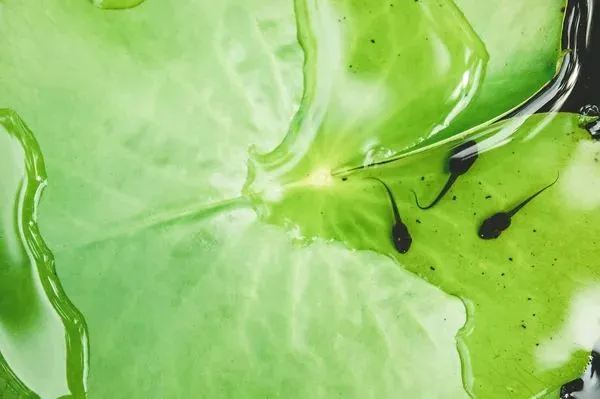
Many homeowners get a surprise when they look into their backyard pool and see something moving. On closer look, the tiny swimmers are not fish—they’re tadpoles. While some people find tadpoles cute, most want their pool clear and safe for swimming. The question comes up: “Will bleach kill tadpoles in a pool?” The answer is not as simple as yes or no. There are important things to know about pool care, chemical safety, and the impact on wildlife. If you want to understand what bleach really does to tadpoles, how to handle an infestation, and the best way to keep your pool healthy, read on.
Why Are Tadpoles In Your Pool?
Most pools are not designed for wildlife, but tadpoles end up there for a few reasons:
- Frogs lay eggs in still water. A quiet, uncovered pool looks like a small pond to a frog.
- Low chlorine levels. When pool chemicals are not balanced, algae and insects appear, attracting frogs.
- Warm temperatures. Tadpoles develop faster in warm water, so spring and summer pools are perfect.
Tadpoles can survive for weeks in a backyard pool, especially if the water is not treated. They feed on algae, insects, and organic debris.
How Bleach Works In Swimming Pools
Bleach is a common word for sodium hypochlorite, the active ingredient in many pool sanitizers. In pools, it’s used to kill bacteria, viruses, and algae. When you pour bleach into water, it breaks down into hypochlorous acid, which destroys microorganisms.
But bleach is also a strong oxidizer. This means it reacts with living cells, damaging their membranes and proteins. This is why it’s effective against germs—and why it can harm animals like tadpoles.
Pool Bleach Vs. Household Bleach
- Pool bleach is made for swimming pools. It often contains 10-12% sodium hypochlorite.
- Household bleach is usually 6-8% sodium hypochlorite, with added fragrances and thickeners.
Both can kill tadpoles, but pool bleach is more concentrated and intended for outdoor water.
Credit: www.hilltoppools.com
Will Bleach Kill Tadpoles In A Pool?
The short answer is yes—bleach will kill tadpoles. Here’s why:
- Tadpoles breathe through their skin and gills. Bleach damages these delicate tissues quickly.
- Even low levels of chlorine (1-3 parts per million, or ppm) can be lethal to tadpoles over hours or days.
- High doses of bleach (shock levels, 10 ppm or more) can kill tadpoles in minutes.
But there are important details to understand. Killing tadpoles with bleach is not always instant. The concentration, water temperature, and tadpole age all affect how quickly bleach works.
How Quickly Does Bleach Kill Tadpoles?
The time depends on the amount of bleach and the size of the tadpoles. For example:
- Low chlorine (1-3 ppm): Tadpoles may survive for several hours, but most will die within a day.
- Shock dosing (10+ ppm): Most tadpoles die within 15-30 minutes.
Here’s a comparison of chlorine levels and their effects:
| Chlorine Level (ppm) | Effect on Tadpoles | Time to Death |
|---|---|---|
| 1-3 | Slow poisoning, damage to skin and gills | 6-24 hours |
| 5-10 | Rapid damage, loss of movement | 30-120 minutes |
| 10+ | Immediate shock, tissue destruction | Under 30 minutes |
Is It Safe To Use Bleach For Killing Tadpoles?
Using bleach is common, but it’s not always the best or safest method. Consider these risks:
- Bleach is harmful to all aquatic life, not just tadpoles. It kills insects, snails, and beneficial bacteria.
- High bleach levels are dangerous for pets and humans. Swimming before the chlorine returns to safe levels can cause skin and eye irritation.
- Dead tadpoles decompose in the water, which may increase algae and bacteria unless removed.
Many pool owners are surprised that dead tadpoles can create a mess, requiring extra cleaning.
Alternatives To Bleach For Removing Tadpoles
If you don’t want to use bleach, there are other ways to handle tadpoles in your pool:
- Manual removal. Use a fine-mesh net to scoop out tadpoles. This is safe, fast, and lets you relocate them to a pond.
- Pool vacuum. Automatic or manual vacuums can help collect tadpoles and eggs from the pool floor.
- Lower the water level. Tadpoles gather in shallow areas. Lowering the water makes them easier to catch.
- Barriers. Use a pool cover to stop frogs from laying eggs in the first place.
Manual removal is the most humane option. It’s especially important if you live in an area with protected frog species.
Should You Remove Tadpoles Before Using Bleach?
If you plan to shock your pool with bleach, it’s better to remove as many tadpoles as possible first. Here’s why:
- Less organic matter means your bleach works better and faster.
- Prevents large numbers of dead tadpoles from decaying in your pool.
- Easier to clean. Decomposing bodies can clog filters.
Pro tip: Tadpoles are most active in the morning and evening. These are the best times to catch them with a net.
How To Properly Use Bleach In A Pool With Tadpoles
If you decide to use bleach, do it safely. Here’s a simple step-by-step process:
- Test your water. Use a pool test kit to measure current chlorine levels.
- Calculate the right dose. For shocking the pool, aim for 10 ppm of chlorine. For a 10,000-gallon pool, this is about 2 gallons of 6% bleach.
- Distribute bleach evenly. Pour around the edges while the filter is running.
- Wait at least 24 hours. Do not swim until chlorine drops below 3 ppm.
- Remove dead tadpoles and debris. Use a net and clean the filter.
- Retest the water before allowing people or pets to swim.
Important: Never mix bleach with other pool chemicals unless directed by a professional. Dangerous gases can form.
Environmental Impact Of Killing Tadpoles With Bleach
Some people worry about killing tadpoles, especially in areas where frogs are part of the local ecosystem. Bleach does not just kill tadpoles—it can also harm:
- Frog eggs (which look like jelly-like clusters)
- Insect larvae
- Beneficial bacteria
If your pool overflows or you drain water into a creek, bleach can affect wildlife downstream. Always follow local rules for pool maintenance and water disposal.
How To Prevent Tadpoles In Your Pool
Prevention is better than cure. Here’s how to keep tadpoles out:
- Use a pool cover. This is the single most effective way to stop frogs from laying eggs.
- Keep water moving. Frogs prefer still water. Run your pump and use fountains or jets.
- Maintain chlorine levels. Regular pool care stops algae, which attracts insects and frogs.
- Remove vegetation near the pool. Frogs hide in tall grass and bushes.
- Check for eggs. Frog eggs are small, jelly-like clusters. Skim them out before they hatch.
A well-maintained pool is rarely a home for tadpoles.
Tadpoles And Pool Water Quality
Some pool owners ask if tadpoles are harmful to the water. Tadpoles themselves are not usually dangerous, but:
- Tadpoles produce waste, which can feed algae and bacteria.
- Dead tadpoles decay, making water cloudy and smelly.
- Frog eggs and droppings add organic material to the pool.
For a healthy pool, remove all wildlife as soon as possible.
What Happens If You Swim With Tadpoles?
Swimming with tadpoles is not recommended. Here’s what you need to know:
- Tadpoles are not toxic, but their waste can increase bacteria.
- Frogs may carry parasites such as ranavirus, which rarely affect humans but can upset sensitive skin.
- Tadpole deaths during swimming (from chlorine or contact) can create unsanitary conditions.
Most people find the idea unpleasant. For comfort and hygiene, remove tadpoles before using the pool.
Legal And Ethical Considerations
Killing tadpoles with bleach is legal in private pools, but there are exceptions:
- Protected frog species. In some places, frogs and their eggs are protected by law.
- Local rules. Some regions ban certain chemicals or require permits for draining chlorinated water.
- Animal welfare. Many people prefer humane relocation over chemical killing.
Check with local wildlife or pool authorities if you are unsure.
Comparing Bleach With Other Tadpole Control Methods
Let’s look at the pros and cons of common tadpole control options:
| Method | Pros | Cons |
|---|---|---|
| Bleach (Chlorine) | Fast, effective, sanitizes water | Kills all life, may need extra cleanup, not humane |
| Manual Removal | Humane, no chemicals, safe for wildlife | Time-consuming, may miss some eggs or tadpoles |
| Barriers (Covers) | Prevents problem, easy maintenance | Must remember to cover pool, not always foolproof |
| Algaecides/Other Chemicals | Can target algae, sometimes kill eggs | May be unsafe for pets/kids, environmental impact |
Common Mistakes When Dealing With Tadpoles In Pools
Many pool owners make errors when handling tadpoles:
- Waiting too long. Tadpoles grow fast. The longer you wait, the harder removal becomes.
- Using too little bleach. Low doses may not kill all tadpoles, leading to survivors.
- Draining pool water into the environment. Chlorine can kill fish and plants downstream.
- Ignoring eggs. If you remove only tadpoles, eggs will hatch and the problem returns.
- Not cleaning after treatment. Dead tadpoles can clog filters and promote algae.

Credit: www.reddit.com
Real-life Examples: Tadpoles And Pool Owners
Many pool owners share stories about tadpoles:
- One family in Florida found thousands of tadpoles after a week of rain and low chlorine. They used a pool net and a shop vacuum to remove them before shocking the pool.
- A homeowner in Texas used bleach, but forgot to clean the filter afterward. The pool turned green from decaying bodies and needed professional help.
- In Australia, a pool owner relocated tadpoles to a nearby pond. This took several hours but avoided killing local frog species.
These examples show that tadpole control needs a plan—quick action and cleanup are key.
Bleach And Human Health: What You Need To Know
Bleach is safe when used properly, but can cause problems if handled incorrectly:
- Skin and eye irritation. Swimming in high-chlorine water can cause redness and itching.
- Respiratory issues. Bleach fumes irritate the lungs, especially for people with asthma.
- Chemical burns. Never add bleach to a dry pool or mix with acid—dangerous reactions can occur.
Always wear gloves when handling bleach. Ventilate indoor pools and wait for chlorine to drop before swimming.
The Science: Why Tadpoles Die In Chlorinated Water
Tadpoles are sensitive to chemical changes. Their gills and skin absorb oxygen and minerals from water. Chlorine destroys the cells in these tissues, leading to:
- Osmotic shock. Water balance is disrupted; tadpoles can’t breathe or maintain fluids.
- Protein denaturation. Important enzymes and cell membranes are damaged.
- Rapid organ failure. The heart and muscles stop working.
In nature, even a small amount of chlorine can wipe out an entire group of tadpoles.
How To Safely Dispose Of Dead Tadpoles
After using bleach, you may find dead tadpoles in the pool or filter. Here’s how to handle them:
- Wear gloves.
- Scoop with a net or vacuum.
- Seal in a plastic bag for trash disposal.
- Do not flush down drains. This can spread disease or chemicals.
- Clean pool equipment with fresh water.
Never compost dead tadpoles—they may carry parasites or chemicals.
What If You Want To Save The Tadpoles?
If you want to save tadpoles, act fast before adding bleach:
- Scoop out all visible tadpoles and eggs.
- Move them to a natural pond or container with dechlorinated water.
- Keep out of direct sun and avoid sudden temperature changes.
- Release when they are larger and can survive in the wild.
Remember, local rules may restrict moving wildlife.
Pool Maintenance Tips To Prevent Tadpoles
Regular care keeps your pool tadpole-free:
- Test chlorine weekly and adjust as needed.
- Clean leaves and debris from the pool and skimmer baskets.
- Run the filter daily to keep water moving.
- Inspect for eggs after rain or storms.
- Trim plants and grass near the pool.
A clean pool is the best defense against unwanted guests.
Key Insights Beginners Often Miss
- Tadpoles can survive in slightly chlorinated pools. Many people think any chlorine will kill them instantly, but low levels may not be enough.
- Frog eggs are nearly invisible. Owners often remove tadpoles, but miss egg masses, leading to a repeat problem days later.
Knowing these facts helps you keep your pool clear all season.
Frequently Asked Questions
What Chlorine Level Kills Tadpoles In A Pool?
Tadpoles usually die at chlorine levels above 1-3 ppm, but some may survive for a few hours. Shock levels (10+ ppm) kill most tadpoles within 30 minutes.
Is It Illegal To Kill Tadpoles With Bleach?
In most places, it’s legal in private pools, but protected frog species or local laws may apply. Always check with local authorities or wildlife agencies.
Can Tadpoles Damage My Pool?
Tadpoles don’t damage pool surfaces or equipment. The main risk is from decaying bodies, which can clog filters and promote algae.
Will Bleach Kill Frog Eggs In My Pool?
Yes, bleach destroys frog eggs quickly, but it’s better to scoop out eggs before they hatch to avoid chemical use and cleanup.
How Can I Stop Frogs From Laying Eggs In My Pool?
Use a pool cover, maintain chlorine levels, and remove vegetation near the pool. Frogs prefer quiet, shady, and still water.
For more on pool safety and wildlife, visit the Swimming Pool Sanitation Wikipedia page.
Credit: thebugman.us
Final Thoughts
Bleach is effective for killing tadpoles in a pool, but it’s not always the best first step. Manual removal is more humane and avoids extra cleanup. If you use bleach, follow safety rules, remove dead tadpoles, and wait for safe chlorine levels before swimming.
Preventing tadpoles is easier than removing them—keep your pool covered, clean, and properly balanced. With the right care, you’ll enjoy clear water all season and protect both your pool and local wildlife.