
When it comes to keeping swimming pool water sparkling clean, most pool owners think of either a sand filter or a cartridge filter. But what if you use both together? Many people don’t realize that combining these two filtration methods can give you even better water quality, fewer maintenance headaches, and a longer-lasting pool system. If you’ve ever struggled with cloudy water or tough-to-remove debris, understanding how sand and cartridge filters work together can help you achieve the clean, safe pool you want.
This article explains why and how you might use a sand filter and cartridge filter together. We’ll look at how each filter works, why combining them is smart, and what setup works best for different pool types. You’ll get practical advice on installation, maintenance, and troubleshooting, plus a realistic look at costs and energy use.
By the end, you’ll know if this double-filtration method is right for your pool, spa, or water system—and how to get the best results from it.
How Sand Filters Work
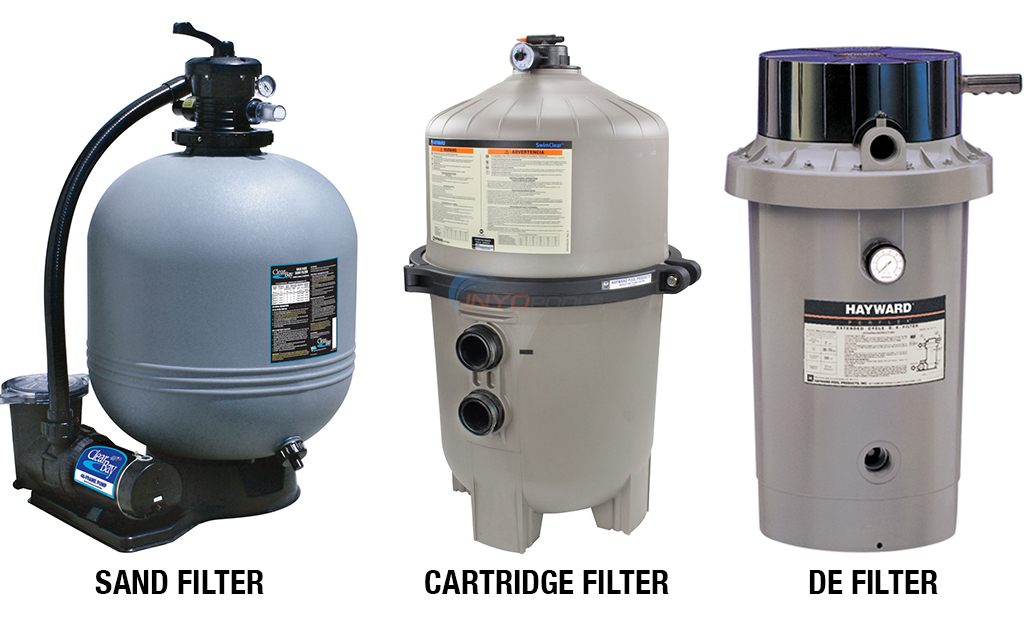
A sand filter is one of the oldest and most common types of pool filters. Water from the pool is pumped through a tank filled with special filter sand. As the water passes through the sand bed, dirt, debris, and even tiny particles get trapped between the grains. Clean water then returns to the pool.
Sand filters are popular for good reasons:
- They handle large volumes of water.
- They capture particles down to 20–40 microns in size.
- They are durable and simple to use.
However, sand filters have some weaknesses. Very fine particles and oils can slip through. Over time, the sand can get clogged or channel, reducing efficiency. Backwashing is needed to clean the sand, which uses a lot of water.
How Cartridge Filters Work
Cartridge filters use a pleated fabric (usually polyester) to trap dirt and debris. Pool water flows through the fabric, which captures particles as small as 10–15 microns—much finer than a typical sand filter.
The advantages of cartridge filters:
- They filter out smaller particles than sand.
- They don’t require backwashing (just remove and rinse the cartridge).
- They save water and can be more energy efficient.
But cartridge filters also have limits. They can clog quickly with large debris loads, and the cartridges need to be replaced every 1–3 years, depending on use.

Credit: themagictoyshop.co.uk
Why Combine Sand And Cartridge Filters?
You might wonder why anyone would use both a sand filter and a cartridge filter together. There are several strong reasons:
- Improved water clarity: Sand filters handle larger debris and heavy loads, while cartridge filters catch smaller particles. Together, they cover a wider range of contaminants.
- Longer filter life: The sand filter acts as a “pre-filter,” catching bigger debris before it reaches the cartridge. This means less frequent cleaning and longer cartridge lifespan.
- Lower maintenance: With the heavy work done by the sand filter, the cartridge doesn’t clog as often. This means less hassle and fewer replacements.
- Flexibility for tough conditions: After a storm, heavy pool use, or algae outbreak, having both filters can clear water faster and keep it clear.
- Better protection for heaters and pumps: Fine debris can damage pool equipment. Dual filtration protects your investment.
Most beginners miss one key fact: using both filters can reduce the need for chemicals. Cleaner water means less chlorine demand, which saves money and makes swimming more pleasant.
Typical Setups For Sand And Cartridge Filters Together
There are two main ways to use sand and cartridge filters in the same system. Each has its own benefits.
Series Setup
In a series setup, water flows through the sand filter first, then through the cartridge filter. This is the most common method.
Order: Pump → Sand Filter → Cartridge Filter → Pool
Benefits:
- The sand filter removes large debris and heavy dirt.
- The cartridge filter polishes the water, catching tiny particles.
This method is best for pools with a lot of debris, such as outdoor pools near trees or busy public pools.
Parallel Setup
In a parallel setup, water is split so that some goes through the sand filter and some through the cartridge filter. The flows rejoin before returning to the pool.
Order: Pump → Splitter → Sand Filter / Cartridge Filter (parallel lines) → Joiner → Pool
Benefits:
- Lower flow resistance (good for large pools).
- Filters can be cleaned separately without shutting down the whole system.
Parallel setups are rare for home pools but can be useful in commercial or very large pools.
Bypass Systems
Some pool owners install a bypass valve so they can run just the sand filter, just the cartridge filter, or both. This is useful for special cases (like after adding chemicals or during heavy cleaning).

Credit: www.thecompletebackyard.com
Choosing The Right Filters For Your Pool
Not all sand and cartridge filters are equal. The best setup depends on your pool size, location, and how you use it.
What To Look For In A Sand Filter
- Size (measured by diameter or flow rate): Bigger is better for heavy debris or large pools.
- Valve type: Multiport valves allow easy backwashing and rinsing.
- Sand grade: Use only pool filter sand (0.45–0.55 mm is standard).
- Durability: Look for corrosion-resistant tanks, especially for saltwater pools.
What To Look For In A Cartridge Filter
- Surface area: More pleats mean better filtration and longer time between cleanings.
- Micron rating: Lower micron rating means finer filtration.
- Easy cleaning: Removable, washable cartridges save time.
- Replacement cost: Check prices before buying.
It’s a mistake to buy the cheapest filters. Undersized or low-quality filters won’t give you the clean water or low maintenance you want.
Sizing Matters
A common beginner mistake is using filters that are too small for the pool. Always choose filters rated for a flow rate 20–30% higher than your pool pump. This prevents pressure problems and keeps water clear even during heavy use.
Installation: Setting Up Sand And Cartridge Filters Together
Installing both filters is not much harder than installing one, but there are some extra steps.
Tools And Supplies Needed
- PVC pipes and elbows (schedule 40 or 80)
- PVC glue and primer
- Unions and valves for easy disconnect
- Teflon tape for threaded fittings
- Pressure gauges (one after each filter is helpful)
- Filter sand and cartridge(s) as required
Basic Step-by-step Process
- Plan your layout: Place the filters where you have good access for cleaning. Leave space for removing the cartridge.
- Plumb from the pump outlet to the sand filter: Use rigid PVC for durability.
- Connect the sand filter outlet to the cartridge filter inlet: Install a union or valve between them for easy service.
- Connect the cartridge filter outlet to the return line: Make sure all connections are tight and leak-free.
- Install pressure gauges after each filter. This helps you spot when cleaning is needed.
- Check for leaks before running at full pressure.
- Backwash the sand filter before first use, then flush the cartridge filter to remove any manufacturing dust.
It’s smart to label valves and lines, especially if you have a bypass or complex plumbing. This avoids confusion during cleaning.
Maintenance For Dual Filter Systems
Using both filters together doesn’t mean zero maintenance, but it does make life easier if done right.
Sand Filter Maintenance
- Backwash when pressure rises 7–10 psi above normal (usually every 2–4 weeks).
- Change sand every 5–7 years, or sooner if water stays cloudy.
- Inspect for channeling (water going straight through) yearly.
Cartridge Filter Maintenance
- Remove and rinse cartridge when pressure rises 7–10 psi above normal (every 1–4 weeks).
- Deep clean in a filter cleaner every 3–6 months, especially after heavy use.
- Replace cartridge every 1–3 years, or if pleats are damaged or won’t come clean.
System Maintenance Tips
- Always clean the sand filter first, then the cartridge.
- Don’t backwash too often—this wastes water.
- Watch for leaks around unions and valves.
- Keep a log of pressure readings and cleaning dates.
A big advantage of dual systems is that each filter works less hard, so both last longer. Still, ignoring maintenance will cause problems, even with the best setup.
Performance: What Results Can You Expect?
When you use a sand filter and cartridge filter together, you can expect:
- Clearer water: Fewer fine particles and less cloudiness.
- Reduced algae risk: Fine filtration removes spores and organic debris.
- Lower chemical use: Fewer contaminants mean less chlorine needed.
- Longer equipment life: Pumps and heaters stay cleaner.
Here’s a comparison of what each filter removes:
| Contaminant | Sand Filter Only | Cartridge Filter Only | Both Together |
|---|---|---|---|
| Large debris (leaves, hair) | Yes | Yes (can clog) | Yes (sand catches first) |
| Fine dirt (20–40 microns) | Yes | Yes | Yes (higher efficiency) |
| Very fine particles (10–15 microns) | No | Yes | Yes (cartridge polishes) |
| Oils, sunscreen | No | Sometimes | Sometimes (better, not perfect) |
In real-world tests, dual-filter systems reduced visible cloudiness after storms by 30–50% compared to sand-only systems. They also lowered combined chlorine levels, meaning less pool odor and irritation.
Credit: www.homedepot.com
Cost And Energy Considerations
Many pool owners worry that using two filters means double the cost. The reality is more balanced.
Initial Cost
- Sand filter: $200–$600 for most home pools
- Cartridge filter: $300–$900, depending on size and quality
- Plumbing/fittings: $100–$300 extra for dual setup
While the up-front cost is higher, dual filtration can save money over time through longer filter life and lower chemical use.
Operating Costs
- Sand filter: Uses water for backwashing (hundreds of gallons per year)
- Cartridge filter: Needs periodic cartridge replacement ($50–$200 every 1–3 years)
- Energy use: Slightly higher due to more flow resistance, but modern pumps can handle it
If water cost is high in your area, cartridge filters help by reducing waste. If you want minimal cartridge replacements, the sand filter reduces the load.
Example Cost Comparison
| System | Yearly Water Use | Yearly Cartridge Cost | Yearly Chemical Cost |
|---|---|---|---|
| Sand Only | 10,000 gal | $0 | $250 |
| Cartridge Only | 1,000 gal | $100 | $200 |
| Sand + Cartridge | 5,000 gal | $50 | $175 |
These numbers are typical for a 25,000-gallon pool. Actual costs vary, but dual systems usually save 20–30% on chemicals.
Troubleshooting Common Problems
Even a well-set-up dual filter system can run into issues. Here’s how to handle the most common ones.
Cloudy Water
- Check pressure gauges: High pressure usually means dirty filters. Clean both.
- Check chemical balance: Low chlorine or high pH can cause cloudiness.
- Inspect sand: Old or channeled sand won’t filter well.
- Look for bypass valves left open: This lets dirty water skip filters.
Slow Flow Or High Pressure
- Dirty cartridge: Rinse or replace.
- Dirty sand filter: Backwash.
- Pipes or valves blocked: Clean out debris.
- Pump too small: Make sure your pump matches the filter size.
Short Cartridge Life
- Sand filter not doing its job: Check for channeling or worn-out sand.
- Too much debris: Skim pool more often to help filters.
- Too high flow rate: Water moves too fast for cartridge to filter well. Adjust pump speed.
Leaks
- Check unions and O-rings: Tighten or replace as needed.
- Cracked filter housing: Replace cracked parts (especially if exposed to sun).
Green Or Slimy Water
- Algae: Shock pool and clean both filters thoroughly.
- Poor circulation: Make sure all valves are set correctly.
Many beginners miss the importance of checking both filters after heavy storms or pool parties. Keeping both clean is key to fast recovery.
When To Avoid Dual Filter Systems
While most pools can benefit from sand and cartridge filters together, there are some cases where it’s not ideal:
- Very small pools or spas: The extra plumbing isn’t worth it for small water volumes.
- Pools with low debris load: If you rarely have leaves or dirt, a good cartridge filter may be enough.
- Limited space: Dual systems take up more room.
- Budget constraints: Upfront cost is higher.
If you have a saltwater pool, dual filtration is especially useful, since fine salt crystals and organic debris are common.
Real-world Examples
Residential Pool
A family with a 30,000-gallon outdoor pool in a leafy neighborhood installed both filters in series. After switching, they saw 40% less backwashing and used 25% less chlorine. The cartridge filter only needed cleaning every six weeks, instead of every two.
Hotel Pool
A busy hotel used a parallel setup to allow one filter to be cleaned while the other kept running. Water clarity improved, and guests reported less eye irritation.
Water Features
Some water parks use dual filtration on splash pads and fountains, where small children play. This keeps water very clean and reduces infection risks.
Environmental Impact
Dual filter systems are not just about cleaner pools—they can help the environment too.
- Less chemical use means less chlorine in wastewater.
- Less frequent backwashing saves water.
- Longer equipment life reduces landfill waste from broken pumps and heaters.
If you’re aiming for a “greener” pool, dual filtration is a smart move.
Expert Tips For Best Results
- Always install pressure gauges after each filter.
- Clean filters in the correct order: Sand first, then cartridge.
- Use unions on all filter connections for easy service.
- Upgrade to a variable-speed pump for best energy savings.
- Check and replace O-rings yearly to prevent leaks.
- If adding a new filter to an old system, clean the entire plumbing first.
- Keep spare cartridges on hand for emergencies.
One mistake even experienced pool owners make is forgetting to balance water chemistry after major filter cleaning. Always test and adjust chemicals right after maintenance.
Frequently Asked Questions
What Is The Main Benefit Of Using A Sand Filter And Cartridge Filter Together?
The main benefit is better water quality with less maintenance. The sand filter catches large debris, while the cartridge filter removes fine particles. This combination keeps the pool clearer and reduces the need for cleaning and chemicals.
How Often Do I Need To Clean Each Filter In A Dual System?
Clean the sand filter (by backwashing) every 2–4 weeks, or when pressure rises 7–10 psi. Clean the cartridge filter every 1–4 weeks, depending on debris. Check pressure gauges to know when cleaning is needed.
Will Using Both Filters Increase My Energy Bill?
There may be a small increase in energy use due to extra flow resistance, but with proper sizing and a variable-speed pump, the impact is usually minor. The savings from lower chemical use and less water waste often balance this out.
Can I Install Both Filters Myself, Or Do I Need A Professional?
If you are comfortable with basic plumbing and have some DIY experience, you can install both filters. However, for complex setups or commercial pools, hiring a professional is safest.
Where Can I Learn More About Pool Filtration Systems?
For more in-depth information, visit the Wikipedia page on swimming pool sanitation for technical details and safety guidelines.
Combining sand and cartridge filters is a smart way to get cleaner, safer pool water with less work. By choosing the right equipment, installing it carefully, and keeping up with maintenance, you’ll enjoy a sparkling pool all season long.