
When your above ground pool starts leaking after closing for the season, it can feel overwhelming. You may worry about water loss, damage, and costly repairs. The situation is more common than many pool owners realize, especially for those new to maintaining pools. If you act quickly and use the right information, you can solve the problem and prevent future leaks. This guide will help you understand why leaks happen after closing, how to find the source, and what steps to take to fix and prevent them. You’ll also learn about the best tools, tips, and mistakes to avoid, making sure your pool stays safe and ready for next summer.
Why Above Ground Pools Leak After Closing
Closing your pool means preparing it for winter. This involves lowering water levels, adding chemicals, and covering the pool. Even if you follow every step carefully, leaks can develop. Understanding the reasons helps you take targeted action.
Common Causes
1. Liner Damage
Pool liners can tear, crack, or develop pinholes. Cold temperatures make vinyl liners brittle. If you close your pool late or use sharp tools, you risk damaging the liner. Sometimes, small tears go unnoticed until water starts escaping.
2. Faulty Plumbing
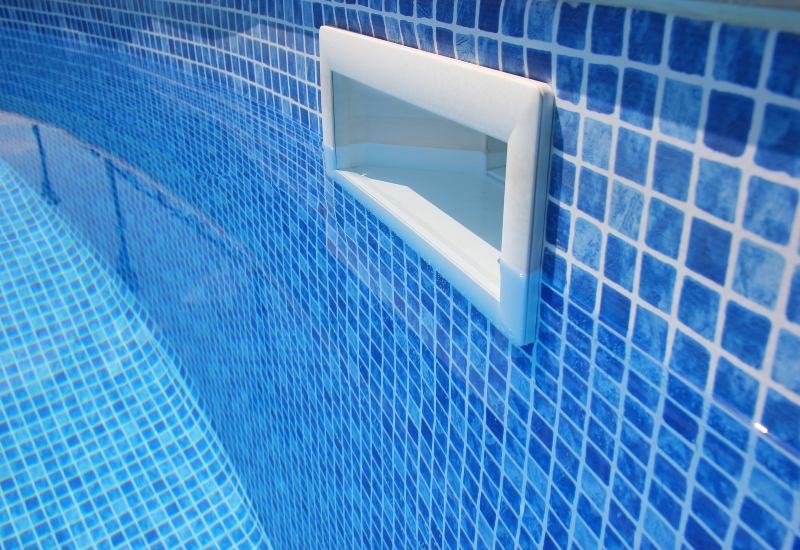
Pipes, hoses, and fittings that carry water can loosen or crack. Freezing water expands and may split pipes, especially if you didn’t drain them properly. Skimmer and return lines are frequent trouble spots.
3. Improper Closing Procedures
Rushing through closing, skipping steps, or using the wrong chemicals can weaken pool parts. For example, not cleaning the liner before closing may let debris puncture the liner over winter.
4. Cover Damage
Pool covers protect your water but can tear or shift in bad weather. When covers move, debris or animals can fall in, scratching the liner or causing leaks.
5. Structural Issues
The pool’s frame or supports can rust, bend, or loosen over time. If your pool isn’t level or the ground moves, it stresses the liner and connections, making leaks more likely.
Less Obvious Causes
Some leaks are harder to spot. For example, if your pool sits on a slope, water may escape through tiny holes and drain away without obvious puddles. Sometimes, leaks happen near fittings or seams, making them nearly invisible until the water level drops significantly.
Signs Your Above Ground Pool Is Leaking After Closing
Detecting leaks early saves money and prevents bigger problems. If you notice any of these signs, your pool may be losing water:
- Lower water level than when you closed it
- Wet spots around the pool, especially near supports or under the liner
- Sagging pool cover, which can signal lost water pressure below
- Visible damage to the liner, cover, or fittings
- Unexpected algae growth under the cover, which can happen when water escapes and chemicals dilute
Keep in mind that evaporation is normal, but above ground pools lose about 1/4 inch per day in warm weather. If your pool drops more than this, you likely have a leak.
How To Find The Source Of The Leak
Finding a leak after closing is more challenging because the pool is covered and not in use. You need a systematic approach.
Step-by-step Leak Detection
1. Inspect The Pool Perimeter
Walk around your pool and look for wet soil, muddy spots, or water pooling near supports. These areas can point to leaks below the liner or at seams.
2. Check The Cover
Examine the cover for holes, tears, or areas where water sits on top. Sometimes, rainwater collects on the cover, but if you see pool water above the cover, it may be leaking out.
3. Look At Plumbing And Fittings
Remove any skimmer or return plugs. Check for water dripping from pipes, hoses, or fittings. If you see cracks or loose connections, this is likely the leak’s source.
4. Test The Water Level
Mark the water level on the liner or wall. Wait 24-48 hours. If the water drops significantly, you have a leak. If not, evaporation may be the cause.
5. Dye Test For Liner Leaks
Use pool dye or food coloring. Apply it near suspected areas. If the dye moves toward a hole or seam, you’ve found your leak.
6. Check Under The Pool
For large leaks, water may escape under the liner and pool. Look for soft spots, sunken soil, or erosion near the base.
Special Equipment
Pool leak detectors, electronic sensors, and underwater cameras can help, but most leaks are found with simple visual checks and dye tests. If you cannot find the leak, calling a professional may be necessary.
How To Fix A Leak After Closing
Once you find the leak, the repair depends on the location and type. Fixing leaks after closing is more complicated because the pool isn’t in use and may be cold.
Repairing The Liner
If the liner has a small tear or hole:
1. Clean The Area
Remove dirt and debris from the spot. Dry the area as much as possible.
2. Patch The Liner
Use a vinyl patch kit. Cut a patch larger than the hole. Apply underwater adhesive if needed. Press firmly and smooth out bubbles.
3. Wait For Adhesive To Set
Most patches need 24 hours to cure. Follow the kit instructions for best results.
For bigger tears, you may need to drain part of the pool and replace the liner.
Fixing Plumbing Leaks
If pipes or fittings leak:
1. Tighten Connections
Use wrenches to secure loose fittings.
2. Replace Damaged Parts
Swap out cracked hoses, pipes, or connectors. Make sure to use parts rated for cold weather.
3. Seal Small Cracks
Use waterproof sealant or plumbing tape for minor leaks.
Repairing Cover Damage
If the cover is torn:
- Patch small holes with waterproof tape or cover patches.
- Replace severely damaged covers to prevent further leaks.
Structural Repairs
If you find rust or loose supports:
- Tighten bolts and check for bent parts.
- Sand and paint rusted areas to prevent further damage.
- Level the ground if the pool has shifted.

Credit: www.reddit.com
Preventing Leaks In Above Ground Pools After Closing
Prevention is easier than repair. Learn from your experience and take these steps next season:
1. Inspect The Liner Before Closing
Look for weak spots, tears, or aging vinyl. Patch anything suspicious.
2. Drain Plumbing Lines Properly
Use air blowers or vacuum to remove water from pipes. Plug them tightly.
3. Use A Quality Pool Cover
Choose covers that fit well and resist tearing. Secure them with straps and weights.
4. Add Extra Protection
Place foam or mats under the liner, especially at pressure points.
5. Check Structural Supports
Make sure supports are straight, tight, and rust-free before winter.
6. Follow Manufacturer’s Guidelines
Each pool has unique instructions. Read and follow them closely.
7. Monitor Water Levels Regularly
Even after closing, check water levels every few weeks.
Repair Tools And Products You Need
Having the right tools makes repairs easier and safer. Here are essentials:
- Vinyl patch kits: Include patches and adhesive for underwater use
- Waterproof tape: For liner, cover, and small plumbing repairs
- Pool dye: Helps find leaks quickly
- Wrenches and pliers: Tighten fittings and supports
- Sealant: Waterproof for plumbing and liner cracks
- Replacement hoses and fittings: For quick swaps
- Pump or siphon: Remove water for large repairs
Most products are affordable and available at local pool stores.
Comparing Above Ground Pool Liner Types
Choosing the right liner helps prevent leaks. Here is a comparison of common liner types:
| Liner Type | Durability | Cost | Leak Risk |
|---|---|---|---|
| Vinyl | Medium (5-10 years) | Low | Moderate |
| PVC | High (10-15 years) | Medium | Low |
| Composite | Very High (15+ years) | High | Very Low |
Vinyl liners are most common but need more care. PVC and composite liners resist cold and leaks better, but cost more.
Pool Cover Comparison
A strong cover prevents leaks by keeping debris and animals out. Here’s a comparison:
| Cover Type | Strength | Weather Resistance | Ease of Use |
|---|---|---|---|
| Standard Tarp | Low | Poor | Easy |
| Mesh Cover | Medium | Good | Moderate |
| Safety Cover | High | Excellent | Hard |
Safety covers cost more but protect against leaks and damage. Mesh covers balance protection and ease of use. Tarps are cheap but often fail.
When To Call A Professional
Sometimes, leaks are too complex for DIY repairs. Call a pool professional if:
- The leak is large and you cannot find the source
- The liner or structure is badly damaged
- Plumbing repairs need special tools or skills
- You see recurring leaks each season
Pool experts use specialized equipment and can guarantee repairs. Many professionals can also advise on future prevention.
Practical Insights Most Beginners Miss
1. Leaks Can Start Small
Many beginners think leaks must be obvious. In reality, tiny holes cause slow but steady water loss. By the time you notice, damage may be extensive. Early checks and dye tests help catch these leaks.
2. Cover Water Can Fool You
Rainwater and melted snow often collect on the pool cover. Some owners believe their pool is leaking, but the water is just on top of the cover. Test by poking a hole in the cover and checking if the water drains below.
If not, your pool water is safe.

Credit: www.youtube.com
Mistakes To Avoid
Avoiding common mistakes saves time and money:
- Ignoring small leaks: Minor leaks worsen over winter, causing liner and structural damage.
- Using cheap covers: Low-quality covers rip easily, letting debris in and harming the liner.
- Skipping pipe draining: Leaving water in pipes leads to cracks and leaks.
- Not checking supports: Loose or rusty supports stress the liner, making leaks more likely.
- Waiting too long: Early repairs are easier and cheaper than fixing major leaks.
Data On Above Ground Pool Leaks
Studies show that over 30% of above ground pools experience leaks after closing, mostly from liner damage and pipe cracks. The average repair cost for minor leaks is $150-$300, but severe leaks requiring liner replacement can cost $800-$1,500. Regular checks reduce the risk and cost.
Credit: www.millenniumpool.com
Environmental Impact
Leaking pools waste water and chemicals. A pool losing 1 inch per week over winter wastes hundreds of gallons. This can erode soil, damage plants, and contaminate groundwater. Fixing leaks quickly protects your environment and saves resources.
Real Example
An owner in Ohio noticed wet soil near his above ground pool after closing. He found a small tear in the liner where a branch had fallen under the cover. Using a vinyl patch kit, he fixed the leak in one hour.
The repair cost was under $40, and he avoided replacing the liner.
Pool Leak Repair Cost Comparison
Here’s a comparison of repair costs for common leak types:
| Leak Type | DIY Cost | Professional Cost | Time Needed |
|---|---|---|---|
| Liner Patch | $20-$50 | $150-$300 | 1-2 hours |
| Pipe Repair | $30-$100 | $250-$500 | 2-3 hours |
| Liner Replacement | $300-$600 | $800-$1,500 | 1-2 days |
DIY repairs are much cheaper but require confidence and care. For complex leaks, professional help is worth the price.
How Climate Affects Pool Leaks
Pools in cold climates have higher leak risks. Freezing temperatures make liners brittle and pipes crack more easily. If your area has harsh winters, invest in stronger liners and covers, and follow closing steps carefully.
Recommended Maintenance Schedule
To minimize leaks after closing, follow this schedule:
- Before closing: Inspect liner, supports, and plumbing. Patch any damage.
- During closing: Drain pipes, secure cover, add winter chemicals.
- After closing: Check water levels and soil every 2-4 weeks.
- Spring opening: Inspect for leaks before removing cover.
Useful External Resource
For more information about pool leak detection and repair, visit SwimmingPool.com.
Frequently Asked Questions
How Can I Tell If My Pool Is Leaking Or Just Losing Water From Evaporation?
Evaporation is normal, especially in warm climates. Above ground pools usually lose about 1/4 inch per day in hot weather. If your pool drops more than this, especially during cold months or after closing, you likely have a leak. Mark the water level and check after 24-48 hours to see if the drop is more than expected.
What Should I Do If I Can’t Find The Leak After Closing?
If you can’t find the leak with visual checks and dye tests, try professional leak detection tools or contact a pool repair specialist. Sometimes leaks are hidden under the liner or in pipes that are hard to access.
Can I Repair A Liner Leak In Cold Weather?
Yes, but it is more difficult. Use underwater vinyl patch kits and make sure the area is clean and dry as possible. Some adhesives work better in warm conditions, so follow instructions closely. If the pool is frozen, wait until it thaws for better results.
Is It Safe To Leave A Leaking Pool Over Winter?
No. Leaks worsen over time, especially in freezing weather. Water loss can damage the liner, structure, and ground underneath. Repair leaks quickly to avoid expensive repairs and environmental harm.
How Can I Prevent Leaks Next Season?
Inspect and patch the liner before closing, drain pipes fully, use a strong cover, and check supports. Follow manufacturer instructions and monitor water levels regularly. Investing in quality parts and careful closing procedures reduces leak risks.
Above ground pool leaks after closing are common but manageable. With careful inspection, proper tools, and quick repairs, you can keep your pool safe and ready for next summer. Remember, prevention is key—invest time and effort now to avoid costly problems later.