
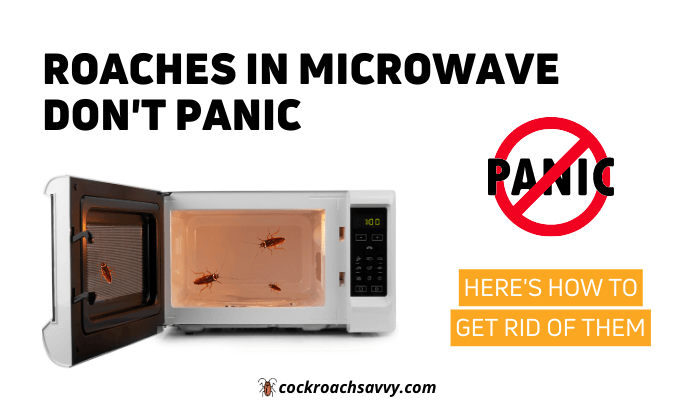
Roaches in a microwave oven can be a nightmare. You open the door, and instead of just seeing last night’s leftovers, you spot a cockroach scurrying away. Maybe you notice small black droppings, a strange smell, or even hear faint scratching sounds.
For many people, this is both embarrassing and worrying. You might wonder, “Is my food safe? Can I ever use this microwave again? ” The truth is, roaches love microwaves for the warmth, food crumbs, and hidden corners. But the good news is, you can get rid of these pests and make your microwave clean and safe again.
In this guide, you’ll learn practical steps to remove roaches from your microwave, stop them from coming back, and keep your kitchen healthy. We’ll look at why roaches like microwaves, the dangers they bring, cleaning methods that really work, and how to prevent future infestations.
You’ll also find answers to common questions and some little-known tips most people miss. Whether you’re dealing with a few bugs or a bigger problem, you can take back control—starting today.
Why Roaches Invade Microwave Ovens
Roaches are not just random visitors; they enter microwaves for good reasons. Understanding what attracts them helps you stop them.
First, microwaves are warm. When you use your microwave, it heats up and stays cozy inside for a while. Roaches love warmth, especially in cooler months. Second, food crumbs and spills are common inside microwaves. Even small bits of food are enough for a roach feast. Third, hidden spaces inside the microwave’s vents, panels, and tiny gaps are perfect hiding spots for these insects.
Roaches are also very good at finding new places. If your kitchen has even a small infestation, some will move into your microwave for safety and food. Sometimes, they enter through the power cord hole or the bottom vents, which are hard to see or clean.
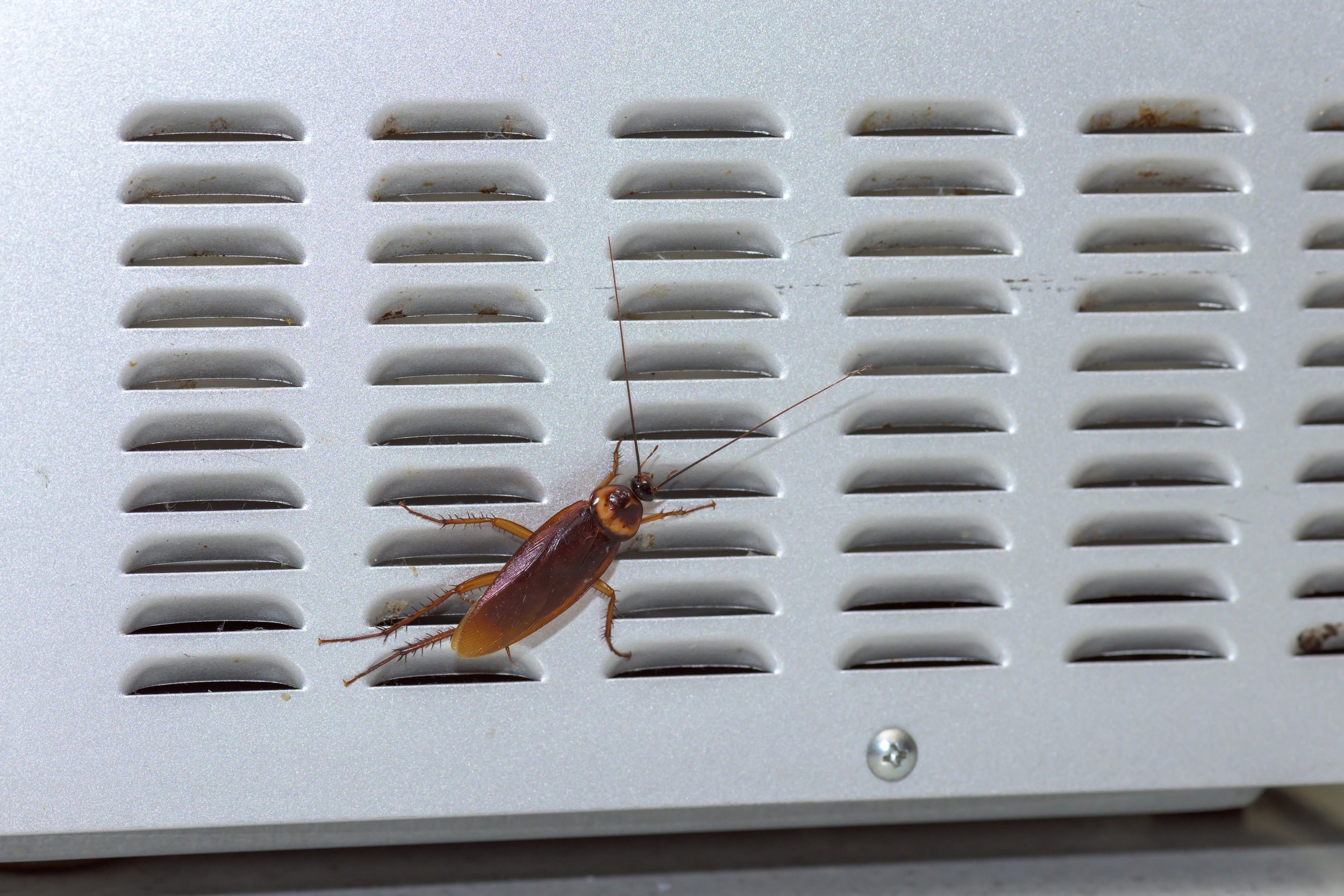
What many people do not realize is that roaches can survive in microwaves because the heat is not always strong enough to kill them, especially in the corners or under the turntable. Also, the microwave’s design often keeps them safe from direct waves.
The Dangers Of Roaches In Your Microwave
Having roaches inside your microwave is more than just unpleasant. It can affect your health and even damage your appliance.
Roaches are known to carry bacteria like Salmonella and E. coli on their bodies. When they walk across your food or inside the microwave, they can leave these germs behind. This can cause food poisoning or stomach upsets, especially for children and older adults.
Their droppings and shed skins can also trigger allergies or worsen asthma symptoms. If you see dark specs that look like coffee grounds or small eggs, these are signs of roach activity. The smell can be another problem—roaches leave a musty, oily odor that is hard to remove.
A less obvious risk is damage to the microwave itself. Roaches can chew on wiring or electronic parts. Over time, this can cause your microwave to stop working or even create a fire hazard.
Finally, having roaches in your microwave usually means there are more hiding elsewhere in your kitchen. So, ignoring the problem can lead to a bigger infestation.
How To Know If Roaches Are Living In Your Microwave
You may not always see a roach running around. Sometimes, the signs are more subtle:
- Droppings: Look for small, dark specs inside the microwave, especially in corners or under the turntable.
- Egg cases: Roaches lay tiny, brown capsules called oothecae. These may be found in hidden spots.
- Smell: A strange, musty odor that wasn’t there before.
- Movement: You might see a roach when you open the microwave, especially at night.
- Noise: Faint scratching or rustling, especially if you listen closely after using the microwave.
If you notice any of these signs, it’s time to act fast.
Step-by-step: Getting Roaches Out Of Your Microwave
Let’s look at a practical, safe way to remove roaches from your microwave. These steps are designed for both light and heavy infestations.
1. Unplug And Move The Microwave
Safety comes first. Always unplug your microwave before cleaning. Move it away from the wall if possible, so you can reach all sides and check for roaches hiding nearby.
2. Remove Food, Turntable, And Accessories
Take out the turntable, ring, and any loose parts. Wash these with hot, soapy water and let them dry completely. Crumbs often hide under the turntable, so clean thoroughly.
3. Clean Every Surface
Use a mix of warm water and dish soap. Wipe the inside walls, floor, ceiling, and door. Pay attention to the rubber seal around the door, which can collect grease and crumbs.
For tougher stains, a paste of baking soda and water works well. Scrub gently with a soft cloth or sponge.
Do not use strong chemicals like bleach inside the microwave, as they can leave harmful fumes.
4. Deep Clean The Vents And Gaps
Roaches often hide in the vents, under the microwave, or around the power cord entry. Use a small brush (like an old toothbrush) to scrub these areas. A vacuum with a brush attachment can help remove eggs and debris from hard-to-reach spots.
5. Use Safe Roach-killing Methods
You want to kill roaches without leaving dangerous chemicals behind. Here are effective, safe options:
- Boric acid powder: Sprinkle a small amount around, not inside, the microwave—especially near vents or under the appliance. Roaches walk through it, and it kills them slowly.
- Diatomaceous earth (food grade): This is a safe powder that scratches the roaches’ shells, causing them to dry out. Apply in hidden spots.
- Gel baits: Place gel bait traps near the microwave, not inside. Roaches eat the gel and return to their nest, killing others.
- Bait stations: Place in nearby cabinets or under the counter.
Never spray insecticide directly inside the microwave. Residue can be toxic when you reheat food.
6. Let The Microwave Air Out
After cleaning, leave the microwave door open for a few hours. This helps remove moisture and any remaining smell.
7. Repeat As Needed
One cleaning is often not enough. Check for signs of roaches every day for at least a week. Repeat cleaning and reapply baits or powders if necessary.
Credit: cockroachsavvy.com
How To Disinfect Your Microwave Safely
Cleaning removes roaches, but you also want to kill germs and bacteria they leave behind.
- Vinegar steam method: Fill a microwave-safe bowl with one cup of water and half a cup of white vinegar. Heat on high for 3–5 minutes until it steams. The steam loosens grime and kills bacteria. Wipe the inside with a clean cloth.
- Lemon and water: Cut a lemon in half, squeeze juice into a bowl of water, and microwave for 3–4 minutes. The steam freshens the smell and helps with cleaning.
- Hydrogen peroxide: Lightly wipe surfaces with a cloth dampened in hydrogen peroxide. Let it sit for a few minutes, then wipe dry. Do not soak, and never spray directly inside.
- Commercial microwave cleaners: Only use products labeled safe for microwaves and follow the instructions closely.
Remember to always dry the inside well before using the microwave again.
Preventing Roaches From Coming Back
Once you’ve removed the roaches, the next step is to keep them away for good. Prevention is often easier than cure.
1. Keep The Microwave Clean
After each use, wipe away food spills and crumbs. Make it a habit to clean weekly, not just when you see dirt.
2. Seal Entry Points
Check the microwave’s power cord hole, vents, and any gaps in the counter. Seal cracks with silicone caulk or weatherstripping. This removes easy entry points for roaches.
3. Store Food Properly
Keep all food in sealed containers. Do not leave bread, snacks, or leftovers uncovered on the counter or in the microwave.
4. Eliminate Moisture
Roaches are drawn to water. Wipe up spills around the microwave, sink, and counters. Fix leaking faucets or pipes nearby.
5. Regular Kitchen Cleaning
Vacuum or sweep under appliances. Clean behind and under the microwave, fridge, and stove—favorite hiding spots for roaches.
6. Use Preventive Baits
Place gel baits or bait stations in hidden spots near the microwave and under counters. Replace them every few months as a preventive step.
7. Monitor With Sticky Traps
Set up a few sticky traps near the microwave and behind appliances. This helps you spot new roach activity early.
Home Remedies Vs. Professional Solutions
There are many do-it-yourself methods, but sometimes you need professional help. Let’s compare common options.
| Method | Pros | Cons |
|---|---|---|
| Boric Acid | Effective, low cost, long-lasting | Toxic if eaten by pets or kids, slow results |
| Diatomaceous Earth | Safe for humans/pets, non-toxic | Messy, needs reapplication, slow |
| Gel Baits | Targets entire nest, easy to use | Keep away from food areas, can dry out |
| Professional Pest Control | Fast, thorough, expert advice | Expensive, may use chemicals |
For small infestations, home remedies usually work if you clean well and use them correctly. For larger infestations, especially if roaches keep returning, a pest control expert may be necessary.
How Roaches Survive Inside Microwaves
Many people think microwaving food will kill roaches hiding inside. But roaches are tough survivors.
- Microwave energy heats food by vibrating water molecules. The energy is focused on the food, not the microwave’s corners or crevices.
- Roaches hide in areas that don’t get hot enough to kill them.
- Even a one-minute zap is unlikely to reach all hiding spots.
- Roaches can live for weeks without food, so they wait for the next meal.
This is why deep cleaning and traps work better than simply using the microwave.
Credit: www.varsitytermiteandpestcontrol.com
Common Mistakes When Trying To Remove Roaches
It’s easy to make mistakes when dealing with a microwave infestation. Here are some to avoid:
- Spraying insecticide inside the microwave: This is dangerous. Chemical residue can poison food or create harmful fumes.
- Ignoring the area around the microwave: Roaches can move in and out. Clean nearby cabinets and under the appliance.
- Stopping after one cleaning: Roaches reproduce quickly. Repeat cleaning and baiting for several weeks.
- Using water or liquid sprays near electronics: Moisture can damage your microwave or cause a short circuit.
- Not sealing entry points: If you don’t block gaps, new roaches can enter even after cleaning.
Roach Species Most Commonly Found In Kitchens
You might be curious about what type of roach is in your microwave. Here are the most common:
| Species | Size | Color | Where They Hide |
|---|---|---|---|
| German Cockroach | 1/2 inch | Light brown, two dark stripes | Microwaves, appliances, cabinets |
| American Cockroach | 1.5–2 inches | Reddish-brown | Basements, under sinks, drains |
| Brownbanded Cockroach | 1/2 inch | Brown with yellow bands | High cabinets, electronics |
Knowing which type you have can help you target your cleaning and prevention methods.
What To Do If Roaches Return
Sometimes, despite your best efforts, roaches come back. Here’s what to do:
- Repeat deep cleaning. Check for missed crumbs or spills, both inside and around the microwave.
- Replace and move baits. Roaches may avoid old baits. Try different brands or move traps to new spots.
- Check for new entry points. Inspect walls, floors, and cabinets for fresh cracks or gaps.
- Call a professional. If you see roaches every day after cleaning, a pest control expert can use stronger, targeted treatments.
- Ask neighbors. In apartments or shared housing, roaches often move between units. Work together for better results.
When To Replace Your Microwave
In severe cases, it may be safer to replace your microwave. Signs you should consider this:
- There is a strong, lingering odor even after deep cleaning.
- Roaches or eggs are found inside the control panel or sealed parts.
- The microwave is not working properly after cleaning (buttons, lights, or heating fails).
- You see signs of chewed wires or electrical damage.
A new microwave can give you peace of mind, especially if you have young children or health concerns.
Extra Tips For Roach-free Kitchens
Here are some practical tips people often overlook:
- Check grocery bags and boxes before bringing them into your kitchen. Roaches can hitch a ride.
- Don’t store pet food near the microwave or on the counter.
- Run your microwave regularly. Roaches avoid appliances that are used often and cleaned.
- Use a microwave cover when reheating food. This keeps splatters from reaching cracks and corners.
- Clean the exterior—not just the inside. Wipe handles, buttons, and sides to remove grease.
The Role Of Kitchen Habits
Your daily habits matter. Roaches need food, water, and shelter. By removing these, you make your kitchen less inviting.
- Wipe counters after each meal.
- Take out trash daily and use bins with tight lids.
- Sweep or vacuum crumbs from the floor, especially at night.
A clean kitchen is the best long-term defense against roaches.
Professional Roach Removal: What To Expect
If you hire a pest control company, here’s what usually happens:
- They will inspect your kitchen and microwave area for entry points and nests.
- They may use gel baits, dusts, or insect growth regulators (IGRs) that target eggs and young roaches.
- Some companies use heat treatments or targeted sprays (outside the microwave).
- They will give advice on cleaning and prevention.
Professional treatments can cost between $100 and $300, depending on the size of the infestation and your location.
For more details, you can read about cockroach control at the U.S. Environmental Protection Agency.
Frequently Asked Questions
Why Do Roaches Prefer Microwaves Over Other Appliances?
Roaches like microwaves because they are warm, have hidden spaces, and often contain food crumbs. Unlike ovens, microwaves are rarely cleaned inside, and their vents offer easy hiding spots.
Is It Safe To Use My Microwave After Roaches Have Been Inside?
You can use your microwave again after thorough cleaning and disinfection. Remove all visible roaches, eggs, and droppings. Clean with soap, then disinfect with vinegar steam or hydrogen peroxide. If the infestation was severe, consider replacing the appliance.
Will Microwaving Food Kill The Roaches Inside?
No. Microwave energy does not reach all corners or crevices where roaches hide. They can survive because the air and surfaces inside do not get hot enough to kill them. Cleaning and trapping are more effective.
What Should I Do If I See Roaches In My Microwave At Night?
Unplug the microwave, remove all food, and start deep cleaning as described. Set up baits or traps nearby. Roaches are most active at night, so check and clean again in the morning.
Can Roaches Damage My Microwave Permanently?
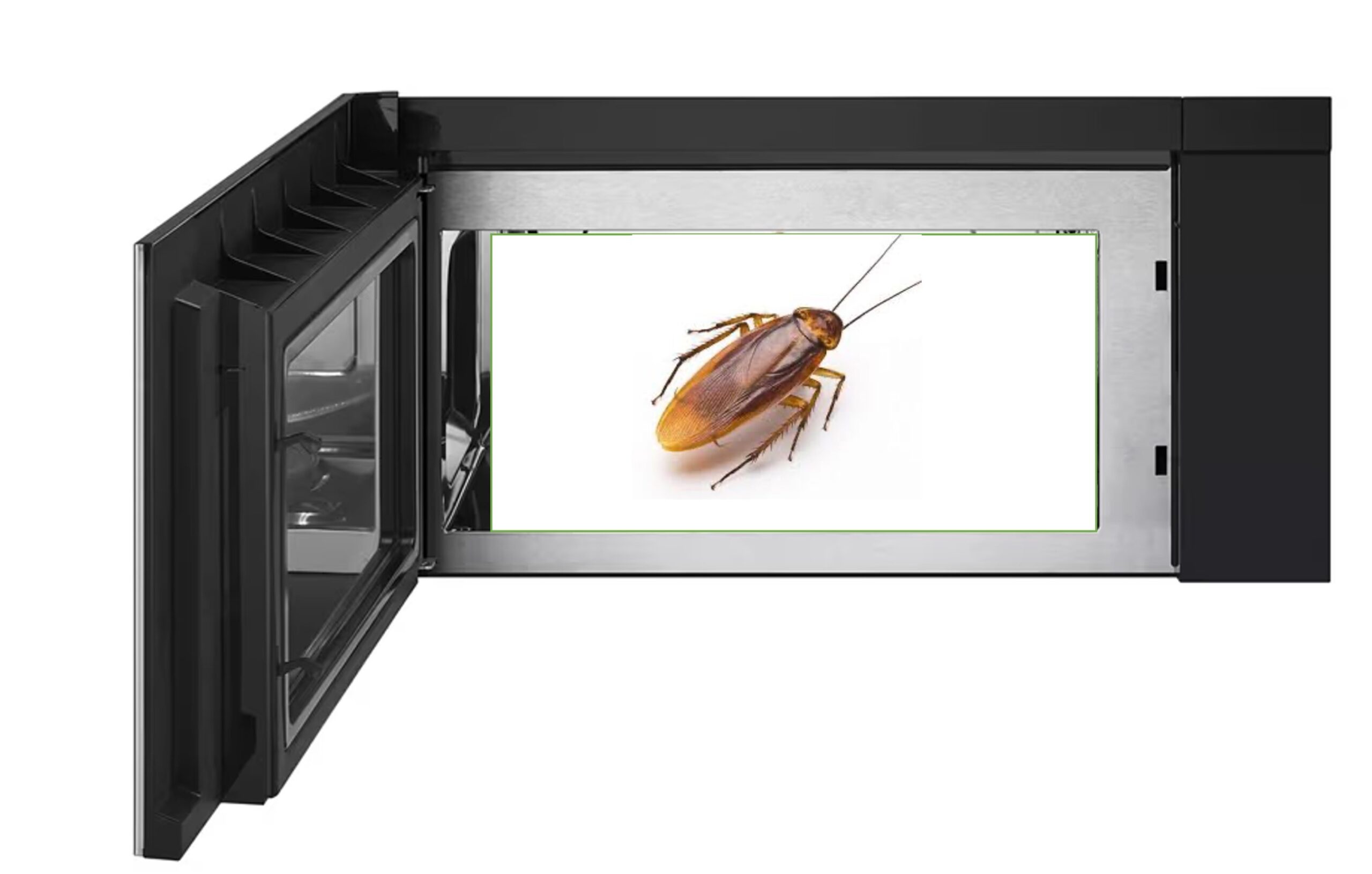
Yes. Roaches can chew on wires, leave droppings in electronic parts, and cause your microwave to malfunction. In rare cases, they can even create a fire risk. Severe infestations may require you to replace the appliance.
A clean, roach-free microwave is possible if you act quickly and follow the right steps. By combining cleaning, safe roach-killing methods, and prevention, you can protect your kitchen, your health, and your peace of mind. With a bit of effort now, you’ll enjoy safer, tastier meals and a pest-free home.
Credit: pestextinct.com