
A pool in the backyard is often the center of summer fun, relaxation, and family time. But what happens when something goes wrong beneath the surface? One of the most troublesome issues for pool owners is a broken return line in a ground pool. This problem can lead to water leaks, loss of pool pressure, and even damage to your property if not addressed quickly. Many pool owners feel overwhelmed when faced with this situation, unsure of what it means or how to fix it.
Understanding what causes a broken return line, recognizing the early warning signs, and knowing what steps to take can save you time, money, and stress. This guide will walk you through everything you need to know about broken return lines in ground pools.
You’ll learn how the system works, common causes of damage, methods for detecting a leak, repair options, and preventive strategies. Whether you’re a first-time pool owner or have years of experience, you’ll discover practical advice and non-obvious tips that most beginners miss.
By the end, you’ll feel confident in handling this challenge and protecting your pool investment.
What Is A Pool Return Line?
A return line is a crucial part of your pool’s plumbing system. After water is filtered and cleaned, the return line carries it back into the pool. This ensures the water stays clean, well-circulated, and safe for swimmers.
In a typical ground pool, the main parts of the plumbing system are:
- Skimmer: Pulls water from the surface into the filter.
- Main drain: Pulls water from the bottom into the filter.
- Pump and filter: Clean the water.
- Return lines: Push clean, filtered water back into the pool.
Most pools have more than one return line. These are usually made from PVC pipes buried underground or under the pool deck. When a return line breaks, water can leak out of the system before reaching your pool, causing a range of problems.
Why Do Return Lines Break?
Return lines are built to last, but several factors can cause them to crack, split, or disconnect. Here are the most common reasons:
Ground Movement
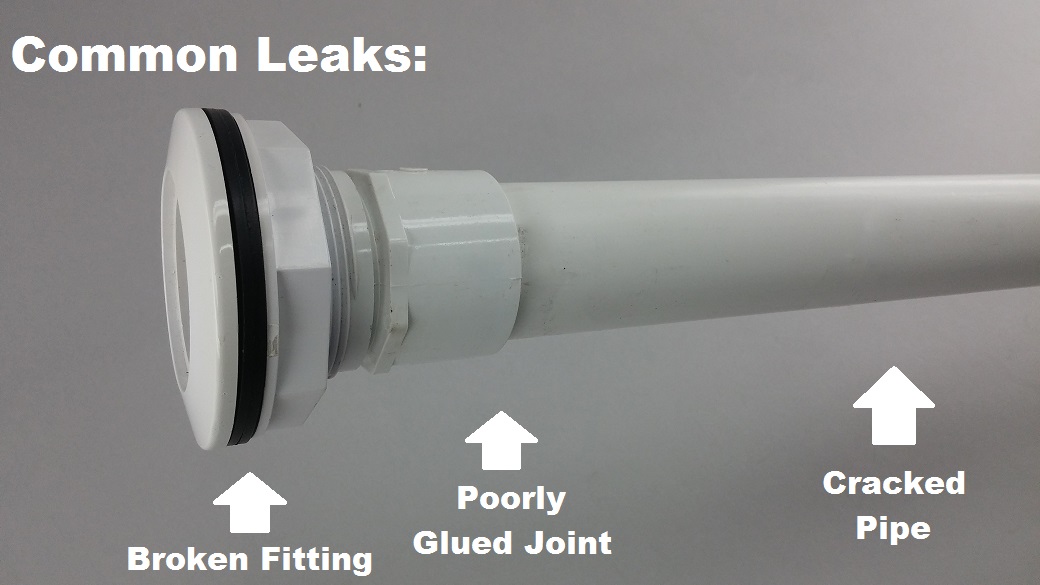
Soil can shift over time due to rain, drought, or freezing and thawing. This movement puts pressure on the pipes, especially at weak joints or bends, leading to cracks or splits.
Tree Roots
Trees and large shrubs near your pool can send roots searching for water. These roots can squeeze, break, or even grow into the PVC pipes.
Poor Installation
If the return lines were not installed correctly, with weak joints or not enough support, they are more likely to fail. Sometimes, the wrong type of glue or pipe is used, making breaks more likely.
Freezing Temperatures
In colder climates, water left inside the pipes can freeze, expand, and crack the PVC. That’s why it’s important to winterize your pool properly.
Age And Wear
All materials weaken over time. If your pool is more than 15–20 years old, the pipes may simply be wearing out, especially if they were not high-quality to begin with.
Construction Or Renovation Damage
Renovations, landscaping, or heavy machinery moving near the pool can accidentally damage or shift pipes underground.
Water Chemistry Issues
Unbalanced water, especially water that is very acidic or alkaline, can degrade pipes over time. While PVC is resistant to most chemicals, long-term exposure can still cause problems.

Credit: www.reddit.com
Signs You Have A Broken Return Line
A broken return line is not always visible, but there are clear warning signs to watch for. Recognizing these early can help you take action before the problem worsens.
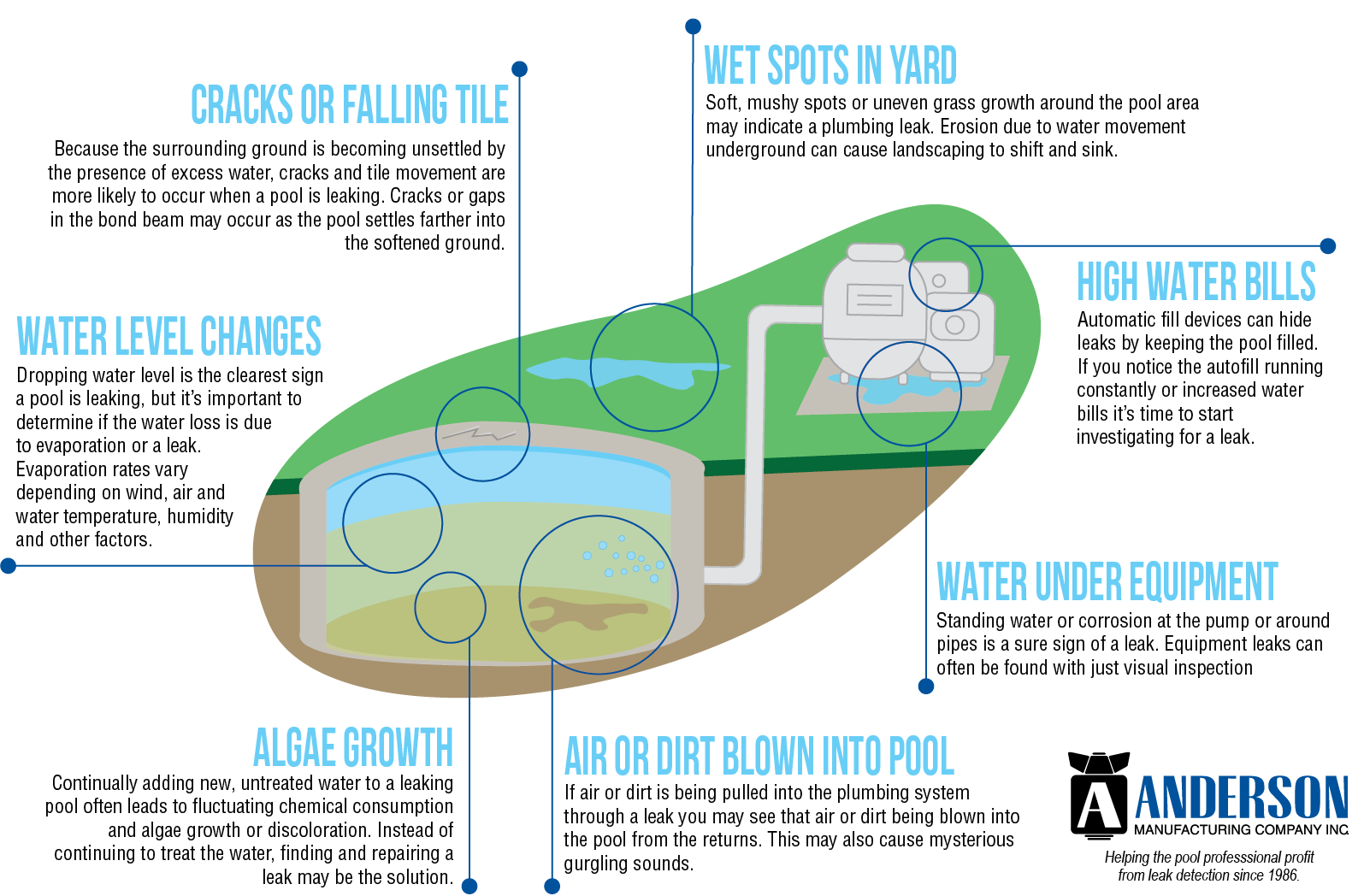
- Water Loss: If your pool loses more than 1/4 inch (6 mm) of water per day, it is likely more than just evaporation.
- Air Bubbles in the Pool: Bubbles coming from the return jets often signal a break or leak in the line.
- Wet Spots or Sinkholes: Soft, soggy, or sunken areas around the pool, deck, or yard may mean water is leaking underground.
- Drop in Water Pressure: If your pool jets feel weaker than usual, the water may not be making it back to the pool efficiently.
- Unexplained Increase in Water Bills: For pools connected to city water, a sudden spike in your bill can signal a leak.
- Visible Cracks or Shifting: Sometimes, cracks appear in the pool deck or tiles as soil shifts from leaking water.
Not every symptom means a return line is broken, but several together are a strong warning.
How To Confirm A Broken Return Line
Before digging or hiring a pro, it helps to confirm that the return line is really the problem. Here are some practical ways to test for a leak:
Bucket Test
Fill a bucket with pool water and set it on a pool step. Mark the water level inside the bucket and in the pool. Wait 24 hours. If the pool loses more water than the bucket, a leak is likely.
Isolate The Return Line
Plug all pool returns except one. If the water loss stops, the line you plugged is likely the problem. This test helps narrow down which line is leaking.
Pressure Testing
This professional test involves sealing the return line and using air or water pressure to check for drops. If the pressure falls, there’s a leak.
Dye Test
Place a few drops of colored dye near the return jets with the pump off. If the dye is pulled out, there may be a leak nearby. This works best for leaks near the pool wall, not deep underground.
Listen For Water Movement
Sometimes, you can hear water moving underground with a stethoscope or specialized tool. This can help locate the leak more precisely.
Comparing Leak Detection Methods
To help you decide which method to use, here’s a simple comparison:
| Method | Cost | Accuracy | Skill Needed | Best For |
|---|---|---|---|---|
| Bucket Test | Free | Low | Beginner | Checking if a leak exists |
| Pressure Test | Medium | High | Professional | Pinpointing leak in pipes |
| Dye Test | Low | Medium | Beginner | Leaks near pool wall |
| Listening Tools | High | High | Professional | Underground leaks |
Can You Fix A Broken Return Line Yourself?
Many pool owners wonder if they can handle this repair themselves. The answer depends on your comfort level, the location of the break, and the tools you have.
Diy Repairs
If the break is near the pool wall or just under the deck, and you are handy with basic plumbing, you might be able to fix it yourself. You’ll need to dig to reach the pipe, cut out the broken section, and glue in a new piece with proper PVC cement.
When To Call A Professional
For most underground breaks, especially those under concrete or in hard-to-reach spots, calling a licensed pool repair technician is safer and often cheaper in the long run. They have the tools to locate and fix the leak with less digging and mess.
Common Mistakes Diyers Make
- Not fully draining the line before cutting.
- Using the wrong glue or pipe size.
- Failing to pressure test after repair.
- Rushing the job and missing additional cracks.
If you’re unsure, it’s better to ask for help than risk further damage.
The Repair Process Explained
Understanding the repair process helps you know what to expect, whether you DIY or hire a pro. Here’s a typical step-by-step:
- Locate the Leak: Use detection methods to pinpoint the break.
- Expose the Pipe: Carefully dig to reach the return line. Take care not to damage other pipes.
- Cut Out the Damaged Section: Use a pipe cutter to remove the broken part.
- Clean and Dry the Area: For a strong bond, both ends must be clean and dry.
- Install a New Section: Use PVC couplings and high-quality cement. Make sure the new piece matches the old pipe size.
- Let the Glue Cure: Wait as recommended before turning on the pump.
- Test for Leaks: Use a pressure test to make sure the fix worked.
- Backfill Carefully: Replace dirt in layers and compact it to prevent future settling.
How Much Does It Cost To Fix A Broken Return Line?
The cost depends on where the break is, how hard it is to reach, and whether you do it yourself or hire help. Here’s an overview:
Diy Repair
- Materials: $30–$100 for pipes, glue, couplings, and tools.
- Your Time: 2–6 hours, depending on the damage and digging.
Professional Repair
- Leak Detection: $250–$500
- Repair Work: $400–$1,500 (can be higher if under concrete or deck)
- Total Typical Cost: $700–$2,000
Keep in mind, if you ignore the problem, water damage can cost far more to repair—sometimes tens of thousands for major property damage.
Comparing Diy Vs. Professional Repair
Here’s a side-by-side look to help you decide:
| Factor | DIY | Professional |
|---|---|---|
| Upfront Cost | Low | High |
| Skill Needed | Medium to High | None (for you) |
| Time Required | More | Less |
| Risk of Mistakes | High | Low |
| Warranty/Guarantee | No | Usually Yes |
How To Prevent Return Line Breaks
Prevention is always better than repair. Here are practical steps to protect your pool’s plumbing for years to come:
- Winterize Properly: Always blow out the lines and use antifreeze if you live in a cold area.
- Avoid Planting Trees Near the Pool: Roots are a major risk for underground pipes.
- Check Water Chemistry Regularly: Balanced water prevents slow damage to pipes and fittings.
- Schedule Regular Inspections: Have a professional check your system every few years.
- Use Quality Materials: If you build or renovate, insist on high-grade PVC and proper installation.
- Don’t Overload the Deck: Heavy furniture or vehicles can crush pipes beneath.
- Watch for Early Signs: Address small leaks before they become big problems.
One non-obvious tip: After major storms or ground freezing, take a walk around your pool area. Look for new wet spots or depressions. Many leaks start small after such events.
The Dangers Of Ignoring A Broken Return Line
It’s tempting to ignore a small leak and hope it will go away. But a broken return line can cause serious problems:
- Structural Damage: Water can wash away soil, causing the pool or deck to settle and crack.
- Mold Growth: Moisture in the ground can lead to unhealthy mold and mildew.
- Wasted Water and Chemicals: Replacing lost water and chemicals adds up fast.
- Higher Bills: If you’re on city water, leaks can mean expensive bills.
- Damage to Neighboring Properties: Leaks can spread, especially if you live on a slope.
A small leak today can become a huge repair job tomorrow.
What To Expect After Repair
Once your return line is fixed, you’ll want to monitor a few things:
- Water Level: Check daily for the first week to ensure the leak is really gone.
- Pool Pressure: The water should flow strongly from the return jets again.
- Deck or Yard Settling: The area where you dug may settle for a few months. Top up with soil as needed.
- System Performance: Listen for strange noises or new bubbles, which can signal other issues.
If you notice any problems, call your pool pro right away. Early action keeps things small.
Are There Alternative Solutions?
In some cases, if the break is hard to reach or the pool is old, you might want to consider alternatives:
Abandon The Broken Line
If your pool has more than one return line, sometimes you can plug and abandon the broken one. This is not a perfect solution, but it may avoid expensive digging.
Reroute Above Ground
For older pools, it’s sometimes easier to run a new return line above ground, hidden behind landscaping or the pool fence. This is a quick, though less attractive, fix.
Full Renovation
If your pool is very old and has many plumbing problems, a full renovation may be more cost-effective in the long run. New pipes, equipment, and updated features can add value and peace of mind.
Consult with a pool expert to weigh your options.
Key Insights Most Pool Owners Miss
- Leaks Often Start Small: Many pipe breaks begin with small cracks from freezing or ground movement. Catching them early can save thousands.
- DIY Repairs Are Riskier Than They Seem: Underground plumbing is tricky. Many owners make things worse by digging in the wrong spot or using the wrong materials.
- Professional Leak Detection Is Worth It: Hiring a pro with specialized tools can pinpoint the leak, saving you from unnecessary digging and guessing.
- Regular Inspections Pay Off: Spending a little on annual checkups can prevent big bills later.
- Insurance May Not Cover Leaks: Many policies exclude leaks caused by poor maintenance. Check your coverage before disaster strikes.
Real-world Example
Consider the case of a family in Texas whose pool lost water rapidly. They first tried a DIY fix, but the problem returned. After hiring a professional, the leak was traced to a root-damaged return line under the deck. The repair cost $1,600, but the family avoided $10,000 in damages to their foundation by acting quickly.
When Is It Time For A New Pool?
Sometimes, a broken return line is a sign of larger issues. If your pool is over 30 years old and you’ve had several plumbing repairs, it may be time to consider replacement. Modern pools use better materials, energy-efficient pumps, and improved designs that can save money in the long run.
Investing in a new pool is a big decision, but for some, it’s the best way to avoid constant repairs.
Credit: www.leaktools.com
Where To Find More Help
If you’re dealing with a broken return line and want more expert information, check out resources from the Swimming Pool Association. They offer detailed guides and can help you find certified local professionals.
Frequently Asked Questions
What Is A Pool Return Line And Why Is It Important?
A pool return line is a pipe that carries clean, filtered water back into your pool. It keeps water circulating, helps distribute chemicals, and ensures the pool stays clean and safe for swimmers.
How Do I Know If My Return Line Is Leaking?
Look for signs like water loss, air bubbles from the jets, wet spots near the pool, or low water pressure. A bucket test or professional leak detection can confirm the problem.
Can I Repair A Broken Return Line Myself?
You can fix a return line if the break is accessible and you have plumbing skills. However, most breaks are underground, and mistakes can lead to bigger problems. It’s often safer to hire a professional.
How Much Does It Cost To Fix A Broken Return Line?
DIY repairs may cost $30–$100 in materials. Professional repairs can range from $700 to $2,000 depending on location and complexity.
How Can I Prevent Future Return Line Breaks?
Winterize your pool, avoid planting trees near plumbing, check water chemistry regularly, and have your pool inspected every few years. Use quality materials if you build or renovate.
A broken return line in your ground pool can feel overwhelming, but with the right knowledge, you can handle it wisely. Act quickly, consider your options, and protect your pool for many years of enjoyment.
Credit: www.leaktools.com