
Connecting your well pump to a generator can be a lifesaver during power outages. If your water supply depends on electricity, a generator ensures you still get water when the grid is down. But this is not a simple “plug and play” job. It takes planning, the right tools, and a clear understanding of electrical safety. Mistakes can cause damage, injury, or even death. Many people feel nervous about this task—but with careful steps, you can do it safely and confidently.
This article gives you a complete guide, from understanding your system to running your well pump off generator power. We’ll look at key equipment, safety rules, practical advice, and common errors to avoid. Whether you want a temporary connection for emergencies or a permanent backup system, you’ll find everything you need here.
Understanding Your Well Pump System
Before you connect anything, you must know how your well pump system works. Most homes use one of three types of well pumps: submersible pumps, jet pumps, or booster pumps.
- Submersible pumps sit deep inside the well. They push water up to your house. These are common in deep wells (over 25 feet).
- Jet pumps are above ground, using suction to pull water from the well. They are usually for shallow wells (less than 25 feet).
- Booster pumps increase water pressure, but are less common for homes.
Each pump type needs a certain amount of power (watts) and has a unique wiring setup. Most home well pumps run on 120V or 240V electricity. Knowing your pump’s voltage and amperage is critical before connecting a generator.
Check the label on your pump or the control box. Look for:
- Voltage (V)
- Amperage (A)
- Wattage (W)
For example, a 1/2 horsepower (HP) submersible pump often uses 240V and draws about 8 amps. That means it needs around 1920 watts (240V x 8A).
If you don’t have this information, check your well’s documentation or contact the installer. Never guess.
Why Use A Generator For A Well Pump?
Power outages can last hours or days. Without power, your well pump cannot deliver water for drinking, cooking, flushing toilets, or bathing. A generator lets you keep your water running in emergencies.
This is especially important for:
- Rural homes without city water
- Farms with livestock that need water
- Businesses that rely on well water
A generator can also protect your well system. During outages, well pipes may freeze or become damaged if the pump cannot operate. Connecting a generator prevents these issues and keeps your daily life stable.

Credit: www.reddit.com
Choosing The Right Generator
Selecting a generator is not just about buying the biggest one you can afford. You need the right size and features for your well pump.
1. Calculate Power Needs
First, find out how much power your pump requires. Pumps need more power to start than to run. This is called starting watts or surge watts.
- Starting watts: The high burst needed when the pump begins running.
- Running watts: The steady power needed to keep the pump going.
A typical 1 HP pump may need:
- Starting watts: 4000–5000W
- Running watts: 2000W
Check your pump specs or use this formula:
- Starting watts = Running watts x 2.5 (approximate)
2. Match Generator Size
Your generator’s continuous rating (running watts) must be at least as much as the pump’s starting watts. If you plan to run other items (lights, fridge), add their wattages to your total.
Example:
- Well pump: 2000 running watts, 5000 starting watts
- Lights: 200 watts
- Fridge: 600 watts (starting), 200 watts (running)
Total needed: 5000W (the highest surge)
Choose a generator with at least a 5500W surge rating for safety.
3. Consider Fuel Type And Run Time
Generators run on:
- Gasoline
- Propane
- Diesel
Gasoline is common but needs storage and goes bad over time. Propane lasts longer but may give less power per gallon. Diesel is efficient but often used for larger, commercial units.
Look at the run time: How long will it run at half-load? If your area loses power for long periods, a bigger fuel tank means less refueling.
4. Portability Vs. Permanence
Portable generators are cheaper and can be moved as needed. Standby (permanent) generators cost more but start automatically during outages. For most homeowners, a portable unit is enough for the well pump and a few essentials.
Generator Sizing Table
Here’s a quick guide to match generator size with pump horsepower:
| Pump Size (HP) | Starting Watts | Running Watts | Recommended Generator Size |
|---|---|---|---|
| 1/2 HP | 2000–2100 | 1000–1200 | 2500W |
| 3/4 HP | 3000–3200 | 1500–1800 | 3500W |
| 1 HP | 4000–5000 | 2000–2200 | 5500W |
Non-obvious insight: Many beginners forget the surge rating. If your generator is too small, the pump may not start at all or could damage the motor.
Essential Safety Precautions
Before you touch any wires, remember: Electricity is dangerous. The biggest risks are:
- Backfeeding: Sending generator power back into utility lines, which can electrocute others.
- Overloading: Running too many devices can damage your generator or pump.
- Carbon monoxide: Generators produce deadly gas. Never use indoors or in a garage.
Key Safety Steps
- Turn off main power: Always shut off your home’s main breaker before connecting a generator.
- Never plug into a wall outlet: This is called “backfeeding” and is illegal and deadly.
- Use a transfer switch: This device safely switches your home from grid to generator power.
- Ground your generator: Reduces shock risk.
- Keep generator outside: At least 20 feet from your house. Point exhaust away from windows.
Non-obvious insight: Many people skip the transfer switch to save money. But this puts line workers and your own electronics at risk. A transfer switch is not optional for permanent setups.
Tools And Materials Needed
Gather all tools and materials before starting. You may need:
- Portable generator (correct size)
- Heavy-duty extension cord (outdoor rated, correct amperage)
- Manual transfer switch or generator interlock kit
- Double-pole circuit breaker (matches your pump voltage)
- Wire connectors
- Screwdrivers, pliers, wire strippers
- Voltage tester or multimeter
- Grounding rod and wire
- Weatherproof cover (if outdoors)
- Personal protective equipment (PPE): Gloves, safety glasses
Tip: Buy cords and connectors with enough length to keep your generator far from the house, but not so long that you lose power (long cords cause voltage drop).
Methods For Connecting A Well Pump To A Generator
There are three main ways to connect your well pump. The right choice depends on your pump wiring, your home’s setup, and local electrical codes.
1. Using A Transfer Switch (best For Permanent Or Whole-house Use)
A manual transfer switch is a small panel wired next to your main breaker box. It lets you switch safely between utility and generator power for key circuits, including your well pump.
Steps:
- Hire a licensed electrician (strongly recommended) to install the switch and connect the pump circuit.
- During a power outage, plug your generator into the switch via a special inlet box.
- Flip the transfer switch to “generator” mode. Only the selected circuits get generator power.
- Start the generator, wait for it to warm up, then turn on the well pump circuit.
Pros:
- Safe and code-compliant
- Powers other circuits (lights, fridge) as needed
- No risk of backfeeding
Cons:
- Higher cost (parts + electrician)
- Needs permanent wiring
2. Using A Generator Interlock Kit
A generator interlock kit is a device installed on your breaker panel. It prevents the main breaker and generator breaker from being on at the same time.
Steps:
- Install the interlock kit and a double-pole breaker for the generator input.
- During an outage, turn off the main breaker, slide the interlock, and turn on the generator breaker.
- Start your generator and power the needed circuits, including the well pump.
Pros:
- Lower cost than a full transfer switch
- Safer than extension cords
Cons:
- Still requires some electrical work
- Not legal in all areas—check codes
3. Direct Connection With Extension Cord (for Temporary/emergency Use Only)
This method is for short-term or emergency use, not for regular operation.
Steps:
- Turn off your main breaker.
- Unplug the well pump from the wall outlet (if plug-in type).
- Use a heavy-duty extension cord from the generator to the pump’s plug.
- Start the generator, then power the pump.
Pros:
- Quick and easy
- No electrical work needed for plug-in pumps
Cons:
- Not suitable for hardwired pumps
- Only powers the pump, nothing else
- Higher risk of overload or mistakes
Important: If your well pump is hardwired (no plug), do not attempt to rewire or connect with an extension cord unless you are trained. This can be dangerous and may void your insurance.

Credit: www.youtube.com
Step-by-step Guide: Connecting A Well Pump To A Generator
Let’s walk through the safest and most common method: using a manual transfer switch.
Step 1: Turn Off Power And Prepare
- Shut off your home’s main breaker.
- Let everyone know you’re working on electrical circuits.
- Put on safety gear.
Step 2: Locate The Well Pump Circuit
- Find the circuit breaker that controls your well pump.
- Label it clearly if not already marked.
Step 3: Install The Transfer Switch
- Mount the manual transfer switch next to your main panel.
- Run conduit from the switch to the panel.
- Connect the well pump circuit from the main panel to the transfer switch (follow manufacturer instructions).
- Connect other essential circuits if needed (lights, fridge).
Step 4: Install The Generator Inlet Box
- Mount the inlet box on an exterior wall near your main panel.
- Wire the inlet box to the transfer switch.
Step 5: Ground The Generator
- Drive a grounding rod into the earth (if required by local code).
- Connect the generator’s ground terminal to the rod using thick copper wire.
Step 6: Test The System
- With the main breaker OFF, plug the generator into the inlet box.
- Start the generator and let it warm up.
- Flip the transfer switch to “generator.”
- Turn on the well pump circuit. Listen for the pump to start.
Step 7: Run And Monitor
- Keep an eye on the generator’s watt meter.
- Don’t overload—run only essential items.
- Check for water flow from faucets.
Step 8: Shutdown And Return To Utility Power
- Turn off all generator-powered circuits.
- Flip the transfer switch back to “utility.”
- Turn off the generator and unplug it.
- Turn on the main breaker.
Expert tip: Run your generator every few months (with a load) to keep it in good condition and make sure your backup system works.
Common Mistakes And How To Avoid Them
Many beginners make errors that can damage equipment or cause harm. Here’s how to avoid the biggest pitfalls.
1. Undersizing The Generator
Using a generator that’s too small means the pump won’t start. This can burn out the pump motor or damage the generator.
Solution: Always check starting watts and buy a generator with at least 10% extra capacity.
2. Skipping The Transfer Switch
Plugging your generator into a wall outlet is illegal and deadly (backfeeding). This puts utility workers at risk.
Solution: Always use a transfer switch or interlock kit.
3. Ignoring Grounding
A floating or ungrounded generator can cause shocks or fires.
Solution: Ground your generator according to local codes.
4. Using Thin Or Long Cords
Undersized or extra-long cords cause voltage drop, making the pump run poorly and overheat.
Solution: Use a heavy-gauge cord (12-gauge or thicker) and keep it as short as possible.
5. Overloading The Generator
Running too many devices at once trips the breaker or damages your generator.
Solution: Add up all loads before you start. Only run essentials.
Permanent Vs. Temporary Setups
You can set up your generator connection as a permanent or temporary solution. Each has pros and cons.
| Type | Pros | Cons | Best For |
|---|---|---|---|
| Permanent | Safe, convenient, code-compliant, automatic | Higher cost, needs pro installation | Frequent outages, critical water needs |
| Temporary | Low cost, portable, fast setup | Manual work, less safe, powers less | Rare outages, emergency use |
Practical tip: If you lose power often, invest in a permanent transfer switch. For occasional storms, a temporary setup may be enough.
Maintaining Your Generator And Well Pump Connection
A reliable backup system needs regular care.
1. Run The Generator Regularly
Start your generator every month for at least 15–20 minutes. Plug in a small load (like a lamp) to make sure it works under real conditions.
2. Change Oil And Filters
Follow the generator’s manual for oil and air filter changes. Dirty oil or filters shorten the life of your unit.
3. Inspect Cords And Connections
Check for frayed wires, loose plugs, or signs of overheating. Replace damaged parts immediately.
4. Store Fuel Safely
Keep gasoline or diesel in approved containers, away from the house. Add stabilizer to gasoline if storing for more than 30 days.
5. Test The Transfer Switch
Simulate a power outage every few months. Practice switching from utility to generator power, so you’re ready in an emergency.
Legal And Code Considerations
Electrical codes are strict for a reason—safety. Many areas require:
- Permits for transfer switch installation
- Licensed electrician for permanent wiring
- Generator interlock kits to be UL-listed
- Grounding to meet local standards
Check with your local building department before starting. Inspectors can fine you or force you to remove illegal wiring. When in doubt, hire a pro.
Useful resource: For more details on electrical codes, see the National Electrical Code (NEC).
Troubleshooting Common Problems
Even with careful setup, issues can occur. Here’s how to solve the most frequent ones.
1. Pump Won’t Start On Generator
- Check generator size: Is it big enough for the starting watts?
- Extension cord too long/thin: Use a shorter, heavier cord.
- Transfer switch off: Make sure it’s set to “generator.”
- Pump fuse/tripped breaker: Reset or replace if blown.
2. Low Water Pressure
- Pump not getting full voltage: Check all connections and cord size.
- Generator overloaded: Unplug other loads.
- Pump or pressure switch problem: May need repair.
3. Generator Runs Rough Or Dies
- Dirty fuel or filter: Clean or replace.
- Overloaded: Reduce the number of appliances running.
4. Gfci Outlets Trip
- Well pump has ground fault: May need an electrician to test for short circuits.
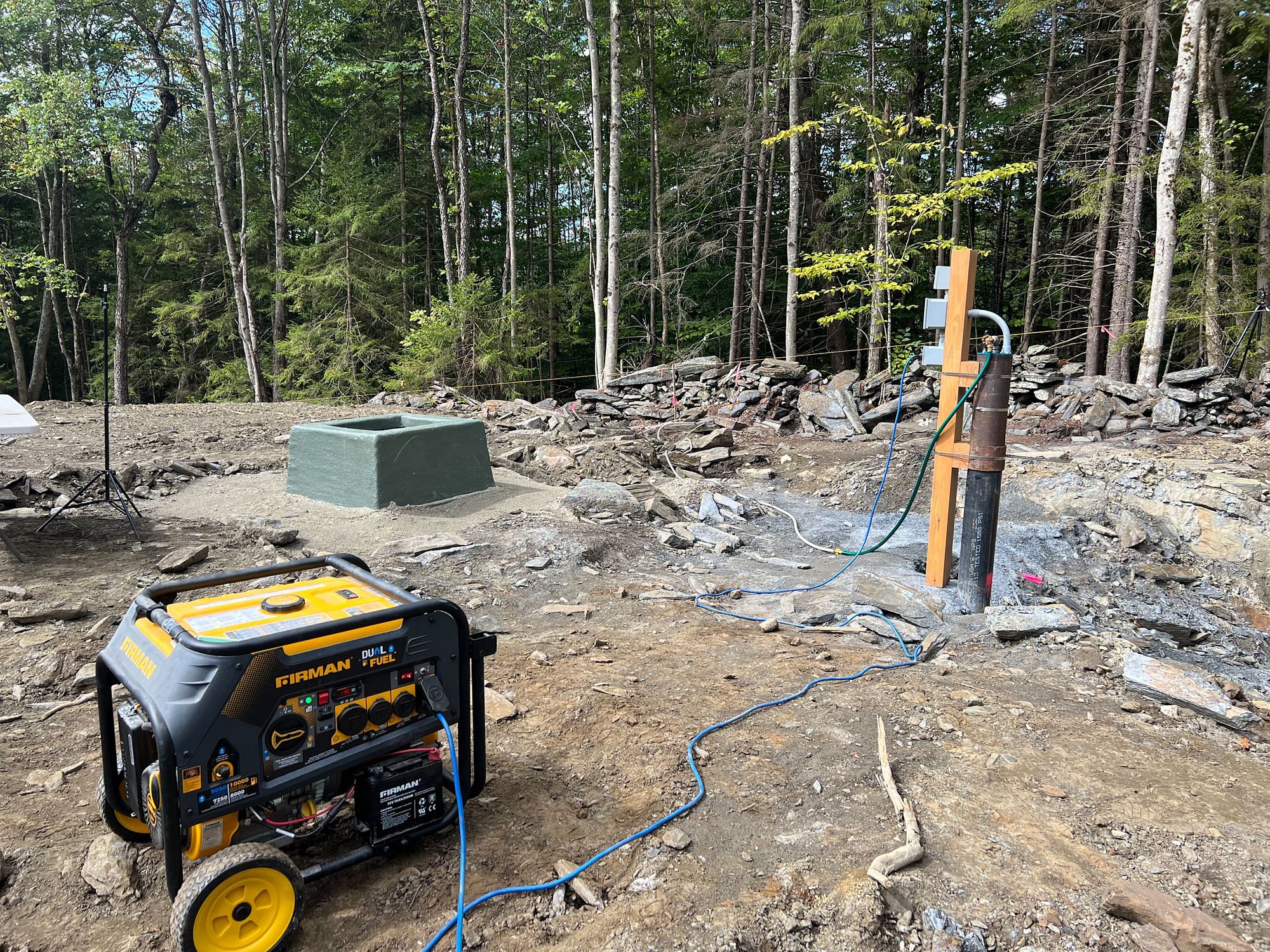
Credit: www.adventurousway.com
Real-world Example: Connecting A Well Pump In A Storm-prone Area
Consider a rural homeowner in Florida, where hurricanes often knock out power for days. Their system:
- Well pump: 1 HP, 240V, 8A (needs 5000W starting)
- Generator: 6500W portable, gasoline-powered
- Manual transfer switch installed by a licensed electrician
- Generator stored in shed, with 20 feet of 10-gauge extension cord to inlet box
When a storm hits:
- Power goes out.
- Homeowner wheels out generator, checks oil and fuel.
- Main breaker is turned OFF.
- Generator plugged into inlet box.
- Generator started and warms up.
- Transfer switch flipped to “generator.”
- Well pump and fridge circuits turned ON.
- Water flows as normal, even during days-long outages.
This setup cost about $1500 for the generator, switch, and installation. But the peace of mind and ability to keep water running was priceless.
Frequently Asked Questions
How Do I Know What Size Generator I Need For My Well Pump?
Check your pump’s horsepower (HP) and starting watts. Most well pumps need 2 to 3 times their running watts to start. For a 1 HP pump, you’ll need a generator that can handle at least 5000 starting watts. Always add the wattage of any other items you want to run at the same time.
Can I Plug My Well Pump Directly Into A Portable Generator?
If your pump has a plug and is not hardwired, you can use a heavy-duty extension cord for temporary use. For hardwired pumps, you must use a transfer switch or interlock kit. Never rewire your pump without professional help—it’s dangerous and often illegal.
Is It Safe To Run My Well Pump And Other Appliances At The Same Time?
Yes, as long as your generator is large enough to handle the combined starting and running watts. Add up the total wattage of all devices. If you overload the generator, it may trip or damage your equipment.
Do I Need A Transfer Switch To Connect My Generator To My Well Pump?
If you want to power a hardwired well pump, yes—a transfer switch is the safest, code-approved way. For plug-in pumps, you can use a heavy-duty extension cord in emergencies, but this is not recommended for regular use.
How Often Should I Test My Well Pump Generator Setup?
Run your generator and test your backup system every 2–3 months. Simulate a power outage by flipping the main breaker and switching to generator power. This ensures your equipment is ready when you need it.
Connecting a well pump to a generator is a practical way to keep your water supply safe during outages. The key is careful planning, using the right tools, and following safety rules. With the steps in this guide, you can make sure your water keeps flowing, no matter what the weather brings. If you’re unsure about wiring or have a complex system, always hire a licensed electrician for installation. Reliable water is too important to risk.