
Many people enjoy relaxing in a hot tub after a long day. The warm water and massaging jets can help melt away stress. But sometimes, you might notice brown flakes in hot tub water. This can be both confusing and worrying. Are these flakes dirty? Is it safe to use the hot tub? What causes the problem, and how do you fix it? These are common questions for hot tub owners.
Brown flakes are not just a minor inconvenience. They can signal a deeper issue with your hot tub water or the system itself. If you ignore them, you may face bigger problems, like damage to your hot tub or even health risks for those who use it.
Many new owners are surprised to see these flakes and do not know where to start.
In this article, you will find a clear explanation of what brown flakes are, what causes them, and how to remove them. We will also cover how to stop them from coming back. Along the way, you will learn key tips and common mistakes to avoid.
If you want to keep your hot tub clean, safe, and enjoyable, read on for practical advice you can use right away.
What Are Brown Flakes In Hot Tub Water?
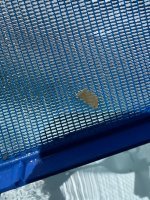
Brown flakes in hot tub water are small pieces or clusters that float or settle in the water. They might look like rust, dirt, or even bits of leaves. Sometimes, they are soft and break apart easily. Other times, they feel gritty or slimy between your fingers.
Many people first notice these flakes when they turn on the jets. The water stirs up the debris, making the flakes float around. You may also spot them stuck to the walls, seats, or filters. Their color can range from light tan to dark brown, and they can be tiny specks or larger pieces.
It is important to understand that brown flakes are not normal. Clean hot tub water should be clear, with no floating debris. The presence of flakes means something is wrong with the water balance, the plumbing, or the hot tub’s cleanliness.
Knowing what you are looking at is the first step to fixing the problem.
Common Causes Of Brown Flakes
Several factors can lead to brown flakes in your hot tub. Let’s explore the most frequent reasons:
1. Iron Or Metal Contamination
The most common reason for brown flakes is metal contamination, especially iron. Many homes have water with a small amount of iron or other metals. When this water is heated or mixed with certain chemicals, the metals can turn into rust-like flakes. These flakes break off and float in your hot tub.
If your water comes from a well, it is even more likely to have higher iron levels. City water can also contain some metals, but usually in smaller amounts. If you notice a metallic smell or a slight orange tint, metal contamination is very likely.
2. Biofilm Build-up
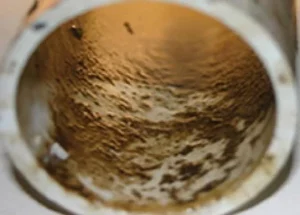
Another major cause is biofilm. This is a slimy layer of bacteria and other microorganisms that can grow inside the pipes, jets, and filter. Over time, pieces of this biofilm can break off and appear as brown flakes in your water.
Biofilm is not just unpleasant—it can protect harmful bacteria and make it harder for sanitizers to work. If your hot tub has not been properly cleaned or shocked, biofilm is more likely to develop.
3. Old Or Degraded Filters
A dirty or old filter cannot trap debris as well as it should. This lets small particles, including brown flakes, pass through and stay in your water. Sometimes, the filter itself breaks down and sends bits of material into the hot tub.
If you haven’t changed or cleaned your filter in a while, it may be part of the problem.
4. Organic Contaminants
Leaves, dirt, body oils, and other organic matter can enter your hot tub from the environment or from bathers. When these materials mix with hot water and chlorine, they can break down into small flakes. This is common if your hot tub is outdoors or used by many people.
5. Chemical Imbalance
Incorrect water chemistry, such as low sanitizer or pH levels, can cause particles to form. For example, when your pH is too high, minerals can fall out of the water and create flakes. If you use hard water, high calcium can also create deposits that look brown or tan.
6. Plumbing Or Equipment Corrosion
Parts of your hot tub’s plumbing or heater are made from metal. If these start to corrode (rust), pieces can flake off and end up in the water. This is often a sign of long-term chemical imbalance or aging equipment.
7. Poor Maintenance Habits
If you do not regularly clean your hot tub or change the water, debris can build up. Over time, this can create brown flakes, especially if you skip routine care tasks.
How To Identify The Source Of Brown Flakes
Fixing the problem starts with understanding where the flakes are coming from. Here are steps to help you identify the source:
- Test your water for metals like iron and copper. Many pool stores sell test kits or strips for this.
- Look at the flakes closely. Are they hard and gritty (likely rust or mineral)? Are they slimy (biofilm)? Do they break apart easily (organic)?
- Check your filter. Remove it and see if it is brown, slimy, or falling apart.
- Inspect the hot tub shell and jets. Are there brown stains or slimy spots?
- Review your maintenance log. When was the last time you changed the water or cleaned the pipes?
- Notice any smells. Metallic, musty, or foul odors can point toward metals, biofilm, or organic contamination.
If you still cannot tell, try collecting a sample and showing it to a local pool or spa professional. They may be able to identify it on sight.
Health Risks Associated With Brown Flakes
Many people worry if brown flakes are a health hazard. Here is what you need to know:
- Metal flakes (like rust) are usually not dangerous in small amounts, but they make the water unpleasant and can stain skin or swimwear.
- Biofilm and organic flakes are more serious. They can protect harmful bacteria like Legionella or Pseudomonas, which can cause skin rashes or respiratory problems.
- Hot tubs with dirty water are more likely to cause hot tub folliculitis, a skin infection caused by bacteria.
- If you have allergies or sensitive skin, flakes can increase irritation.
For these reasons, it is best to avoid using the hot tub until you solve the problem. Clean, clear water is safer and more comfortable for everyone.
Step-by-step Removal Of Brown Flakes
Once you know the likely cause, you can take action. Removing brown flakes requires a few careful steps. Here is a reliable process:
1. Remove Physical Debris
Start by skimming out as many flakes as possible. Use a fine net or a spa vacuum to collect floating debris. This is only a temporary fix but makes the next steps easier.
2. Clean Or Replace The Filter
Take out the hot tub filter and rinse it with clean water. If it is brown, slimy, or falling apart, replace it. For reusable filters, soak them in a dedicated filter cleaner to remove oils and biofilm. Never use household soap, as it can cause foaming.
3. Test And Adjust Water Chemistry
Use a test kit to check levels for:
- PH (ideal range: 7.2–7.8)
- Sanitizer (chlorine or bromine)
- Alkalinity
- Metals (iron, copper)
Adjust chemicals as needed. If metals are present, use a metal sequestrant. This product binds metals and helps prevent them from forming flakes.
4. Deep Clean The Plumbing (pipe Flush)
If you suspect biofilm, you need to clean the inside of the pipes. Buy a hot tub pipe cleaner or flush product. Add it to the water and run the jets for 15–30 minutes. You may see more flakes come out—this is normal. The flush breaks up biofilm and pushes it into the water.
5. Drain And Refill The Hot Tub
After flushing, turn off the power and drain all the water. Use a wet/dry vacuum to get water out of the seats and footwell. Wipe down all surfaces with a non-abrasive cleaner or a mixture of water and vinegar.
Refill the hot tub with filtered water if possible. This helps reduce metals and other contaminants.
6. Shock The Water
Once refilled, add a shock treatment (chlorine or non-chlorine). This kills bacteria and breaks down leftover organics. Run the jets for a full cycle to mix the chemicals well.
7. Reinstall Filter And Retest
Put in a clean or new filter. Test the water again and adjust chemicals as needed. Let the system run for a few hours before using the hot tub.
Long-term Prevention Of Brown Flakes
Stopping brown flakes from returning is just as important as removing them. Here are proven strategies:
Regular Water Testing
Check your water at least once a week. Watch for changes in pH, sanitizer, and metal content. Early detection means you can fix small problems before they become big ones.
Scheduled Filter Care
Clean your filter every 2–4 weeks, depending on use. Replace it every 12–24 months, or sooner if you notice damage. Filters are your first line of defense against debris.
Use Metal Sequestrants
If you have metal in your source water, add a metal sequestrant every time you refill. These products keep metals dissolved so they do not form flakes.
Flush Plumbing Regularly
Use a pipe flush or biofilm cleaner every 3–6 months, especially before draining and refilling. This stops biofilm from building up.
Cover Your Hot Tub
Keep the cover on when not in use. This prevents leaves, dirt, and rain from entering and causing contamination.
Shower Before Entering
Ask users to shower before using the hot tub. This removes oils, lotions, and dirt from the skin, which can turn into flakes.
Balance Chemicals After Heavy Use
If you have a party or lots of bathers, test and adjust chemicals right after. More people means more contaminants.
Use Filtered Water For Refills
Install a pre-filter on your hose when filling the hot tub. This reduces metals, minerals, and other impurities right from the start.
Maintain Equipment
Inspect your heater, jets, and plumbing once a year. Watch for signs of corrosion and replace parts as needed.
Credit: www.troublefreepool.com
Comparing Causes And Solutions For Brown Flakes
To quickly see how different causes relate to their solutions, look at this comparison:
| Cause | Key Signs | Main Solution |
|---|---|---|
| Iron/Metal Contamination | Orange/brown flakes, metallic smell | Use metal sequestrant, filtered water |
| Biofilm | Slime, musty smell, flakes after running jets | Pipe flush, shock, replace filter |
| Old Filter | Reduced water flow, filter debris | Clean or replace filter |
| Organic Debris | Varied flake color, outdoor tubs | Cover tub, regular cleaning |
| Chemical Imbalance | White/brown flakes, cloudy water | Test and balance water |
| Plumbing Corrosion | Rust stains, older equipment | Replace corroded parts |
This table helps you match what you see to the right solution quickly.
Common Myths About Brown Flakes
Many hot tub owners believe things that are not true about brown flakes. Here are some common myths, along with the facts:
- Brown flakes are always dirt from outside.
- Not true. They are often from inside the pipes or from water chemistry problems.
- You can ignore flakes if the water looks mostly clear.
- Flakes mean there is a problem, even if the water seems okay.
- Just adding more chlorine will fix it.
- Chlorine kills bacteria but cannot remove metals or all biofilm.
- Changing the water will solve everything.
- If you do not clean the pipes or filter, flakes will come back.
- Flakes are harmless.
- Some flakes can carry bacteria or signal equipment damage.
Understanding the real causes helps you avoid wasting time and money on the wrong solution.
Case Study: Solving Persistent Brown Flakes
Let’s look at a real-world example. A family noticed brown flakes every time they used their hot tub. They tried cleaning the filter and adding more chlorine, but the problem kept coming back. Here’s how they finally solved it:
- Tested their water: Found high iron levels, especially after refilling.
- Inspected equipment: Filter was old and slimy.
- Deep cleaned: Used a pipe flush and shocked the water.
- Drained and refilled: Used a hose pre-filter and added a metal sequestrant.
- Started a routine: Cleaned the filter monthly and flushed the pipes twice a year.
After these steps, the flakes stopped appearing. The water stayed clear, and they had fewer chemical problems. The key insight: solving brown flakes often needs multiple steps, not just one.
Cost Comparison: Diy Vs. Professional Help
Some people fix brown flakes themselves, while others hire a pro. Here’s a cost and value comparison:
| Option | Estimated Cost | Pros | Cons |
|---|---|---|---|
| DIY Cleaning | $30–$100 (supplies) | Cheaper, learn skills, flexible timing | Time-consuming, risk of mistakes |
| Professional Service | $100–$300 (per visit) | Expert results, less work for you | More expensive, need appointments |
If you are comfortable with basic maintenance, most people can handle brown flakes themselves. For complex or repeated problems, a professional’s help may be worth it.
Non-obvious Insights For Hot Tub Owners
Here are a few extra tips that many new owners miss:
- Flakes may be hidden in the plumbing: Even if water looks clear after draining, debris can stay in the pipes. Always flush before refilling.
- Biofilm can develop in just a few weeks: High temperatures and poor sanitizer levels speed up growth. Do not skip regular shocking.
- Metal sequestrants do not remove metals: They only keep metals from forming flakes. If your source water is high in metals, consider a full water treatment system for your house.
When To Call A Professional
You should consider expert help if:
- Flakes return quickly even after cleaning and flushing
- You see signs of heater or pipe corrosion (rust stains, leaks)
- Water tests show high bacteria or metals you cannot control
- You do not have time or tools for deep cleaning
Professionals have special equipment to diagnose and fix stubborn issues.
Credit: spamarvel.com
Environmental Impact Of Hot Tub Maintenance
Proper care for your hot tub can also help the environment. Using less chemicals, changing water less often, and keeping equipment in good shape reduces waste. If possible, use eco-friendly cleaning products and always dispose of old water safely, following local rules.
Frequently Asked Questions
What Are The Most Common Causes Of Brown Flakes In Hot Tub Water?
The most common causes are metal contamination (especially iron), biofilm build-up, and dirty filters. Sometimes, chemical imbalance or organic debris also play a role.
Are Brown Flakes In Hot Tub Water Dangerous?
They can be. Metal flakes are usually not harmful, but biofilm can protect bacteria that cause skin and health problems. It is safest to clean the hot tub before using it again.
How Do I Test For Iron Or Metals In My Hot Tub Water?
You can use a metal test kit or test strips from a pool supply store. Some stores also offer free water testing. If you see orange stains or a metallic smell, iron is likely present.
How Often Should I Flush My Hot Tub’s Pipes?
Flush the pipes with a pipe cleaner every 3–6 months, or before every water change. This helps remove biofilm and keeps the system clean.
Can I Prevent Brown Flakes If I Use Well Water?
Yes, but you need extra steps. Always use a hose pre-filter when filling the hot tub and add a metal sequestrant. Test your water often, as well water usually contains more iron and other metals.
Keeping your hot tub in top shape means understanding and preventing brown flakes before they start. With the right care, you can enjoy clean, clear water all year long. For more in-depth guidance, check resources like the CDC Healthy Swimming page, which offers practical advice on water treatment and safety.

Credit: www.reddit.com