
The smell of burning wood inside your house can be both mysterious and worrying. For some, it brings memories of cozy fireplaces and warm evenings. But when the odor appears unexpectedly or lingers, it often means something is wrong. Understanding where this smell comes from, why it might be dangerous, and what you should do is important for every homeowner.
Many people ignore the scent of burning wood, thinking it’s harmless or temporary. This can be a big mistake. Sometimes, the smell signals a real fire risk, poor indoor air quality, or hidden problems with heating systems. Even if there isn’t visible smoke, the cause could be electrical, structural, or related to air leaks.
In this guide, you’ll discover all the main reasons for this smell, how to track it down, what dangers exist, and most importantly—how to keep your home and family safe.
What Causes A Burning Wood Smell In The House?
People often jump to conclusions when they notice a burning wood smell. The truth is, the scent can have many origins. Here are the most common reasons:
1. Fireplace Or Wood Stove Use
When you burn wood in a fireplace or stove, it’s natural for some smell to drift into your living space. However, if the odor is much stronger than usual or lingers for hours, it’s often a sign of:
- Poor chimney draft
- Damaged or dirty flue
- Leaky doors or seals
A blocked or dirty chimney can let smoke and wood particles back into the house. If you use your fireplace often, regular cleaning is essential.
2. Chimney Or Flue Issues
A blocked chimney is a serious risk. Birds, nests, leaves, or creosote buildup can stop smoke from venting outside. When this happens, the burning smell—and sometimes even smoke—backs up into your rooms.
Creosote, a black sticky substance, builds up from burning wood. It’s highly flammable and smells like wood mixed with chemicals. Professional chimney sweeps recommend cleaning at least once a year.
3. Electrical Problems
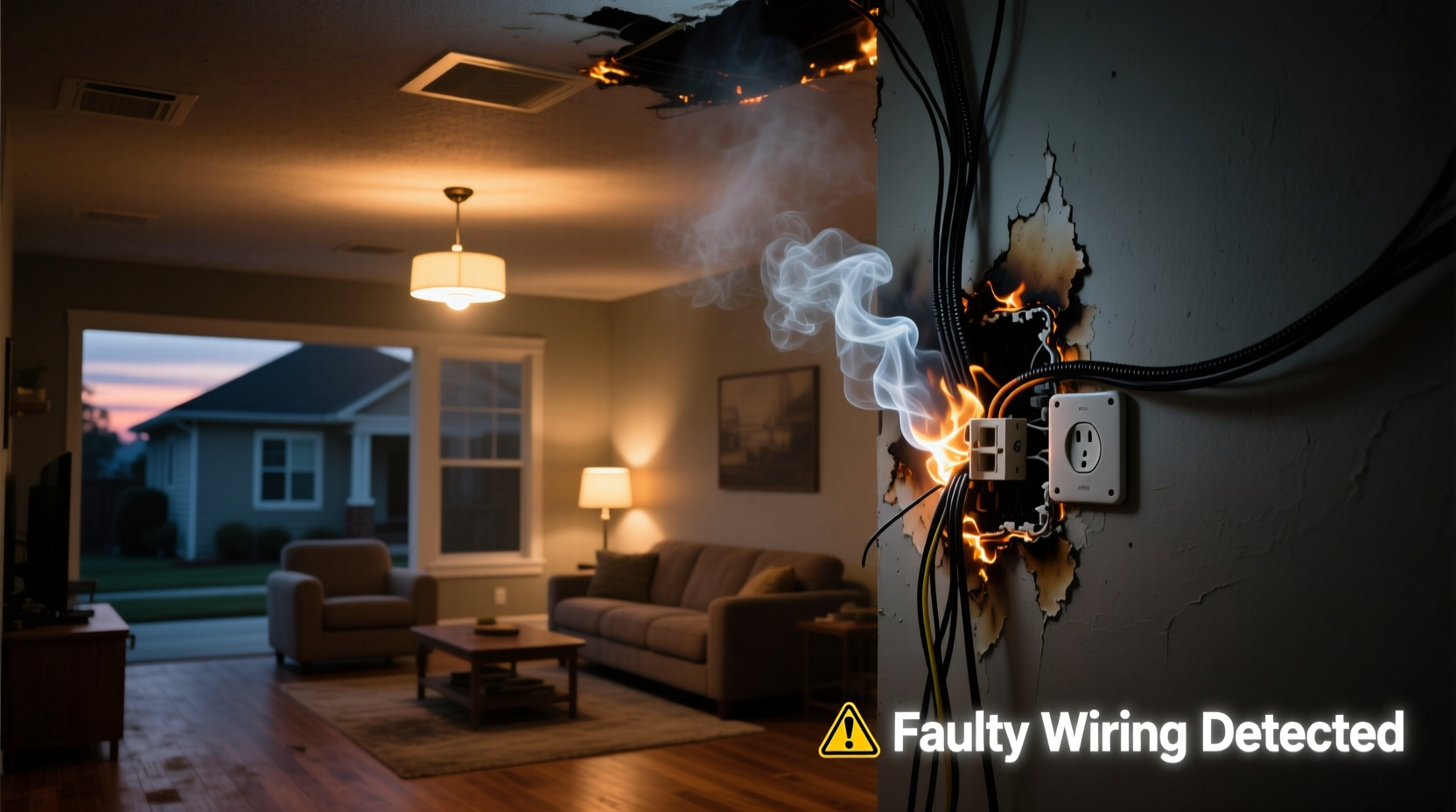
Surprisingly, electrical malfunctions can sometimes smell like burning wood. Overheated wires, outlets, or circuit breakers can give off a woodsy, smoky odor. This is because the plastic or insulation can smell similar to burning wood when it heats up. If you suspect an electrical issue:
- Turn off power to the affected area
- Call a licensed electrician
Never ignore electrical smells. Fires can start inside walls, where you can’t see them.
4. Hvac System Malfunctions
Your heating, ventilation, and air conditioning (HVAC) system can sometimes spread burning wood smells. Dust inside ducts can burn when you first turn on the heat after months of no use. But if the smell is strong or doesn’t go away, it might be:
- A burned-out motor or belt
- Debris in ducts or on heating elements
Check your furnace filters regularly and schedule routine maintenance.
5. Water Damage Or Mold
Rotting wood caused by water leaks or mold can sometimes smell like old, burnt wood. If you notice the odor after rain or near damp areas, inspect for water leaks. Mold can also produce earthy, smoky odors as it breaks down wood.
6. Previous Fire Damage
If your home has ever had a fire—even a small one—soot and smoke residue can remain trapped in walls, floors, or ceilings. This can release odors every time humidity rises or temperatures change. Special cleaning may be required to fully remove these smells.
7. Outdoor Sources Entering The House
Sometimes the smell is not from inside at all. Wildfires, neighbors burning wood, or outdoor fire pits can send smoke into your home through:
- Open windows
- Poorly sealed doors
- Attic or roof vents
Check wind direction and ask neighbors if they’re burning anything.
8. Candles, Incense, Or Cooking
Burning candles, especially those with wooden wicks, or incense can mimic the scent of burning wood. Even certain types of cooking—like grilling or roasting—produce similar odors.
9. Pest Infestations
Some pests, like rodents, will chew on wood or wires. When nests are built near heat sources or electrical equipment, this can produce a burning smell similar to wood.
10. Structural Problems
Old homes with aged wooden beams may release smells if they become overheated from nearby heat sources, or if they are slowly charring due to hidden electrical faults. These situations are rare but serious.
Health And Safety Risks Of Burning Wood Smell
It’s easy to dismiss the smell as a minor annoyance, but the risks are real. Here’s why you should never ignore it:
Fire Hazard
The most serious risk is an unnoticed fire or smoldering material. Even a slow, hidden burn inside a wall can lead to a major house fire. Electrical faults, flue blockages, or overheated appliances are common sources.
Carbon Monoxide
Burning wood produces carbon monoxide (CO), an invisible, odorless gas that can be deadly. If your fireplace, stove, or chimney is not working properly, CO can build up indoors. Symptoms include headache, dizziness, and nausea.
Respiratory Problems
Wood smoke contains fine particles and chemicals that irritate lungs. Children, elderly people, and those with asthma are most at risk. Long-term exposure can worsen breathing problems.
Toxic Chemicals
Creosote and other byproducts of burning wood are toxic. Touching, inhaling, or even just having them in your air can be harmful.
Mold And Allergens
If the smell is due to water damage, mold spores may be present. These cause allergies and, in some cases, serious lung infections.
Credit: www.alibaba.com
How To Trace The Source Of Burning Wood Smell
Finding the source of a burning wood smell can be tricky. Here are steps you can follow:
- Check Obvious Sources: Is the fireplace or wood stove in use? Is there a candle, incense, or recent cooking that could explain the smell?
- Inspect Electrical Outlets and Appliances: Feel for heat (carefully) near outlets, switches, and appliances. If anything feels warm or smells stronger, turn off power and investigate further.
- Examine the HVAC System: Remove filters and look for signs of burning or melting. Dust or debris can cause a temporary smell, but burning odors that persist should be checked by a professional.
- Look for Signs of Water Damage: Check under sinks, behind toilets, around windows, and in basements for damp or rotting wood.
- Go Outside and Smell the Air: Sometimes, outdoor fires or wildfire smoke are the cause. If the smell is stronger outside, close windows and wait for the air to clear.
- Check the Attic and Basement: These areas often hide problems like old wiring, pest nests, or moldy wood.
- Listen for Unusual Sounds: Crackling or popping can mean something is burning or overheating.
Non-obvious Tips
- Use Your Nose in Different Rooms: The location where the smell is strongest often points to the source. Move from room to room, sniffing near vents, walls, and ceilings.
- Check at Different Times of Day: Sometimes the smell is only present at night or when the heating system cycles on. Take notes on when and where you notice it.
What To Do If You Smell Burning Wood In Your Home
If the smell is strong, sudden, or comes with smoke, act fast:
- Evacuate if Necessary: If you see smoke, feel heat, or hear alarms, leave the house and call emergency services.
- Shut Down Potential Sources: Turn off the HVAC system, close the fireplace damper, and unplug electrical devices.
- Open Windows if Safe: Ventilate the home to reduce exposure to fumes.
- Call Professionals: For any persistent, unexplained odor, contact a licensed electrician, chimney sweep, or HVAC technician.
- Use Detectors: Install and check smoke alarms and carbon monoxide detectors. These are essential for warning you before danger becomes severe.
- Document the Problem: Write down when and where you notice the smell. This helps professionals track the source.
Prevention: Keeping Burning Wood Odors Out
Prevention is always better than dealing with a crisis. Here’s how you can reduce the risk:
Regular Maintenance
- Chimney cleaning: At least once per year, or more if you burn a lot of wood.
- HVAC servicing: Schedule checks for your furnace and ducts before each heating season.
- Electrical inspection: Every few years, have an electrician check wiring, especially in older homes.
Smart Use Of Fireplaces And Stoves
- Only burn dry, seasoned wood
- Keep damper fully open during burning
- Never leave fires unattended
- Dispose of ashes safely, in metal containers
Home Sealing
- Weatherstrip doors and windows to keep outdoor smoke out
- Check and seal attic and roof vents
Air Quality Management
- Use HEPA air purifiers to remove smoke particles
- Change HVAC filters often
Watch For Water Leaks
- Repair roof, pipe, or foundation leaks quickly
- Use dehumidifiers in damp areas
When To Call A Professional
Some situations always require expert help:
- Persistent burning smell with no clear source
- Smoke alarms or CO detectors going off
- Visible smoke without an obvious fire
- Old homes (wiring and chimneys may not meet modern safety codes)
- After a fire (to check for hidden damage)
If you’re not sure, it’s always safer to call a professional.
Common Myths About Burning Wood Smell
Many homeowners believe certain things about burning smells that just aren’t true. Clearing up these myths can help you stay safer.
Myth 1: “if I Don’t See Smoke, It’s Not Dangerous”
Fires can smolder inside walls for hours before showing visible signs. Electrical fires, especially, can be hidden.
Myth 2: “it’s Just Leftover Fireplace Smell”
While a faint scent can linger after using a fireplace, strong, persistent odors mean something is wrong—like poor ventilation or a blocked flue.
Myth 3: “my House Is Too New For Problems”
New homes can have construction debris or poorly installed wiring that causes burning smells. Always investigate.
Myth 4: “i’ll Get Used To The Smell”
You may stop noticing the odor, but the problem—and the risk—remains. Rely on detectors, not your nose alone.
Myth 5: “air Fresheners Will Fix It”
Covering the smell doesn’t fix the underlying issue. It can even make it harder to notice a serious problem.
Real-life Examples And Data
Understanding how often burning wood smells lead to real danger can help you take the problem seriously.
- According to the National Fire Protection Association (NFPA), over 25% of home heating fires each year are caused by fireplaces, chimneys, or chimney connectors.
- Electrical failures or malfunctions are the second leading cause of home fires in the U.S.
- In homes with wood-burning stoves, improper installation or poor maintenance accounts for most fire-related incidents.
Case Example 1: The Hidden Electrical Fire
A family noticed a faint burning wood smell in their living room for days. There was no fireplace in use. After calling an electrician, they discovered old wiring inside the wall was overheating and had already charred the wood framing.
Fixing it early avoided a major fire.
Case Example 2: Chimney Blockage
Every winter, a homeowner noticed strong burning smells, but no visible smoke. A chimney sweep found a bird’s nest blocking the flue and a dangerous buildup of creosote. After cleaning, the smell disappeared and the risk of chimney fire was removed.

Credit: elite-chimney.com
Comparing Causes: How To Tell The Difference
It can be hard to tell where a burning wood smell comes from. Here’s a comparison:
| Source | Smell Strength | Other Signs | Immediate Action |
|---|---|---|---|
| Fireplace in use | Mild-Strong | Visible fire, smoke, soot | Check damper, ventilate |
| Chimney blockage | Strong, persistent | Backdraft, soot stains | Stop use, call sweep |
| Electrical issue | Strong, sharp | Heat, outlets, flickering lights | Turn off power, call electrician |
| HVAC problem | Mild-Moderate | Starts with system use, dust in air | Check filters, call technician |
| Outdoor source | Varies | Smell stronger outside, wind | Close windows, air purifiers |
Detailed Steps: Diy Inspection Checklist
If you want to check things yourself before calling a professional, follow this inspection path:
- Check all fireplaces, stoves, and chimneys for open dampers or visible blockages.
- Inspect your HVAC system: Look at filters, vents, and the furnace for burned dust or debris.
- Test all smoke and CO detectors to ensure they are working.
- Smell each room: Identify where the odor is strongest.
- Feel outlets and switches for heat.
- Look for water stains on walls or ceilings.
- Check for pest signs: Droppings, nests, or chewed wood.
If you find anything unusual, stop using the suspected area and call a professional.
Table: Maintenance Schedule For Homeowners
Regular checks can prevent most burning wood smells and reduce fire risk.
| Task | Frequency | Who Should Do It |
|---|---|---|
| Chimney cleaning | Once a year | Professional sweep |
| HVAC servicing | Once a year | HVAC technician |
| Electrical inspection | Every 3-5 years | Licensed electrician |
| Check smoke/CO detectors | Every 6 months | Homeowner |
| Look for water leaks | Quarterly | Homeowner |
Non-obvious Insights Most People Miss
- Humidity and temperature changes can release trapped odors from walls, floors, or ceilings, even years after a fire or water damage.
- Negative air pressure in homes (from kitchen/bathroom fans or leaky ducts) can draw outdoor smoke inside, especially during wildfires.
- New furniture or construction can also emit wood-like burning smells if adhesives or finishes overheat.

Credit: www.reddit.com
Useful Resources
If you want more technical information on fire safety, the U.S. Fire Administration offers guidance on home fire hazards and prevention. For details, visit the U.S. Fire Administration.
Frequently Asked Questions
What Should I Do First If I Smell Burning Wood But Can’t Find The Source?
First, check for obvious sources like fireplaces or candles. Turn off the HVAC system and electrical appliances in the affected area. If you can’t find the cause quickly, leave the house and call emergency services. Safety comes first.
Is It Normal To Smell Burning Wood When I Start My Furnace?
A light burning smell is common the first time you use your furnace each season, as dust burns off. If the smell is strong, lasts more than an hour, or comes with smoke, turn off the system and call a technician.
Can A Burning Wood Smell Make Me Sick?
Yes. Wood smoke contains fine particles and chemicals that can irritate your lungs and eyes. If the source is mold or electrical burning, other health risks exist. Always find and fix the cause.
How Do I Prevent My House From Smelling Like Burning Wood?
Regularly clean your chimney, service your HVAC system, check for water leaks, and seal windows and doors. Use air purifiers to improve indoor air quality, and never ignore unexplained odors.
When Should I Call A Professional For A Burning Smell?
Call a professional if the smell is strong, persistent, or you can’t find the cause. If any alarms sound, or you notice heat, smoke, or other fire signs, call emergency services immediately.
A burning wood smell in your house should never be ignored. Whether it’s a sign of a hidden fire, poor air quality, or just a maintenance issue, taking action protects your home and your health. Stay alert, maintain your systems, and trust your instincts—if something smells wrong, it’s always better to be safe than sorry.