
Many people dream of having a backyard pool where they can relax and cool off during hot days. But before you set up your above-ground pool, you face an important choice: what should go under the pool? For years, most people used sand as the base, but now more pool owners are choosing foam board instead. This shift is not just a trend. Foam board offers real benefits that can make your pool experience better and your pool last longer. If you’re wondering whether to put foam board under your pool instead of sand, this guide will help you make a smart decision.
You’ll learn how foam board compares to sand, the installation process, costs, long-term care, and what mistakes to avoid. You’ll also see real examples and get answers to common questions. With this knowledge, you can protect your investment, avoid headaches, and enjoy your pool for many summers.
Why Does The Pool Base Matter?
The surface under your pool affects everything: comfort, safety, and the pool’s lifespan. If the base is uneven or rough, you might feel rocks or sticks under your feet. Worse, sharp objects can puncture the liner, causing leaks. A poor base can also make the pool lean to one side, which is dangerous and can damage the frame.
Choosing the right base is about more than just comfort. It’s about protecting your pool from wear and tear, and making sure your investment lasts. That’s why it’s worth looking closely at the materials available, especially foam board and sand.
What Is Foam Board And How Does It Work?
Foam board is a rigid insulation material made from polystyrene or polyurethane. It comes in large, flat sheets, usually in sizes like 4×8 feet. You can find it at most home improvement stores. Foam board is light, easy to cut, and provides a smooth, even surface.
When you put foam board under a pool, it acts like a cushion. It spreads the weight of the water and people inside the pool across the ground. This helps prevent dents, wrinkles, and punctures in the pool liner. Foam board also acts as a barrier, keeping moisture and roots from coming up into the pool.
How Does Sand Compare To Foam Board?
Sand has been the traditional choice for many years. It’s cheap, easy to spread, and helps level the ground. But sand also has some downsides. It can shift over time, especially if it gets wet. Animals like ants sometimes build nests in sand, which can create soft spots. Sand also doesn’t give as much cushion as foam board.
Here’s a simple comparison to help you see the differences:
| Feature | Foam Board | Sand |
|---|---|---|
| Comfort | Softer, smooth feel underfoot | Can feel rough or uneven |
| Protection | Excellent puncture barrier | Good, but can shift or hide sharp objects |
| Stability | Does not shift or erode | Can move and settle over time |
| Installation | Requires cutting and fitting | Simple to pour and spread |
| Cost | Higher upfront | Lower upfront |
Benefits Of Using Foam Board Under A Pool
Many pool owners switch to foam board for its unique advantages. Here are the main benefits:
1. Superior Comfort
Foam board creates a soft, even surface that feels good under your feet. You won’t feel small rocks, sticks, or bumps. This is especially important for kids who play in the pool for hours.
2. Better Protection For The Pool Liner
Pool liners are expensive to replace. Foam board acts as a shield, protecting the liner from sharp objects, roots, and rough ground. This can help your liner last years longer.
3. Reduces Risk Of Punctures
Foam board’s dense structure makes it hard for sharp objects to poke through. Sand can hide sharp debris, but foam board keeps them away from the liner.
4. Prevents Uneven Settling
Sand can wash away or settle unevenly, causing the pool to lean. Foam board stays in place and keeps the pool level, even if the ground shifts a little.
5. Insulation
Foam board provides thermal insulation. This means the water in your pool stays warmer, so you can swim longer each season.
6. Moisture Barrier
By blocking moisture from the ground, foam board can prevent mold and mildew under the pool. This keeps your pool area healthier.
7. Insect Barrier
Unlike sand, foam board is not attractive to ants and other bugs. This reduces the risk of nests under your pool.
8. Easier To Move Or Remove
If you ever want to take down the pool, foam board is easy to pick up and reuse. Sand can be messy and hard to clean up.
9. Cleaner Pool Water
Less dirt and sand get into the water when you use foam board, because it doesn’t break down or get tracked in.
Drawbacks Of Using Foam Board
No material is perfect. Foam board has a few downsides you should know:
1. Higher Initial Cost
Foam board usually costs more than sand at first. But the long-term savings (less liner damage, fewer repairs) can make up for it.
2. Installation Takes More Effort
You need to measure, cut, and fit the foam board. It’s not as simple as dumping out bags of sand.
3. Vulnerability To Uv And Animals
If left exposed, foam board can break down in sunlight. Some animals might try to chew or nest in it if it’s not covered by the pool liner.
4. Requires A Flat Surface
Foam board works best on a flat, compacted area. Any dips or bumps in the ground can show up in your pool.
How To Install Foam Board Under A Pool
Many people think foam board is hard to install. In reality, it’s manageable if you follow the steps carefully. Here’s a practical guide:
Step 1: Choose The Right Foam Board
Look for extruded polystyrene (XPS) foam board. It’s dense, water-resistant, and holds up well under pressure. Boards are usually 1 inch thick. Thicker boards give even more protection.
Step 2: Prepare The Ground
- Remove grass, rocks, roots, and debris from the area.
- Use a shovel and rake to make the ground as flat as possible.
- Compact the soil with a tamper or roller. A flat, firm base is important.
Step 3: Lay A Ground Cloth (optional)
Some people add a ground cloth (a thin layer of landscaping fabric) before the foam board. This helps protect the foam from soil and adds a moisture barrier.
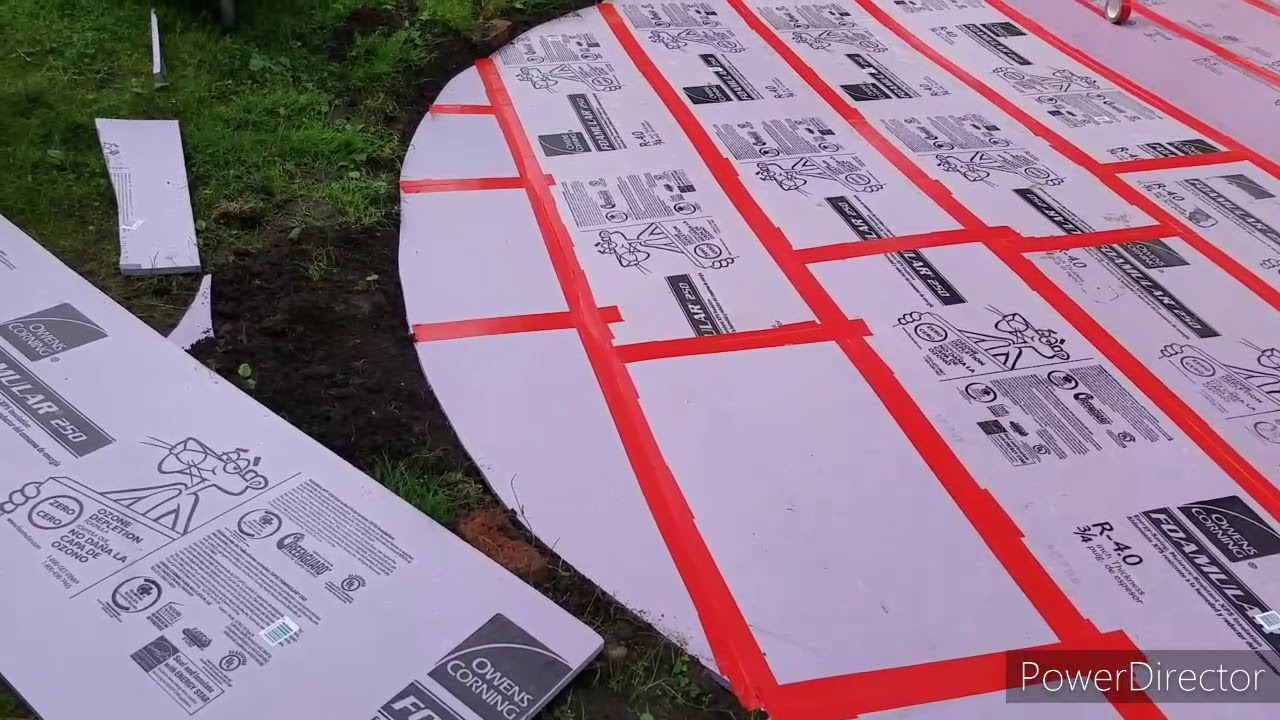
Step 4: Cut And Fit The Foam Board
- Lay the foam boards edge to edge, covering the whole pool area.
- Use a sharp utility knife to cut boards to size.
- Stagger the seams like bricks for more strength.
- Tape the seams with waterproof tape to prevent shifting.
Step 5: Place A Pool Liner Pad (optional)
A pool liner pad is a fabric layer that goes on top of the foam board. It helps prevent liner wear and adds extra protection.
Step 6: Set Up The Pool
Follow the pool manufacturer’s instructions to install the frame and liner. The foam board should be fully covered and protected from sunlight.
Step 7: Check For Gaps Or Low Spots
Walk around the edge and press gently with your feet. Fill any low spots with extra foam or soil as needed.
Step 8: Finish And Fill
Once everything is level and in place, you can fill the pool with water.
Cost Comparison: Foam Board Vs. Sand
Many people worry about the cost of foam board. Let’s break down the numbers so you can see the full picture.
Upfront Material Costs
Suppose you have a 15-foot round pool:
- Foam board: You’ll need about 7-8 sheets (4×8 feet each). At $15 per sheet, that’s $120.
- Sand: About 2,000 pounds (1 ton) is needed. At $50 per ton, that’s $50.
But this is just the beginning.
Other Costs
- Tools: Foam board may need a utility knife, tape, and possibly a ground cloth. Sand needs a shovel and rake.
- Delivery: Heavy sand may require delivery fees. Foam board is light and fits in most cars.
Long-term Costs
Foam board can save money over time:
- Fewer liner replacements: Liner damage is expensive ($200–$500 to replace).
- Less maintenance: Foam board reduces shifting, so you won’t have to fix the base each year.
Here’s a quick summary:
| Item | Foam Board Cost | Sand Cost |
|---|---|---|
| Material (for 15’ pool) | $120 | $50 |
| Tools & Supplies | $30 | $10 |
| Delivery (if needed) | $0-$40 | $20-$70 |
| Long-term Repairs | Low | Medium to High |
Insight: Many first-time buyers focus only on the initial price. But it’s smarter to look at the total cost over the life of your pool.
Real-world Experiences: Foam Board Success Stories
Some pool owners worry foam board is a “new trick” with unknown results. But many people have used it for years and share positive stories:
- One family in Florida said, “Our pool liner lasted 8 years instead of 4 thanks to foam board. It feels great and we’ve never had a puncture.”
- Another user posted photos online showing how their foam base kept the pool level, even when heavy rains washed out their neighbor’s sand base.
- In colder areas, some owners noticed their pool water stayed warmer with foam board, allowing them to swim earlier in the spring.
Non-obvious insight: Many people don’t realize that foam board can be reused if you move your pool, unlike sand, which is hard to clean up and reuse.
Common Mistakes To Avoid With Foam Board Installation
Switching from sand to foam board is easy if you plan well. Here are mistakes that can ruin your results:
1. Not Compacting The Ground
Foam board needs a solid, flat base. If the ground is soft or bumpy, the foam can shift or compress unevenly.
2. Using The Wrong Type Of Foam
Always use extruded polystyrene (XPS), not white “bead board” (expanded polystyrene), which breaks down easily.
3. Leaving Gaps Or Unsealed Seams
If boards aren’t taped together, they can separate, creating bumps or gaps under your pool.
4. Skipping Edge Protection
If the foam board sticks out past the pool, it can break down in sunlight. Trim it flush with the pool edge.
5. Ignoring Insects And Rodents
While foam board is less attractive than sand, some animals might still try to chew it. Make sure your base is clean and covered.
Foam Board Vs. Other Pool Base Options
While sand and foam board are the most popular, a few other materials are sometimes used:
- Concrete slabs: The most durable, but expensive and permanent.
- Patio blocks: Good for supporting pool legs, but not for the whole base.
- Carpet padding or old rugs: Used by some DIYers, but these materials can rot and do not protect as well as foam board.
Here’s a quick overview:
| Base Material | Protection Level | Comfort | Cost | Ease of Removal |
|---|---|---|---|---|
| Foam Board | High | Soft | Medium | Easy |
| Sand | Medium | Medium | Low | Medium |
| Concrete | Very High | Hard | High | Hard |
| Carpet/Rugs | Low | Soft | Low | Easy |
Maintenance And Longevity
A good pool base should last as long as your pool—or longer. Foam board stands out because:
- It doesn’t break down from water.
- It resists mold and mildew better than organic materials.
- It can be reused if you move your pool.
Foam board can last 8–10 years with proper care, which matches or beats most above-ground pool liners.
Advanced tip: Some owners add a thin layer of sand *on top* of the foam board for extra comfort, but this is not needed for most people.
Environmental Impact
Many people want to know: is foam board eco-friendly? Foam board is made from plastic, so it’s not as “green” as sand. However, it’s reusable and long-lasting. If you move your pool, you can use the foam board again, while sand is often wasted.
If you want to recycle foam board, check with your local waste authority. Most communities have special collection programs for polystyrene products.
Non-obvious insight: Because foam board reduces the need for liner replacements, it can actually lower your overall environmental impact.

Credit: www.troublefreepool.com
Is Foam Board Right For Every Pool?
Foam board works best for above-ground pools with vinyl liners. Most owners of round and rectangular pools (10–24 feet) are very happy with foam board. For very large or heavy pools, you may need to combine foam board with a compacted sand or gravel base for extra support.
If you have an in-ground pool, foam board is not usually used. The installation process for in-ground pools is different and requires concrete or compacted gravel.
Practical Tips For First-time Installers
1. Buy A Little Extra
Mistakes happen. Buy one or two extra sheets of foam board so you don’t run out during installation.
2. Work In Cool Weather
Foam board is easier to cut and handle when it’s not too hot. Early morning or late afternoon is best.
3. Ask For Help
Large sheets can be awkward alone. Get a friend or family member to help you lay the boards flat.
4. Double-check Measurements
Before cutting, measure twice. A wrong cut can waste material.
5. Store Leftovers
Keep extra foam board pieces in a dry place. They’re handy for repairs or other projects.
Credit: www.youtube.com
What Experts Say
Many pool professionals now recommend foam board as the best option for most above-ground pools. According to the Pool & Spa Chemicals Direct, foam board gives better liner protection, reduces maintenance, and improves comfort.
Frequently Asked Questions
Does Foam Board Make The Pool Water Warmer?
Yes, foam board acts as an insulator. It slows down heat loss to the ground, so your pool water stays warmer, especially at night or in cooler weather.
Can I Use Foam Board With An Oval Or Rectangular Pool?
Absolutely. Foam board can be cut to fit any pool shape. Just measure carefully and cut the boards to match your pool’s footprint.
Will Foam Board Break Down Or Rot Over Time?
Foam board is made from polystyrene, which does not rot or absorb water. As long as it’s covered by your pool liner, it can last many years without breaking down.
Do I Still Need To Level The Ground If I Use Foam Board?
Yes! Foam board works best on a flat, compacted surface. It does not fix large bumps or dips. Always prepare the ground before installing the foam.
Is Foam Board Safe For Kids And Pets?
Foam board is safe when used as a pool base. However, pets or wildlife may chew exposed edges. Make sure the foam board is fully covered by the pool liner and trimmed at the edges.
.jpg)
Credit: blog.royalswimmingpools.com
Final Thoughts
Choosing foam board under your pool instead of sand is a smart move for many pool owners. You get a softer feel, better protection for your liner, and fewer worries about shifting or pests. While the upfront cost is higher, the long-term savings and comfort are hard to beat. With careful installation and a little planning, you can enjoy your pool for many years—without sore feet, cold water, or costly repairs. If you want a base that’s modern, reliable, and low-maintenance, foam board is worth your consideration.