
Many people want their kitchen to look neat and work well. They often hide pipes, hoses, and other plumbing parts under the sink. But when it comes to the dishwasher air gap, things get confusing. Can you put a dishwasher air gap under the sink and still be safe? Or does it always need to show above the counter? This article will guide you through everything you need to know about dishwasher air gaps—what they do, why they matter, and where they must go. By the end, you’ll know what’s right for your kitchen and your local plumbing code.
What Is A Dishwasher Air Gap?
A dishwasher air gap is a small device that prevents dirty water from the sink or drain from flowing back into your dishwasher. It usually sits on the countertop, right next to your sink faucet. You may have seen a small metal or plastic “cap” near the sink—that’s the air gap.
How Does It Work?
Inside the air gap, there are two hoses:
- One hose comes from the dishwasher and brings dirty water out.
- The other hose sends that water into the sink drain or garbage disposal.
There’s a space (the “air gap”) between these hoses. If the sink drain gets blocked, dirty water can’t flow backward into the dishwasher because of this gap. Instead, the water will spill out onto the counter, letting you know there’s a problem.
Why Do Modern Kitchens Need Air Gaps?
Dishwashers use high-pressure water to clean dishes. If there’s a clog in the drain, contaminated water can flow backward. Without an air gap, this water could mix with your freshly washed dishes. Air gaps are required in many places by plumbing codes to protect you from this risk.
The Main Question: Can You Put An Air Gap Under The Sink?
This is a common question from homeowners and even some plumbers. The short answer is: No, you cannot install a dishwasher air gap under the sink if you want to meet most building codes and ensure true protection. Let’s explore why.
Plumbing Code Requirements
The most widely used plumbing code in the United States is the Uniform Plumbing Code (UPC). It clearly states the air gap must be:
- Located above the flood level rim of the sink.
- Clearly visible and accessible.
Other codes, like the International Plumbing Code (IPC), have similar requirements. The reason is simple: if the air gap is hidden under the sink, a blocked drain might force dirty water back into the dishwasher without anyone noticing. The air gap needs to be above the sink so water can escape safely where you’ll see it.
What Happens If You Hide The Air Gap?
If you place the air gap under the sink, you create three major problems:
- No visual warning: If a backup happens, you won’t see water coming out. Dirty water could quietly enter your dishwasher.
- Code violation: If you sell your home or get inspected, you’ll likely fail. That could mean redoing your plumbing.
- Health risk: The whole point of the air gap is to stop contaminated water. Placing it below the sink removes this protection.
Why Are People Tempted To Hide The Air Gap?
Many people don’t like how the air gap looks on their countertop. It can break up the clean lines of a modern kitchen. Some designers try to hide it for looks, but this is not worth the risk. There are ways to choose a more attractive air gap cover, but hiding it under the sink is not a safe solution.
How The Dishwasher Air Gap Is Meant To Be Installed
Understanding the correct installation helps you see why location matters.
- Drill a Hole in the Countertop: The air gap is usually installed through a small hole (7/8-inch to 1-1/4-inch) next to the sink faucet.
- Connect the Dishwasher Drain Hose: This hose brings waste water from the dishwasher to the air gap inlet.
- Connect the Outlet Hose: A second hose runs from the air gap to the sink drain or garbage disposal.
- Secure the Air Gap: The device is fastened in place, with the head visible above the counter.
- Test for Leaks: Run the dishwasher to check for leaks and proper drainage.
Visualizing Standard Air Gap Placement
Here’s a simple comparison of two installation types:
| Above the Sink | Under the Sink |
|---|---|
| Meets code requirements | Violates most codes |
| Visible and accessible | Hidden, hard to inspect |
| Protects dishwasher from backflow | Risk of contamination |
| Shows leaks or blockages clearly | Leaks may go unnoticed |
The Science Behind Air Gaps
Air gaps use a simple physical principle to keep your water safe. When there’s a space filled with air between two pipes, water can’t jump backward through the air. This is called a “break in the path of contamination.”
If your drain is blocked, water will find the easiest way out—usually spilling through the air gap and onto the counter. That’s why it must be above the sink.
Why Not Use A High Loop Instead?
In some places, people use a high loop instead of an air gap. This means the dishwasher drain hose is attached high up under the countertop, then loops down into the drain. While this is better than nothing, it’s not as safe as a real air gap. High loops can slow down backflow but cannot stop it if the drain is badly clogged.
Some plumbing codes allow high loops, but most require air gaps, especially in new homes or remodels.
Regional Plumbing Code Differences
Not every place has the same rules. Here’s a look at different regions:
- California, Washington, and many West Coast states: Air gap above the sink is mandatory.
- Some Midwestern and Southern states: May allow high loop if local code accepts it.
- Canada: Local rules vary, but air gaps are recommended for safety.
- Europe: Many European countries use high loops, but air gaps are growing in popularity.
If you’re not sure about your area, check with your local building department. They will know what’s required for your kitchen.
Common Air Gap Myths
Many homeowners and even some handymen believe things about air gaps that aren’t true. Let’s clear up a few myths:
- Myth: “Air gaps are optional if you have a modern dishwasher.”
- Fact: Most codes still require air gaps, no matter how new your dishwasher is.
- Myth: “A high loop is just as safe as an air gap.”
- Fact: High loops help, but only air gaps provide complete protection.
- Myth: “If my air gap is under the sink, it’s still working.”
- Fact: If it’s under the sink, it’s not really an air gap anymore.
- Myth: “You only need an air gap if you have a garbage disposal.”
- Fact: You need an air gap whenever a dishwasher connects to the drain.
How Codes Are Enforced
Building codes aren’t just suggestions. If you remodel your kitchen, sell your home, or get a building permit, an inspector will check your dishwasher drain connection.
If the air gap is under the sink, you’ll probably have to move it above the counter to pass inspection. This can mean extra cost and work. Even if you’re not selling, having a code violation can cause problems with home insurance or future repairs.
Are There Any Exceptions?
Some local codes allow for alternatives in special situations. For example:
- High Loop Allowed: A few places will let you use a high loop if there’s no room for an air gap. However, this is becoming less common.
- Special Devices: In rare cases, new devices that mimic the air gap’s function may be allowed, but you’ll need written approval from your city.
- Older Homes: If your kitchen is very old and not being remodeled, you might be “grandfathered in” and not have to change the plumbing.
If you want to know for sure, contact your city’s building department or check their website for plumbing requirements.
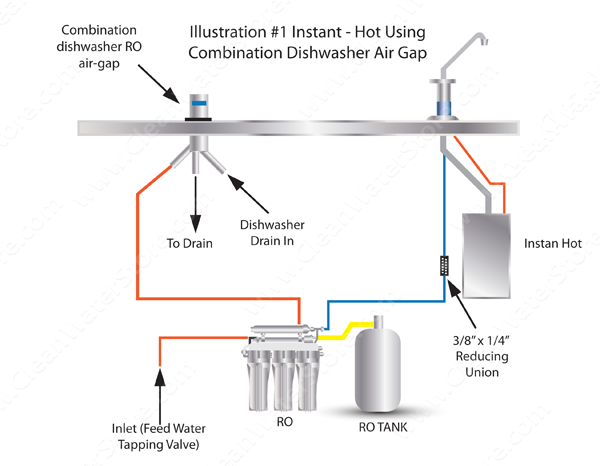
Credit: www.cleanwaterstore.com
What If You Already Have An Air Gap Under The Sink?
If you discover your air gap is under the sink, here’s what you should do:
- Consider Moving It: The safest option is to move the air gap above the counter. This may require drilling a new hole and adding a new cover, but it’s worth it for health and code reasons.
- Talk to a Plumber: A professional can tell you if your setup is safe or needs an upgrade.
- Check Local Rules: Some places may give you time to change the installation, but most will want it fixed for any major kitchen project.
Comparing Air Gap, High Loop, And No Device
Let’s see how these methods differ in real-world situations:
| Method | Backflow Protection | Code Compliance | Visual Warning | Difficulty of Installation |
|---|---|---|---|---|
| Air Gap (Above Sink) | Excellent | Yes (in most areas) | Yes | Moderate |
| High Loop | Good (not perfect) | Sometimes | No | Easy |
| No Device | Poor | No | No | Easy |
As you can see, only a real air gap above the sink gives the best safety and meets most codes.
Non-obvious Insights For Homeowners
Many people miss these two important points:
- Countertop Water Is a Warning: If water comes out of your air gap onto the counter, it’s not just a mess—it’s a sign your drain needs fixing. Don’t just wipe it up and ignore the problem. Clean the drain before using the dishwasher again.
- Hidden Air Gaps Can Cause Mold: If you hide the air gap under the sink, leaks might go unnoticed. This can create mold or water damage inside your cabinets. Visible air gaps prevent long-term hidden problems.
How To Make Air Gaps Less Noticeable
If you don’t like how an air gap looks, you have options:
- Designer Covers: There are many stylish covers in chrome, matte black, or even custom finishes.
- Integrated Faucets: Some high-end faucets have built-in air gaps, but these are rare and must still meet code.
- Placement Choices: You can place the air gap at the far end of the sink to keep it less visible, as long as it’s still above the rim.
Never try to cover the air gap with tape or other materials. This can block the vent and cause bigger problems.
Real-world Examples
- Homeowner in California: Moved their air gap under the sink during a remodel. Failed inspection and had to pay to move it back.
- Restaurant Inspection: A small restaurant hid the air gap for looks. An inspector noticed during a routine check, and they had to close for a day to fix it.
- Leaky Cabinet: A family found mold under their sink from a hidden air gap that leaked for months without anyone noticing.
All these examples show why following the correct placement rules matters.
The Role Of Dishwashers In Water Safety
Dishwashers are connected directly to your home’s water supply and drain system. If dirty water gets back into the dishwasher, it can spread germs or chemicals onto your dishes. This is especially risky for children, the elderly, or anyone with a weak immune system.
Using a proper air gap is a simple and reliable way to protect your family’s health. It’s a small device, but it plays a big role in keeping your kitchen safe.

Credit: www.tampaapplianceparts.com
How To Check Your Existing Installation
Not sure if your dishwasher has an air gap or if it’s installed correctly? Here’s what to do:
- Look for a Small Cap: Check the countertop near your sink faucet. If you see a small, round cap, that’s likely the air gap.
- Open the Cabinet: Look under your sink. Follow the drain hose from the dishwasher. If it goes up to the countertop and connects to a small device, you have a standard air gap.
- Check the Code: If there’s no air gap, or it’s hidden, call a plumber or your local building department for advice.
Tips For Working With Plumbers And Inspectors
- Ask for Code Compliance: Make sure your plumber follows local codes, not just what’s easiest.
- Get It in Writing: If you’re allowed to use a high loop or special device, get written approval from your city.
- Plan Ahead: If you’re remodeling your kitchen, plan the air gap location before the countertop is installed. This avoids costly changes later.
- Keep Records: Save receipts and inspection reports in case you sell your home or have future repairs.
Cost Of Air Gap Installation
Installing a standard air gap is usually inexpensive compared to other kitchen plumbing work. Here’s a rough cost comparison:
| Installation Type | Estimated Cost (USD) | Includes |
|---|---|---|
| DIY Air Gap | $15 – $40 | Parts only |
| Professional Install | $75 – $200 | Parts and labor |
| Relocation (if hidden) | $150 – $350 | New hole, labor, parts |
The extra cost for doing it right is small compared to the risk of water damage or health problems from a bad installation.
What To Do If You Don’t Want An Air Gap
If you strongly dislike air gaps, talk to your local building department. Some areas may allow a high loop or new technology, but you must get approval. Never just leave out the air gap—this can cause big problems later.
If you live in a place that requires an air gap, it’s best to accept the need for it and focus on choosing a style that matches your kitchen.
How To Maintain Your Dishwasher Air Gap
Even the best-installed air gap can get clogged with food or debris. Here’s how to keep yours working well:
- Check for Leaks: After running the dishwasher, look for water around the air gap.
- Clean Regularly: If water comes out, remove the cap and clean out any food or buildup.
- Use a Brush: A small bottle brush can help clean inside the air gap device.
- Call a Plumber for Major Problems: If cleaning doesn’t help, the drain line may be clogged.
The Future Of Dishwasher Drain Technology
Some newer dishwashers and plumbing devices try to offer alternatives to the traditional air gap. These include:
- Built-in air gaps: Some dishwashers have an internal air gap. However, codes may still require an external device.
- Smart drains: Advanced systems with sensors and alarms. Still, not common in most homes.
- Eco-friendly devices: Some products recycle rinse water and need different plumbing, but these are rare.
For now, the countertop air gap remains the simplest, most reliable way to protect your dishwasher and meet code.
Additional Resources
For more in-depth information, check the official Wikipedia Air Gap (Plumbing) article. This source explains more about plumbing codes and air gap technology.
Frequently Asked Questions
Why Do Plumbing Codes Require An Air Gap?
Plumbing codes require air gaps to protect your dishwasher from contaminated water. If your sink drain gets blocked, dirty water could flow backward into the dishwasher. The air gap provides a break in the pipe, making backflow impossible and keeping your dishes safe.
Is A High Loop Ever Allowed Instead Of An Air Gap?
Some local codes allow a high loop (running the drain hose high under the counter) instead of an air gap. However, this is less reliable and not accepted everywhere. Always check with your local building department before choosing a high loop.
Can I Use A Decorative Cover For My Air Gap?
Yes, you can use a decorative air gap cover as long as it does not block the vent. Many stores sell covers in different colors and styles to match your kitchen. Never seal or tape over the air gap.
What If My Air Gap Leaks Water Onto The Counter?
A leaking air gap usually means your sink drain or garbage disposal is blocked. The air gap is doing its job by stopping backflow. Clean the drain before using the dishwasher again to avoid bigger problems.
Can A Plumber Install An Air Gap Under The Sink If I Ask?
Even if a plumber agrees, installing an air gap under the sink will violate most codes and put your health at risk. It’s better to follow code and keep the air gap above the sink, where it’s visible and effective.
—
A dishwasher air gap is a small but important part of your kitchen plumbing. It must be installed above the sink to protect your dishwasher, pass inspections, and keep your family safe. While some people want to hide the air gap for style, the risks are not worth it.
Choose a good-looking cover if you care about design, but never move the air gap under the sink. If you’re not sure what your kitchen needs, talk to a professional plumber or your local building department—they’ll help you do it right.

Credit: www.tampaapplianceparts.com