
Moving a toilet on a concrete slab is a big decision. Many homeowners wonder if it’s possible, how much work is involved, and whether it’s worth the trouble. The idea sounds simple: just shift the toilet to a new spot. But the reality is more complex, especially when your bathroom floor is a solid concrete slab. If you’re thinking about changing your bathroom layout, or making space for a new feature, understanding the full process is essential. This guide explains everything you need to know about moving a toilet on a concrete slab—from practical steps to costs, challenges, and smart tips for making the right choice.
Understanding The Basics
Before starting, you need to know why moving a toilet is not as simple as moving other fixtures. Toilets connect to the main drain line and the water supply. On a concrete slab, these pipes are often buried underneath the slab itself, making changes difficult.
A toilet’s location is chosen for good reasons. The plumbing design ensures strong water flow, easy waste removal, and proper venting. Changing the location means altering the pipes under the concrete, which is much harder than in homes with wood floors or crawl spaces.
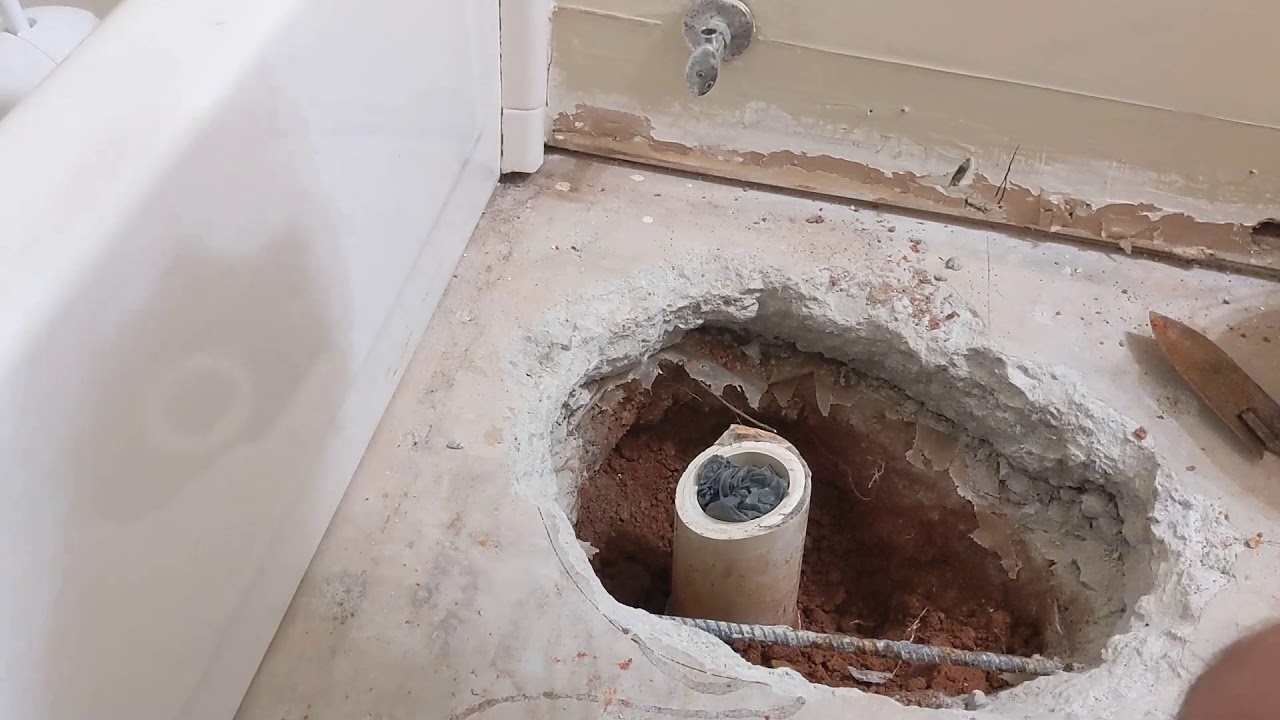
Most toilets sit on a closet flange—a special ring that connects the toilet to the drain pipe. On concrete, this flange is anchored to the slab. Moving it means breaking the concrete, rerouting pipes, and then re-sealing the floor.
Can You Move A Toilet On A Concrete Slab?
The short answer is: Yes, you can move a toilet on a concrete slab, but it’s challenging and often expensive. It’s not a DIY job for most people. The process involves breaking the concrete, moving the drain and water pipes, and restoring the slab afterward.
Let’s look at the main factors you need to consider:
Why Move A Toilet?
People want to move toilets for several reasons:
- Improving bathroom layout
- Creating space for a shower, tub, or vanity
- Accessibility needs
- Fixing plumbing problems
Each reason affects how far you want to move the toilet, which impacts the complexity and cost.
How Far Can You Move It?
You can move a toilet a few inches or several feet. But the farther you move, the more work is needed. Moving it more than a few feet means rerouting the drain line and possibly the vent stack. This can require major plumbing changes under the slab.
Most experts agree that moving a toilet up to 12 inches is usually easier. Beyond that, you may need to redesign the plumbing system.
Key Challenges
Moving a toilet on a concrete slab involves special challenges:
- Breaking concrete: You must cut or jackhammer the slab to reach the pipes.
- Rerouting drains: Drain pipes must slope correctly to carry waste away.
- Rerouting water supply: Pipes may need to be extended or moved.
- Restoring the floor: After moving the pipes, you must patch and level the concrete.
- Permits and codes: Plumbing changes require permits and must follow local building codes.
Step-by-step Guide: Moving A Toilet On A Concrete Slab
Here is a detailed look at what’s involved, from planning to finishing the job.
1. Planning And Design
Start with a clear plan. Measure the new location and check if there’s enough space. Think about:
- Minimum distance from walls (usually at least 15 inches from center of toilet to wall)
- Space for other fixtures
- Accessibility
Check if the existing drain line can be extended or rerouted. Look for obstacles under the slab, such as heating pipes or electrical lines.
2. Getting Permits
Most cities require a permit to move a toilet. Plumbing changes must meet building codes. Hire a licensed plumber, or consult your local building office.
3. Preparing The Area
Remove the toilet. Turn off the water supply, disconnect the pipes, and lift the toilet out. Remove the closet flange and inspect the drain.
Mark the new location. Use chalk or tape to outline where the toilet will sit.
4. Breaking The Concrete
This is the toughest part. Use a jackhammer or concrete saw to cut a trench from the old drain to the new spot. The trench must be wide enough for the new drain pipe (usually 4 inches).
Wear safety gear—goggles, gloves, dust mask. Breaking concrete creates noise, dust, and debris. Be careful not to damage other pipes or wires.
5. Moving The Drain Line
Drain lines must slope at least 1/4 inch per foot to work properly. Extend the drain pipe to the new location using PVC or ABS pipe. Connect to the main line with strong, watertight fittings.
If you move the toilet more than a few feet, you may need to adjust the vent stack as well. The vent keeps air flowing so waste drains smoothly.
6. Adjusting The Water Supply
Move the water supply line to the new location. This may require cutting and extending pipes. Make sure all connections are tight and leak-free.
7. Installing The Closet Flange
Install a new closet flange at the new location. Secure it to the concrete with bolts and sealant. The flange must sit level with the finished floor.
8. Patching The Concrete
Fill the trench with new concrete. Use a concrete mix and let it cure for at least 24–48 hours. Smooth the surface so it matches the rest of the floor.
9. Reinstalling The Toilet
Set the toilet on the new flange. Use a wax ring and secure the toilet with bolts. Connect the water supply and test for leaks.
10. Finishing Touches
Patch or replace flooring (tile, vinyl, etc. ) Over the new concrete. Clean the area and check for leaks or drainage issues.
Costs And Budgeting
The cost of moving a toilet on a concrete slab can be high. Let’s break down the typical expenses.
| Expense | Estimated Cost (USD) |
|---|---|
| Plumber labor | $500–$1,500 |
| Concrete cutting/removal | $300–$700 |
| Materials (pipes, flange, fittings) | $150–$350 |
| Permit fees | $50–$200 |
| Floor repair | $200–$600 |
| Total | $1,200–$3,350 |
Prices vary by location, complexity, and plumber rates. Moving the toilet farther increases costs.
Hidden Costs
Some costs are easy to miss:
- Unexpected pipe damage: If old pipes are brittle, you may need extra repairs.
- Flooring replacement: If you have tile or hardwood, replacing the floor costs more.
- Delays: Waiting for permits or inspections can slow the job and add labor costs.
Comparing Toilet Moves: Concrete Slab Vs. Wood Subfloor
It helps to see how moving a toilet on a concrete slab compares to other types of floors.
| Factor | Concrete Slab | Wood Subfloor |
|---|---|---|
| Ease of access | Hard (requires breaking slab) | Easy (pipes under floor) |
| Labor cost | High | Lower |
| Time needed | 3–5 days | 1–2 days |
| Risk of damage | Higher | Lower |
| Permit required | Always | Often |
Concrete slabs make plumbing changes tougher and pricier. Wood floors allow easier access to pipes.
Key Plumbing Rules And Codes
Moving a toilet involves strict plumbing rules. Here are the most important ones:
- Drain slope: Drain pipes must slope 1/4 inch per foot for gravity flow.
- Pipe size: Toilet drains must be at least 3 inches wide (4 inches is better).
- Vent location: A vent must be close to the toilet to prevent clogs.
- Flange height: The closet flange must sit flush with the finished floor.
- Water supply: Pipes must be leak-free and have shutoff valves.
Local codes may have extra rules. Always check with your city’s building office.
Credit: www.mrrooter.com
Common Mistakes To Avoid
Many people make mistakes when moving a toilet on a concrete slab. Avoid these problems:
- Ignoring drain slope: Flat pipes cause clogs and backups.
- Skipping permits: Unapproved work can lead to fines and trouble selling your home.
- Poor flange installation: If the flange isn’t level, toilets can rock or leak.
- Using wrong pipe materials: Mix-ups can cause leaks or damage.
- Bad concrete patching: Uneven floors can crack tile or cause tripping hazards.
- Underestimating cost: Always budget for extra repairs.
Practical Tips For Success
A smooth move starts with smart planning and skilled help. Here are proven tips:
- Hire a licensed plumber: This is not a beginner’s job.
- Get multiple quotes: Prices can vary a lot. Compare at least 3 plumbers.
- Check for hidden pipes: Use a pipe scanner to avoid hitting electrical or gas lines.
- Plan for downtime: You may not have a working toilet for 2–3 days.
- Protect other fixtures: Dust and debris can damage sinks, tubs, and cabinets.
- Choose durable materials: PVC or ABS pipes last longer than old metal pipes.
- Use quality concrete: Don’t skimp on patching. Cheap mixes crack easily.
- Inspect before finishing: Test for leaks and drainage problems before closing the floor.
Alternatives To Moving A Toilet
If moving a toilet on a concrete slab seems too tough, there are alternatives:
1. Off-set Flange
An off-set flange shifts the toilet a few inches without moving the drain. It’s good for small changes (1–2 inches). Not suitable for bigger moves.
2. Saniflo Or Upflush Toilet
These toilets use pumps to move waste to the main drain. They can be installed almost anywhere, even far from the original drain. They cost more, but avoid breaking concrete.
3. Layout Changes
Sometimes you can change other fixtures instead of the toilet. Moving a sink or shower may be easier.
4. Build A Raised Platform
Rare, but possible. You build a raised floor over the slab to hide new pipes. Not ideal for most homes, but useful in some cases.
Real-world Examples
Let’s look at two real cases:
Example 1: Moving Toilet 3 Feet
A homeowner wanted to move their toilet 3 feet to make space for a walk-in shower. The plumber had to cut a trench in the concrete, extend the drain and vent, and patch the floor. The job took 4 days and cost $2,700.
Example 2: Small Adjustment With Off-set Flange
Another homeowner needed to shift the toilet 2 inches to fit a larger vanity. The plumber installed an off-set flange. No concrete was broken. The job took 2 hours and cost $250.
Example 3: Choosing Upflush Toilet
A basement bathroom had no easy access to the main drain. The homeowner installed an upflush toilet. The unit cost $950, and installation took 1 day. No concrete was broken.
Safety And Environmental Concerns
Moving a toilet on a concrete slab is safe if done right, but there are risks:
- Dust and debris: Concrete cutting creates dust. Wear masks and protect nearby rooms.
- Noise: Jackhammering is loud. Warn neighbors.
- Waste disposal: Old pipes, concrete, and debris must be removed safely.
- Water leaks: Leaks can damage floors and walls.
Using modern pipes and sealants reduces leaks and improves durability. Always follow safety guidelines.
How To Choose A Professional
It’s vital to hire the right plumber for this job. Here’s how to choose:
- Check credentials: Make sure the plumber is licensed and insured.
- Ask for references: Reliable plumbers have good reviews and past customers.
- Get a written quote: Avoid surprises. Ask for a detailed estimate.
- Discuss timeline: How long will the job take? What happens if there are delays?
- Confirm permits: The plumber should handle permits and inspections.
Never choose based on price alone. Quality work lasts longer and avoids future problems.

Credit: www.stsplumbing.com.au
Diy Vs. Professional: Which Is Better?
You may wonder if you can do this job yourself. For most people, hiring a pro is the smart choice.
| Factor | DIY | Professional |
|---|---|---|
| Skill needed | High | Expert |
| Tools required | Jackhammer, saw, plumbing tools | All tools provided |
| Time required | 5–7 days | 2–4 days |
| Risk | High (mistakes can be costly) | Low |
| Permit handling | Self-managed | Handled by pro |
| Cost | Lower (if done right) | Higher |
DIY is possible if you have advanced skills and tools. But errors can cost more than hiring a pro.
Non-obvious Insights
Many beginners overlook these key points:
- Vent location matters: If you move the toilet far, the vent may need to move too. Bad venting causes slow drains and smells.
- Concrete repair is tricky: Proper patching is vital. If the new concrete isn’t level or fully cured, flooring can crack or fail.
- Flooring type affects cost: Tile is harder and costlier to replace than vinyl. Plan for extra flooring expenses.
Credit: www.youtube.com
Frequently Asked Questions
What Is The Easiest Way To Move A Toilet On A Concrete Slab?
The easiest way is using an off-set flange if you need to shift the toilet only 1–2 inches. For bigger moves, breaking the slab and rerouting pipes is necessary.
How Long Does It Take To Move A Toilet?
Typical jobs take 2–5 days, depending on how far you move the toilet and the complexity of the plumbing.
Do I Need A Permit To Move A Toilet?
Yes, most cities require a permit for plumbing changes. Always check local building codes before starting.
Can I Move A Toilet Myself?
It’s possible, but risky. The job needs advanced plumbing skills, special tools, and knowledge of building codes. Most homeowners hire a licensed plumber.
What Happens If The Drain Slope Is Wrong?
If the drain doesn’t slope enough, waste can build up and cause clogs. Proper slope is essential for smooth drainage.
Moving a toilet on a concrete slab is a big project, but it can be done with careful planning and professional help. The process is complex, and mistakes can be expensive. Consider all your options and budget carefully. If you want to change your bathroom layout or improve accessibility, moving the toilet may be the right choice. Always follow safety rules, use quality materials, and hire skilled pros when needed. For more information about plumbing codes and standards, visit WikiHow. With the right approach, your bathroom project can succeed and last for years.