
Can You Reuse Pex Fittings
Pex plumbing has changed the way both homeowners and professionals install water lines. The system is flexible, easy to cut, and fast to install. But what if you need to make a change—can you reuse Pex fittings? This question matters, especially for people doing renovations, repairs, or even learning plumbing as a new skill. The answer is not as simple as yes or no. The right choice depends on the type of fitting, how it was installed, and what you expect from your plumbing system.
Many homeowners want to save money by reusing fittings. Some believe that because Pex fittings are strong, they can be used again and again. Others worry about leaks or code violations. In this guide, you will learn the truth about reusing Pex fittings. You will see how the different types work, when it is safe to reuse them, and what problems you might face. You will also get practical advice, common mistakes to avoid, and expert tips for a reliable plumbing job.
Understanding Pex Fittings
Pex, or cross-linked polyethylene, is known for flexibility and durability. But Pex pipes need fittings to connect, split, or end a line. Without proper fittings, the system cannot hold water pressure or stay leak-free.
There are three main types of Pex fittings:
- Crimp fittings (used with copper rings)
- Clamp (or cinch) fittings (used with stainless steel clamps)
- Push-fit fittings (like SharkBite)
Each type is made from different materials and works in a unique way. Understanding these differences is key to knowing if you can reuse them.
Crimp Fittings
Crimp fittings are the most common. They are made from brass or polymer and use a copper ring that is crimped (squeezed) onto the pipe and fitting with a special tool. This creates a strong, permanent seal.
Clamp (cinch) Fittings
Clamp fittings are similar but use a stainless steel clamp instead of a copper ring. The clamp is tightened with a special tool, compressing the pipe onto the fitting. These are also called “cinch” or “ear” clamps.
Push-fit Fittings
Push-fit fittings, like SharkBite, work differently. The pipe is simply pushed into the fitting, where an internal metal ring grips and seals it. These fittings are reusable by design, making them popular for quick repairs.
Specialty And Expansion Fittings
There are also expansion fittings (used with Pex-A pipe and an expansion tool). These are less common in DIY projects but important in some professional jobs.
Why Reuse Pex Fittings?
Saving money is one reason people want to reuse fittings. Fittings can cost between $0. 50 and $6. 00 each, depending on size and type. For large jobs, costs add up quickly.
Another reason is convenience. If you are making a small repair and have extra fittings from an old job, it seems practical to use them again. Also, in emergency situations, you might not have time to buy new parts.
Some people also believe that reusing fittings is environmentally friendly, as it reduces waste.
But cost, convenience, and the environment are only part of the story. You must also think about safety, reliability, and building codes.
Can You Reuse Crimp And Clamp Pex Fittings?
The short answer: it is usually not recommended to reuse crimp or clamp Pex fittings. Here’s why:
How Crimp And Clamp Fittings Work
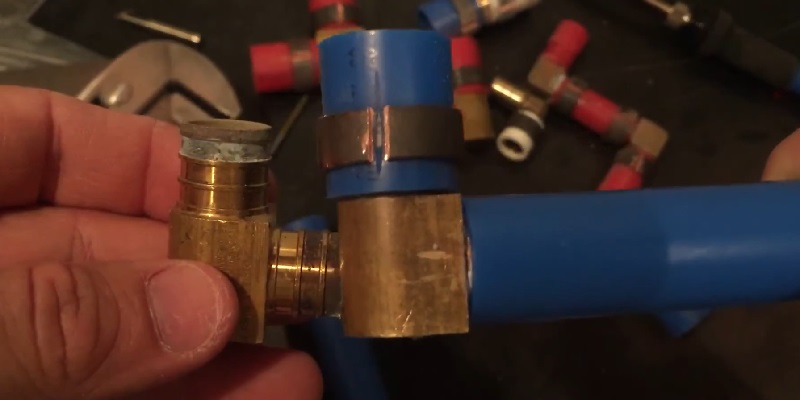
Both crimp and clamp systems create a tight, permanent seal between the pipe and the fitting. When you cut off the old crimp ring or clamp, you often damage the pipe and sometimes the fitting itself.
Removing the ring or clamp usually requires a special tool or careful cutting. Even with care, the fitting may have scratches, dents, or slight bends. These small defects can create leaks or weak spots when reused.
Manufacturer Guidelines
Most manufacturers do not recommend reusing crimp or clamp fittings. They often state that these fittings are for single use only. This is because the connection is designed to be permanent and reliable.
Building Codes And Inspections
Many local building codes require that Pex fittings are used only once. If a reused fitting causes a leak, or an inspector finds that you reused old fittings, you might fail inspection. This can lead to costly repairs or delays.
Real-world Risks
- Leaks: Even tiny scratches can lead to leaks over time.
- Reduced pressure: Damaged fittings might reduce water flow.
- Hidden damage: Some damage is invisible but weakens the fitting.
Are There Any Exceptions?
In rare cases, if the fitting looks perfect (no scratches or bends) and you are doing a temporary repair, you might reuse a crimp or clamp fitting. But this is risky, and most plumbers will not recommend it for long-term use.
Summary Table: Crimp/clamp Fitting Reuse
Below, see a quick comparison for crimp and clamp fitting reuse:
| Fitting Type | Reusable? | Main Risk | Typical Use |
|---|---|---|---|
| Crimp (Copper Ring) | No | Leaks, Damage | Permanent |
| Clamp (Stainless) | No | Leaks, Scratches | Permanent |
Reusing Push-fit Pex Fittings
Push-fit fittings, such as SharkBite, are a different story. They are made to be reusable. Here’s what you need to know:
How Push-fit Fittings Work
Push-fit fittings have a metal tooth and O-ring inside. When you push the pipe in, the tooth grabs the pipe and the O-ring seals it. You can remove the pipe with a special tool and reuse the fitting again and again.
When Reuse Is Safe
These fittings are safe to reuse if:
- The internal O-ring is not damaged or dirty
- The fitting has not been used with pipes that left deep scratches or marks
Limitations Of Reuse
- If the fitting is old or the O-ring looks worn, do not reuse it.
- Push-fit fittings are more expensive, costing $4 to $10 each.
- They can be sensitive to debris or hard water buildup.
Real-life Example
A homeowner replaces a leaking line with SharkBite fittings. Months later, he changes the layout and reuses the same fitting. As long as the fitting and the pipe ends are clean and undamaged, this is safe and common practice.
Push-fit Reuse Table
| Brand/Type | Reusable? | Key Check | Common Use |
|---|---|---|---|
| SharkBite | Yes | O-ring undamaged | Temporary/Repair |
| Other Push-Fit | Yes | Clean inside | Quick Fix/Change |
Pro Tip
Always inspect the O-ring and inside of push-fit fittings before reuse. Even a small nick can cause a leak.
Reusing Expansion Pex Fittings
Expansion Pex systems use a different technique. The pipe is expanded with a special tool, and the fitting is inserted. As the pipe shrinks back, it forms a tight seal.
Can They Be Reused?
Expansion fittings themselves are usually single use because the pipe shrinks tightly around the fitting. Removing the fitting can damage both pipe and fitting.
However, if the fitting is removed very carefully and is not damaged, some professionals reuse them in non-critical situations. But, as with crimp and clamp, this is not recommended for main water lines or high-pressure systems.
Key Risks
- The fitting can be scratched during removal.
- The fitting may not seal well when reused.
How To Remove Pex Fittings Safely
If you decide to remove a Pex fitting, using the right method and tools is important.
Tools Needed
- Pex cutter (for cutting pipe)
- Crimp ring removal tool or rotary tool (for crimp/clamp rings)
- Push-fit removal tool (for push-fit fittings)
Steps For Crimp/clamp Fittings
- Cut the pipe as close as possible to the fitting.
- Use a crimp ring removal tool to cut and peel away the ring or clamp.
- Wiggle the fitting free. Check for scratches or bends.
- If the fitting is damaged, do not reuse.
Steps For Push-fit Fittings
- Use the special removal clip or tool.
- Pull the pipe straight out.
- Inspect the fitting for debris or O-ring damage.
Expansion Fittings
- Cut the pipe flush with the fitting.
- Carefully twist and pull the fitting out.
- Inspect for any plastic or damage.
Important Warnings
- Never force a fitting out with pliers or wrenches.
- Always check both the fitting and the pipe for damage before reusing.
When Is It Safe To Reuse Pex Fittings?
Reuse is safest with push-fit fittings in low-pressure, accessible areas. For crimp, clamp, or expansion, reuse is generally not safe for permanent installations.
Consider these factors:
- Age of fitting: Old, corroded, or brittle fittings are not safe.
- Visible damage: Scratches, dents, or bent barbs can cause leaks.
- Location: Behind walls or underground? Never reuse. In a basement or open space? You might risk it for a short time.
- Pressure and temperature: Hot water lines and high-pressure systems require new fittings for safety.
Example Scenario
If you are repairing a line in a basement and only have an old crimp fitting, you might reuse it as a temporary fix until you can get a new one. Never do this behind drywall or in a permanent installation.
Practical Tips For Handling Used Pex Fittings
- Label used fittings: Keep them separate from new ones.
- Clean before reuse: Remove any old Pex, debris, or hard water scale.
- Check codes: Local plumbing codes may ban reuse.
- Test for leaks: Always pressure test after installation.

Credit: diy.stackexchange.com
Common Mistakes When Trying To Reuse Pex Fittings
Even experienced DIYers make mistakes. Here are the top errors and how to avoid them:
- Ignoring hidden damage: Small scratches inside the fitting can cause leaks months later.
- Mixing old and new: Using an old fitting with a new pipe can cause an imperfect seal.
- Over-tightening: Trying to “fix” a leak by tightening a clamp or crimp more can crush the fitting.
- Skipping inspection: Always look closely for damage before reuse.
- Using behind walls: Never reuse a fitting in a spot you can’t easily access.
Cost Analysis: Is Reuse Worth The Risk?
While reusing a fitting may save a few dollars, the cost of a leak can be much higher. Water damage repairs can cost $1,000 or more, not to mention ruined floors or walls. A new fitting costs $1–$10. The risk is usually not worth it for permanent installations.

Credit: www.youtube.com
Environmental Impact
Some people feel guilty about throwing away used fittings. The reality is, most Pex fittings are made of brass or polymer, both of which can be recycled in many areas. Instead of reusing a risky fitting, recycle it at a local center.
For more on recycling plumbing materials, see EPA’s recycling guide.
What The Pros Do
Most professional plumbers use only new fittings. Their work must pass inspection, and they guarantee their jobs. Pros may keep old push-fit fittings for emergencies, but they do not reuse crimp, clamp, or expansion fittings in finished work.
Table: When To Reuse Each Pex Fitting Type
To summarize the key points, here’s an at-a-glance guide:
| Fitting Type | Reuse Safe? | Common Use | Risk Level |
|---|---|---|---|
| Crimp | No | Permanent | High |
| Clamp | No | Permanent | High |
| Push-Fit | Yes | Repair/Temporary | Low (if checked) |
| Expansion | No | Permanent | High |
Non-obvious Insights Most Beginners Miss
- Surface finish matters: Even if a fitting looks fine, the tiniest surface scratch—often invisible—can cause a leak under pressure. New Pex pipe is soft and molds to these scratches, so using an old fitting can lead to slow leaks that show up months later.
- Code compliance: Many homeowners do not realize that plumbing codes in most areas ban reusing Pex fittings, especially for concealed or permanent lines. If you sell your house, an inspector may spot reused fittings and require expensive fixes before closing.
- Testing isn’t always enough: Even if your reused fitting passes a water pressure test right after installation, it might fail later due to slow corrosion or plastic fatigue.
Alternatives To Reusing Pex Fittings
- Keep a small stock of new fittings for repairs.
- Use push-fit fittings if you need flexibility and reusability.
- Plan your layout to minimize the need for changes.
- If you must reuse, do it only for temporary fixes and label the repair for future replacement.
Final Thoughts
Reusing Pex fittings might sound like a good idea if you want to save money or reduce waste. But in most cases, especially with crimp, clamp, or expansion types, it is not worth the risk. The chance of leaks, code violations, and expensive repairs is too high.
Push-fit fittings are the only real exception—they are designed to be reused, but only if they are clean and undamaged.
If you want a plumbing job that lasts, use new fittings every time. Save old push-fit fittings for emergencies, and recycle the rest. Your future self—and your wallet—will thank you.
Credit: plumbersinorlandpark.com
Frequently Asked Questions
Can I Reuse Pex Crimp Fittings If They Look Undamaged?
It is not recommended. Even if crimp fittings look fine, small scratches or bends from removal can cause leaks. Most codes and manufacturers require new fittings for each connection.
Are Sharkbite (push-fit) Fittings Safe To Reuse?
Yes, SharkBite and similar push-fit fittings are made to be reusable. Just make sure the O-ring inside is not damaged and the fitting is clean before using it again.
Will I Fail Inspection If I Reuse Pex Fittings?
In many areas, yes. Plumbing codes often require new fittings for each connection, especially for crimp, clamp, or expansion types. Always check your local codes.
What Is The Safest Way To Remove A Pex Fitting?
Use the correct tool for the type of fitting. For crimp or clamp, use a removal tool to cut away the ring or clamp. For push-fit, use the special release tool. Never force a fitting out.
Is It Ever Okay To Reuse Pex Fittings For Permanent Plumbing?
For permanent plumbing, always use new crimp, clamp, or expansion fittings. Push-fit fittings can be reused if undamaged, but many pros prefer new fittings for important or hidden pipes. Reuse old fittings only for temporary repairs you can access and monitor easily.