
If you own a swimming pool, you know how important the pool pump is for keeping your water clean and safe. But sometimes, the water level drops below the skimmer. Many pool owners ask: Can you run the pool pump if water is below the skimmer? This question is more important than it seems. Running the pump in this condition can lead to damage, extra costs, and even safety risks. If you want to protect your pool equipment and avoid expensive repairs, understanding this topic is essential.
In this article, you’ll learn exactly what happens if you run your pump with low water, how the skimmer works, common risks, and what you should do. You’ll also see real examples, practical advice, and clear answers to the most frequent questions. Whether you’re new to pool care or have years of experience, you’ll find insights here that help you make the best decisions for your pool.
What Is A Pool Skimmer?
A pool skimmer is a rectangular opening on the side of a pool, usually at water level. Its job is to pull in water and catch leaves, bugs, and other debris before they reach the pump. The skimmer basket sits inside and traps large debris, keeping it out of the pipes.
When the water level is right, the skimmer works smoothly. Water flows over the skimmer weir (the swinging door), pulling surface debris into the basket. The pump then pulls water from the skimmer and sends it through the filter.
Key points about skimmers:
- Most pools have 1–2 skimmers, depending on size.
- They remove debris from the top of the water.
- Skimmers protect the pump from large objects.
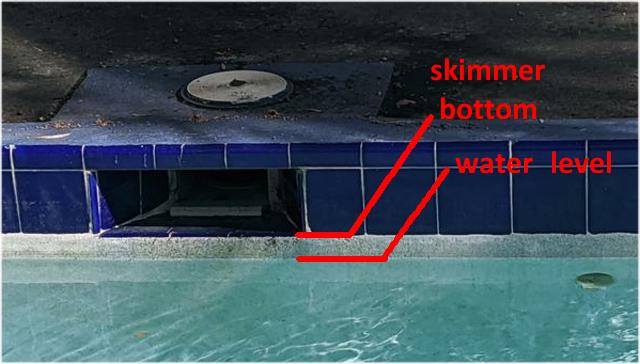
If the water drops below the skimmer, it can’t do its job. The pump may pull air instead of water, which can cause problems.
How Pool Pumps Work With Skimmers
The pool pump pulls water from the skimmer and main drain. Water travels through pipes to the pump, then passes through a filter, heater (if installed), and returns to the pool.
Pool pump basics:
- Pumps rely on water flow for cooling and lubrication.
- The pump needs a steady supply of water, not air.
- If air enters, the pump can lose prime (stop pulling water).
Most pumps are designed to work with water coming from the skimmer and main drain. If the water level is too low, the skimmer pulls in air instead. This can cause the pump to run dry, which is dangerous for the equipment.

Credit: www.reddit.com
What Happens If Water Is Below Skimmer?
When pool water drops below the skimmer opening, several things can go wrong:
- Air Enters Pump: Instead of water, the pump pulls in air. This stops the water flow.
- Pump Loses Prime: The pump can’t move water anymore. It may sound like it’s running, but nothing is happening.
- Pump Overheats: Water cools and lubricates the pump. If air enters, parts heat up and wear out quickly.
- Possible Damage: Running dry can cause the pump seal to fail, leading to leaks or total pump failure.
- Filter Problems: Without enough water, filters can’t clean properly. This affects water clarity and safety.
- Skimmer Basket Useless: The basket can’t catch debris if water isn’t flowing through it.
Example: Imagine your pool water is two inches below the skimmer. The pump pulls in mostly air, not water. The motor may get hot, and after a while, it could burn out.
Risks Of Running Pool Pump With Low Water
Running your pump when water is below the skimmer brings several risks. Let’s look at each one in detail:
Pump Motor Damage
The pool pump relies on water for cooling. If it runs dry, the motor can overheat. The pump seal may break, allowing water to leak. This can cost hundreds of dollars to fix.
Stat: According to pool equipment manufacturers, dry running is the main cause of pump failures. Repairs can cost $200–$600, depending on the damage.
Air In System
Air bubbles in your pipes cause noise and may damage the filter. If too much air enters, the pump may lose prime and stop working. Restarting the pump often does not fix the problem unless the water level is restored.
Poor Filtration
With low water, the filter can’t work. Dirt and bacteria stay in the pool. This can make the water cloudy and unsafe for swimmers.
Safety Hazards
Low water levels can expose sharp edges or pool fittings. Swimmers may injure themselves. Also, without proper filtration, bacteria can grow, leading to health risks.
Heater Damage
If you have a pool heater, running it with low water can cause it to overheat. Most heaters depend on good water flow from the pump. If flow stops, the heater may shut down or break.
Plumbing Stress
Air pockets in pipes put stress on the plumbing. Over time, this can cause leaks or cracks, leading to expensive repairs.
Why Water Level Matters
Your pool’s water level is not just about looks. It affects every part of the pool system. The skimmer is designed to work only when water is at the right height.
Ideal water level: The water should be halfway up the skimmer opening. This allows the skimmer weir to float and catch debris.
If the water is too low:
- Skimmer pulls air.
- Pump loses prime.
- Filtration stops.
If the water is too high:
- Skimmer can’t pull in surface debris.
- Water flows over the skimmer instead.
Keeping the water at the right level is key to safe and clean pool operation.
What Causes Low Water Levels?
Many pool owners wonder why their water drops below the skimmer. Here are the most common causes:
- Evaporation: Heat and wind cause water to evaporate, especially in summer. Pools can lose up to 1/4 inch per day.
- Splash Out: Swimmers, cleaning, and pool games can cause water to spill over the sides.
- Leaks: Cracks in the pool shell or plumbing can slowly drain water.
- Backwashing: When cleaning the filter, water is lost from the pool.
- Heavy Rain: Sometimes, rainwater may overflow the pool, leading to drainage issues.
Non-obvious insight: Sometimes, automatic pool fill systems malfunction, causing water levels to drop without warning.
Signs Your Water Is Below Skimmer Level
You may not always notice low water. Here are clear signs to watch for:
- Skimmer basket is dry or only partially submerged.
- Pump sounds different (humming or rattling).
- Air bubbles appear in the pool returns.
- Water flow is weak or stops.
- Debris stays on the surface instead of moving into the skimmer.
Tip: Check the skimmer every day in hot weather or after heavy use. A small drop in water can quickly become a big problem.
Can You Run The Pump If Water Is Below Skimmer?
The short answer: No, you should not run the pool pump if water is below the skimmer.
Let’s look at why:
- The pump is designed to pull water, not air. Running it dry causes damage.
- The filter and heater rely on steady water flow.
- Skimmer can’t catch debris, making the pool dirty.
- Air in pipes can cause leaks and pump failure.
If your water is below the skimmer, turn off the pump until you refill the pool. Running the pump in this condition is risky and can cause expensive damage.
What Happens If You Run The Pump Anyway?
Some pool owners ignore low water and run the pump. Here’s what you can expect:
- Immediate drop in water flow: The pump may lose prime within minutes.
- Strange noises: The pump may sound loud or make rattling noises as it pulls in air.
- Overheating: The pump motor can get hot and may shut off automatically.
- Pump seal failure: The seal may break, causing leaks and motor failure.
- Filter problems: The filter can’t clean water, leading to cloudy pool water.
- Heater shutdown: If you have a heater, it may turn off or break due to low flow.
Example: One pool owner reported a $500 repair bill after running the pump with low water for just one afternoon.
How To Fix Low Water Levels
If your water drops below the skimmer, act quickly:
- Turn Off the Pump: Immediately stop the pump to prevent damage.
- Add Water: Use a garden hose to refill the pool. Aim for halfway up the skimmer opening.
- Check for Leaks: If water drops again, inspect the pool for leaks.
- Restart the Pump: Once water is at the right level, restart the pump and check for normal operation.
- Monitor Water Level: Keep an eye on the water every day, especially in summer.
Pro tip: Install an automatic pool fill device to keep water at the right level. These devices sense low water and refill the pool as needed.
Main Drain Vs. Skimmer: Can The Pump Still Work?
Some pools have a main drain at the bottom, as well as skimmers. The main drain pulls water from the deep end. If water is below the skimmer, the pump may still pull water from the main drain.
But there are risks:
- If the pump is set to pull from both skimmer and main drain, air can enter from the skimmer side.
- If the skimmer valve is closed, the pump can pull from the main drain only, but this is not ideal for surface cleaning.
- Most pumps are not designed to run with only the main drain for long periods.
Non-obvious insight: Even if the main drain is working, running the pump with an open skimmer line and low water can still cause air problems.
How To Prevent Low Water Problems
Preventing low water is easier than fixing pump damage. Here are practical steps:
- Check Water Level Daily: Make it a habit to check the skimmer every morning.
- Use Pool Covers: Covers reduce evaporation and keep debris out.
- Monitor Automatic Fillers: If you have an auto-fill system, check it regularly.
- Fix Leaks Quickly: Small leaks can become big problems. Repair them as soon as possible.
- Educate Swimmers: Ask family and guests to avoid splashing water out.
Comparing Risks: Running Pump With Low Water Vs. High Water
Here’s a quick comparison to help you understand the risks.
| Condition | Risks | Recommended Action |
|---|---|---|
| Low Water (Below Skimmer) | Pump damage, air in system, poor filtration, heater failure | Turn off pump, refill water |
| High Water (Above Skimmer) | Poor surface cleaning, possible overflow | Lower water if needed |
Key insight: Low water is more dangerous than high water for pool equipment.
Pool Pump Priming: What You Need To Know
Priming is the process of filling the pump with water so it can start moving water through the system.
Steps to prime a pool pump:
- Turn off the pump.
- Open the pump lid.
- Fill the pump basket with water.
- Close the lid tightly.
- Turn on the pump and watch for water flow.
If your water is below the skimmer, priming will not work because the pump will pull air. Make sure water is at the correct level before priming.
Cost Of Repairs: Running Pump Dry
Running your pump with low water can lead to costly repairs. Here’s a breakdown of typical costs:
| Component | Repair Cost (USD) | Replacement Cost (USD) |
|---|---|---|
| Pump Motor | $200–$400 | $400–$800 |
| Pump Seal | $50–$150 | $150–$250 |
| Heater | $300–$800 | $800–$1,500 |
| Plumbing | $100–$300 | $300–$600 |
Data: Most pump repairs are caused by running dry or pulling air. Prevention is much cheaper than repair.
How To Safely Run Your Pool Pump
To keep your pump safe, follow these steps:
- Check water level before starting the pump.
- Keep water halfway up the skimmer.
- Inspect skimmer basket for debris.
- Listen for unusual noises.
- Check for air bubbles in returns.
- Monitor pump pressure.
- Maintain your pool regularly.
If you notice any issues, stop the pump and fix the problem before restarting.
Common Mistakes To Avoid
Pool owners often make mistakes that lead to pump damage. Here are the most common:
- Ignoring water level: Not checking daily can cause problems.
- Running pump dry: Starting the pump with low water damages the motor.
- Not priming pump: Forgetting to prime can cause air pockets.
- Leaving skimmer valve open: If water is low, air enters the system.
- Skipping maintenance: Dirty skimmer baskets or clogged filters make things worse.
Avoid these mistakes to protect your pool equipment.
Alternatives For Emergency Situations
If your water drops below the skimmer and you can’t refill immediately, here’s what you can do:
- Turn off the pump: Never run the pump dry.
- Close skimmer valve: If your pool has separate valves for skimmer and main drain, close the skimmer valve and run from the main drain only. This is a temporary fix.
- Use a portable pump: If you need circulation, a portable pump can help until water is restored.
- Add water quickly: Use multiple hoses if needed.
Warning: These are only temporary solutions. Restore proper water level as soon as possible.
Real-life Examples And Case Studies
Here are real situations faced by pool owners:
Example 1: Summer Heat
A homeowner in Texas noticed their pump making loud noises after a week of hot weather. Water had dropped 1. 5 inches below the skimmer. The pump motor failed, costing $350 to repair. The cause was evaporation and lack of daily checks.
Example 2: Leak In Plumbing
A pool owner in Florida found their water dropping every night. After inspection, a leak was found in the return pipe. Water dropped below the skimmer, and the pump pulled air. Repairs cost $400. Lesson: Fix leaks quickly.
Example 3: Splash Out During Pool Party
After a large pool party, water dropped below the skimmer. The pump ran dry and the heater stopped working. The owner spent $800 on repairs. Prevention: Check water after heavy use.
Comparing Different Pool Types
Not all pools are the same. Here’s how the issue affects various pool types.
| Pool Type | Risk Level | Recommended Action |
|---|---|---|
| In-ground pool | High | Check skimmer, maintain water level |
| Above-ground pool | Medium | Inspect for leaks, refill as needed |
| Inflatable pool | Low | No pump/skimmer, manual cleaning |
Insight: In-ground pools have more complex systems and are at higher risk for pump damage.
Credit: www.plbg.com
Expert Advice And Recommendations
As a calm expert, here’s my best advice:
- Always check water level before running the pump.
- Keep water halfway up the skimmer.
- Turn off the pump if water drops below the skimmer.
- Fix leaks and monitor for evaporation.
- Use automatic fillers if possible.
- Educate anyone using your pool about the risks.
If you follow these steps, you’ll avoid costly repairs and keep your pool safe.
Trusted Resources For Further Reading
For more information on pool care and equipment, visit SwimmingPool.com. They offer guides and expert advice for pool owners.
Credit: clwizard.com
Frequently Asked Questions
What Is The Ideal Water Level For My Pool?
The ideal water level is halfway up the skimmer opening. This allows the skimmer to catch debris and keeps the pump working smoothly. If water is too high or low, the skimmer won’t work properly.
Can I Run The Pump Using Only The Main Drain If Water Is Low?
You can temporarily run the pump from the main drain if the skimmer valve is closed and water is low. However, this is not recommended for long periods. The skimmer is needed for surface cleaning and proper circulation.
What Should I Do If My Pump Loses Prime?
If your pump loses prime, turn it off, refill the pool to the correct level, and prime the pump by filling the basket with water. Restart the pump and check for normal flow. If problems continue, inspect for leaks or blockages.
How Often Should I Check My Pool’s Water Level?
Check your pool’s water level daily, especially during hot weather, after heavy use, or when backwashing the filter. Regular checks prevent pump damage and keep your pool clean.
Can Low Water Cause Permanent Pump Damage?
Yes, running the pump with low water can cause permanent damage to the motor, pump seal, and other parts. Repairs can be expensive. Always keep water at the correct level to protect your equipment.
—
Taking care of your pool means understanding how the pump and skimmer work together. Never run your pool pump if water is below the skimmer. Doing so can lead to equipment damage, unsafe water, and high repair costs. Check your water level regularly, act quickly if it drops, and educate everyone who uses your pool.
By following these steps, you’ll enjoy a clean, safe, and worry-free swimming experience.