
A sparkling, healthy swimming pool is a joy to own—until something goes wrong. One of the most frustrating problems for pool owners is a pool skimmer clogged with stabilizer. If you’ve noticed poor water flow, rising water levels, or strange noises from your pool system, a blocked skimmer could be the cause. This issue is not only annoying but can also harm your pool equipment if left untreated.
Understanding how stabilizer can clog your skimmer, how to fix it, and how to prevent it in the future is essential for keeping your pool in top shape. Whether you’re a new pool owner or have years of experience, this guide will walk you through everything you need to know.
Let’s dive into the details so you can get back to enjoying your pool with confidence.
What Is Pool Stabilizer And Why Is It Used?
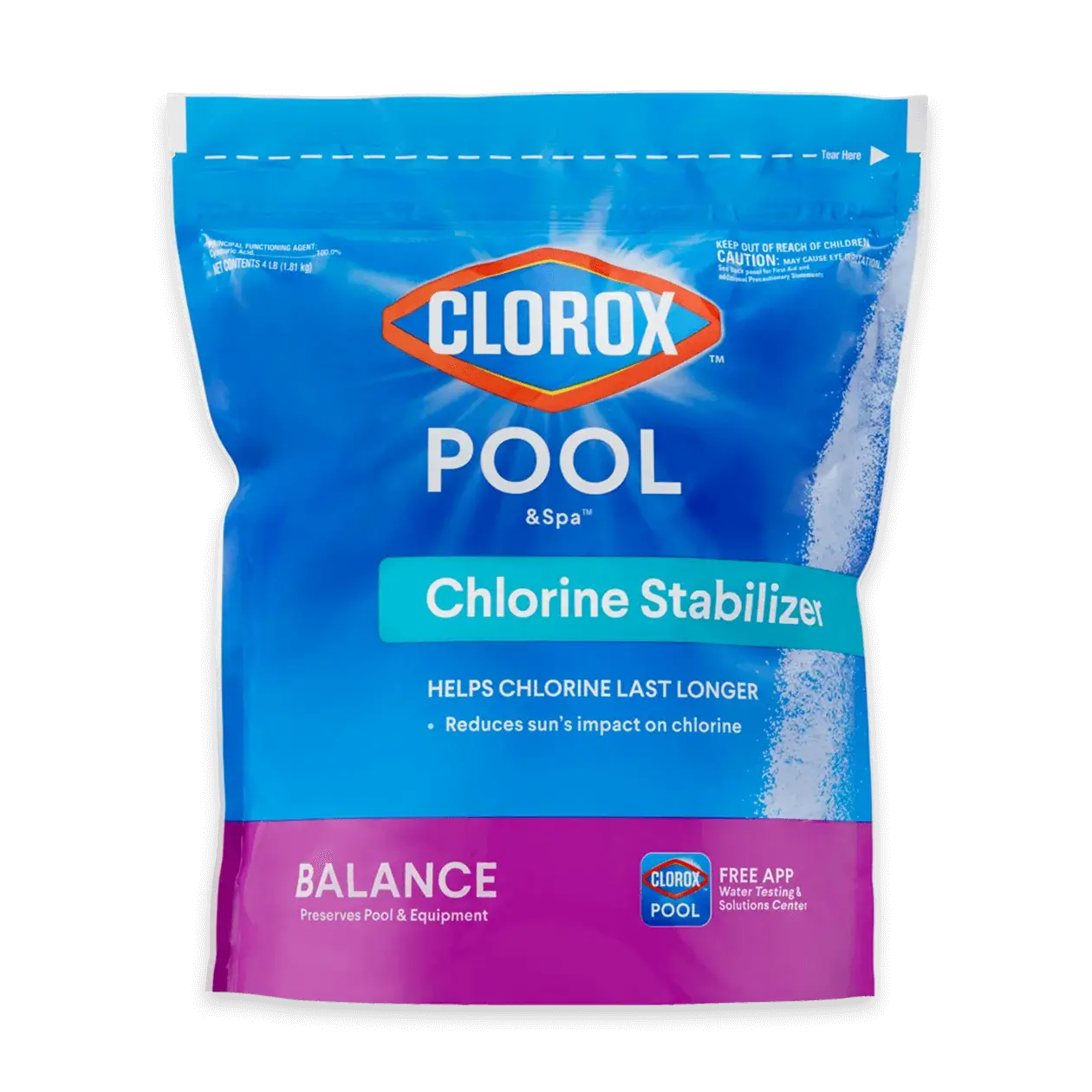
Pool stabilizer, also known as cyanuric acid, is a chemical added to swimming pools to protect chlorine from being broken down by sunlight. Without stabilizer, the sun’s ultraviolet rays quickly reduce the chlorine level, leaving your pool vulnerable to algae and bacteria.
When used correctly, stabilizer keeps chlorine working longer, making pool maintenance easier and more cost-effective. However, it must be handled with care. Stabilizer is highly insoluble, meaning it dissolves slowly in water. If added incorrectly, it can settle in pool pipes, the skimmer, or even create stubborn clumps.
How Stabilizer Works
- Shields chlorine molecules from sunlight
- Reduces the amount of chlorine lost each day
- Helps keep your pool sanitized with less frequent chemical additions
Common Forms Of Stabilizer
You’ll usually find stabilizer sold as:
- Granular cyanuric acid (the most common form for home pools)
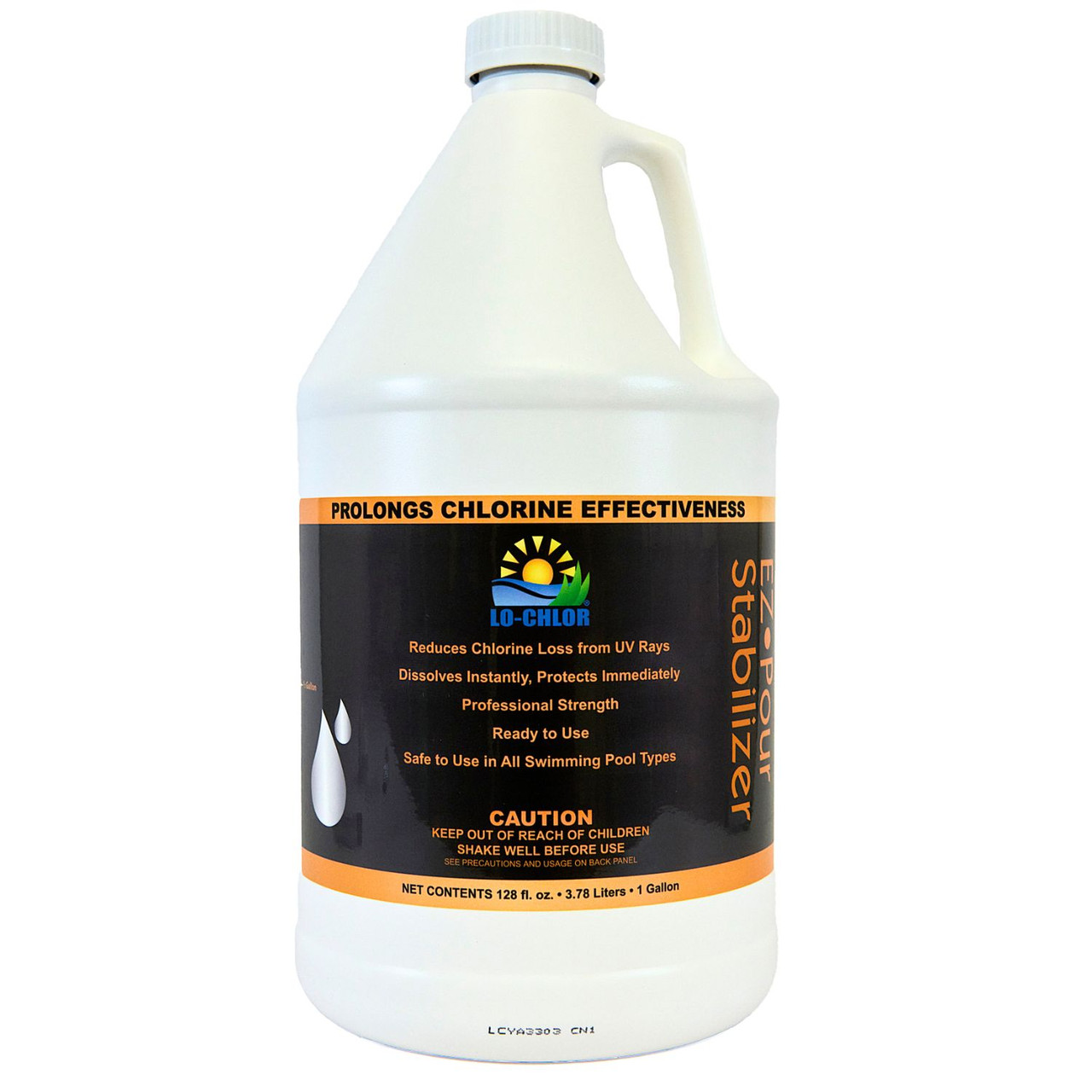
- Liquid stabilizer (dissolves faster but is pricier)
- Stabilized chlorine tablets (combine chlorine and stabilizer)
Granular stabilizer is most likely to cause clogs if not used properly.
How Stabilizer Clogs Happen In Pool Skimmers
Most pool owners add stabilizer directly into the skimmer basket, following standard advice. But here’s where problems can start. Granular cyanuric acid dissolves very slowly—sometimes taking days. If you pour it directly into the skimmer, the granules can settle and clump inside the pipes connected to the skimmer, especially if the pump shuts off soon after.
The result? A hard, sticky mass that blocks water flow. Some key factors that increase clog risk:
- Large amounts of stabilizer added at once
- Pump not running long enough after adding stabilizer
- Cold water (stabilizer dissolves even slower in cold temperatures)
- Old or compacted stabilizer (can become rock-like)
Unlike other debris, a stabilizer clog is difficult to remove, and traditional cleaning methods like skimmer nets won’t help.
Signs Your Pool Skimmer Is Clogged With Stabilizer
Spotting a skimmer clog early prevents bigger problems. Here are common warning signs:
- Weak suction at the skimmer
- Water level rises in the skimmer basket area
- Pump makes strange noises (like humming or straining)
- Low flow at pool returns (weak water jets)
- Automatic pool cleaner not moving or moving slowly
- Air bubbles in pump basket or return lines
- Sudden loss of prime (pump loses water and stops working)
These symptoms can also result from other blockages, but if you recently added stabilizer, it’s a strong clue.
Dangers Of A Clogged Pool Skimmer
It’s easy to ignore a minor clog, but this can be costly. Some potential consequences include:
- Pump damage: Pumps rely on water flow for cooling. Restricted flow can overheat and burn out the motor.
- Filter stress: A blocked skimmer increases pressure on the filter, possibly causing leaks or cracks.
- Reduced pool cleaning: Poor circulation lets algae and bacteria build up.
- Increased chemical use: Without proper circulation, chemicals can’t do their job, leading to cloudy or unsafe water.
A severe blockage can even crack pipes or fittings, resulting in expensive repairs.
Step-by-step: How To Unclog A Pool Skimmer Blocked With Stabilizer
Clearing a stabilizer clog takes patience and the right methods. Here’s a practical, experience-based approach:
1. Turn Off The Pool Pump
Always start by turning off the pool pump. This prevents damage and keeps you safe while working.
2. Remove The Skimmer Basket
Take out the skimmer basket and check for visible clumps of stabilizer. Sometimes, you’ll see a white, chalky mass. If you can break it up with your hand (wear gloves) or a plastic tool, do so gently.
3. Try Manual Removal
- Use a wet/dry vacuum to suck out loose stabilizer from the skimmer well and pipes.
- A plumber’s snake or flexible rod can break up clumps deeper in the line. Move slowly and avoid damaging pipes.
4. Use A Drain King Or Water Pressure Bladder
For stubborn clogs, a Drain King (a rubber bladder that expands and blasts water under pressure) can clear the line. Attach it to a garden hose, insert it into the skimmer pipe (with the other end open at the pump or waste line), and slowly turn on the water.
Caution: Don’t use high-pressure air or metal tools, as they can break pipes.
5. Dissolve Remaining Stabilizer
If the clog is still present, try to dissolve it:
- Pour warm water (not boiling) into the skimmer to help soften the mass.
- Use a solution of sodium carbonate (washing soda) in warm water to help break down stabilizer deposits. Pour slowly and let sit for 30-60 minutes.
Repeat vacuuming or pressure flushing as needed.
6. Backwash And Rinse
Once the clog is gone, backwash your filter to remove any loose debris that may have entered the system.
7. Restart The Pump
Turn the pump on and check for normal suction and water flow. If everything looks good, you’ve solved the problem.
Non-obvious insight: Sometimes, the clog isn’t in the skimmer itself but a few feet down the pipe. Listening for hollow sounds or using a plumber’s camera can help pinpoint the exact location.
Preventing Stabilizer Clogs In The Future
Prevention is always easier than repair. Follow these best practices:
1. Dissolve Granular Stabilizer First
Never add granular stabilizer directly to the skimmer. Instead:
- Fill a 5-gallon bucket with warm water.
- Slowly add the required amount of stabilizer, stirring constantly.
- Pour the dissolved solution into the pool, aiming for the deep end.
Some residue may remain, but this method reduces the risk of clumps forming in your pipes.
2. Use A Skimmer Sock Or Pantyhose
If you must add stabilizer via the skimmer, place it in a skimmer sock or old pantyhose. This keeps granules contained and allows slow, controlled dissolving.
3. Run The Pump Continuously
After adding any stabilizer, keep your pump running 24–48 hours. This ensures all the chemical passes through and dissolves fully.
4. Add Stabilizer In Small Batches
Never add more than the recommended amount at once. For most pools, 4 pounds per 10,000 gallons raises the level by about 40 ppm.
5. Test Stabilizer Levels Regularly
Aim for a cyanuric acid level between 30–50 ppm. Too much stabilizer can also cause other problems, like “chlorine lock.”
6. Consider Liquid Stabilizer
Liquid cyanuric acid dissolves instantly but costs more. It’s a good option for those who want to avoid any risk of clogging.
7. Store Stabilizer Properly
Keep containers dry and sealed. Old or wet stabilizer can clump and become harder to dissolve.
Pro tip: Label your pool chemicals and keep instructions handy for guests or maintenance workers.
Comparing Methods: Skimmer Addition Vs. Bucket Dissolving
To help you choose the safest way to add stabilizer, here’s a comparison of two common methods:
| Method | Clog Risk | Dissolving Speed | Ease of Use | Recommended For |
|---|---|---|---|---|
| Direct to Skimmer | High | Slow (2-5 days) | Easy | Advanced users only |
| Pre-dissolve in Bucket | Low | Faster (few hours) | Moderate | All pool owners |
As you can see, the bucket method is safer for most people.
When To Call A Professional
Sometimes, DIY methods aren’t enough. Call a pool technician if:
- You can’t clear the clog after several attempts
- The pump won’t prime or runs dry
- You hear loud grinding or see leaks
- Pool water level drops quickly (possible pipe crack)
A pro may use specialized cameras or hydro-jetting equipment to clear severe blockages.
Non-obvious insight: If you have a pool with older plumbing (rigid PVC or copper), the risk of pipe damage from DIY attempts is higher. Don’t force anything if unsure.
Pool Skimmer Clog Vs. Other Pool Clogs
It’s important to know if you’re really dealing with a stabilizer clog or something else (like leaves, toys, or algae). Here’s a quick comparison:
| Type of Clog | Appearance | How to Remove | Common Cause |
|---|---|---|---|
| Stabilizer | White, chalky, hard clumps | Warm water, pressure, manual tools | Poor stabilizer addition |
| Leaves/Debris | Soft, organic mass | Vacuum, net, hand removal | Nearby trees, open pool |
| Algae | Greenish, slimy, may smell | Shock, brush, filter cleaning | Low chlorine, warm water |
Knowing the difference saves time and effort.
Real-world Example: Homeowner’s Experience
Chris, a pool owner in Florida, noticed his automatic cleaner stopped working after adding 3 pounds of granular stabilizer to the skimmer. The pool pump started making a whining sound, and water wasn’t circulating well. He tried backwashing the filter, but nothing improved.
After researching, he suspected a stabilizer clog. Using a wet/dry vacuum and pouring several buckets of warm water into the skimmer, he was able to loosen and remove most of the blockage. Chris now always dissolves stabilizer in a bucket before adding it to the pool.
This example shows how a simple mistake can lead to hours of extra work—and how easy it is to prevent.
Credit: www.cloroxpool.com
Cost Of Fixing A Clogged Pool Skimmer
The cost can range from nearly nothing (if you fix it yourself with household tools) to several hundred dollars if you need professional help. Here’s a rough estimate:
- DIY methods: $0–$50 (for tools like a vacuum or Drain King)
- Professional service: $100–$300, depending on severity and local rates
- Damaged equipment: Pump or pipe replacement can cost $500 or more
Spending a little extra time to add stabilizer correctly saves money and frustration.
How Long Does It Take To Unclog A Skimmer?
With basic tools and a simple clog, you may clear the blockage in 30–60 minutes. Severe clogs, especially hardened masses deep in the pipe, can take several hours or require multiple attempts. Letting chemicals soak overnight may help.
If you don’t see improvement after two hours of effort, consider calling a professional. Persistent clogs can damage your pool system.
How Pool Design Affects Clog Risk
Not all pools are created equal. Some designs are more prone to stabilizer clogs:
- Inground pools with long skimmer lines (especially older pools with sharp pipe bends) can trap granules.
- Above-ground pools usually have shorter, more direct plumbing, so clogs are less likely.
- Multiple skimmers: If one clogs, others may still flow, but overall performance drops.
If you’re building or remodeling a pool, ask your contractor about pipe layout to minimize future clog risk.
Alternative Chemicals And Technologies
Some pool owners are moving away from traditional stabilizer methods. Alternatives include:
- Saltwater chlorinators: Create chlorine from salt, reducing the need for stabilizer.
- UV or ozone systems: Lower chlorine demand, but still need some stabilizer in outdoor pools.
- Polymer-based stabilizers: Newer products claim to dissolve faster, but results vary.
While these technologies can help, proper stabilizer handling is still essential for most pools.

Credit: www.youtube.com
Pool Skimmer Clogged With Stabilizer: Key Takeaways
- Always pre-dissolve granular stabilizer in a bucket before adding it to your pool.
- Never pour large amounts of stabilizer directly into the skimmer.
- If you notice poor water flow, weak suction, or pump noise soon after adding stabilizer, check for a clog immediately.
- Use warm water, gentle tools, and patience to clear blockages.
- Run your pool pump for at least 24 hours after adding any chemicals.
- Regularly test stabilizer levels to avoid overuse or buildup.
- Call a professional if DIY methods do not solve the problem.
For in-depth chemical guidelines, you can check the recommendations from the Centers for Disease Control and Prevention.
Frequently Asked Questions
What Is The Fastest Way To Unclog A Pool Skimmer Blocked By Stabilizer?
The fastest method is to use a wet/dry vacuum to remove loose stabilizer, then flush the line with warm water using a Drain King or similar pressure bladder. If the clog is deep, patience and repeated flushing may be needed. Never use boiling water or harsh chemicals that could damage pipes.
Can I Use Muriatic Acid To Dissolve A Stabilizer Clog?
No, muriatic acid does not dissolve cyanuric acid (stabilizer) and may damage your pool’s plumbing. Use warm water and gentle physical tools instead. If in doubt, contact a pool professional.
How Much Stabilizer Can I Safely Add At Once?
As a rule, do not add more than 4 pounds per 10,000 gallons of water at one time. Always check your pool size and current stabilizer level before adding more. Add in small batches and run the pump continuously after dosing.
Are There Warning Signs Before A Full Skimmer Blockage Happens?
Yes, early signs include slower water flow, more air in the pump basket, and weaker returns. If you notice any change after adding stabilizer, check your skimmer and pipes right away to prevent a complete blockage.
Is It Safe To Swim If The Skimmer Is Clogged With Stabilizer?
It’s best to avoid swimming until the clog is cleared. Poor circulation means chlorine and other chemicals are not being distributed properly, which can make the water unsafe. Clear the blockage and test water quality before using the pool again.
Keeping your pool healthy means paying attention to every detail—including how you add stabilizer. With the right habits, you’ll enjoy clear, safe water all season long.
Credit: ezteststores.com