
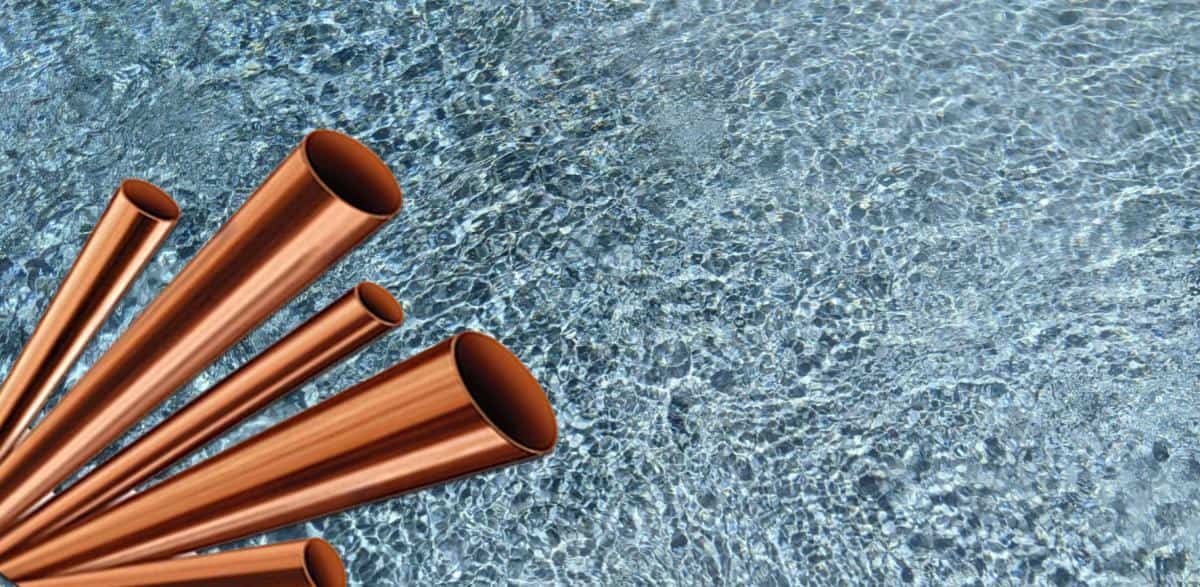
If you’ve ever looked inside your pool skimmer and noticed a piece of copper pipe, you might be confused. Some pool owners and even professionals place copper pipes in skimmers, believing it offers big benefits for water quality. But is this really a good idea? Let’s explore everything you need to know about using copper pipe in a pool skimmer. You’ll learn why people do it, what actually happens, and what you should do for the health and safety of your pool.
Why Do People Put Copper Pipe In Pool Skimmers?
Many pool owners have heard that copper can help keep water clean. The main reason people add a copper pipe to their pool skimmer is to try to reduce algae growth. Copper is a natural algaecide, which means it can kill or prevent algae. Years ago, before modern pool chemicals were widely available, some pool professionals used copper pipes as a cheap way to help control green or cloudy water.
There’s also a common belief that copper pipes can lower the amount of chemicals you need to add. Some people think that by placing copper in the skimmer, you can use less chlorine and still keep water clear. This idea is based on how copper ions work: when copper metal is exposed to pool water, a small amount of copper dissolves into the water, and these ions help prevent algae from growing.
But just because copper is effective in certain products (like copper-based algaecides) does not mean putting a copper pipe in your skimmer is safe or smart. The reality is more complicated.
How Copper Interacts With Pool Water
Copper is a metal that can dissolve in water, especially when the water is slightly acidic or unbalanced. Once copper is in your pool, it moves around just like any other dissolved mineral. The level of copper in your pool depends on several factors:
- PH level: Low pH (acidic water) dissolves more copper from the pipe.
- Chlorine level: High chlorine speeds up the metal’s corrosion.
- Water hardness: Soft water (low calcium) is more aggressive and can pull metals into solution faster.
- Contact time: The longer water touches the copper, the more copper ions are released.
When you place a copper pipe in the skimmer, you’re setting up a situation where water is constantly running over the metal. Over time, more copper is released into the pool. At low levels, this may help reduce algae. But if the amount of copper gets too high, it creates bigger problems.

Credit: www.youtube.com
The Dangers Of High Copper Levels In Pools
Adding copper pipes to your skimmer can create excess copper in your pool water. This can lead to several unwanted issues:
- Staining: The most common problem is blue or green stains on pool surfaces. Copper ions can react with chlorine and other pool chemicals, forming colored stains on plaster, tile, and even vinyl liners. These stains are very difficult to remove and often need professional treatment.
- Hair and Nail Discoloration: Swimmers’ hair, especially blond hair, can turn green after swimming in water with high copper. Fingernails can also develop a blue-green tint.
- Equipment Damage: Too much copper in water can damage your pool heater and pump. Metal parts inside these machines corrode faster, leading to leaks or total failure.
- Health Concerns: Very high copper levels can irritate the skin and eyes. While it’s rare for pool copper to reach harmful levels, it’s still a risk—especially for young children or people with sensitive skin.
- Unbalanced Chemistry: Adding copper to solve one problem (algae) can create new problems. You may need to use special chemicals to remove copper or adjust your water more often.
Here’s a quick comparison of copper’s effects at different levels:
| Copper Level (ppm) | Effect on Pool |
|---|---|
| 0.0–0.2 | Safe, no visible effects |
| 0.2–0.5 | Helps control algae, usually safe |
| 0.5–1.0 | Risk of staining, hair discoloration |
| Above 1.0 | Serious staining, equipment damage, skin/eye irritation |
Key insight: It’s much easier to add copper to a pool than to remove it. Fixing copper stains or high copper levels often requires expensive chemicals and professional help.
Should You Use Copper Pipe In Your Pool Skimmer?
Most modern pool experts agree: putting copper pipe in the skimmer is not a good idea. While copper does fight algae, there are safer, more effective ways to keep your pool clean. Pool chemistry has advanced a lot since the early days of backyard pools.
Here’s why you should avoid the copper pipe trick:
- You can’t control the dose: Unlike a commercial algaecide, a copper pipe releases an unknown amount of copper into the water. This makes it hard to keep copper at a safe level.
- Risk of uneven distribution: Copper ions may not mix evenly, leading to hot spots where stains are more likely.
- No guidance from manufacturers: Pool equipment and chemical makers do not recommend this method.
- Better alternatives exist: Today, you have access to safe, reliable algaecides and sanitizers that don’t risk staining or equipment damage.
Some people may still try the copper pipe trick, especially if they have an older pool and want to avoid buying chemicals. But this can lead to bigger expenses in the long run.
How To Properly Control Algae In Your Pool
Instead of using copper pipes in your skimmer, focus on proven, safe methods to keep your pool free of algae. Here are the best practices:
- Maintain Proper Chlorine Level: Regularly check and maintain your free chlorine between 1 and 3 ppm. Chlorine is the main sanitizer and is very effective against algae.
- Balance pH and Alkalinity: Keep pH between 7.2 and 7.6, and total alkalinity between 80 and 120 ppm. Balanced water helps chlorine work better and protects your pool surfaces.
- Use Approved Algaecides: If you have repeated algae problems, use a commercial algaecide designed for pools. These products are tested for safety and effectiveness.
- Brush and Vacuum Regularly: Algae can stick to pool walls and floors. Brushing and vacuuming removes it before it spreads.
- Run the Filter: Circulate water for at least 8–12 hours a day during swim season. Good circulation prevents algae from settling.
- Shock the Pool as Needed: Regularly “shocking” your pool with a high dose of chlorine kills algae and bacteria that may survive normal levels.
- Test Your Water Often: Use a test kit or bring a sample to a pool store. Check at least once a week, or more often during hot weather or heavy use.
Here’s a quick guide to ideal pool water chemistry:
| Parameter | Ideal Range |
|---|---|
| Free Chlorine | 1–3 ppm |
| pH | 7.2–7.6 |
| Total Alkalinity | 80–120 ppm |
| Calcium Hardness | 200–400 ppm |
| Cyanuric Acid | 30–50 ppm |
| Copper | 0–0.2 ppm |
Practical tip: If your pool develops algae, don’t just add more chemicals. Find out why it happened—maybe your filter isn’t working, or your pH is off.
The Science Behind Copper And Algae Control
Copper ions are toxic to algae. They stop algae cells from growing and reproducing. This is why copper is used in some commercial algaecides, as well as in some pool ionizer systems.
But in these products, the copper concentration is controlled. For example, a typical copper-based algaecide is designed to keep copper levels below 0. 3 ppm. Above this, the risk of staining increases.
Some pool ionizer systems use copper and silver electrodes to release ions into the water in a controlled way. These systems require careful water testing and adjustment. Even then, pool owners must monitor copper levels and often use special filters or sequestering agents to prevent stains.
Non-obvious insight: Not all forms of copper are the same. The copper from a pipe is not as stable or predictable as the copper in a commercial algaecide. That’s why using a pipe is riskier.
What To Do If You Already Have A Copper Pipe In Your Skimmer
If you or a previous owner has placed a copper pipe in the skimmer, it’s a good idea to remove it. Here are the steps to fix or avoid problems:
- Remove the Copper Pipe: Take it out and dispose of it safely.
- Test Your Water: Use a copper test kit (available at pool stores) to measure copper levels.
- Check for Stains: Look for blue, green, or black spots on pool surfaces.
- Use a Metal Sequestering Agent: These chemicals bind to copper ions and prevent them from causing stains. Add as directed.
- Clean Up Stains: If you see stains, use a stain remover designed for pools. Some stains may require professional treatment.
- Balance Your Water: Adjust pH, alkalinity, and hardness to ideal ranges. Balanced water slows down copper corrosion.
- Monitor Regularly: Keep testing copper every few weeks until levels are safe.
Here’s a comparison of what can happen with and without a copper pipe in your pool skimmer:
| With Copper Pipe | Without Copper Pipe |
|---|---|
| Possible algae control, but staining risk | Need regular chlorine and algaecide use |
| Unpredictable copper levels | Easy to manage water chemistry |
| Potential equipment damage | Longer equipment life |
| Hair, nail discoloration | No copper-related discoloration |
Important: If copper levels are above 0.3 ppm, do not add more copper-based products or algaecides until the level drops.
How To Prevent Copper Problems In Your Pool
Even if you don’t add copper pipes, copper can still enter your pool from other sources:
- Heater corrosion: Old or poorly maintained heaters with copper heat exchangers can release copper.
- Fill water: Some city or well water contains copper, especially if water sits in copper pipes.
- Algaecides: Overuse of copper-based algaecides can build up copper levels.
- Plumbing leaks: Small leaks in copper pipes can add copper over time.
To avoid problems:
- Test fill water: Before filling your pool, test for copper and other metals.
- Maintain water balance: Proper pH and alkalinity protect metal parts.
- Service heaters: Check for corrosion and leaks at least once a year.
- Limit copper algaecide use: Use only as directed, and not for routine maintenance unless you have frequent algae outbreaks.
- Use a sequestering agent: Especially if you have metal parts or high metal content in fill water.
Non-obvious insight: Some pool stains that look like algae are actually copper or other metal stains. If brushing doesn’t remove a stain, it’s probably metal—not algae.

Credit: www.solarponics.com
Alternatives To Copper Pipe For Pool Sanitation
If you want to keep your pool water healthy with less chlorine, there are better alternatives than a copper pipe in your skimmer:
- Saltwater Chlorination: Saltwater pools use salt cells to generate chlorine automatically. This system keeps chlorine at steady levels, reducing the need for manual dosing.
- UV Systems: Ultraviolet sanitizers kill algae and bacteria as water passes through a UV chamber. They reduce the need for extra chemicals but don’t replace chlorine entirely.
- Ozone Generators: Ozone is a powerful sanitizer. When used with chlorine, it helps keep water cleaner with less chemical use.
- Borates: Adding borates to your pool helps stabilize pH and can make it harder for algae to grow.
- Regular Maintenance: Skimming, brushing, filtering, and shocking as needed prevents algae without extra metals.
Each alternative has its pros and cons, but all are safer than dropping a piece of copper in your skimmer.
Real-world Experiences: What Pool Owners Say
Many pool owners who tried the copper pipe trick report mixed results. Some say it worked for a while, but most eventually faced stains or equipment issues. Pool forums and professional pool technicians often warn against the practice.
For example, a homeowner in Florida shared, “I put a short piece of copper pipe in my skimmer, and it kept the water clear for a few weeks. But then I started noticing green stains near the steps. My pool guy said it was copper staining.
I had to buy stain remover and a sequestering agent to fix it. ”
Another pool owner said, “We inherited a pool with a copper pipe in the skimmer. After testing, the copper level was over 1. 2 ppm! My daughter’s hair turned green, and our heater started leaking. Now, we follow a regular maintenance routine and haven’t had an algae problem since.
”
Lesson: Even if copper pipes seem to work in the short term, the long-term risks usually outweigh any benefit.
The Role Of Professional Pool Service
If you’re struggling with algae or stains, a professional pool technician can help. They have access to commercial-grade test kits and chemicals. Professionals can diagnose whether your problem is algae, metals, or another issue. They can also treat stubborn stains and recommend the best maintenance plan for your pool type.
Practical advice: Don’t guess when it comes to pool chemistry. When in doubt, ask a professional for help.
Environmental Impact Of Copper In Pools
Copper that enters your pool doesn’t just stay there. When you backwash your filter or drain your pool, copper can be released into the environment. High copper levels in wastewater can harm plants, fish, and other wildlife. For this reason, many cities have regulations about draining pool water with metals.
Tip: Always follow local rules for draining your pool. If you have high copper, use a sequestering agent before draining to reduce environmental impact.
Credit: www.testyourownpool.com
Frequently Asked Questions
What Does A Copper Pipe In A Pool Skimmer Actually Do?
A copper pipe in a pool skimmer releases copper ions into the water. These ions can help control algae growth because copper is a natural algaecide. However, you have no control over how much copper enters the pool, so it can quickly rise to unsafe levels and cause staining or other problems.
How Can I Test For Copper In My Pool Water?
You can buy a copper test kit at most pool supply stores. These kits usually use test strips or drops to show the copper level in parts per million (ppm). Many pool stores also offer free water testing if you bring in a sample.
What Are The Signs Of Too Much Copper In My Pool?
Common signs include blue, green, or black stains on pool surfaces, green hair after swimming (especially for blondes), and sometimes cloudy water. Pool equipment may also show signs of corrosion or leaks.
Can I Remove Copper From My Pool Water If Levels Are Too High?
Yes, you can lower copper by using a metal sequestering agent. This chemical binds to copper ions, keeping them in solution and making it easier to filter them out. In serious cases, you may need to partially drain and refill the pool. Persistent stains may require a stain remover or professional treatment.
Are Copper-based Algaecides Safe To Use?
Copper-based algaecides are safe if used according to the instructions and if you regularly test copper levels. Never use them if your copper is already above 0. 3 ppm. Always follow the product’s directions and test your water before and after use.
—
The idea of putting a copper pipe in your pool skimmer may seem clever, but it’s risky. While copper does fight algae, the risks of staining, equipment damage, and health concerns are far greater than the possible benefits. Modern pool care offers safer, more effective ways to control algae and keep your water sparkling. If you want a trouble-free pool, stick to proven maintenance routines and avoid shortcuts that can lead to big problems. For most pool owners, the best investment is in regular testing, good water balance, and the right chemicals—not old-school tricks that can backfire. If you ever have doubts about your pool’s water quality, don’t hesitate to consult a professional or visit trusted resources like CDC Healthy Swimming for more guidance.