
Most people adore cats for their playful charm, soft fur, and unique personalities. But if you’re thinking of bringing a cat home, or you already share your space with one, you might ask: Do cats make your house smell? It’s a fair question. Homes with cats can sometimes carry strong odors, but the story isn’t that simple. The smell depends on many factors—your cat’s habits, your cleaning routine, and even your home’s layout. Some cat owners notice almost no smell, while others struggle with constant odors. Let’s explore why this happens, what you can expect, and what you can do to keep your home smelling fresh.
Why Do Cats Cause Odors In The Home?
To understand if cats make your house smell, you need to know where the odors come from. Cats themselves are not naturally smelly animals. In fact, they spend a large part of their day grooming to stay clean. However, certain aspects of cat ownership can introduce unwanted smells.
The Litter Box
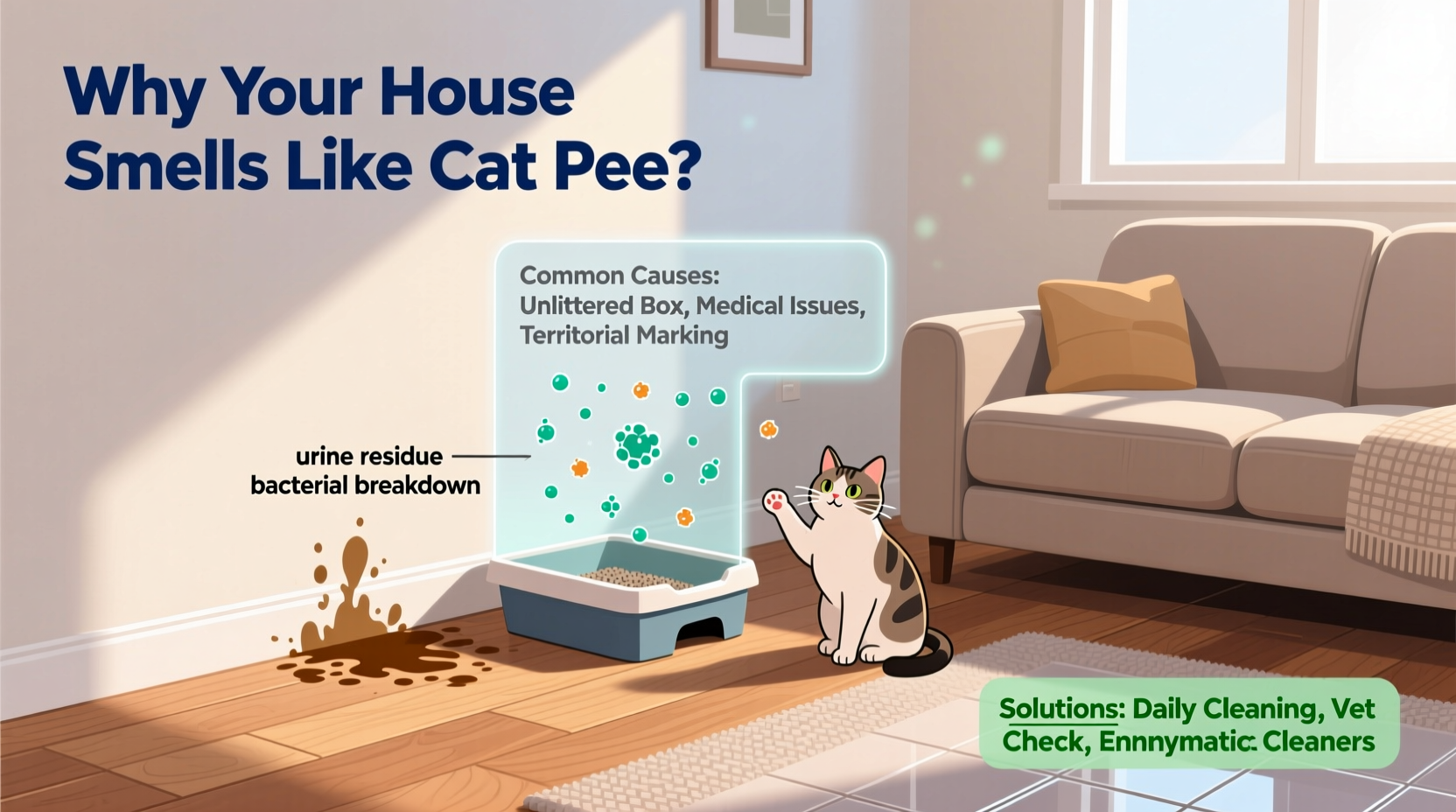
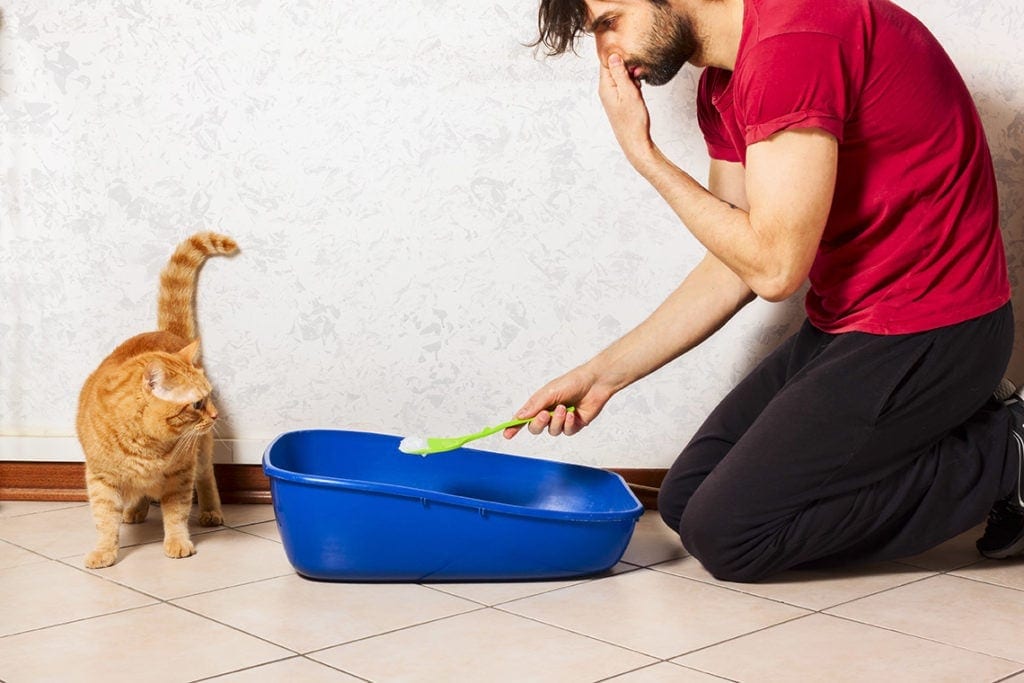
The most common source of cat odors is the litter box. Cat urine contains ammonia, which has a strong, sharp smell. Feces can also be pungent, especially if left uncleaned. Even the best-trained cat can’t help but create odors in this area if the box isn’t maintained well.
Cat Fur And Dander
Cats shed fur and dander (tiny skin flakes). These can collect on furniture, carpets, and clothing. While dander itself is not always smelly, it can trap other scents, including food, urine, or saliva.
Accidents Outside The Box
Sometimes cats urinate or defecate outside the litter box. This can happen due to medical issues, stress, or a dirty box. Cat urine, especially if left on carpets or floors, can create a long-lasting odor that’s difficult to remove.
Marking And Spraying
Unneutered male cats (and sometimes females) may spray urine to mark their territory. This spray has a much stronger, more pungent smell than normal urine.
Food And Water Areas
Cat food, especially wet food, has a distinct odor. If food bowls are not cleaned regularly, old food can rot and smell. Water bowls can also develop a musty or sour smell if not refreshed often.
Illness Or Poor Hygiene
Cats with dental disease, ear infections, or skin problems may develop bad odors. Sometimes, older or obese cats can’t groom themselves properly, leading to a build-up of oils and dirt.
Multiple Cats
The more cats you have, the higher the chance of noticeable odors. Each cat adds to the litter box, dander, and potential for accidents.
Common Cat Odors: What Do They Smell Like?
Not all cat-related smells are the same. Here’s what you might notice:
- Ammonia-like smell – Usually from cat urine, especially if the box isn’t cleaned regularly.
- Musky or sour smell – Can come from dirty bedding, wet fur, or saliva.
- Fecal odor – Strong, sometimes “earthy” or rotten smell from litter boxes.
- Pungent spray – Unneutered males produce a sharp, almost skunk-like smell.
- Musty or old food smell – If food bowls are not cleaned, leftover food can smell.
A fresh, clean home with cats should not have constant strong odors. If you notice persistent smells, it usually means something needs attention.
How Cat Odors Compare To Other Pets
People often wonder if cats smell more than dogs or other pets. Here’s a comparison to help you understand:
| Pet Type | Main Odor Source | Odor Intensity | Odor Control Difficulty |
|---|---|---|---|
| Cat | Litter box, urine, dander | Moderate to strong (if box not cleaned) | Moderate |
| Dog | Fur, skin oils, wet dog smell | Mild to moderate | Low to moderate |
| Rabbit | Cage, urine | Mild | Low |
| Hamster/Guinea Pig | Bedding, urine | Low | Low |
Cats can create stronger smells than other small pets, especially if the litter box isn’t cleaned. Dogs may smell more if they get wet or have skin issues, but they don’t have litter boxes in the house.
Factors That Affect Cat Odor In Your Home
Not every home with a cat will smell the same. Several things influence how much odor you notice:
Number Of Cats
More cats mean more litter boxes, more waste, and more potential for smell.
Size And Layout Of Your Home
Smaller homes or apartments can make odors seem stronger because there’s less space for smells to disperse.
Type Of Flooring
Carpet traps odors more than hardwood, tile, or vinyl. If a cat has an accident on carpet, the smell is harder to remove.
Ventilation
Good airflow helps carry away odors. Closed windows and poor air circulation can make smells linger.
Cat’s Health And Diet
Unhealthy cats or those with digestive problems may have smellier waste. High-protein diets can also make urine and feces smell stronger.
Cleaning Habits
Regular cleaning of the litter box, bowls, and bedding keeps smells down. Missing even a day can make a big difference.
How To Prevent And Reduce Cat Odors
You don’t have to live with a smelly home if you have cats. Most odors can be prevented or controlled with good habits.
1. Clean The Litter Box Daily
Scoop waste at least once a day, and more often if you have multiple cats. Clumping litter makes this easier. Change all the litter and wash the box with soap and water weekly.
2. Choose The Right Litter
Some litters control odors better than others. Options include:
- Clumping clay: Easy to scoop, controls urine smell.
- Silica gel: Absorbs moisture and controls odor well.
- Natural/biodegradable: Often made from wood, corn, or wheat. Some control odor very well, others less so.
Look for unscented litter if you or your cat are sensitive to perfumes.
3. Use Enough Litter Boxes
The rule is one box per cat, plus one extra. This reduces the chance of accidents and keeps each box cleaner.
4. Place Litter Boxes Wisely
Keep boxes in well-ventilated areas, away from food and water. If possible, choose spots with easy access for cleaning but some privacy for your cat.
5. Wash Cat Bedding And Toys
Wash all bedding, blankets, and soft toys weekly. Odors can build up even if you don’t notice them at first.
6. Clean Up Accidents Quickly
If your cat urinates outside the box, blot it up right away. Use an enzyme cleaner to break down the urine and remove the smell. Regular cleaning products often don’t remove all the odor, and cats may return to the same spot.
7. Brush Your Cat Regularly
Brushing removes loose fur and dander, which can trap odors. For long-haired cats, this also prevents mats that can collect dirt.
8. Feed A Healthy Diet
A high-quality diet can improve your cat’s digestion and reduce the smell of waste. Some foods, especially those with lots of fillers, can make feces smell worse.
9. Keep Food And Water Areas Clean
Wash bowls daily. Store food in sealed containers, and don’t leave wet food out for long periods.
10. Ventilate Your Home
Open windows when possible, or use fans and air purifiers to keep air moving and fresh.
11. Visit The Vet Regularly
If you notice new or strong odors from your cat or their waste, it could signal a health problem. Dental disease, kidney issues, and infections can all cause smells.
12. Neuter Or Spay Your Cat
Spaying and neutering reduce spraying and marking behaviors, which are a major source of strong smells.
What If My House Still Smells Like Cat?
Sometimes, despite your best efforts, you might notice ongoing odors. Here’s what to check:
- Is the litter box large enough for your cat?
- Are you using the right type of litter?
- Are there hidden accidents (behind furniture, under beds)?
- Is your cat healthy?
- Are all bowls, bedding, and toys cleaned regularly?
Don’t forget: nose blindness can happen. If you live with a smell, you might stop noticing it, but visitors will. Ask a friend for honest feedback if you’re unsure.
Special Odor Problems And How To Solve Them
Cat Urine In Carpets And Furniture
Cat urine is very difficult to remove from carpet and soft furniture. It contains uric acid, which standard cleaners can’t break down. Here’s how to tackle it:
- Blot up as much as possible with paper towels.
- Apply an enzyme cleaner made for pet stains. These break down uric acid.
- Let the area air dry completely.
- Repeat if the smell remains.
Never use ammonia-based cleaners—these smell like urine to cats and may attract them to the same spot.
Spraying And Marking
If your cat is spraying, first check with your vet to rule out health issues. Stress, new pets, or changes in the home can cause marking. Clean thoroughly and use synthetic pheromone diffusers to calm your cat.
Litter Box Refusal
If your cat refuses to use the litter box, it may be dirty, in a bad location, or the litter type may not suit your cat. Clean more often, try a different litter, or move the box to a quieter place.
Persistent Bad Breath Or Body Odor
If your cat smells bad, even after grooming, see a vet. Dental disease, skin infections, or anal gland problems can cause strong odors.
The Role Of Cat Breed In Odor
Some people believe certain breeds are less smelly than others. Most cats, regardless of breed, are clean animals. However, a few factors can play a role:
- Long-haired breeds (like Persians) may trap more dirt and dander in their fur.
- Hairless breeds (like Sphynx) have oily skin, which can smell if not bathed.
- Older cats or overweight cats may not groom well.
But overall, breed is less important than cleaning, health, and litter box habits.
Do Cat Odors Affect Your Health?
Cat odors are usually not dangerous, but some people are sensitive. Here’s what to know:
- Ammonia in cat urine can irritate the nose, throat, and eyes if it builds up.
- Cat dander is a common allergen. It doesn’t smell much, but it can cause sneezing, itchy eyes, and asthma in sensitive people.
- Dirty litter boxes can grow bacteria or mold, which may be a risk for pregnant women or people with weak immune systems.
If you clean regularly and air out your home, these risks are low. If you’re worried about allergies, consider using a HEPA air filter and washing hands after handling your cat.
Products That Help Control Cat Odor
Many products claim to control cat smells. Some work better than others. Here are a few that are worth considering:
Litter Deodorizers
Sprinkle these in the litter box to absorb odors. Use sparingly, as too much can bother your cat.
Covered Litter Boxes
These trap odors, but some cats dislike them. If you use one, clean it more often, as smells build up inside.
Air Purifiers
A HEPA air purifier can help remove dander, dust, and some odors from the air.
Enzyme Cleaners
These are the best choice for cleaning up urine or feces outside the box.
Odor-absorbing Gels Or Sprays
Products like baking soda, activated charcoal, or commercial gels absorb smells in the air.
Self-cleaning Litter Boxes
These can help if you have a busy schedule, but they still need regular emptying and cleaning.
Credit: catlovers.alibaba.com
Myths And Facts About Cat Odors
Let’s clear up some common myths:
- “All homes with cats smell bad.” – Not true. With good care, a cat’s home can smell fresh.
- “Scented litter is best.” – Not always. Some cats dislike strong scents and may avoid the box.
- “You can’t remove cat urine smell.” – It’s hard, but enzyme cleaners do work if used promptly.
- “Long-haired cats smell more.” – Only if not groomed regularly.
The Human Side: How Cat Owners Perceive Odors
Cat owners often get used to mild smells, but guests will notice. In a 2022 survey, 47% of non-cat owners said they could “immediately tell” if a home had cats from the smell, while only 18% of cat owners noticed a strong odor at home.
This “nose blindness” is common. If you want a truly odor-free home, ask visitors for honest feedback.

Credit: www.thekitchn.com
Case Studies: Real Homes With Cats
To see how real owners handle cat odors, here are three brief examples:
1. Small Apartment, One Cat
Anna lives in a city apartment with her tabby. She scoops the litter box daily, uses a clumping litter, and opens windows often. Guests rarely notice a cat smell. Anna found that switching to a closed litter box actually made the smell worse, so she uses an open one in a ventilated bathroom.
2. Family Home, Three Cats
The Singh family has three cats and two children. They use four litter boxes and clean them twice a day. Still, sometimes a faint ammonia smell appears if they skip a cleaning. They recently replaced old carpets with hardwood, which made a big difference.
3. Studio Apartment, Sphynx Cat
Mike has a hairless Sphynx, which needs weekly baths to avoid a musty smell. He struggled with odor until he started bathing his cat regularly. Now, with daily cleaning and an air purifier, the apartment smells neutral.
Environmental Impact: Cat Litter And Odor Control
Most cat owners use clay-based litter, which is effective but not biodegradable. Natural litters (wood, corn, wheat) are more eco-friendly and often control odors well. However, some cats are picky and won’t use them.
Odor-control sprays and deodorizers can add chemicals to your indoor air. Use these products as a last resort, and focus on cleaning first. If you want to reduce your environmental footprint, try natural cleaning products like vinegar and baking soda (but not on urine stains—use enzyme cleaners for those).
How Long Does It Take For Cat Odors To Go Away?
If you clean up an accident quickly, the smell can disappear in hours or days. Old urine stains in carpet or walls may linger for weeks or months unless treated with enzyme cleaners. Litter box odors usually disappear within a day of cleaning.
Comparing Cat Odor Control Methods
Here’s a quick look at how different odor control methods compare in effectiveness, cost, and effort:
| Method | Effectiveness | Cost | Effort Needed |
|---|---|---|---|
| Daily scooping | High | Low | Low |
| Enzyme cleaner | High (for accidents) | Medium | Medium |
| Air purifier | Medium | High | Low |
| Litter deodorizer | Medium | Low | Low |
| Covered litter box | Low–Medium | Medium | Low |
Surprising Insights Most Beginners Miss
Many new cat owners focus only on the litter box, but dander and bedding are often hidden sources of smells. Wash all soft surfaces weekly, not just the box. Also, don’t assume that more air fresheners will solve the problem—good cleaning habits are much more effective and healthier for you and your cat.
Another common mistake is using strong-smelling cleaners or scented litter, which can drive cats away from the box. Always choose mild, unscented products unless you know your cat is comfortable with them.
When To Seek Professional Help
If you have tried everything and your house still smells, consider professional carpet or upholstery cleaning. For persistent marking or health issues, consult your veterinarian. Sometimes, medical or behavioral problems are the cause of strong odors.
Credit: www.catster.com
Final Thoughts
So, do cats make your house smell? They can, but it’s not a certainty. With good cleaning habits, the right products, and attention to your cat’s health, you can keep your home fresh and inviting. Most odors are preventable with daily effort, and the joy of a cat far outweighs the work needed to control smells. If you’re willing to scoop, wash, and ventilate, a cat’s presence does not have to mean a stinky house.
For more information on cat care and odor control, you can visit the Humane Society’s guide to litter box problems.
Frequently Asked Questions
Why Does My House Smell Like Cat Even After Cleaning?
Odors can remain if urine or feces has soaked into carpets or furniture. Dander and fur can also trap smells. Try using enzyme cleaners and wash all fabrics. Check hidden spots for accidents.
What Is The Best Way To Remove Cat Urine Smell From Carpet?
Blot up as much urine as possible, then apply an enzyme cleaner. Let it air dry and repeat if needed. Avoid regular cleaners and ammonia-based products, as they don’t break down uric acid.
How Often Should I Clean My Cat’s Litter Box?
Scoop waste at least once a day and wash the box with soap and water weekly. If you have more than one cat, clean more often and use extra boxes.
Can Cat Odors Make You Sick?
Strong ammonia smells from cat urine can irritate your nose and throat. Dirty litter boxes can harbor bacteria. Clean regularly to minimize health risks, especially for children and people with allergies.
Will Neutering My Cat Reduce Odors?
Yes, neutering or spaying reduces spraying and marking, which are major sources of strong smells. It also helps prevent certain health problems that can cause odors.