
A backyard swimming pool is a joy—until the water turns cloudy, the chlorine drops, or the pH swings out of balance. Pool owners often turn to pool shock as a quick fix for water problems, but many are left with a simple question: Does pool shock increase pH? If you’ve ever added shock and found your pool’s pH rising, you’re not alone. The answer isn’t as simple as a “yes” or “no.” It depends on what type of shock you use, how much you add, and your pool’s starting chemistry.
This guide explores how different types of pool shock affect pH, why pH matters, how to keep your water balanced, and common mistakes to avoid. You’ll get practical tips, real examples, and insights most new pool owners miss. By the end, you’ll know exactly how to use pool shock without causing unexpected pH swings—and you’ll be ready to enjoy clear, safe swimming water all season long.
What Is Pool Shock?
Pool shock is a powerful chemical treatment used to clean pool water and kill bacteria, algae, and other contaminants. It’s called “shock” because it delivers a high dose of sanitizer—usually chlorine or a chlorine alternative—to quickly raise levels and oxidize organic waste.
The main types of pool shock are:
- Calcium Hypochlorite (Cal Hypo)
- Sodium Dichloro-S-Triazinetrione (Dichlor)
- Sodium Hypochlorite (Liquid Chlorine)
- Potassium Monopersulfate (Non-Chlorine Shock)
Each type has a unique effect on your pool’s chemistry, including pH.
Why Pool Ph Matters
pH is a measure of how acidic or basic your pool water is. The pH scale runs from 0 (very acidic) to 14 (very basic), with 7.0 as neutral.
For swimming pools, the ideal pH range is 7.2 to 7.8. Within this range:
- Chlorine works best to kill germs and algae.
- The water feels comfortable on skin and eyes.
- Pool equipment and surfaces are protected from damage.
If the pH is too low, water becomes acidic. It can:
- Irritate eyes and skin
- Corrode metal parts
- Damage pool liners and plaster
If the pH is too high, water gets basic or alkaline. It can:
- Make chlorine less effective
- Cause cloudy water and scale buildup
- Increase risk of algae growth
Even small pH changes can have a big effect. That’s why understanding the link between pool shock and pH is so important.
Types Of Pool Shock And Their Effects On Ph
Not all pool shocks are the same. Some will raise your pH, some might lower it, and some have little effect. Here’s a detailed look at each type.
Calcium Hypochlorite (cal Hypo)
Calcium hypochlorite is one of the most common pool shocks. It usually comes as a white, granular powder or tablet. It contains about 65-75% available chlorine.
Effect on pH: Cal hypo is strongly alkaline. When you add it to water, it typically raises the pH.
Why? Cal hypo is made from a base (calcium hydroxide). When it dissolves, it releases hydroxide ions, which increase alkalinity and pH.
Typical pH Change: If you add a standard dose (about 1 pound per 10,000 gallons), you can expect the pH to rise by about 0.2-0.4 units, depending on your starting pH and alkalinity.
Extra Insight: Many pool owners don’t realize that regular use of cal hypo can also raise calcium hardness. High calcium can lead to cloudy water and scaling. Always test for calcium if you shock often with cal hypo.
Sodium Dichloro-s-triazinetrione (dichlor)
Dichlor is a stabilized chlorine shock. It usually comes as small granules. It dissolves quickly and contains cyanuric acid, which protects chlorine from sunlight.
Effect on pH: Dichlor is almost neutral or slightly acidic. It can lower pH slightly or leave it unchanged.
Why? When dichlor dissolves, it forms a weak acid in water. The effect on pH is small, usually a drop of 0.1 units or less.
Pro Tip: Dichlor adds cyanuric acid (CYA) to the water. Too much CYA can “lock up” chlorine and make shocking less effective over time. Keep your CYA level below 50 ppm for best results.
Sodium Hypochlorite (liquid Chlorine)
Liquid chlorine is often sold as pool bleach. It’s a clear, strong-smelling liquid, usually 10-12% sodium hypochlorite.
Effect on pH: Liquid chlorine is very alkaline. It can raise your pool’s pH quickly.
Why? When sodium hypochlorite reacts in water, it forms hypochlorous acid (the active sanitizer) and sodium hydroxide (a strong base). The sodium hydroxide increases pH.
Typical pH Change: Adding 1 gallon to 10,000 gallons can raise pH by 0.2-0.3 units. However, as chlorine is used up over several days, pH may drop back a little.
Hidden Detail: Because liquid chlorine contains no stabilizer, it’s often lost to sunlight if you shock during the day. Shocking at night or using a pool cover can help.
Potassium Monopersulfate (non-chlorine Shock)
Potassium monopersulfate is a non-chlorine shock used to oxidize contaminants without raising chlorine. It’s popular for weekly maintenance and indoor pools.
Effect on pH: Non-chlorine shock is acidic. It can lower pH slightly.
Why? The active ingredient (persulfate) forms a weak acid in water. Most pools see a small pH drop, about 0.1-0.2 units.
Not-So-Obvious Fact: Non-chlorine shock doesn’t sanitize water. It oxidizes organics but won’t kill bacteria or algae. You still need chlorine for sanitation.
Quick Comparison
Here’s a side-by-side look at how each pool shock affects pH:
| Type of Shock | Main Ingredient | Effect on pH | Extra Notes |
|---|---|---|---|
| Calcium Hypochlorite (Cal Hypo) | Calcium Hypochlorite | Raises pH | Also raises calcium hardness |
| Sodium Dichlor | Sodium Dichloro-S-Triazinetrione | Neutral/slightly lowers pH | Adds cyanuric acid |
| Liquid Chlorine | Sodium Hypochlorite | Raises pH | No stabilizer added |
| Non-Chlorine Shock | Potassium Monopersulfate | Lowers pH | Does not sanitize water |
How Pool Shock Changes Ph: The Science
Many pool owners are surprised when pH changes after shocking. Here’s why it happens.
Alkaline Vs. Acidic Shocks
- Alkaline shocks (like cal hypo and liquid chlorine) add hydroxide ions to water, which raises pH.
- Acidic shocks (like non-chlorine shock or sometimes dichlor) release hydrogen ions, lowering pH.
But the effect is not permanent. As the chlorine works, it combines with contaminants and may neutralize some of the pH rise. This is why pH might rise soon after shocking but fall back after a day or two.
Water Chemistry Factors
Two pools can react differently to the same shock dose. Why? Because:
- Total alkalinity acts as a buffer. High alkalinity slows pH changes.
- Water temperature and sunlight affect chlorine breakdown.
- Contaminant levels use up more shock and can change pH faster.
Example Scenario
Imagine shocking a 15,000-gallon pool with 2 pounds of cal hypo.
- PH before shock: 7.4
- After shock (one hour): PH rises to 7.7
- After 24 hours: PH drops to 7.5 as chlorine is used up
This rise and fall is normal. Always test water 24 hours after shocking before making other adjustments.
How Much Does Pool Shock Raise Ph?
The exact amount depends on:
- Type of shock
- How much you add
- Pool size
- Starting pH and alkalinity
Here’s a practical guide for a standard 10,000-gallon (38,000-liter) pool:
| Shock Type | Standard Dose | Expected pH Change |
|---|---|---|
| Calcium Hypochlorite | 1 lb | +0.2 to +0.4 units |
| Sodium Dichlor | 1 lb | -0.1 to 0 units |
| Liquid Chlorine | 1 gal | +0.2 to +0.3 units |
| Non-Chlorine Shock | 1 lb | -0.1 to -0.2 units |
Important: These are estimates. Always test your water before and after shocking for real numbers.
How To Keep Ph Balanced When Using Pool Shock
Maintaining perfect pH is a challenge, especially after shocking. Here’s how to do it:
1. Test Water Before And After Shocking
Always use a reliable test kit to check your pool’s pH and chlorine before adding shock. Repeat the test about 24 hours after shocking. This helps you see real changes and avoid over-correction.
2. Adjust Doses Based On Pool Volume
Adding too much shock for your pool size is a common mistake. Measure your pool volume carefully, and stick to the recommended dose for your shock type.
3. Add Shock In The Evening
Sunlight breaks down chlorine quickly. Shocking at night lets chemicals work longer and can reduce pH swings.
4. Circulate The Water
Run your pool pump for at least 8 hours after shocking. Good circulation helps mix chemicals evenly and prevents localized pH “hot spots. ”
5. Watch For Combined Effects
If you use cal hypo and your pH is already high, shocking may push it out of range. If you use dichlor and your CYA is high, you might need to switch shocks.
Practical Tip: If your pH is above 7.8 before shocking, consider lowering it first with muriatic acid or sodium bisulfate. This helps keep pH in range after shock.
6. Avoid “stacking” Chemicals
Never add shock and pH adjusters (like acid) at the same time. They can react, lose effectiveness, or even cause dangerous fumes. Always wait at least 4-6 hours between treatments.

Credit: wayland-farm-supply.com
Real-world Examples: Pool Shock And Ph
Let’s look at three real scenarios that show how pool shock can affect pH:
Example 1: Raising Ph With Cal Hypo
Lisa owns a 12,000-gallon pool. Her pH is 7. 3 (a bit low). She shocks with cal hypo after a big pool party.
- Adds 1.5 lbs cal hypo
- PH rises to 7.6 the next day—perfect for swimming
- Chlorine level is high, but pH is now ideal
What Lisa did right: She chose cal hypo when her pH was a bit low, knowing it would rise.
Example 2: No Change With Dichlor
Bob’s pool pH is 7. 5. He uses dichlor shock (1 lb) for maintenance.
- After shocking, pH is still 7.5
- Chlorine rises, but pH stays steady
Key point: Dichlor is good for pools that already have balanced pH.
Example 3: Lowering Ph With Non-chlorine Shock
Sally’s indoor pool has pH at 7. 7. She uses non-chlorine shock to handle bather waste.
- Adds 1 lb monopersulfate
- Next day, pH is 7.6
- Water is clear, no chlorine smell
Lesson: Non-chlorine shock can help if your pool tends to run a high pH.
Common Mistakes Pool Owners Make With Shock And Ph
Some mistakes can lead to cloudy water, skin irritation, or wasted chemicals. Here are the most common ones:
1. Ignoring Ph Before Shocking
Adding shock to water with already high or low pH can make problems worse. Always test and adjust before shocking.
2. Overdosing Shock
More is not always better. Too much shock can spike pH or cause chemical imbalances.
3. Not Waiting To Retest
PH often changes over 24-48 hours after shocking. Don’t add other chemicals too soon—wait and test again.
4. Mixing Chemicals Improperly
Never pour shock directly into the skimmer or mix with other pool chemicals. Always pre-dissolve granular shock in a bucket of water first.
5. Forgetting About Other Chemical Levels
Shocking can also affect alkalinity, calcium, and stabilizer levels. A balanced pool is about more than just pH and chlorine.
Advanced Insights: What Most Beginners Miss
The Role Of Alkalinity
Total alkalinity is like a buffer for pH. If your alkalinity is too low, pH will swing wildly after shocking. If it’s too high, pH may stay stubbornly high even after using acidic shock.
- Ideal alkalinity range: 80–120 ppm
- High alkalinity can cause pH “lock”—hard to lower with acid
Test and adjust alkalinity at the start of each season.
The Cumulative Effect Of Pool Shock
Using the same type of shock every time can gradually shift your pool’s chemistry.
- Repeated cal hypo shocks can raise both pH and calcium
- Repeated dichlor shocks can raise both CYA and slightly lower pH
- Over time, you may need to switch shock types or partially drain your pool to reset levels
Smart tip: Alternate shock types based on your test results and chemical levels.
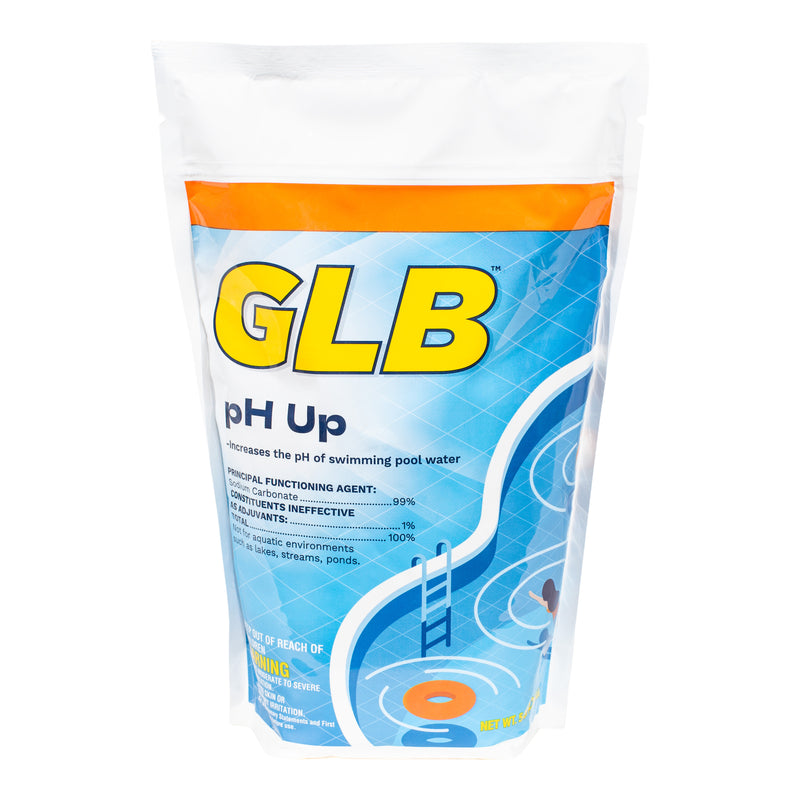
How To Lower Ph After Shocking
If your pH rises too high after shocking, here’s what to do:
- Retest your water 24 hours after shocking.
- If pH is above 7.8, add a small amount of muriatic acid or sodium bisulfate as directed.
- Run the pump for several hours, then retest.
- Add more acid in small amounts if needed.
Never add large amounts of acid at once—it’s easy to overshoot and make the water too acidic.
When Should You Shock Your Pool?
Shocking is important, but not every week for every pool. Shock your pool:
- After heavy use (pool parties)
- After a rainstorm or algae bloom
- When chlorine drops below 1 ppm
- If water smells strongly of chlorine (combined chlorines)
- Once every 1-2 weeks for maintenance
Over-shocking can waste chemicals and cause unnecessary pH swings.
How To Pick The Best Pool Shock For Your Pool
Choosing the right shock depends on your pool’s needs.
Use Cal Hypo If:
- Your pH is on the low side (7.2–7.4)
- You want to raise both chlorine and pH
- Calcium hardness is not already high
Use Dichlor If:
- Your pH is in the ideal range
- You need to add both chlorine and stabilizer
- You want a small effect on pH
Use Liquid Chlorine If:
- You want fast, strong chlorination
- You don’t want to add stabilizer or calcium
- PH is a little low
Use Non-chlorine Shock If:
- You want to oxidize organics without adding chlorine
- PH is high and you want a small drop
- You use your pool often and want “swim-ready” water
Credit: www.poolgeek.com
Pool Shock And Ph: Myths Vs. Facts
Many myths circulate among pool owners. Let’s clear up the most common ones:
- Myth: All pool shock raises pH.
- Fact: Only alkaline shocks like cal hypo and liquid chlorine do. Dichlor and non-chlorine shocks may lower or not affect pH.
- Myth: Shocking always fixes pH problems.
- Fact: Shocking is not a pH fix. It can make pH worse if not used correctly.
- Myth: You can shock and balance pH at the same time.
- Fact: Always shock first, then test and adjust pH afterward.
- Myth: The more shock, the cleaner the pool.
- Fact: Over-shocking can harm pool surfaces and throw off pH.
For more in-depth chemistry explanations, check out this Swimming Pool Sanitation guide.
Frequently Asked Questions
Does Pool Shock Always Increase Ph?
No, not all shocks increase pH. Calcium hypochlorite and liquid chlorine usually raise pH, while dichlor is nearly neutral, and non-chlorine shock can lower pH. The effect depends on the type and amount of shock you use.
How Soon After Shocking Should I Test The Ph?
Test your pH about 24 hours after shocking. This lets the chemicals mix and gives you a true reading. Testing too soon can show a temporary spike that settles down after chlorine has done its work.
What Should I Do If My Ph Gets Too High After Shocking?
If your pH is above 7.8 after shocking, add a small dose of muriatic acid or sodium bisulfate as directed. Wait a few hours, then retest. Add more if needed, but go slowly to avoid over-correction.
Can I Swim In My Pool If The Ph Is High After Shocking?
It’s best to wait until your pH is back in the 7.2–7.8 range. High pH can make chlorine less effective and irritate skin and eyes. Swimming is safest when both chlorine and pH are in their ideal ranges.
Does Shocking The Pool Affect Other Chemical Levels?
Yes, shocking can affect alkalinity, calcium, and cyanuric acid levels, depending on the type of shock. Always check all your levels regularly and adjust as needed to keep your pool water balanced.
Enjoying a pool is about more than just adding chemicals. By understanding how pool shock affects pH—and learning to test, adjust, and choose the right products—you’ll keep your water clear, comfortable, and safe all season long.

Credit: www.amazon.com