
A backyard pool is a place of fun, relaxation, and refreshment. But to enjoy clear, healthy water, you need to keep the pool’s chemistry balanced. One of the most common maintenance tasks is adding pool shock. Many pool owners wonder: Does pool shock raise pH? The answer is not as simple as a yes or no. Pool shock comes in different types, and each type can affect your pool’s pH in a unique way. This article explains how pool shock interacts with pH, why it matters, and what you should do to keep your pool safe and enjoyable.
What Is Pool Shock?
Pool shock is a chemical treatment used to sanitize pool water. It works by adding a large dose of chlorine or another oxidizer to destroy bacteria, algae, and organic contaminants. Shocking the pool is important when:
- The water looks cloudy or green
- There is a strong chlorine smell
- After heavy use or a pool party
- After rainstorms or hot weather
Pool shock is not a single product. It refers to several chemicals, each with its own effects on water chemistry. Some shocks are chlorine-based, while others do not contain chlorine at all.
Types Of Pool Shock
- Calcium Hypochlorite (Cal-Hypo)
- Sodium Dichlor
- Potassium Monopersulfate (Non-chlorine shock)
- Lithium Hypochlorite
Each type has advantages and disadvantages. The main difference for pool owners is how each shock affects the pH and other pool levels.
Understanding Ph In Pools
pH is a measure of how acidic or basic the pool water is. The pH scale goes from 0 to 14:
- 0–6.9: Acidic
- 7.0: Neutral
- 7.1–14: Basic (alkaline)
For swimming pools, the ideal pH is between 7.2 and 7.8. If pH is outside this range, swimmers may experience:
- Eye and skin irritation
- Cloudy water
- Damage to pool equipment and surfaces
- Reduced chlorine effectiveness
That’s why understanding how pool shock changes pH is crucial.
How Different Types Of Pool Shock Affect Ph
Not all shocks are created equal. Some will raise pH, some may lower it slightly, and some have little effect. Let’s look at each type in detail.
Calcium Hypochlorite (cal-hypo)
Calcium hypochlorite is one of the most common pool shocks. It is usually sold in granular or tablet form and contains 65–75% available chlorine.
- Effect on pH: Raises pH
When you add Cal-Hypo to water, it dissolves and forms calcium hydroxide, a strong base. This reaction increases the pool’s pH. Frequent use of Cal-Hypo can lead to pH creeping above the recommended range.
Non-obvious insight: Besides raising pH, Cal-Hypo also increases calcium hardness. High calcium can cause scaling on pool walls and equipment, a problem many beginners miss.
Sodium Dichlor
Sodium dichloro-s-triazinetrione (dichlor) is a stabilized chlorine shock. It dissolves quickly and contains cyanuric acid, which protects chlorine from sunlight.
- Effect on pH: Slightly lowers or does not change pH
Dichlor is almost neutral in pH (around 6. 5–7. 0). It is safer for vinyl pools and for use in hot tubs. If you are concerned about raising pH, dichlor is a better choice.
Non-obvious insight: Overusing dichlor can raise cyanuric acid levels too high, making chlorine less effective. This is a common mistake for pool owners who want to avoid pH changes.
Potassium Monopersulfate (non-chlorine Shock)
Potassium monopersulfate is a non-chlorine shock. It oxidizes contaminants without using chlorine.
- Effect on pH: Slightly lowers pH or stays the same
This shock is almost pH neutral and does not add chlorine or stabilizer to your pool. It is useful for routine maintenance when you want to swim soon after shocking.
Lithium Hypochlorite
Lithium hypochlorite is a fast-dissolving shock, but it is less common due to higher cost.
- Effect on pH: Raises pH
Like Cal-Hypo, lithium hypochlorite increases pH. However, it does not add calcium. This can be helpful if your pool already has hard water.
Quick Comparison Table: Shock Types And Ph Impact
Here is a quick overview of how popular shocks affect pH:
| Shock Type | Active Ingredient | Raises pH? | Other Effects |
|---|---|---|---|
| Calcium Hypochlorite | Calcium hypochlorite | Yes (raises pH) | Raises calcium hardness |
| Sodium Dichlor | Sodium dichloro-s-triazinetrione | No (neutral/slightly lowers) | Adds cyanuric acid |
| Potassium Monopersulfate | Potassium peroxymonosulfate | No (neutral/slightly lowers) | No chlorine added |
| Lithium Hypochlorite | Lithium hypochlorite | Yes (raises pH) | No calcium added |
Why Ph Changes Matter After Shocking
When you shock your pool, you are not just killing bacteria. You are also changing the water chemistry. If the pH rises too high (above 7.8), chlorine becomes less effective. If it falls too low (below 7.2), the water turns acidic and can damage surfaces.
High pH after shocking can cause:
- Cloudy water
- Scale buildup on pool walls, pipes, and filters
- Weak chlorine, allowing bacteria to survive
Low pH can lead to:
- Corroded metal parts
- Etched plaster or damaged vinyl liners
- Eye and skin irritation
So, it’s not enough to just add shock and walk away. You need to test and balance your water after every treatment.
How Much Does Pool Shock Raise Ph? (real Numbers)
The actual pH increase depends on:
- The amount of shock added
- Pool size (gallons or liters)
- The starting pH
- Buffering capacity (alkalinity)
As a practical example: Adding 1 pound (about 450 grams) of Cal-Hypo shock to 10,000 gallons (about 38,000 liters) of water can raise pH by 0.2 to 0.4 units. If your pool was at 7.6, it could go up to nearly 8.0.
Important: This is an average. Results vary depending on your water’s current chemical makeup.
Step-by-step: How To Shock Your Pool Safely
Shocking a pool is simple, but doing it right helps avoid pH problems. Here’s a proven method:
- Test your water before adding shock. Check pH, chlorine, and alkalinity.
- Choose the right shock for your pool type and needs.
- Pre-dissolve shock in a bucket of water if the label recommends. This helps avoid bleaching pool surfaces.
- Add shock in the evening. Sunlight breaks down chlorine, making it less effective.
- Pour shock slowly around the pool’s edge while the pump is running.
- Wait the recommended time before swimming. This is usually 8–24 hours, depending on the product.
- Test water again after shocking. Adjust pH if needed.
Pro tip: Always follow the manufacturer’s instructions. Using too much or too little shock can cause pH swings and other problems.

Credit: www.amazon.com
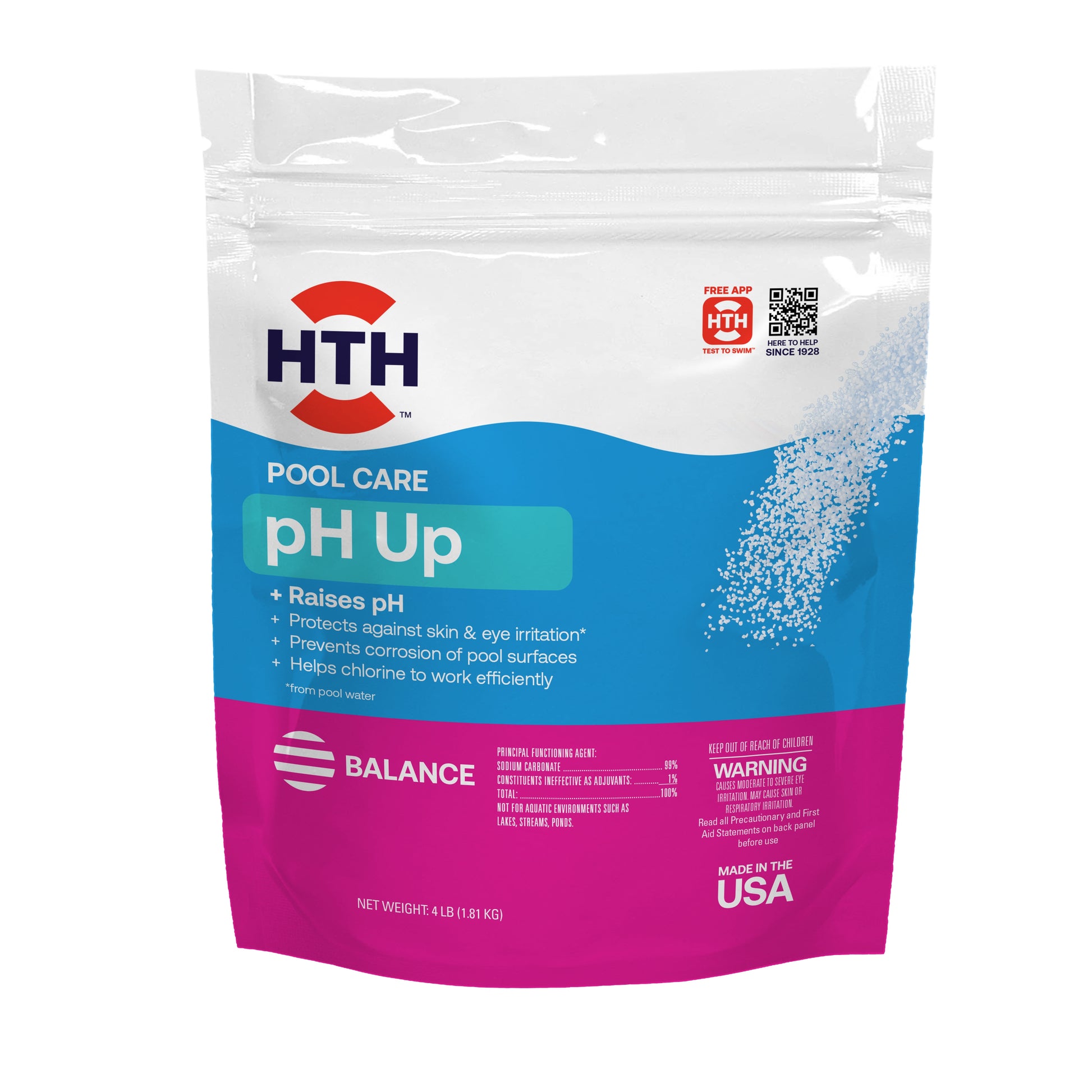
What To Do If Pool Shock Raises Ph Too High
If you notice that your pH has climbed above 7.8 after shocking, act quickly. Here’s how to bring it back down:
- Test to confirm the actual pH level.
- Add a pH decreaser (such as sodium bisulfate or muriatic acid). Add small amounts, wait 2–4 hours, and retest.
- Keep the pump running to circulate chemicals evenly.
- Retest and repeat as needed. Do not add too much acid at once; this can swing pH too low.
Experience-based tip: Make changes in small steps. Overshooting is a common beginner mistake. It’s easier to add more if needed than to fix a pool with pH that’s too low.
How To Keep Ph Stable When Using Pool Shock
Balancing pH is not a one-time job. Here are strategies to keep your pool’s pH in the right range:
- Test pH at least 2–3 times a week, especially after shocking.
- Maintain total alkalinity between 80–120 ppm. Good alkalinity helps buffer pH and prevent wild swings.
- Use the right shock for your pool’s needs. If pH is always high, switch to a shock that is neutral or slightly acidic.
- Add chemicals in stages. Do not dump everything at once. Spread additions over hours or days if needed.
- Clean the pool regularly. Leaves, dirt, and debris can change pool chemistry and affect pH.
Non-obvious insight: Pool covers help reduce pH changes by blocking sunlight, which breaks down chlorine and causes more frequent shocks.
Common Mistakes When Shocking Pools
Many pool owners accidentally make pH problems worse. Here are mistakes to avoid:
- Shocking without testing first. Always know your starting pH.
- Adding too much shock at once. More is not always better.
- Ignoring the type of shock. Not all shocks are created equal for your pool.
- Not circulating water. If chemicals do not mix, you can get pH hot spots.
- Skipping pH adjustment after shocking. Always test after.
Confident guidance: If you are new to pool care, keep a logbook. Write down what you add and the test results. Patterns will help you fix problems faster.
Special Cases: Saltwater Pools And Hot Tubs
Saltwater Pools
Saltwater pools use a generator to make chlorine from salt. Shocking a saltwater pool is similar, but you may need less shock because the generator works continuously.
Tip: Saltwater pools often have higher pH drift, especially when using Cal-Hypo. Test pH more often and use pH-neutral shock when possible.
Hot Tubs
Hot tubs are smaller, so pH changes happen faster. Use dichlor or non-chlorine shock for hot tubs, as they are less likely to cause big pH swings. Avoid Cal-Hypo unless the water is very acidic.
Credit: hthpools.com
How Often Should You Shock Your Pool?
The best routine is to shock:
- Once a week during hot weather or heavy use
- After storms or lots of rain
- When chlorine is low or water is cloudy
If you shock too often, you may cause high pH and other problems. If you do not shock enough, bacteria and algae can grow.
Pool Shock And Other Water Parameters
Pool shock does not just affect pH. It can also change:
- Total alkalinity: Cal-Hypo can raise it; acid shocks can lower it
- Calcium hardness: Cal-Hypo adds calcium, which can build up over time
- Cyanuric acid: Dichlor adds stabilizer, which can become too high
If any of these are out of range, you may see cloudy water, scaling, or chlorine lock (where chlorine stops working).
Pro tip: Use a full test kit, not just pH and chlorine strips. Digital testers give even more accurate results.
What Pool Professionals Recommend
Most pool professionals suggest this routine for clear, safe water:
- Test pH and chlorine before and after shocking
- Keep pH between 7.2–7.8
- Alternate between shock types if needed to avoid buildup of calcium or cyanuric acid
- Use non-chlorine shock for routine maintenance, and chlorine shock after heavy use
- Always adjust pH as the final step before swimming
Real-world Example: What Happens When Ph Gets Too High After Shocking
Consider this scenario: You shock your 20,000-gallon pool with 2 pounds of Cal-Hypo. The next day, the pH has jumped from 7.5 to 8.1. The water is cloudy, and swimmers complain of itchy eyes.
What Should You Do?
- First, retest to confirm results.
- Add a small amount of muriatic acid (follow dosing instructions for your pool size).
- Run the filter and retest in a few hours.
- When pH is back in the safe range, the water will clear, and irritation will stop.
If you ignore high pH, the chlorine will not work well, and problems will get worse.
Comparing Pool Shocks: Which Is Best For Ph Control?
Let’s compare the most popular pool shocks for pH control in a simple table.
| Shock Type | Effect on pH | Best For | Limitations |
|---|---|---|---|
| Calcium Hypochlorite | Raises pH | General use, algae blooms | Adds calcium, not for hard water |
| Sodium Dichlor | Neutral/slightly lowers | Vinyl pools, routine use | Adds cyanuric acid |
| Potassium Monopersulfate | Neutral/slightly lowers | Quick swim return, routine oxidizing | Does not kill algae |
| Lithium Hypochlorite | Raises pH | Soft water, fast dissolve | Expensive, less available |
How Weather And Usage Affect Ph After Shocking
Weather and heavy use can make pH control harder:
- High temperatures speed up chemical reactions and evaporation, causing faster pH changes.
- Rainwater is usually slightly acidic and can lower pH, but after shocking, the balance can swing.
- Heavy swimmer load introduces sweat, body oils, and other contaminants that can change pH.
Tip: After big events or storms, always test and adjust pH as needed.

Credit: www.amazon.com
Advanced Tips For Pool Owners
1. Use borates to buffer pH: Adding borates (around 50 ppm) helps keep pH steady and reduces the need for frequent adjustments.
2. Try automatic pH controllers: These devices monitor and adjust pH automatically, which is helpful for busy pool owners.
3. Keep a maintenance log: Write down all chemical additions, test results, and shock treatments. Patterns will help you fine-tune your routine.
4. Use professional water tests once a month: Pool stores can test for things that home kits may miss, like metals or phosphates.
5. Learn your pool’s “personality”: Every pool reacts differently. Some pools need more frequent pH checks, others are more stable.
Environmental Impact Of Pool Shock And Ph
Adding chemicals affects not just your pool, but also the environment. High pH water discharged into the ground or sewer can harm plants and animals. Always follow local rules for draining pools, and avoid dumping pool water directly into storm drains.
Non-obvious insight: Using the right amount of shock and keeping pH balanced reduces chemical waste and is better for the environment.
For more information on pool chemistry and safe disposal, visit the U.S. Environmental Protection Agency.
Frequently Asked Questions
Does Every Type Of Pool Shock Raise Ph?
No, not every type. Calcium hypochlorite and lithium hypochlorite raise pH. Sodium dichlor and potassium monopersulfate are neutral or can slightly lower pH. Always check the product label and test your water after use.
What Should I Do If My Pool’s Ph Is Too High After Shocking?
Add a pH decreaser such as sodium bisulfate or muriatic acid, following dosing instructions. Add in small amounts, let the water circulate, and retest. Don’t overcorrect, as it’s easy to make the pH too low.
Can I Use Non-chlorine Shock Instead Of Chlorine Shock?
Yes, non-chlorine shock (potassium monopersulfate) is effective for routine maintenance and quick swim times. However, it does not kill algae or bacteria as well as chlorine shocks. Alternate with chlorine shock as needed.
How Long Should I Wait To Swim After Shocking My Pool?
Wait at least 8–24 hours after using chlorine-based shock, or until chlorine levels are back to 1–3 ppm. With non-chlorine shock, you can often swim after just a few hours. Always check the product label for safe wait times.
Will Shocking My Saltwater Pool Affect Ph Differently?
Saltwater pools can experience faster pH drift because of the salt chlorine generator. Shocking with Cal-Hypo will still raise pH. Use pH-neutral shocks when possible, and test pH more frequently in saltwater pools.
A clear, balanced pool is the result of understanding how each chemical, including pool shock, affects your water. By choosing the right shock and testing regularly, you can keep your pool healthy, comfortable, and ready for swimming all season long.