
Keeping your oven clean is important for both health and cooking performance. If you own a Whirlpool oven, you may have noticed a feature called Steam Clean. This function promises an easier, safer way to clean your oven without harsh chemicals or high heat. But how do you actually use the Steam Clean on a Whirlpool oven? Many people are unsure about the right steps, the ideal times to use it, and what results to expect. This article will guide you through every detail of using the Steam Clean feature, giving you clear instructions, expert tips, and practical insights that even experienced users sometimes miss.
What Is The Steam Clean Feature In Whirlpool Ovens?
The Steam Clean function is a modern cleaning method designed for light soil and small spills. Unlike the traditional Self-Clean cycle, which uses extremely high temperatures, Steam Clean uses water and low heat to soften and loosen food residue. This makes it easier to wipe away grime with a cloth afterward.
The main advantage of Steam Clean is its gentleness. It is safer for oven racks, pans, and the oven’s interior finish. Since it doesn’t reach the high temperatures of Self-Cleaning (which can go above 800°F or 425°C), there’s less risk of smoke, odors, or damage to parts.
For busy kitchens, the Steam Clean cycle is also much quicker than traditional deep cleaning. It usually takes about 20–40 minutes, compared to 3–6 hours for a full Self-Clean cycle.
Steam Clean Vs Self-clean: Key Differences
Here’s a quick comparison of the two methods so you can see when Steam Clean is the better choice.
| Feature | Steam Clean | Self-Clean |
|---|---|---|
| Cleaning Time | 20–40 minutes | 3–6 hours |
| Temperature | Low (around 200°F/93°C) | Very High (up to 900°F/482°C) |
| Best For | Light soil, small spills | Heavy, baked-on grime |
| Odors/Smoke | Minimal | Possible smoke/odor |
| Oven Racks Inside? | Yes | No (remove before cycle) |
| After-Cleaning Effort | Wipe out loosened debris | Wipe out ash residue |
When Should You Use Steam Clean?
The Steam Clean feature is not designed for every mess. It works best if you use it soon after a spill or light splatter. If you bake something that overflows, or if you notice grease spots after roasting, running a Steam Clean cycle quickly can prevent stains from becoming permanent.
Use Steam Clean when:
- You see fresh spills or light, moist food residue
- You clean your oven regularly (every 1–2 weeks)
- You want a quick, chemical-free clean
Avoid Steam Clean if:
- There is heavy, burnt-on, or carbonized residue
- The oven hasn’t been cleaned in months
- You want a “like new” deep clean (use Self-Clean instead)
One mistake people make is waiting too long. If a spill dries and gets baked on repeatedly, Steam Clean will not remove it completely. For best results, treat messes quickly.
Preparing Your Whirlpool Oven For Steam Clean
Before you start, a little preparation goes a long way. Proper prep ensures the Steam Clean cycle works as intended and keeps your oven in good condition.
Steps To Prepare
- Empty the oven: Remove all cookware, pans, and anything stored inside. Oven racks can stay, as Steam Clean is gentle.
- Wipe out loose debris: Use a damp cloth or paper towel to remove crumbs and loose bits. This helps the steam reach stuck-on residue better.
- Check for heavy soil: If you see large, dry, or burnt pieces, scrape them off gently with a plastic scraper. Do not use metal tools, which can scratch the oven’s enamel surface.
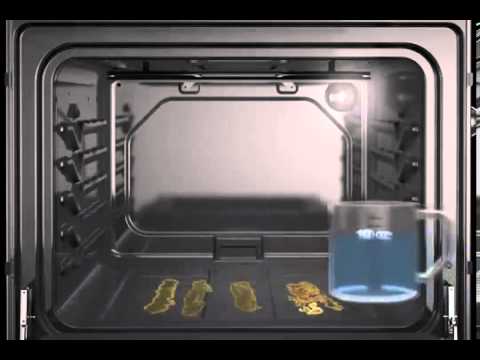
- Fill the Steam Clean well: Whirlpool ovens with Steam Clean have a shallow well or depression in the oven floor (bottom). Pour the recommended amount of water into this area. Usually, it’s about 1 cup (240 ml) of distilled or filtered water. Tap water is fine but may leave mineral spots.
Pro tip: Using distilled water can reduce white spots and mineral buildup in the oven.
Why Preparation Matters
If you skip these steps, the cycle may not work well. For example, failing to remove big chunks of food can keep the steam from reaching stains. If the oven is too dry, there won’t be enough steam to loosen grime.
Taking 5 minutes to prepare makes a big difference in the final result.
How To Start The Steam Clean Cycle On A Whirlpool Oven
Now that your oven is ready, it’s time to start the Steam Clean process. Most Whirlpool ovens use similar controls, but always check your owner’s manual for any special directions.
Basic Steps For Steam Clean
- Close the oven door completely. The seal must be tight so steam doesn’t escape.
- Select the Steam Clean option. On most models, press the “Steam Clean” button. If your oven uses a touchscreen, find “Steam Clean” in the menu.
- Set the cycle (if needed). Some ovens ask you to confirm or select a time (usually 20–40 minutes). For most light cleaning, the default time is enough.
- Start the cycle. Press “Start” or “Enter.” The oven will begin heating the water to create steam.
- Wait for the cycle to finish. The door stays locked during the process. Do not try to open it until the oven signals it’s done and safe.
- Let the oven cool. Wait at least 15–20 minutes after the cycle ends before opening the door. This prevents burns from hot steam.
What Happens Inside
During Steam Clean, the oven gently heats the water in the well. This creates steam that fills the oven and softens food residue. The cycle does not use fans or high heat, so it’s quiet and energy-efficient.
Caution: Never use cleaning chemicals, soap, or anything except water in the Steam Clean well. Chemicals can create harmful fumes and damage the oven.
Wiping Down After Steam Clean
The Steam Clean cycle loosens grime, but you still need to wipe out the oven to remove the softened debris.
Best Way To Wipe Down
- Open the oven door carefully. Steam may still be present.
- Use a soft, damp cloth or sponge. Microfiber works well. For stubborn spots, a nylon scrub pad is safe.
- Wipe all surfaces: Floor, walls, and racks (if left inside). Focus on areas where spills occurred.
- Dry with a clean towel. This prevents streaks and water spots.
If you see areas that are still dirty, repeat the Steam Clean cycle or use a mild baking soda paste (mix baking soda and water) to gently scrub the spot. Rinse thoroughly afterward.
What Not To Do
- Don’t use abrasive pads, steel wool, or sharp tools.
- Don’t use strong chemicals or oven cleaners.
- Don’t leave standing water in the oven.
Common Mistakes And How To Avoid Them
Many Whirlpool oven owners don’t get the best results from Steam Clean because of avoidable errors. Here are the most frequent mistakes and how to fix them:
- Waiting too long to clean: Old, baked-on spills are much harder to remove. Use Steam Clean soon after a mess happens.
- Using too little water: Not enough water means not enough steam, so stains may stay.
- Forgetting to remove cookware: Metal pans can block steam, and plastic items may melt.
- Skipping the wipe-down: Steam Clean loosens grime, but if you don’t wipe it out, residue will dry in place.
- Adding soap or chemicals: Only water should go into the Steam Clean well. Anything else can cause damage or odors.
A less obvious mistake is not checking your oven’s model for unique instructions. Some Whirlpool ovens have slightly different water requirements or Steam Clean cycles. Always check your manual or the manufacturer’s website.
Credit: www.youtube.com
Steam Clean: Results And Expectations
While Steam Clean is very useful, it has limits. Understanding what to expect can help you avoid disappointment.
What Steam Clean Removes Well
- Fresh, moist spills (like pie filling, sauces, or cheese)
- Thin grease spots
- Lightly baked-on food
What Steam Clean Struggles With
- Burnt, carbonized, or old stains
- Heavy buildup from months of cooking
- Thick, dry or crusty residue
If your oven has not been cleaned in a long time, you may need to run Steam Clean more than once or use the Self-Clean cycle for a deeper clean.
How Often Should You Use Steam Clean?
For most home cooks, running Steam Clean every 1–2 weeks keeps your oven looking good. If you cook daily or make messy foods often, you may want to use it more frequently.
Overusing Steam Clean is not harmful, but it is not needed for a spotless oven. Quick, regular cleaning is more effective than letting messes build up.
Advanced Tips For Better Steam Clean Performance
Getting the most out of your Whirlpool oven’s Steam Clean is about more than just following the basic steps. Here are advanced tips and insights that even experienced users sometimes overlook:
1. Use Steam Clean As Preventive Care
Don’t wait for a big mess. Use Steam Clean after cooking foods that are likely to splatter, even if you don’t see a big spill. Tomato sauce, cheese, and sugary liquids are easier to clean before they dry.
2. Add Vinegar For Extra Power
For stubborn grease, add a tablespoon of white vinegar to the water in the Steam Clean well. Vinegar helps cut through oil and leaves the oven smelling fresher. Don’t use more than this small amount, and never use harsh cleaners.
3. Warm The Oven First
If the oven is cold, run it at 200°F (93°C) for 5–10 minutes, then turn it off and start the Steam Clean cycle. A warm oven helps the water turn into steam faster, improving cleaning power.
4. Use A Plastic Scraper After Steam Clean
If you see sticky or stubborn spots after Steam Clean, use a plastic scraper to remove them gently. This is safe for the oven’s finish and avoids scratches.
5. Avoid Hard Water Stains
If you have hard water, mineral spots can form in your oven. Use distilled water for Steam Clean, or wipe the oven dry immediately after cleaning.
6. Clean The Door Glass Separately
Steam Clean does not always remove spots on the oven door glass. For a streak-free door, use a glass cleaner or a baking soda paste on the cool, dry glass. Avoid letting water drip into the door vents.
7. Leave The Oven Door Open After Cleaning
Once the oven is cool, leave the door open for 15–20 minutes. This helps moisture escape, which prevents odors and mildew.
8. Check The Oven Seal
A tight door seal is important for Steam Clean to work well. If you notice steam leaking from the oven, check the gasket for damage or wear and replace if needed.
9. Don’t Overfill The Steam Well
Adding extra water does not improve cleaning. In fact, too much water can overflow and damage the oven’s electronics.
Credit: www.stevesappliances.com
Whirlpool Oven Models With Steam Clean: A Quick Guide
Not every Whirlpool oven comes with Steam Clean, and some models have unique features. Here’s a look at popular models and what you need to know.
| Model | Steam Clean Option | Water Needed | Special Notes |
|---|---|---|---|
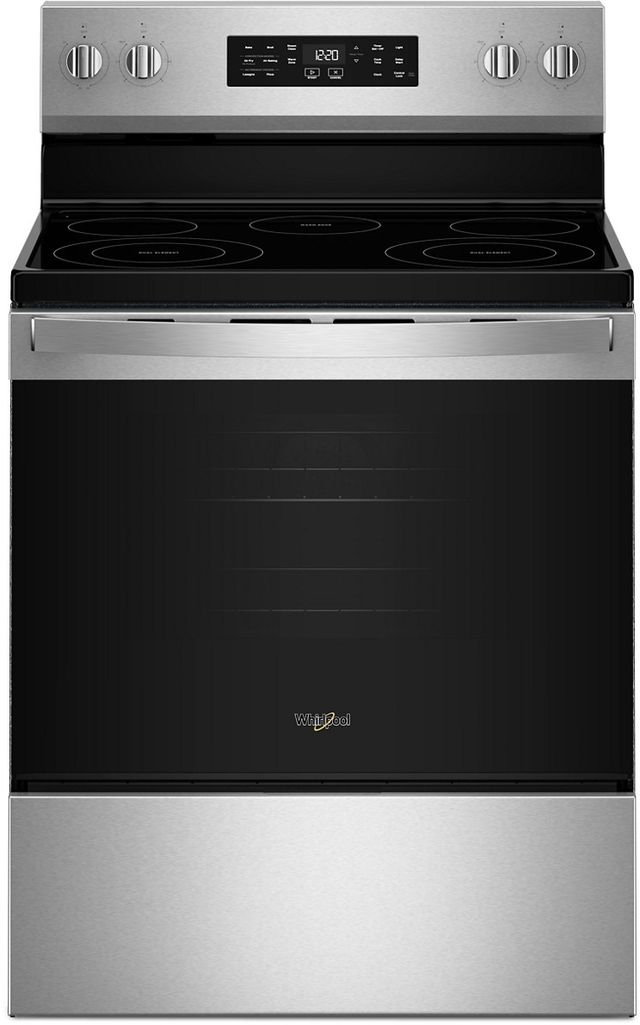
| WFE505W0JZ | Yes | 1 cup (240 ml) | Touch controls, classic well |
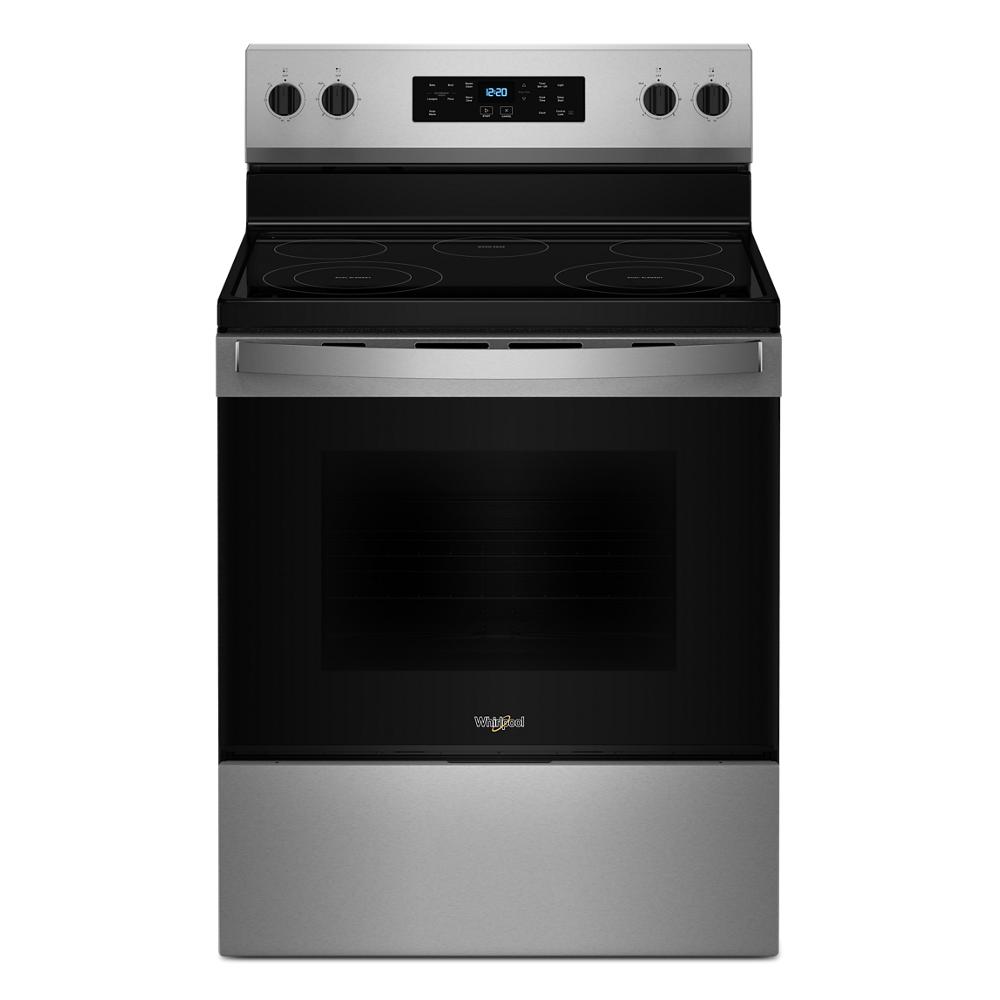
| WFE550S0HZ | Yes | 1 cup (240 ml) | Touchscreen interface |
| WFG505M0BS | No | N/A | Gas model, self-clean only |
| WFG320M0BS | Yes | 1 cup (240 ml) | Gas with Steam Clean |
| WOS51EC0HS | Yes | 1 cup (240 ml) | Wall oven, app control |
Always check your user manual for the exact steps and water amount for your model.
Maintenance And Care After Steam Clean
Keeping your oven in good condition after using Steam Clean is simple but important.
1. Dry The Oven Interior
After wiping out the residue, use a dry towel to remove any remaining moisture. This prevents mold or mildew from forming inside.
2. Inspect The Steam Well
Check for leftover water or mineral spots in the Steam Clean well. Wipe it dry and clean it regularly to prevent buildup.
3. Clean The Door Gasket
Food or water on the door seal can cause odors and affect the oven’s performance. Wipe the gasket gently with a damp cloth after every Steam Clean cycle.
4. Check Controls And Display
If water splashes onto the controls during Steam Clean or wiping, dry them immediately to avoid short circuits or sticky buttons.
5. Schedule Deep Cleaning
Even with regular Steam Clean cycles, schedule a full oven cleaning (Self-Clean or professional service) once or twice a year, especially if you bake often.
Credit: www.martinsappliance.com
Safety Tips When Using Steam Clean
Steam Clean is much safer than traditional high-heat cleaning, but there are still safety tips to follow:
- Never open the oven during Steam Clean. Hot steam can cause burns.
- Keep children and pets away while the cycle is running and while the oven is cooling down.
- Let the oven cool fully before wiping to avoid burns.
- Always use only water—never cleaning products—in the Steam Clean well.
- Check the oven for leaks after cleaning. Water should never drip out of the oven.
Non-obvious Insights For Better Results
- Don’t forget the air vents: Steam Clean cycles can cause moisture to collect around the oven’s air vents. Wipe these areas after cleaning to prevent rust or odor buildup.
- Use a flashlight: After Steam Clean, shine a flashlight inside your oven. This helps you spot any missed residue or water, especially in corners.
- Regularly clean around the oven door hinges: Food particles can collect here, which may not be reached by steam. A small brush or vacuum nozzle helps keep these areas clean.
Troubleshooting: If Steam Clean Isn’t Working Well
Sometimes the Steam Clean cycle doesn’t give perfect results. Here’s what to do if you run into problems:
- If stains remain: Run the Steam Clean cycle again, or use a baking soda paste on the spots.
- If water doesn’t steam: Make sure you added enough water and the oven is plugged in and working.
- If the oven smells: Clean the gasket, steam well, and vents. Use a little vinegar in the water next time.
- If the door won’t unlock: Wait until the oven cools completely. If it stays locked, check your manual for a reset or contact Whirlpool service.
Environmental Benefits Of Steam Clean
Using Steam Clean is not just easier—it’s also better for the environment. The cycle uses less energy than Self-Clean and avoids harsh chemicals that can harm the air or water. It also produces less smoke and odor, making it safer for your family and pets.
According to the U. S. Environmental Protection Agency, traditional oven cleaners can contain chemicals that are harmful to indoor air quality. Steam Clean avoids these risks, making your kitchen healthier.
For more information on oven cleaning safety and environmental impact, visit the EPA Safer Choice Program.
Frequently Asked Questions
How Much Water Should I Use For Steam Clean In My Whirlpool Oven?
Most Whirlpool ovens require 1 cup (240 ml) of water placed in the Steam Clean well. Always check your owner’s manual for your specific model.
Can I Use Vinegar Or Baking Soda In The Steam Clean Cycle?
You can add a small amount of white vinegar (about 1 tablespoon) to the water for extra cleaning power. Baking soda should not go in the Steam Clean well, but you can use it afterward on tough spots.
Is Steam Clean Safe For Oven Racks And Pans?
Yes, you can leave oven racks and most pans inside during Steam Clean, as the cycle uses only low heat and steam. Remove anything not oven-safe or made of plastic.
Why Does My Oven Still Smell After Using Steam Clean?
Odors can stay if food is stuck in the gasket, vents, or hard-to-reach areas. Wipe these spots after cleaning and use a little vinegar in the next Steam Clean to help remove smells.
How Often Should I Use The Steam Clean Feature?
For best results, use Steam Clean every 1–2 weeks or after any major spill. Frequent light cleaning keeps your oven looking and smelling fresh.
Keeping your Whirlpool oven clean doesn’t have to be a chore. With the Steam Clean feature and the right approach, you can enjoy a sparkling oven with less time, effort, and worry. Remember, regular care makes deep cleans much easier, and your food will always taste better in a clean oven.