
Anyone who owns a swimming pool knows the importance of keeping water balanced. One question that comes up often is: Does shocking a pool raise pH? Many pool owners see changes in pH after shocking, but the reasons are not always clear. Let’s break down the science behind pool shocking, how it affects pH, and what you need to do for a safe, sparkling pool.
Why Pool Water Balance Matters
Swimming pool water isn’t just H2O. It’s a mix of chemicals, minerals, and sometimes organic matter. pH is a key number in this mix. It measures how acidic or basic the water is, on a scale from 0 to 14. A pH of 7 is neutral. Most pools need a pH between 7.2 and 7.8.
Why does this matter? If pH is too low, the water is acidic. It can sting eyes, dry skin, and damage pool surfaces and equipment. If pH is too high, the water is basic. This can make chlorine less effective, cause cloudy water, and leave scale or deposits.
You might notice that swimmers complain about red eyes or itchy skin if the pH is not right—even if chlorine levels seem fine. Pool equipment, like pumps and heaters, can also corrode or clog much faster if pH is not kept in check.
Even the effectiveness of other chemicals (like algaecides) depends on the right pH.
When you shock a pool, you add a strong chemical—often chlorine or a similar oxidizer—to kill germs and break down waste. But does this chemical also push your pH up?
What Is Pool Shocking?
Shocking means adding a large dose of oxidizer to the pool. The main goal is to destroy:
- Bacteria
- Algae
- Chloramines (smelly combined chlorine)
- Organic contaminants (like sweat, sunscreen, leaves)
There are several types of pool shock:
- Calcium Hypochlorite (Cal-Hypo)
- Sodium Hypochlorite (Liquid Chlorine)
- Dichlor (Sodium Dichloro-S-Triazinetrione)
- Potassium Monopersulfate (Non-chlorine shock)
Each type works a bit differently, and some have a bigger effect on pH than others.
Shocking isn’t just for emergencies or green pools. Even if your water looks clear, tiny organic contaminants can build up, making chlorine work harder and less effective. Regular shocking helps keep water free from invisible threats and keeps your sanitizer working well.

Credit: www.amazon.com
How Shocking A Pool Affects Ph
The simple answer: It depends on the type of shock you use. Some shocks raise pH, some lower it, and some barely move it.
The Science Behind Pool Shock And Ph
When you add chlorine shock, it reacts with water and contaminants. This creates new compounds, some of which are basic (raise pH) and some acidic (lower pH). The overall effect depends on the chemical formula of the shock.
Let’s look at the most common types:
Calcium Hypochlorite
This is a strong, fast-acting shock. It’s a white powder or tablet.
- PH effect: Raises pH. When Cal-Hypo dissolves, it forms calcium hydroxide, which is basic.
- Extra info: Leaves calcium behind, which can increase calcium hardness over time.
- For example, if you shock frequently with Cal-Hypo, you may see white deposits on tiles or at the waterline. This is excess calcium building up.
Sodium Hypochlorite (liquid Chlorine)
This Is Another Common Shock, Often Sold As “liquid Bleach.”
- PH effect: Raises pH. The reaction forms sodium hydroxide, a strong base.
- Extra info: No calcium is added, but you need to check total alkalinity.
- Liquid chlorine is easy to pour and dissolves instantly, but if your pool’s pH is already on the high side, repeated use can push it up even more.
Dichlor
Dichlor is a stabilized chlorine shock. It dissolves fast and is safe for most pool surfaces.
- PH effect: Slightly lowers pH or keeps it stable. Its initial pH is close to neutral (about 6-7).
- Extra info: Adds cyanuric acid (stabilizer) to water.
- It’s a good choice if your stabilizer is low, but be careful—not to overuse, as too much cyanuric acid makes chlorine less effective over time.
Potassium Monopersulfate (non-chlorine Shock)
This is an oxygen-based shock, not chlorine. Used for quick cleaning.
- PH effect: Slightly lowers or does not change pH.
- Extra info: No effect on chlorine levels.
- It’s great for routine maintenance, especially if you want to swim soon after shocking. But it won’t kill tough algae blooms.
Here’s a simple comparison:
| Shock Type | Raises pH? | Notes |
|---|---|---|
| Calcium Hypochlorite | Yes (can be significant) | Adds calcium |
| Sodium Hypochlorite | Yes (moderate) | No stabilizer added |
| Dichlor | No (may slightly lower) | Adds cyanuric acid |
| Potassium Monopersulfate | No (may slightly lower) | Non-chlorine shock |
What Determines How Much Ph Will Change?
Not every shock treatment changes pH by the same amount. Several factors affect the outcome:
- Type of shock – As shown above, some raise pH more than others.
- How much shock you use – Higher doses mean bigger changes.
- Pool size – The same amount of shock raises pH more in a small pool.
- Water’s starting pH and alkalinity – High alkalinity resists pH change.
- How much organic matter is in the water – More contaminants can make shock work harder, sometimes lowering pH.
Real-world Example
Imagine two pools—one is 10,000 gallons, one is 20,000 gallons. Both use 1 pound of calcium hypochlorite shock. The smaller pool will see a bigger pH jump because the same chemical is more concentrated.
If you shock after a heavy rain or after lots of kids swim, there’s more organic material. The shock might be “used up” reacting with these, and the pH change could be less predictable. Experienced pool owners check weather and bather load before deciding how much shock to use.
Understanding Ph Changes: Why Pool Owners Get Surprised
Many pool owners notice a rise in pH after shocking, but the reasons are often misunderstood. Here are two insights beginners often miss:
- Chlorine itself is not always basic. In fact, pure chlorine gas lowers pH, but most pool shocks are not pure chlorine.
- Alkalinity buffers pH changes. If your pool’s alkalinity is high, even a strong shock may barely change the pH. But if alkalinity is low, pH can swing quickly.
Another detail: When you test pH right after shocking, results can be misleading. High chlorine levels may interfere with some test kits, making pH look higher or lower than it really is. Wait for chlorine to drop to normal before making big adjustments.
How Much Does Ph Rise After Shocking?
It’s hard to give an exact number, because every pool is different. But you can expect:
- Calcium Hypochlorite: PH can rise by 0.2 to 0.5 units, depending on dose and pool size.
- Sodium Hypochlorite: Similar range, but often a bit less.
- Dichlor: Minimal effect, sometimes lowers pH slightly.
- Potassium Monopersulfate: Usually no noticeable effect.
To see how this works, here’s a sample data table:
| Pound of Shock Used | Pool Size (Gallons) | Expected pH Change (Cal-Hypo) |
|---|---|---|
| 1 lb | 10,000 | +0.3 to +0.5 |
| 1 lb | 20,000 | +0.1 to +0.25 |
| 2 lbs | 10,000 | +0.5 to +0.8 |
These are rough estimates. Always test your water after shocking. For example, if you have a vinyl-lined pool, even a 0. 3 jump in pH can increase scaling risk. For plaster pools, high pH for long periods can cause roughness or “etching” of the surface.
What To Do If Your Pool Ph Is Too High After Shocking
If your pool’s pH jumps above 7. 8 after shocking, you should bring it back down. High pH makes chlorine less effective and can cause cloudy water or scale.
Steps To Lower Ph
- Test your water with a reliable test kit or test strips. Don’t guess.
- Add pH decreaser (like sodium bisulfate or muriatic acid) if the pH is above 7.8.
- Follow dosing instructions on the product label.
- Wait and retest after 4–6 hours before swimming.
If your pH is only slightly high (like 7. 9), small adjustments are best. For a big jump (over 8. 0), add the acid in two doses, waiting between each, to avoid dropping pH too fast. Sudden, large pH drops can stress pool surfaces and swimmers’ skin.
Common Mistakes
- Adding too much acid at once. Always start with a smaller dose, then retest.
- Not circulating water after adding chemicals. Run the pump for even mixing.
- Forgetting to check alkalinity. If alkalinity is too low, pH will bounce back up.
Another common error is adding pH reducer directly into the skimmer. This can damage pool equipment. Always add it slowly around the deep end with the pump running.
Can You Shock A Pool Without Affecting Ph?
Yes, but you need to pick the right shock. Dichlor or potassium monopersulfate are the best choices if you want to avoid changing pH.
There are also some advanced products, but these can be expensive. For most home pools, choosing the right shock is the easiest method.
For example, if you’re preparing for a pool party and need to shock but your pH is already high, use dichlor instead of cal-hypo. This keeps water balanced and prevents last-minute problems.
How To Shock Your Pool With Minimal Ph Impact
If you want to sanitize your pool but keep pH stable, follow these steps:
- Test pH and alkalinity first. If pH is already high, use a shock that doesn’t raise pH (like dichlor or non-chlorine shock).
- Pre-dissolve shock in a bucket of water, unless label says otherwise. This helps avoid “hot spots” in the pool.
- Add shock in the evening, so sunlight doesn’t burn off chlorine.
- Distribute shock evenly around the pool.
- Run the pump for at least 8 hours after shocking.
- Retest pH and chlorine levels the next day.
If you use liquid chlorine, pour slowly around the edge with the pump running. For powders, use a clean plastic bucket and stir until fully dissolved. Never add shock to water with swimmers present.
The Role Of Alkalinity In Ph Changes
Total alkalinity acts as a buffer against pH swings. If your pool’s alkalinity is in the ideal range (80–120 ppm), pH changes from shocking are smaller and slower.
If alkalinity is low, pH will swing more dramatically. If it’s too high, it’s harder to adjust pH up or down.
Here’s a quick comparison of pH stability based on alkalinity:
| Alkalinity (ppm) | pH Stability | Impact After Shocking |
|---|---|---|
| Below 80 | Unstable | Large swings up or down |
| 80–120 | Stable | Small, manageable changes |
| Above 120 | Very stable | Hard to change pH |
If you keep correcting pH but ignore alkalinity, you’ll be stuck in a cycle of endless adjustments.
Other Factors That Can Change Pool Ph
Shocking is just one way pH can change. Here are a few others:
- Rainwater: Usually acidic, can lower pH.
- Swimmers: Sweat, sunscreen, and body oils add organic material, which can lower pH over time.
- Filling with tap water: Depending on your water supply, this can raise or lower pH.
- Leaves and debris: As they rot, they release acids.
Even pool toys and floats can affect the water if they bring in dirt or organic matter. If you live in an area with hard water, topping up the pool can slowly raise pH and calcium levels.
This is why it’s important to test your pool water at least 2–3 times a week.
How Often Should You Shock Your Pool?
Most experts recommend shocking your pool:
- Once a week during heavy use
- After a pool party or storm
- If you see algae or cloudy water
- If chlorine smells strong (means chloramines are high)
If you shock regularly but always use Cal-Hypo or liquid chlorine, remember you may need to adjust pH more often.
If you travel or close your pool for winter, shock before and after to keep water safe. For indoor pools, shocking may be needed less often, but always test and adjust as needed.
Pros And Cons Of Each Shock Type
Understanding your options helps you avoid unwanted pH swings.
Calcium Hypochlorite
Pros:
- Strong, fast-acting
- Widely available
- Good for killing algae
Cons:
- Raises pH
- Adds calcium (can cause scaling)
Sodium Hypochlorite
Pros:
- No residue
- Fast action
- Easy to use
Cons:
- Raises pH
- Short shelf life
Dichlor
Pros:
- Less pH impact
- Dissolves quickly
- Good for regular maintenance
Cons:
- Adds stabilizer (cyanuric acid), which can build up over time
Potassium Monopersulfate
Pros:
- No effect on pH or chlorine
- Quick re-entry (swim soon after)
Cons:
- Doesn’t kill algae as well as chlorine
- More expensive
If you have a saltwater pool, potassium monopersulfate can be a good choice between chlorine shocks, as it won’t interfere with your salt system.
Signs Your Pool Ph Is Out Of Balance After Shocking
How do you know if shocking has pushed your pool’s pH too high or low? Watch for these signs:
- Cloudy water: Often from high pH or calcium.
- Scaling on tiles or ladders: High pH and calcium.
- Eye or skin irritation: Usually from low pH.
- Strong chlorine smell: Could mean chloramines or pH imbalance.
But don’t rely only on signs. Always test your water. Sometimes water can look clear but still have unbalanced chemistry.
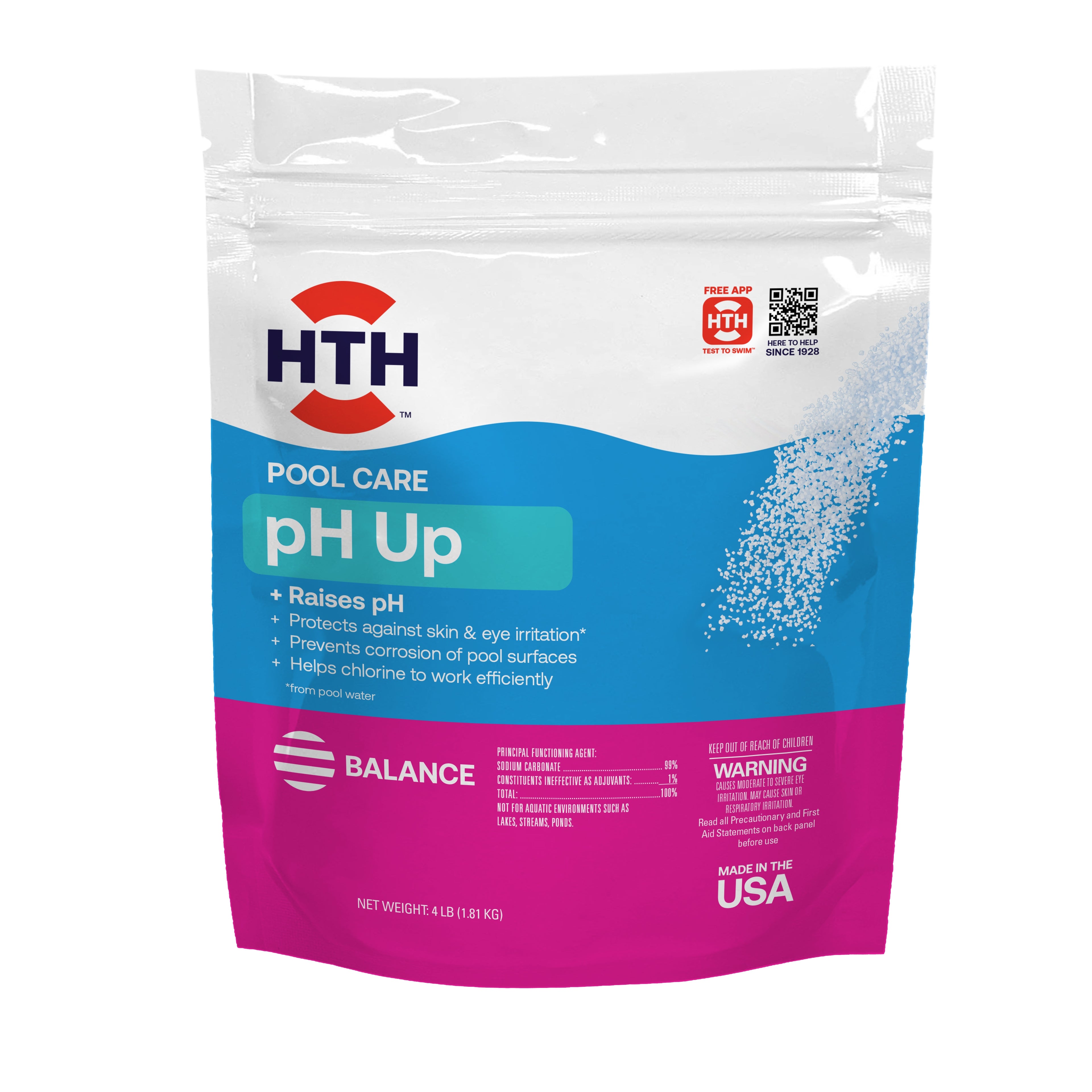
Credit: hthpools.com
The Best Way To Test Pool Ph After Shocking
Use a liquid test kit for the most accurate results. Test strips are fast and easy, but can be less precise.
- Wait at least 8 hours after shocking to test (or until chlorine returns to normal).
- Test pH, alkalinity, and chlorine levels together.
- Record results, so you spot trends over time.
If you notice pH creeping up every week after shocking, switch to a different shock or adjust your routine. Tracking your data helps avoid surprises.
How To Prevent Ph Problems When Shocking Your Pool
A little planning keeps your pool water healthy and balanced. Here’s what experienced pool owners do:
- Test before and after shocking. Never guess.
- Choose your shock based on current pH and alkalinity.
- Don’t over-shock. Follow the label for your pool size.
- Balance alkalinity first. If it’s too low, correct it before shocking.
- Add chemicals one at a time. Don’t add shock and acid together.
- Maintain good filtration and circulation. This helps chemicals mix evenly.
A smart tip: In very hot weather, evaporation can concentrate chemicals and raise pH. Top up water as needed and retest.
Practical Tips For Beginners
- Always read the label on your shock product. Some require pre-dissolving, others do not.
- Store pool chemicals in a cool, dry place—away from kids and pets.
- Never mix different pool chemicals together—this is dangerous.
- If you’re unsure, take a water sample to a pool store for testing.
Don’t use household bleach as a substitute unless you know the strength. Pool chemicals are designed for predictable dosing and safety.
Myth-busting: Common Misunderstandings About Pool Shock And Ph
Many pool owners think all pool shocks are the same or that shocking always raises pH. In fact:
- Not all shocks raise pH—some lower it or do nothing.
- You don’t need to shock more than recommended. Over-shocking can make balancing harder.
- Acidic shocks (like dichlor) are not always safer—they can lower pH too much if overused.
- High pH after shocking isn’t dangerous if you lower it quickly.
Another myth: You can skip pH testing if you use “pH-neutral” shock. In reality, other factors can still affect pH, so testing is always needed.

Credit: www.amazon.com
When To Call A Pool Professional
Most pool owners can handle shocking and pH balancing themselves. But call a pro if:
- PH stays too high or low no matter what you do
- You have cloudy water for days after shocking
- Scaling or stains won’t go away
- You’re not sure which products to use
A professional can test your water, inspect equipment, and recommend solutions. They may also spot hidden problems, like broken chlorinators or circulation issues.
More Resources
For more about pool chemistry and water balance, visit the CDC’s swimming pool disinfection guide.
Frequently Asked Questions
Does Shocking A Pool Always Raise Ph?
No, not always. Some shocks like calcium hypochlorite and liquid chlorine usually raise pH. Dichlor and non-chlorine shock may lower or not affect pH. It depends on the chemical used.
How Long After Shocking Should I Test My Pool’s Ph?
Wait at least 8 hours, or until the chlorine level returns to normal. This gives chemicals time to mix and react. Then test with a good liquid kit.
What Should I Do If Ph Is Too High After Shocking?
Add a pH reducer, such as sodium bisulfate or muriatic acid, following the product instructions. Circulate the water and retest after a few hours.
Can High Ph After Shocking Cause Cloudy Water?
Yes. High pH makes minerals fall out of solution, causing cloudiness and scale. Balance pH to 7. 2–7. 8 to clear the water.
Is It Safer To Use A Non-chlorine Shock To Avoid Ph Changes?
Non-chlorine shocks like potassium monopersulfate have little or no effect on pH. They are good for routine maintenance, but chlorine shocks are better for killing algae and bacteria during big problems.
Keeping your pool clean and safe doesn’t have to be a guessing game. By understanding how shocking affects pH—and choosing the right products—you’ll enjoy clear, comfortable water all season long.