
When you walk into a room and notice a sharp, unpleasant odor—one that reminds you of a dead animal—it can be both confusing and alarming. This smell coming from your electrical outlet is not just unpleasant; it’s a serious warning sign. Many homeowners worry immediately about a dead rodent, but sometimes the real problem is electrical, and both situations can be hazardous. Understanding why your electrical outlet smells like a dead animal, what dangers are involved, and how to solve the issue is critical for the safety of your home and family.
This article dives deep into the possible causes, dangers, and solutions for an electrical outlet that smells like a dead animal. You’ll learn how to identify the real source, practical steps to fix it, and how to prevent the problem from happening again.
Whether you’re a homeowner, renter, or simply someone who wants a safe living space, you’ll find clear, helpful guidance here.
Why Does My Electrical Outlet Smell Like A Dead Animal?
At first, the dead animal smell from an electrical outlet may seem straightforward. Many people assume a mouse or rat crawled inside and died. However, the reality is often more complex. The smell can come from actual animal decomposition, but it could also be the result of electrical problems like burning wires or melting plastic. Here’s why these two issues often get confused:
- Decomposing animals give off a strong, rotten odor, often described as “musky” or “sour.” If they die in the wall near an outlet, the smell can seep through.
- Burning electrical components (wires, outlets, insulation) can produce a similar foul smell, often described as “fishy” or “burnt plastic.” This is sometimes mistaken for dead animal odor, especially by those unfamiliar with electrical fires.
Key Insight: Many Homeowners Waste Time And Money Searching For A Dead Animal When The Smell Is Actually From A Dangerous Electrical Fault. Understanding Both Possibilities Saves You Time—and May Save Your Life.
Common Causes Of A Dead Animal Smell From Electrical Outlets
Understanding the root cause is the first step. Here are the most common reasons an electrical outlet may produce a smell like a dead animal:
1. Dead Rodents Or Animals In Walls
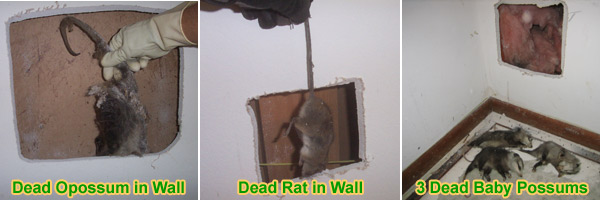
Rodents like mice, rats, or even squirrels can enter your walls searching for warmth or food. Sometimes, they die inside, often near electrical outlets because these spots are usually hidden and warm. As their bodies decompose, gases escape into your home, creating the strong, unmistakable stench.
Typical signs:
- Sudden appearance of the odor
- The smell gets worse over days, then slowly fades
- You may hear scratching sounds before the smell appears
2. Burning Or Overheating Electrical Components
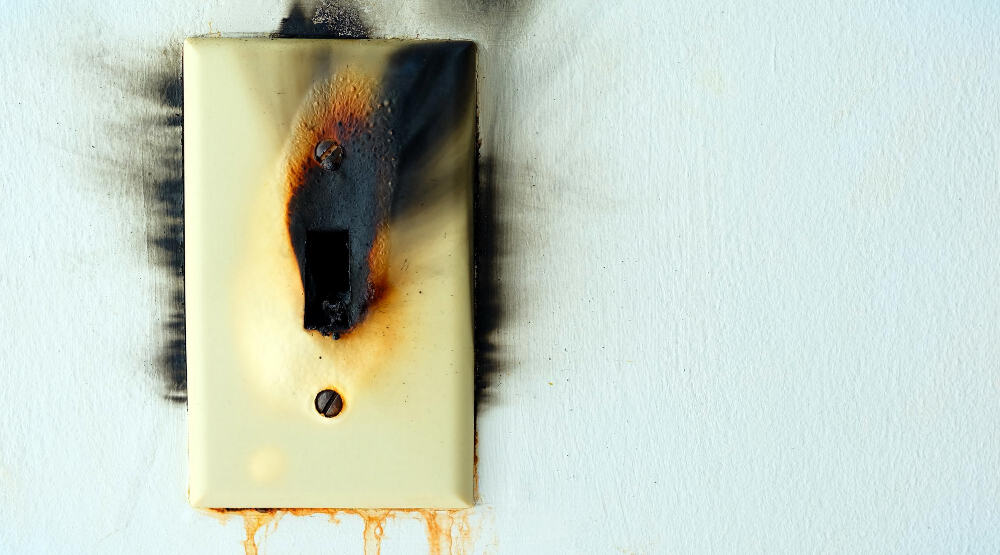
Overheating wires, melting insulation, or burning outlets can produce a smell that resembles a dead animal. This can happen due to:
- Loose wiring
- Overloaded circuits
- Short circuits
- Aging outlets or wiring
The chemical compounds released as wires and plastic burn can be very similar to those from decomposing organic material.
3. Mold Or Mildew Inside Walls
If moisture gets into your walls, mold and mildew can grow. While this smell is often musty, sometimes it’s strong enough to be confused with a dead animal, especially if combined with dust and electrical heat.
4. Trapped Food Or Organic Material
Rarely, small pieces of food or organic material (like a piece of fruit, or even a large insect) may get trapped near an outlet, especially in kitchens or basements. As these items rot, they can mimic the smell of a decaying animal.
5. Residue From Previous Infestations
Even after removing a dead animal, residue, fur, or droppings left behind can continue to produce odors, especially when warmed by electricity.
6. Chemical Reactions With Outdated Electrical Materials
Old, non-code-compliant wiring (like cloth-insulated wires) or outlets made with outdated plastics can break down over time, releasing volatile organic compounds that smell rotten or fishy.
Credit: www.wildlife-removal.com
How To Tell If The Smell Is Really A Dead Animal
Telling the difference between a dead animal and an electrical issue is crucial. Here’s how you can make an informed guess before you call a professional:
| Sign | Dead Animal | Electrical Problem |
|---|---|---|
| Smell Onset | Sudden, then worsens over days | Often gradual, then sharp |
| Smell Changes | Fades after a week or two | Persists or worsens with use |
| Associated Sounds | Scratching or scurrying before smell | Buzzing or crackling from outlet |
| Outlet Condition | No visible damage | Discoloration, warmth, or scorch marks |
| Other Signs | Flies, maggots near outlet | Lights flicker, breaker trips |
Non-obvious Insight: If The Smell Gets Much Stronger When Appliances Are Plugged In Or The Outlet Feels Warm, The Issue Is Likely Electrical—not A Dead Animal.
The Dangers Of Ignoring The Smell
Whether the smell comes from a dead animal or electrical fault, ignoring it is dangerous.
1. Health Risks From Dead Animals
- Bacteria and viruses: Decomposing animals can release harmful germs into the air.
- Respiratory problems: The gases produced can trigger asthma or allergies.
- Insects and parasites: Flies, maggots, and other pests may appear.
2. Fire Hazards From Electrical Problems
- Electrical fires: Overheated wires or outlets can ignite, leading to house fires.
- Shock risk: Damaged outlets may cause electrical shocks.
- Damage to appliances: Faulty wiring can ruin electronics and cause expensive repairs.
3. Structural And Mold Damage
- Rot: Moisture from decomposition or electrical heating can cause wood rot.
- Mold growth: Persistent moisture and organic material encourage mold, which further damages walls and air quality.
Quick Fact: According to the National Fire Protection Association, electrical failures or malfunctions caused 13% of house fires in the U.S. in 2021.
Immediate Steps To Take When You Smell Something Strange From An Outlet
Safety is the first priority. Do not ignore the smell or try to cover it with air fresheners. Here’s what to do:
- Unplug everything from the affected outlet immediately.
- Do not use the outlet until you know the cause.
- Check for heat: If the outlet feels hot, turn off the circuit breaker for that area.
- Ventilate the room: Open windows to reduce exposure to fumes.
- Inspect for visible signs: Look for discoloration, melting, or insects near the outlet.
- Listen for sounds: Crackling or buzzing means electrical danger—leave the area and call a professional.
When To Call For Emergency Help
- If you see smoke, fire, or sparks
- If the outlet is very hot to the touch
- If the breaker keeps tripping when using the outlet
- If you feel dizzy, nauseous, or unwell from the smell
Do not take risks. It’s better to get help early than face an emergency later.
How To Find The Source Of The Smell
Narrowing down the real source saves time and money. Here’s a practical approach:
Step 1: Inspect The Outlet
- Remove the outlet cover (after turning off the power).
- Check for visible animal remains, nesting material, or chewed wires.
- Look for burn marks, melted plastic, or black soot.
Step 2: Sniff Test
- Smell both the outlet and the wall nearby.
- If the wall smells stronger, the problem is likely inside the wall, not the outlet.
Step 3: Use A Flashlight
- Shine a light into the outlet box and surrounding area.
- Look for fur, droppings, or signs of chewing.
- If you see no animal evidence but find melted or discolored wiring, suspect electrical issues.
Step 4: Assess The Timeline
- Animal smells often fade after 1-2 weeks.
- Electrical smells last as long as the outlet or wiring is damaged.
Step 5: Check For Insects
- Flies and maggots are a strong sign of a decomposing animal.
- No insects usually means electrical problems.
Tip: If you’re unsure, don’t poke further—disturbing wires or animal remains can be hazardous.
Professional Solutions For Dead Animal Odor In Electrical Outlets
If you suspect a dead animal, professional help is often needed. Here’s what pros do:
1. Inspection With Cameras
Professionals use special cameras to look inside walls without making large holes. This helps locate the animal quickly and reduces wall damage.
2. Safe Removal
Once located, the animal is removed with protective gear. This prevents the spread of bacteria and reduces the risk of further infestation.
3. Cleaning And Disinfection
The area inside the wall is cleaned and disinfected. This step is critical to remove all odor-causing bacteria and to prevent mold.
4. Repairing Entry Points
The technician will seal holes and gaps where animals entered. This prevents future infestations.
5. Odor Neutralization
Professionals use ozone generators or special sprays to neutralize lingering smells.
Cost Example
On average, professional animal removal costs between $150 and $400, depending on the location and difficulty. If wall repair is needed, costs may increase.
Professional Solutions For Electrical Problems That Smell Like Dead Animal
If the smell is electrical, call a licensed electrician right away. Here’s what to expect:
1. Full Circuit Inspection
The electrician will check the entire circuit, not just the outlet. They look for:
- Burned wires
- Loose connections
- Overloaded circuits
2. Outlet And Wire Replacement
Damaged outlets and wires are replaced with new, code-compliant materials.
3. Safety Upgrades
If your home has outdated wiring (like aluminum or cloth-insulated wires), the electrician may recommend upgrades to prevent future problems.
4. Circuit Testing
After repairs, the circuit is tested to ensure safety. This includes checking with thermal cameras for hidden heat sources.
Average Costs
Repairs for a single outlet usually range from $100 to $300. Full circuit rewiring can cost much more, depending on home size and age.
Non-Obvious Insight: Many electrical smells come from loose connections inside the outlet box. Tightening connections and replacing outlets with modern, tamper-resistant ones often solves the problem and improves safety.
Credit: mytrustedexpert.com
Diy Solutions: What You Can Safely Do Yourself
Not all situations require a professional right away. Here are safe steps you can take:
1. Cleaning Around The Outlet
If you suspect surface dirt or mold, clean gently with a damp cloth (power off!). Do not spray water or cleaner inside the outlet.
2. Sealing Small Gaps
Use caulk or foam to seal small cracks around the outlet cover. This can keep out pests and moisture.
3. Monitoring
Mark the date when you first noticed the smell. Track whether it gets stronger, weaker, or stays the same.
4. Using Odor Absorbers
Place activated charcoal or baking soda near the outlet to absorb mild odors as a temporary solution.
Warning: Never try to fix wiring or remove outlets unless you are trained and have turned off the power at the breaker. Electric shocks can be fatal.
How To Prevent Electrical Outlets From Smelling Like Dead Animal
Prevention is the best solution. Here are proven ways to keep your outlets odor-free:
1. Seal Entry Points For Rodents
- Check your home’s foundation, attic, and basement for holes.
- Seal gaps with steel wool and caulk.
- Install tight-fitting outlet covers.
2. Keep Food And Trash Away
- Do not leave food near outlets, especially in kitchens or basements.
- Take out trash regularly to avoid attracting pests.
3. Schedule Regular Electrical Inspections
- Have a licensed electrician check your wiring every 5-10 years.
- Update old outlets and wiring.
- Install arc-fault circuit interrupters (AFCIs) for extra safety.
4. Control Moisture
- Use dehumidifiers in basements or damp rooms.
- Fix leaks quickly to prevent mold and mildew growth.
5. Use Pest Deterrents
- Electronic pest repellents can help keep rodents away from walls and wiring.
- Regularly check for signs of pests and act early.
6. Upgrade Outdated Outlets
- Replace old, two-prong outlets with modern, grounded ones.
- Upgrade to tamper-resistant outlets to keep pests and debris out.
Pro Tip: In older homes, have your outlets tested for “backstabbed” wires (wires pushed into holes instead of wrapped around screws). These are prone to overheating and smells.
Examples Of Real-life Cases
To better understand, here are examples based on real events:
Case 1: Burning Smell Turns Out To Be Electrical
A homeowner in Chicago noticed a strong, rotten odor from her living room outlet. Thinking it was a dead mouse, she called pest control. After two days with no animal found, an electrician discovered a loose wire had melted the outlet’s plastic.
The outlet was replaced, and the smell disappeared.
Case 2: True Dead Animal In The Wall
In another case, a couple in Dallas noticed a foul smell in their bedroom. They assumed electrical problems but found maggots near the outlet. Pest control cut into the wall and removed a dead mouse. After cleaning and sealing the entry hole, the smell was gone.
Case 3: Mold Mimicking Animal Odor
A basement outlet in Seattle produced a musty, rotten smell. There were no animals or electrical faults. The problem was traced to a slow leak behind the wall causing mold growth. A plumber fixed the leak, and the wall was treated for mold.
Comparing Electrical Smells And Animal Odors
Understanding the differences helps you act faster:
| Feature | Electrical Odor | Dead Animal Odor |
|---|---|---|
| Description | Burnt plastic, fishy, acrid | Rotten, musky, sour |
| Duration | Lasts until fixed | Fades after 1-2 weeks |
| Health Risk | Fire, shock | Bacteria, insects |
| Visible Signs | Discoloration, melting | Flies, maggots, stains |
Common Mistakes Homeowners Make
Avoiding these mistakes can save you time, money, and stress:
- Ignoring the smell: Hoping it will go away can lead to fire or illness.
- Using air fresheners instead of fixing the cause: This only covers the problem.
- Attempting DIY electrical work without knowledge: This is dangerous and illegal in many places.
- Not sealing entry points after removing animals: This invites new infestations.
- Delaying professional help: Waiting increases risk and repair costs.
When Should You Replace The Electrical Outlet?
A smelly outlet may need replacing if:
- It is discolored or melted
- The smell returns after cleaning
- It feels warm or hot
- You see sparks or smoke
- The outlet is loose or does not hold plugs firmly
Replacing the outlet ensures safety and removes lingering odors from burned plastic or wiring.

Credit: www.reddit.com
Extra Safety Tips For Homeowners
- Install smoke detectors near bedrooms and living areas.
- Test outlets and breakers regularly.
- Label your breaker panel so you can cut power quickly in emergencies.
- Store a fire extinguisher in easily accessible places.
The Importance Of Professional Help
While DIY fixes may seem cheaper, professional electricians and pest removal experts have the tools, training, and experience to solve the problem safely and completely. If you’re not sure about the source or solution, always call a pro.
For more details on electrical safety, visit the National Fire Protection Association.
Frequently Asked Questions
What Causes An Electrical Outlet To Smell Like A Dead Animal?
Both dead animals trapped in the wall and burning electrical components can create a similar smell. The decomposition releases gases, while overheating wires or melting plastic can mimic this odor. It’s important to check for both possibilities.
How Long Does The Dead Animal Smell Last?
The smell from a dead animal typically lasts 1 to 2 weeks, depending on the size of the animal and environmental conditions. If the smell lasts longer or gets stronger when using the outlet, it’s likely an electrical problem.
Is It Dangerous If My Outlet Smells Bad?
Yes. A bad smell can mean a fire risk or health hazard. Burning wires can cause fires, and decomposing animals can spread bacteria and attract pests. Do not ignore the smell—investigate and fix the cause.
Can I Clean Or Fix A Smelly Outlet Myself?
You can safely clean around the outlet and seal small gaps, but do not attempt to open or repair the outlet unless you are trained and the power is off. For electrical or animal removal, it’s safest to call professionals.
How Can I Prevent This Problem In The Future?
Seal entry points for rodents, keep food away, schedule regular electrical inspections, control moisture, and upgrade old outlets. Prevention and early action are key to avoiding both smells and hazards.
A strange smell from an electrical outlet is never normal. Whether the cause is animal, electrical, or something else, acting quickly keeps your home safe and healthy. Taking the right steps means you won’t just get rid of the smell—you’ll protect your family and your investment for years to come.