
If you own a swimming pool, keeping the water safe and sparkling is a top priority. One of the most important treatments is shocking the pool—adding a large dose of chlorine or other sanitizer to eliminate bacteria, algae, and other contaminants. But when it’s time to shock your pool, a common question arises: should you filter or recirculate pool water when shocking? The answer isn’t as simple as it seems. Understanding the right pool setting during shocking can make the treatment more effective, protect your equipment, and keep swimmers safe.
This guide explores everything you need to know about filtering versus recirculating during shocking, why the choice matters, and how to get the best results. Whether you’re a first-time pool owner or have years of experience, you’ll learn the science behind each method, practical tips, and mistakes to avoid. Let’s dive in and clear up the confusion around this important topic.
What Does “shocking” A Pool Mean?
Shocking a pool means adding a high dose of chlorine or another oxidizer to destroy harmful substances that normal chlorination cannot handle. Over time, regular pool use introduces sweat, oils, sunscreen, urine, and leaves. These organic contaminants can combine with chlorine, creating chloramines—compounds that make the pool smell bad and irritate eyes and skin. Shocking breaks down these chloramines and disinfects the water.
There are different types of pool shock:
- Calcium Hypochlorite: The most common shock, usually granular, strong, and fast-acting.
- Sodium Dichlor: Stabilized shock that dissolves quickly and is less harsh on surfaces.
- Potassium Monopersulfate: Non-chlorine shock, good for routine oxidation without adding chlorine.
You’ll usually shock the pool after heavy use, an algae outbreak, or when chlorine levels are low and water looks cloudy or smells odd.
The Pool Circulation System: Key Components
To choose between filter and recirculate settings, it helps to know how your pool’s circulation system works. The main parts include:
- Pump: Moves water through the pool system.
- Filter: Removes dirt, debris, and particles from water.
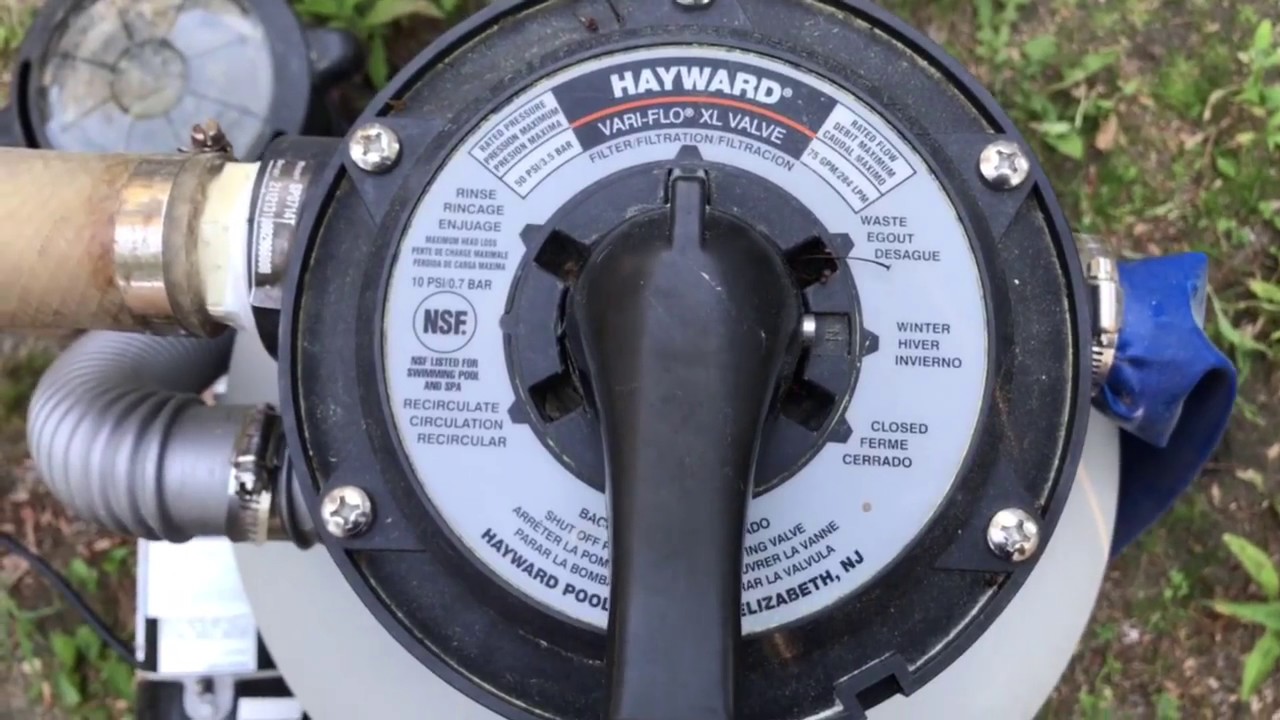
- Multiport Valve: Lets you choose how water flows—filter, recirculate, backwash, rinse, waste, or closed.
The most common settings are:
- Filter: Water passes through the filter, cleaning out debris.
- Recirculate: Water bypasses the filter and returns to the pool.
- Backwash: Reverses flow to clean the filter.
- Waste: Sends water out of the pool, skipping the filter.
Each setting has a role in cleaning, treatment, or maintenance.
What Happens When You Shock The Pool?
When you add shock, it rapidly increases the free chlorine level, sometimes to 10 ppm (parts per million) or more. This high concentration breaks down chloramines and kills bacteria and algae. It also oxidizes organic materials, leaving the pool fresh and sanitized.
However, shocking also means:
- The water can turn cloudy as contaminants are broken apart.
- Dead algae and debris need to be removed.
- Chlorine demand is very high for a short period.
How you move the water during this process affects how well the shock mixes and how quickly your pool returns to normal.
Filter Vs. Recirculate: The Core Question
The big debate is: when you shock, should you run your system on filter or recirculate? Here’s what each does:
- Filter: Water passes through the filter media (sand, cartridge, DE), trapping particles and debris.
- Recirculate: Water skips the filter, but still moves through the pump and back into the pool.
Let’s look at what each setting means during shocking.
Credit: eur.vevor.com
Shocking With The Filter Setting
Running the pool on filter is the most common choice during shocking. Here’s why:
How It Works
When you set to filter, all pool water flows through the filter media before going back into the pool. This means as the shock breaks down contaminants, the resulting particles are trapped and removed.
Advantages
- Removes Debris: All dead algae, oxidized organics, and dirt are captured.
- Improves Clarity: Water clears up faster because particles are filtered out.
- Even Distribution: The shock mixes well throughout the pool.
- Prevents Staining: Filtering out metals and debris helps avoid stains.
When To Use Filter During Shocking
- After heavy contamination (e.g., algae blooms, pool parties).
- If water is cloudy or dirty.
- When using chlorine-based shock, especially granular types.
Practical Example
Imagine you shock your pool after a summer storm. Leaves and dirt are everywhere. Running on filter means as the chlorine attacks bacteria and organic matter, all the resulting debris gets trapped in your filter. Water clears in 12–24 hours, and you may just need to backwash or rinse the filter afterward.
Special Note
If your filter is very dirty or old, it can become clogged quickly. Always check your filter pressure and backwash or clean as needed during and after shocking.
Shocking With The Recirculate Setting
Some pool owners use the recirculate setting when shocking. This means water flows through the pump but skips the filter media. Here’s what this does:
How It Works
Recirculate sends water directly back to the pool without any filtration. The main reason to use this is to move chemicals quickly, especially if the filter is clogged or not working well.
Advantages
- Prevents Clogging: If your filter is full of algae or debris, recirculate avoids damaging it.
- Speeds Mixing: Chemicals spread evenly and quickly, especially in large pools.
- Protects Old Filters: Older or weak filters won’t get overloaded.
When To Use Recirculate During Shocking
- When the filter is nearly clogged or just after an algae bloom.
- If you need very fast chemical mixing and plan to filter later.
- When using non-chlorine shock that doesn’t create debris.
Practical Example
Suppose your pool has a severe green algae outbreak. If you shock on filter, the dead algae can block the media in minutes. Using recirculate keeps water moving and shock mixing, but you’ll need to vacuum and filter out dead material later.
Special Note
Recirculate does NOT remove debris. After shocking, you MUST switch back to filter and possibly backwash to clear out all the contaminants.
Comparing Filter And Recirculate: Side-by-side
To help you decide, here’s a quick look at the pros and cons in different situations:
| Situation | Filter Setting | Recirculate Setting |
|---|---|---|
| Normal shocking, clear water | Best choice. Removes debris, clears water fast. | Mixes shock but does not clean water. |
| Algae outbreak, dirty pool | Can clog filter quickly. Needs frequent backwashing. | Safer for equipment. Must filter debris later. |
| Old or weak filter | Risk of damage or clogging. | Prevents overload. But water stays dirty until filtered. |
| Quick chemical mixing needed | Slower mixing, but cleans as you go. | Fastest mixing. Filter later for best results. |
How Long To Run The Pump After Shocking
Proper circulation is key to effective shocking. Here’s what you need to know:
- Minimum Time: Run the pump for at least 8–12 hours after adding shock, no matter the setting.
- Cloudy Pools: For very dirty water, 24 hours or more may be needed.
- Stabilized Shock: If using dichlor or non-chlorine shock, follow the product label for timing.
Circulating water ensures the shock reaches every corner, including behind ladders, in steps, and in the deep end.
How To Shock Your Pool: Step-by-step Guide
Here’s a practical sequence for shocking your pool and choosing the right setting.
- Test Water First: Check chlorine, pH, and alkalinity. Ideal pH is 7.2–7.6.
- Clean Debris: Skim out leaves and large debris. Vacuum if possible.
- Backwash or Clean Filter: Make sure filter is not clogged before starting.
- Choose the Setting:
- For clear or mildly dirty water, use filter.
- For heavy algae or clogged filter, use recirculate at first.
- Add Shock: Pre-dissolve granular shock in a bucket if needed, then pour around the pool perimeter.
- Run Pump: Keep the pump on for at least 8 hours (filter or recirculate as chosen).
- Switch to Filter (if needed): If you started with recirculate, switch to filter after 2–4 hours to clean out debris.
- Brush Pool Walls and Floor: This helps remove algae and mix chemicals.
- Check Chlorine Level: After 8–24 hours, test chlorine. Wait until it drops below 5 ppm before swimming.
- Backwash or Clean Filter Again: Remove all trapped debris to keep water clear.
Common Mistakes When Shocking A Pool
Many pool owners make errors that reduce the effectiveness of shocking or even damage equipment. Here are some to avoid:
- Not Cleaning the Filter First: Starting with a dirty filter can lead to clogging and poor water flow.
- Forgetting to Brush: Shock needs to touch all surfaces; brushing helps remove algae and biofilm.
- Swimming Too Soon: High chlorine is unsafe—always test before entering.
- Shocking with Cover On: Sunlight helps break down chloramines; keep the cover off during and after shocking.
- Not Adjusting pH: Chlorine works best at proper pH.
- Incorrect Pump Setting: Using filter with a clogged filter can damage it; recirculate for too long leaves water dirty.
A non-obvious insight: If your pool turns very cloudy after shocking, it’s usually a sign the shock is working, not a problem. The cloudiness means dead contaminants are floating, which the filter will clear with time and proper maintenance.
Filter Types And Shocking: What To Consider
Your pool’s filter type influences the best choice during shocking. There are three main filter types:
Sand Filters
- Pros: Handle moderate debris, easy to backwash.
- Cons: Can clog with heavy algae, may need frequent backwashing.
Cartridge Filters
- Pros: Good for fine particles, easy to remove and clean.
- Cons: Clogs faster with heavy debris, must be cleaned manually.
De (diatomaceous Earth) Filters
- Pros: Best for very fine debris, clears cloudy water fast.
- Cons: Clogs quickly after shock, requires backwashing and recharging with DE powder.
If you have a DE or cartridge filter and are dealing with severe algae, start with recirculate to avoid clogs, then switch to filter once most algae is dead. For sand filters, you can usually run on filter but watch the pressure gauge and backwash as needed.
Here’s a quick comparison:
| Filter Type | Best Setting During Shock | Special Notes |
|---|---|---|
| Sand | Filter (backwash often) | Switch to recirculate if pressure rises quickly |
| Cartridge | Filter (clean cartridge as needed) | Remove and rinse cartridges if water flow drops |
| DE | Recirculate first, then filter | Backwash and add new DE after shocking |
What If You Don’t Have A Recirculate Option?
Some multiport valves, especially on older or above-ground pools, may not have a recirculate setting. If so, just use the filter setting, but monitor closely.
- Backwash or clean the filter often.
- If the pressure rises quickly, stop and clean before continuing.
- For cartridge filters, remove and rinse as needed.
Never use the “waste” setting during shocking, as this removes water and chemicals from your pool and wastes shock.
The Importance Of Water Circulation When Shocking
It’s not just about filtering or recirculating—good circulation means moving water to every part of the pool. Here’s how to improve it:
- Aim return jets in a circular pattern around the pool.
- Run the pump long enough for all water to pass through (turnover time).
- Brush “dead spots” like steps, corners, and behind ladders.
- Check for weak water flow; fix clogs or air leaks.
A common mistake: People forget to brush or circulate water behind ladders, steps, or pool lights. These areas can hide algae and bacteria, making shocking less effective.
How To Know When It’s Safe To Swim Again
After shocking, you should NOT swim until chlorine levels drop to safe levels. Here’s how to check:
- Use a test kit or strips to check free chlorine.
- Safe range: 1–4 ppm for most pools.
- If it’s above 5 ppm, wait and keep circulating.
Depending on the shock type and amount used, this can take 8–24 hours.
Credit: www.vevor.com
How Often Should You Shock Your Pool?
Most pools need shocking every 1–2 weeks during hot weather and heavy use. Shock more often if:
- Water turns cloudy.
- Chlorine smells strong (high chloramines).
- After a pool party or storm.
- After heavy rainfall or contamination.
Regular shocking keeps your pool healthy and your filter working better.
Advanced Tips For Better Shocking Results
- Shock at Night: Sunlight destroys chlorine quickly. Shocking after sunset makes it last longer.
- Pre-Dilute Shock: Dissolve granular shock in a bucket to avoid bleaching liners or damaging surfaces.
- Vacuum to Waste (if possible): For severe algae, vacuum dead algae directly out of the pool to avoid filter overload.
- Monitor Filter Pressure: Rising pressure means the filter is full; backwash or clean as needed.
- Use Flocculant for Stubborn Cloudiness: If the pool stays cloudy, a flocculant can clump particles for easier vacuuming.
A non-obvious tip: If you regularly have algae or cloudy water after shocking, your circulation system may not be sized correctly for your pool. Consider upgrading your pump or adding return jets.
Credit: www.youtube.com
Pool Shocking And Safety Precautions
Shocking uses strong chemicals. Always follow these safety tips:
- Wear gloves and goggles when handling shock.
- Add shock to water, not water to shock (to avoid splashing).
- Store chemicals in a dry, cool place away from children and pets.
- Never mix different chemicals together.
- Keep the pool uncovered and keep pets and people away until chlorine drops to safe levels.
For official safety guidelines, check resources like the CDC’s residential pool safety page.
Frequently Asked Questions
Should I Use Filter Or Recirculate When Shocking My Pool?
For most pools, filter is the best setting during shocking, as it removes debris and clears water. Use recirculate if your filter is clogged or after a severe algae bloom, then switch back to filter to clean out dead material.
How Long Should I Run My Pool Pump After Shocking?
Run the pump for at least 8–12 hours after shocking to ensure full circulation and even mixing. For very dirty or cloudy pools, run it for 24 hours or longer, checking filter pressure regularly.
Can I Shock My Pool With The Cover On?
It’s not recommended. Keep the cover off during and after shocking. Sunlight helps remove chloramines, and the pool needs to “breathe. ” A cover can also trap gases and damage pool surfaces.
Is It Safe To Swim After Shocking The Pool?
Wait until free chlorine drops below 5 ppm (ideally 1–4 ppm) before swimming. Test the water with a kit or strips. Swimming too soon can cause skin and eye irritation.
What If My Pool Doesn’t Have A Recirculate Setting?
If your multiport valve has no recirculate, use the filter setting and backwash or clean the filter often. For cartridge filters, remove and rinse as needed to avoid clogs.
Final Thoughts
Deciding whether to filter or recirculate pool water when shocking is not just a technical detail—it’s key to a clean, safe, and inviting pool. Use the filter setting for most situations to clear debris and restore clarity. Choose recirculate only when the filter can’t handle heavy loads, but remember to switch back and clean up after shocking.
Smart pool care means matching your approach to your equipment, water condition, and the type of shock used. With the right method, you’ll enjoy fresh, safe water all season long, and your pool equipment will last longer. Consistent maintenance, proper testing, and good circulation are the secrets to a perfect pool—so you can relax and swim with confidence.