
W do you know if your vinyl pool liner has suffered from acid damage? Sometimes the signs are obvious. Other times, the changes are slow and easy to miss—until you have a bigger problem. Understanding these warning signals can help you catch issues early and prevent expensive repairs.
Fading And Stains
One of the first things you may notice is fading. The liner’s colors, once bright and lively, start to look washed out, especially in areas where acid may have settled or splashed. Sometimes, you’ll see white spots, streaks, or cloudier patches. These marks are permanent because acid breaks down the dye and protective coating on the vinyl.
Another sign is staining. While stains can come from metals or organic debris, acid burns often look different: sharp-edged, pale areas that don’t brush away.
Wrinkles Or Blisters
Vinyl is designed to stay flat and smooth. When acid damages the liner’s plasticizers, the material can shrink or lose elasticity. This leads to wrinkles, blisters, or “puckering”—especially near seams or corners. Wrinkles not only look bad, but they can trap dirt, make cleaning difficult, and even create tripping hazards.
Brittleness And Cracks
A healthy liner feels flexible and a bit rubbery. Acid exposure, especially over time, makes vinyl hard and brittle. If you touch the liner and it cracks or flakes, acid damage is a likely cause. Cracks start small but can grow quickly, sometimes leading to leaks.
Leaks And Water Loss
If you suddenly notice that your pool is losing water faster than normal (and there’s no obvious hole), acid-weakened spots could be the reason. Leaks are serious because they can erode the pool structure and lead to costly repairs.
Cloudy Or Unbalanced Water
This is a less direct sign, but if your water stays cloudy or the chemistry is always off, it may be because the liner’s surface is damaged. Damaged vinyl can leach chemicals into the water and make balancing pH much harder.
Beginner’s Tip: Don’t assume minor fading is just “old age.” If you see changes soon after adding acid, take it seriously. Early action can save your liner.
How To Prevent Acid Damage In A Vinyl Pool
Prevention is always easier (and cheaper) than repair. Here are some practical steps to keep your vinyl liner safe, even if you need to use acids sometimes.
Test Water Frequently
The most important habit: test your pool water regularly. Use a good test kit (not just strips). Check pH and alkalinity at least once a week, and always before adding any acid. This helps you add only what’s needed and avoid sudden changes.
Make Small Adjustments
Add acid in small doses rather than dumping in a large amount at once. Wait at least 4 hours (preferably a full day) between adjustments. This slow approach lets you see how the water changes and prevents overshooting the target pH.
Circulate Water Well
Good water circulation ensures chemicals mix evenly. Run your pump for several hours after adding any acid, and brush the pool walls and floor to help distribute the solution.
Use Acid Alternatives When Possible
If you’re nervous about using muriatic acid, try sodium bisulfate or other alternatives. These are much less likely to cause liner damage, especially if you pre-dissolve them in a bucket of pool water first.
Keep Chemicals Away From The Liner
Never pour any chemical directly onto the liner. Always add to the deepest part of the pool and as far from walls as you can. If you spill acid, dilute and rinse immediately, then brush the area.
Learn To Spot Problems Early
Inspect your liner every week. Look for color changes, wrinkles, or rough patches. If you spot something, test your water, and if needed, call a pool professional for advice.
Store Chemicals Safely
Store all pool chemicals, especially acids, in a safe, dry place away from the pool and out of children’s reach. Make sure containers are sealed and upright. Chemical fumes can damage not only your equipment but sometimes even the liner if stored too close.
What To Do If You Accidentally Damage Your Liner
Mistakes happen, even with the best intentions. If you suspect that muriatic acid has damaged your vinyl liner, quick action can sometimes limit the harm.
Rinse The Area
If you see acid spill or pour on the liner, immediately rinse the area with large amounts of fresh water. Use a pool brush to gently mix and dilute the acid. The faster you act, the less damage.
Test And Rebalance Water
Check your pool’s pH and alkalinity right away. If the water is too acidic, add alkalinity increaser or fresh water to bring levels back to safe ranges.
Monitor For Leaks
Check the water level every day for a week after the incident. If you notice water loss, look for new wrinkles, soft spots, or discoloration. Consider calling a pool professional to inspect for leaks.
Patch Small Damages
For tiny holes or tears, you can use a vinyl patch kit (available at pool stores). Follow the instructions closely. However, if the liner is brittle or wrinkled, a patch may not hold for long.
Plan For Replacement If Needed
If the liner is badly faded, brittle, or leaking, replacement is often the only solution. Modern liners are tougher than older ones, but replacing a liner is a big job—expect to pay $1,500–$4,000 depending on pool size.
Extra Insight: Sometimes, acid damage doesn’t show up for months. If you’ve had an accident, keep careful notes and photos. This can help if you need warranty service or professional help later.
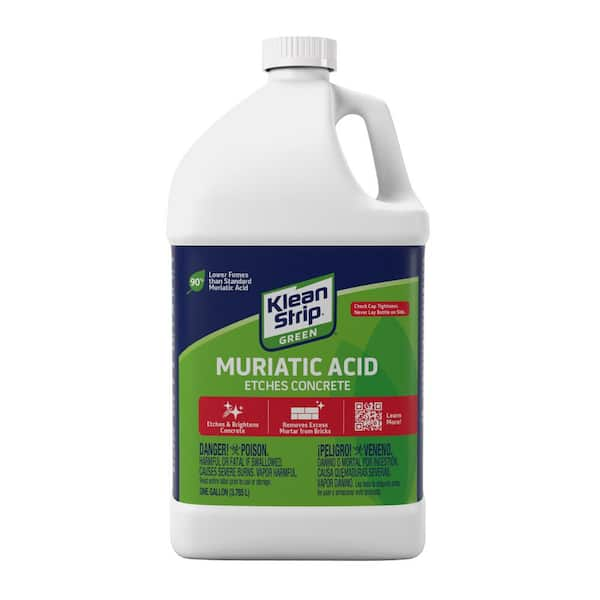
Credit: www.homedepot.com
Frequently Asked Questions About Muriatic Acid And Vinyl Pools
Is Muriatic Acid Ever Required In Vinyl Pools?
In most cases, you can manage a vinyl pool’s chemistry with sodium bisulfate or small amounts of diluted muriatic acid. Muriatic acid may be needed if pH or alkalinity is extremely high and other products are not effective or available.
Always use the smallest amount possible and follow all safety steps.
How Much Muriatic Acid Should I Use?
The amount depends on your pool size and how much you need to lower pH or alkalinity. As a general rule, never add more than 1 cup (about 250 ml) of diluted acid per 10,000 gallons at a time. Always test after each addition before adding more.
Can I Use Muriatic Acid To Clean A Vinyl Liner?
No. Never use muriatic acid as a direct cleaner on a vinyl liner. It will almost certainly cause fading, wrinkling, or permanent damage. Use only cleaners labeled as “vinyl safe” and always spot-test first.
What If My Pool Smells Like Acid?
A strong chemical smell could mean too much acid was added, or it wasn’t diluted enough. Test your water and add alkalinity increaser if needed. Make sure your pool area is well-ventilated and keep people away until the smell goes away.
Can Acid Damage Be Reversed?
Unfortunately, acid damage to vinyl is permanent. While you can patch holes or tears, faded or wrinkled areas usually can’t be restored. Prevention is the best solution.
Professional Help: When To Call An Expert
Not every pool problem needs a professional, but some situations call for expert help:
- Major discoloration or wrinkling after using acid
- Sudden, unexplained water loss
- Repeated water chemistry problems that don’t respond to normal fixes
A good pool technician can test your water, inspect your liner, and recommend the best repair or replacement options. If you’re ever unsure, it’s better to ask for help than to risk further damage.
Advanced Tip: Some pool pros use special acid feeders or automated dosing systems that add very diluted acid over time. If you struggle with pH swings, ask about these options.
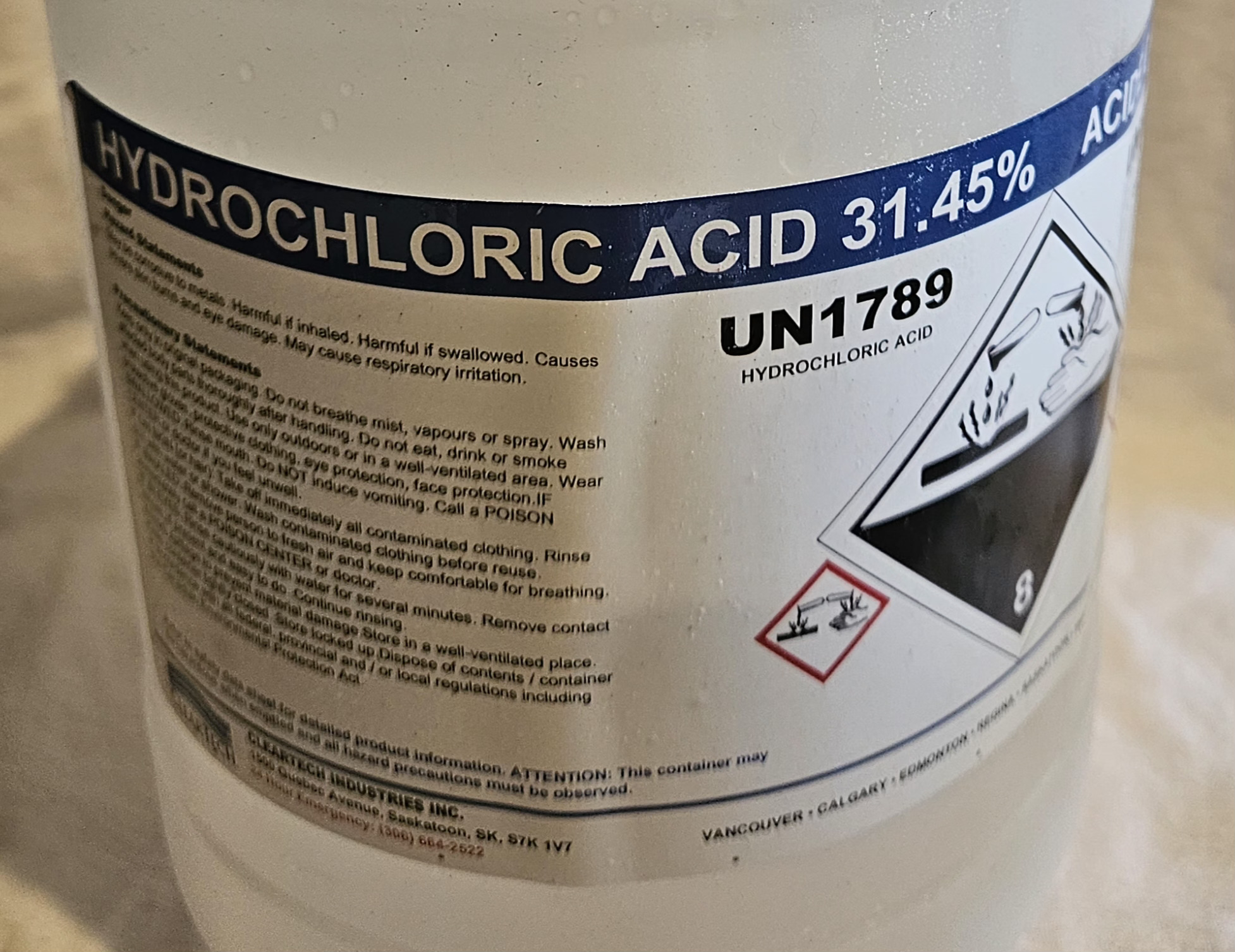
Credit: waterworx-pools.com
Making Pool Care Safe And Simple
Vinyl pools are a joy—soft, beautiful, and easy to enjoy with family and friends. But they do need careful chemical management, especially when it comes to acids. Muriatic acid is a powerful tool, but it’s not the only option, and it carries real risks if not used correctly.
Remember, every chemical has its place. The key to safe pool ownership is understanding what your pool needs, testing often, and never guessing with strong products like muriatic acid. For most vinyl pool owners, sodium bisulfate or other “vinyl-safe” alternatives are the best first choice.
If you want more in-depth pool chemistry guides, organizations like the [Pool & Hot Tub Alliance](https://www.phta.org) offer free resources for homeowners.
Bottom Line: Muriatic acid can be used in vinyl pools, but only with extreme care and proper dilution. When in doubt, choose safer alternatives, and always put your pool’s—and your family’s—safety first. That way, you can enjoy your sparkling water with complete peace of mind.