
If you love cooking with nonstick pans, you probably know the feeling when your GreenPan starts to lose its magic. Food sticks, the surface looks dull, and you wonder—can I restore my GreenPan? The good news is, with the right steps, you can often bring your ceramic nonstick pan back to life.
Whether your GreenPan is just a bit sticky or has lost most of its nonstick power, you don’t need to throw it away. You can restore it, save money, and enjoy better cooking results.
In this guide, you’ll discover exactly how to restore your GreenPan, why it happens, and how to keep it in top shape for years. We’ll go deeper than the basics—covering cleaning, seasoning, mistake prevention, and even when it’s time to let go.
If you want your GreenPan to look, cook, and last like new, this article will show you step by step, in plain English. Let’s get started.
Understanding Greenpan And Its Nonstick Coating
GreenPan is famous for its ceramic nonstick coating. Unlike classic Teflon pans, GreenPan uses a material called Thermolon, which is a sand-based ceramic. This coating is free from PFAS, PFOA, lead, and cadmium—so it’s safer and more eco-friendly. However, just like any nonstick surface, ceramic pans need care to stay at their best.
Over time, the Thermolon coating can get clogged with oil, burnt food, or cooking spray. It can also wear down from harsh cleaning or high heat. These problems make the pan less nonstick, but they don’t always mean the pan is ruined.
In many cases, you can restore the coating and get better performance.
It’s important to remember that the ceramic coating is not the same as glass or porcelain. It’s much thinner and acts as a shield on top of the metal pan. This means that it can become less effective even if it looks normal.
You might notice food sticking in certain spots, or eggs that used to slide out now leave a stubborn layer behind. Beginners often think their pan is “worn out” when it’s just dirty or has a thin film blocking the coating.
Why Do Greenpans Lose Their Nonstick Power?
Several things can cause your GreenPan to lose its nonstick surface:
- Oil Buildup: Repeated use of oils and fats can create a sticky film.
- Burnt-On Food: Food residue can bake onto the surface if not cleaned well.
- Cooking Spray: Aerosol sprays often contain additives that form a stubborn layer.
- High Heat: Ceramic coatings can break down if overheated.
- Abrasive Cleaning: Scrubbing with harsh pads or powders can damage the coating.
Sometimes, the problem is a mix of these. For example, if you use cooking spray and then cook on high heat, the residue can bond to the coating and become very hard to remove. If you notice the pan is losing its nonstick “feel” in patches rather than everywhere, it’s likely a buildup issue.
Understanding these causes is important, because restoring your GreenPan means removing buildup and protecting what’s left.
How To Deep Clean Your Greenpan
Before you try to restore the nonstick surface, your first step should be a deep clean. Most problems are caused by residue—not damage. Even a pan that looks clean can have a thin, invisible layer of oil or food that ruins the nonstick effect.
Many owners are surprised by how much better their pan performs after a single deep cleaning. It’s easy to overlook tiny bits of scrambled egg, oil, or sauce that dry on the pan and build up over time. These become tough, invisible barriers between your food and the ceramic coating.
Step 1: Gather Your Cleaning Tools
You’ll need:
- Soft sponge or microfiber cloth
- Baking soda
- White vinegar
- Dish soap (mild, not antibacterial)
- Plastic or wooden spatula
- Warm water
Some people use special ceramic pan cleaners, but you usually don’t need them. The above tools are safe and effective for home use.
Step 2: Basic Cleaning
- Let the pan cool completely after cooking.
- Wash with warm, soapy water using a soft sponge.
- Rinse well and dry with a towel.
This simple cleaning is enough for daily use. But if your pan is sticky or food keeps sticking, go deeper.
If you see stubborn marks or a greasy feel after washing, move to the next steps. Don’t scrub with too much force—a soft touch is best.
Step 3: Baking Soda Paste
- Mix two tablespoons of baking soda with a little water to make a thick paste.
- Spread the paste on the pan’s nonstick surface.
- Let it sit for 30 minutes.
- Gently scrub with a soft sponge in circles.
- Rinse with warm water and dry.
Baking soda is slightly abrasive, but it’s safe for ceramic. It helps lift oil and burnt bits without scratching.
For larger pans or stubborn stains, you can leave the paste on for up to an hour. The baking soda works to break down proteins and fats that soap can’t remove. If you cooked something sticky like caramel or cheese, this step is especially helpful.
Step 4: Vinegar Rinse (if Needed)
If residue is still present, add a little white vinegar to the pan, swirl, and let it sit for 15 minutes. This can help dissolve stubborn film. Rinse well and dry again.
The vinegar helps break down minerals from water or food that baking soda can’t tackle. Some users notice a slight fizzing—this is normal and helps clean the surface.
Step 5: Check For Results
Test the surface with a drop of water. If it beads up and rolls around, your nonstick coating is clean. If water spreads out or sticks, repeat the cleaning.
Non-obvious insight: Many people skip the drying step, but even a little leftover water can attract dust or minerals, making the pan sticky again. Also, make sure your sponge or towel is clean—using a greasy towel can undo your hard work.

Credit: www.reddit.com
How To Restore Greenpan’s Nonstick Surface
If deep cleaning doesn’t bring back the nonstick effect, you can try re-seasoning your GreenPan. Seasoning is not just for cast iron. A thin layer of oil can fill tiny gaps and make the surface slick again.
Seasoning helps “refresh” the coating, especially if you notice eggs or pancakes sticking where they didn’t before. It’s a simple trick that many GreenPan owners don’t know.
Step 1: Choose The Right Oil
Use high-smoke-point oils like:
- Grapeseed oil
- Avocado oil
- Canola oil
- Sunflower oil
Avoid butter, olive oil, or coconut oil—they burn at lower temperatures and can leave residue.
High-smoke-point oils stay stable at the temperatures needed for seasoning. A small bottle lasts a long time, since you only need a teaspoon each time.
Step 2: Season Your Greenpan
- Make sure your pan is fully clean and dry.
- Pour a teaspoon of oil onto the cooking surface.
- Spread the oil with a paper towel or soft cloth to coat the whole surface lightly.
- Place the pan on the stove over medium heat for 1–2 minutes.
- Let the pan cool, then wipe away excess oil with a clean towel.
This simple method can restore the nonstick effect for several uses. Repeat every few weeks or whenever food starts sticking.
If you don’t have a lot of time, even just wiping with oil after each wash can help. Some people season their pans every month as a routine.
Step 3: Oven Seasoning (for Stubborn Pans)
Some users find better results by placing the oiled pan upside down in a 350°F (175°C) oven for 20 minutes. Let it cool in the oven, then wipe off extra oil.
Practical tip: Never use too much oil—a thin layer is best. Thick oil can turn sticky and attract more residue.
Extra insight: It’s normal to see a slight color change on the pan surface after seasoning. This doesn’t mean the pan is dirty. In fact, it often means the oil has bonded well.
Common Mistakes That Damage Greenpan
Many GreenPans lose their nonstick power because of a few common mistakes. If you want to keep your pan working well after restoration, avoid these errors.
- Cooking on High Heat: Ceramic coatings can break down over 450°F (232°C). Always use low to medium heat.
- Using Metal Utensils: Metal spoons or spatulas can scratch the surface. Stick to wood, silicone, or plastic.
- Dishwasher Use: The harsh detergents and hot water in dishwashers can erode the coating.
- Cooking Sprays: Aerosol sprays leave a sticky film that’s hard to remove.
- Stacking Without Protection: Storing pans inside each other can cause scratches. Place a cloth or paper towel between pans.
- Letting the Pan Overheat Empty: Heating an empty pan can quickly damage the coating.
Non-obvious insight: Even “nonstick safe” metal whisks or tongs can cause micro-scratches. Always check your utensils.
Another mistake: forgetting to clean the pan right after cooking. Letting food sit and dry on the surface makes cleaning harder and increases the chance of buildup.
Routine Care To Keep Your Greenpan Nonstick
Restoring your GreenPan is only half the battle. To keep it working well, use these daily care habits.
Hand Wash Only
Always wash by hand with a soft sponge. Avoid rough pads, scouring powders, or steel wool.
If you need to remove something stubborn, soak the pan in warm, soapy water for 10–15 minutes before wiping. Never scrape with sharp tools.
Use The Right Oils
When cooking, use a small amount of oil or butter. This helps protect the coating, but don’t use sprays.
If you’re frying something like eggs or pancakes, a few drops of oil are enough. Spread it with a paper towel for even coverage.
Cool Before Cleaning
Let the pan cool before washing. Sudden temperature changes (like cold water on a hot pan) can cause warping or cracks.
This is especially important with ceramic-coated pans, since they expand and contract quickly with heat. Sudden cooling can make the coating separate from the metal base.
Dry Immediately
Dry your pan right after washing. Water left on the surface can cause mineral spots or dullness.
For best results, use a lint-free towel. If you live in an area with hard water, drying immediately also prevents white marks.
Store Carefully
Stack pans with a soft cloth or paper towel between each. This prevents scratches and dents.
If you have limited space, even a folded napkin or coffee filter works as a barrier.
Regular Seasoning
Repeat the seasoning process every few weeks, especially if you cook often or notice sticking.
Consider setting a reminder on your phone or adding a note near your stove. Making this part of your routine keeps your GreenPan at its best.
When To Replace Your Greenpan
Even with the best care, every pan has a lifespan. Most GreenPans last about 2–5 years with regular use. If your pan is badly scratched, chipped, or the nonstick surface is flaking, it’s time to replace it. Cooking with damaged nonstick surfaces isn’t safe or effective.
Signs Your Greenpan Needs Replacing
- Deep scratches you can feel with a fingernail
- Surface is cracked or peeling
- Food sticks badly even after cleaning and seasoning
- Pan is warped or wobbly on the stove
If your pan shows these signs, buy a new one and start fresh. Modern GreenPans have improved coatings and last longer than older models.
Extra tip: When you buy a new GreenPan, keep the old one for non-food tasks, like crafts or holding small tools.
Comparing Greenpan To Other Nonstick Pans
Many people wonder how GreenPan’s Thermolon coating compares to classic Teflon or other ceramic pans. Here’s a quick comparison:
| Feature | GreenPan (Thermolon) | Teflon Nonstick | Other Ceramic |
|---|---|---|---|
| Coating Material | Ceramic (sand-based) | PTFE (plastic) | Ceramic blends |
| Max Safe Temp | ~850°F (450°C) | ~500°F (260°C) | ~750°F (400°C) |
| Safe for Metal Utensils | No | No | No |
| Dishwasher Safe | No (hand wash recommended) | Some models | Mostly no |
| Eco-Friendly | Yes | No | Sometimes |
| Typical Lifespan | 2–5 years | 2–3 years | 1–3 years |
Key takeaway: GreenPan offers better heat resistance and is more eco-friendly, but needs the same gentle care as other nonstick pans.
Also, GreenPan’s coating does not release fumes at high heat, which can happen with Teflon. This makes it safer for homes with kids, pets, or sensitive people. If you want a pan that’s good for both your kitchen and the environment, GreenPan is a top choice.
How To Remove Tough Burnt-on Stains
Sometimes, regular cleaning isn’t enough. If your GreenPan has tough, burnt-on stains, try this method.
Step 1: Boil And Soak
- Fill the pan with water to cover the stain.
- Add a tablespoon of baking soda.
- Bring to a gentle boil for 5 minutes.
- Let the pan cool, then pour out the water.
The heat and baking soda help soften even old, baked-on food. This method is gentle and doesn’t scratch the surface.
Step 2: Gentle Scrubbing
Use a plastic spatula or soft sponge to gently lift softened residue. Never use sharp tools.
If you’re dealing with something really sticky, like caramel, repeat the boiling step once or twice.
Step 3: Repeat If Needed
If stains remain, repeat the process. For very stubborn spots, try a paste of baking soda and a drop of dish soap, let it sit for an hour, then wipe clean.
Example: If you accidentally burn sugar or tomato sauce, this method can often remove the mess without scratching the surface.
Extra tip: Always check the bottom and sides of the pan. Stains here can also affect performance and cause smoky smells during cooking.
How To Restore The Exterior Of Your Greenpan
Don’t forget the outside of your pan. Over time, the exterior can get greasy or stained, especially if you cook on gas stoves.
Cleaning The Exterior
- Use a baking soda paste and a soft sponge to clean the outside.
- For heavy grease, a splash of white vinegar can help dissolve residue.
- Avoid abrasive pads or powders—they can scratch the color or finish.
Pro tip: Clean the outside regularly. Burnt grease on the bottom can cause uneven heating.
If you see discoloration or burnt marks on the bottom, don’t worry—this is normal and doesn’t affect cooking. Focus on removing grease and buildup, not making the pan look brand new.
Storing Your Greenpan For Long Life
How you store your GreenPan makes a big difference. Careless storage is a common reason for scratches and damage.
Smart Storage Tips
- Hang pans from a rack if possible.
- If stacking, always place a paper towel or cloth between each pan.
- Keep pans in a dry place—avoid damp cabinets.
- Don’t pile heavy pots on top of your GreenPan.
If you’re tight on space, consider using vertical racks or lid organizers to keep pans separated. This small change can double the lifespan of your nonstick pans.
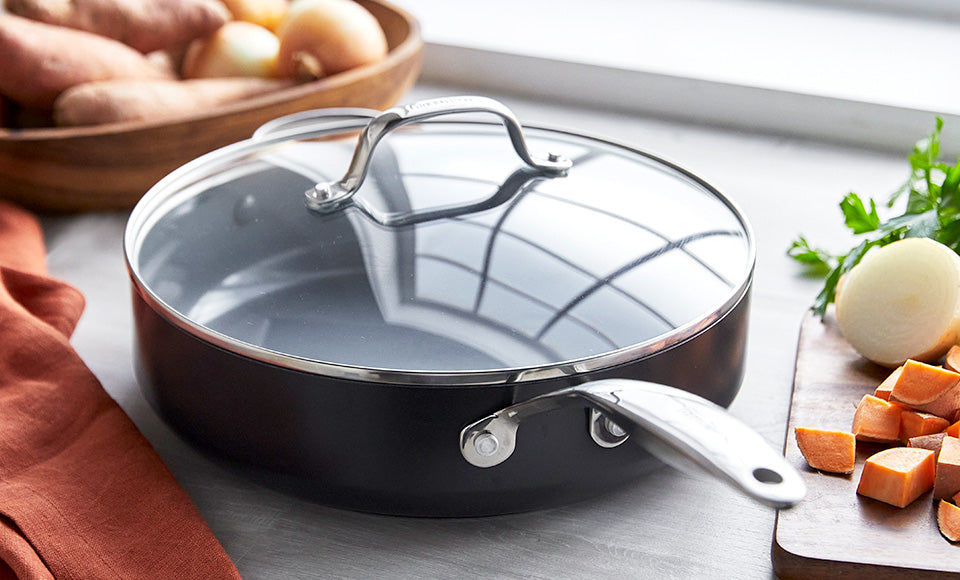
Credit: www.greenpan.us
Do’s And Don’ts For A Healthy Greenpan
Here’s a summary of the best habits to keep your GreenPan nonstick for years.
Do:
- Use only soft utensils (wood, silicone, plastic)
- Hand wash with mild soap
- Season regularly
- Store with protection between pans
- Cook on low or medium heat
Don’t:
- Use metal utensils
- Overheat the pan
- Put in the dishwasher
- Use aerosol sprays
- Use harsh scouring pads
Following these habits not only protects the coating but also makes cooking and cleaning easier. A little prevention goes a long way.
Real-life Example: Restoring An Old Greenpan
Let’s look at a real example. Lisa, a home cook, noticed her 3-year-old GreenPan was getting sticky. Food stuck every time, and she almost threw it away.
What she did:
- Washed with baking soda paste—removed hidden residue.
- Did a vinegar rinse—lifted greasy film.
- Seasoned with grapeseed oil—restored slickness.
- Changed her routine—no more cooking spray or high heat.
Result: Her GreenPan worked much better, and she avoided buying a new pan. With care, she expects at least another year of use.
Lesson: Many people give up too early. Try a full restoration before you replace your pan.
A neighbor tried the same process but skipped the seasoning step. His results were not as good—food still stuck. The lesson: every step matters.
Frequently Asked Questions
How Often Should I Season My Greenpan?
For best results, season your GreenPan every 2–3 weeks or whenever food starts sticking. If you cook often, you might need to season more frequently. Regular seasoning keeps the surface smooth and prevents residue buildup.
Can I Use Metal Utensils If I’m Careful?
No. Even gentle use of metal utensils can leave tiny scratches on the ceramic coating. Over time, these scratches add up and ruin the nonstick surface. Always use wood, silicone, or plastic tools.
Is It Safe To Use A Scratched Greenpan?
If your GreenPan has deep scratches or is peeling, it’s best to replace it. Small, shallow scratches may not affect safety, but deep damage can allow the coating to break down. Cooking on a damaged surface is not recommended.
Will The Dishwasher Ruin My Greenpan?
Yes. The dishwasher’s high heat and strong detergents can damage the ceramic coating. Hand washing with a soft sponge is always the safest choice. If you accidentally run it through the dishwasher, season it again before use.
What If Nothing Restores My Greenpan?
If you’ve tried deep cleaning, seasoning, and gentle care, but food still sticks badly, your pan’s coating may be worn out. In this case, it’s time to buy a new one. Modern GreenPans have improved coatings, so your next pan may last even longer.
Final Thoughts
Restoring your GreenPan is easier than most people think. With deep cleaning, proper seasoning, and good daily habits, you can often make an old pan feel almost new. Avoid common mistakes, use the right tools, and remember that gentle care pays off in the kitchen. If you ever need more details about ceramic cookware, check out resources from Wikipedia for in-depth information. With the right approach, your GreenPan will deliver healthy, nonstick cooking for years to come.

Credit: www.reddit.com