
Ezekiel bread is a unique, nutrient-rich bread made from sprouted grains and legumes. Many people choose it for its healthy profile, but storing Ezekiel bread can be confusing. Since it contains no preservatives, it’s more sensitive to temperature and moisture than regular bread.
If you’ve just bought a loaf or are thinking about making Ezekiel bread your staple, knowing how to store it properly is essential. This guide gives you everything you need to keep your Ezekiel bread fresh, safe, and delicious for as long as possible.
What Makes Ezekiel Bread Different?
Ezekiel bread stands out because it’s made from sprouted whole grains—like wheat, barley, millet, and spelt—and legumes such as lentils and soybeans. This combination boosts its nutritional value, providing complete proteins, more fiber, and a lower glycemic index compared to white or whole wheat bread.
Sprouting is a special process where the grains are soaked until they begin to germinate. This step breaks down some starches and releases more nutrients, making vitamins and minerals easier for your body to absorb. For example, sprouted grains often have more B vitamins, vitamin C, and folate than unsprouted ones.
The bread’s protein is also more “complete,” meaning it has all the essential amino acids your body needs.
However, these benefits come with a trade-off: no artificial preservatives. This means it can spoil faster if not stored correctly. Its soft texture and moisture content make it ideal for mold growth if left at room temperature for too long.
Many people buy Ezekiel bread from the freezer or refrigerated section of the store. This is a clear sign that storage is crucial. If you want to keep the benefits and avoid waste, you must understand the best storage practices.
Extra detail: Some people notice Ezekiel bread feels heavier and more filling than regular bread. That’s because of its dense structure and higher fiber. But this density also means moisture stays inside longer, so proper storage is even more important.
Why Proper Storage Is Essential
Bread spoilage is not just about taste or texture. Improper storage can lead to:
- Mold growth: Sprouted grains and moisture create a great environment for mold.
- Staling: The bread dries out and loses its soft, chewy texture.
- Nutrient loss: Exposure to heat and air can break down nutrients.
Unlike breads with preservatives, Ezekiel bread can go bad in just a few days if left on the kitchen counter. If you want to keep it fresh for weeks or even months, the right storage method makes all the difference.
Also, eating spoiled bread can cause stomach upset or mild food poisoning. Some molds release toxins, which are not always visible. That’s why it’s better to be cautious with bread that’s preservative-free.
Non-obvious insight: Some people notice a “sour” smell before they see visible mold. This is a sign that bacteria are starting to grow, and the bread is no longer safe.
Best Ways To Store Ezekiel Bread
You have three main options: room temperature, refrigerator, or freezer. Each has pros and cons depending on your eating habits.
Storing At Room Temperature
Most regular breads do fine on the counter for a few days. Ezekiel bread is different.
- Shelf life: 3-5 days maximum
- Best for: People who eat bread quickly (within a few days)
If you choose to keep Ezekiel bread at room temperature, store it in a sealed bag or airtight bread box. Keep it away from sunlight, heat, or humidity. However, this method is risky if you don’t finish the loaf fast.
Non-obvious tip: If your kitchen is humid or hot, mold can appear in as little as 48 hours. Always check for signs of mold before eating.
Example: If you live in a tropical climate, your kitchen may be warm and damp even with air conditioning. In this case, even a tightly sealed bag may not protect the bread for long.
Refrigerating Ezekiel Bread
Refrigeration slows down mold growth and extends freshness.
- Shelf life: 2-3 weeks
- Best for: People who eat bread slowly over several days
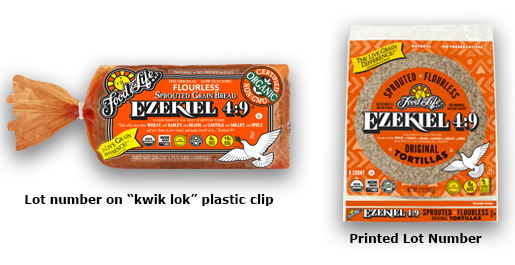
Wrap your bread tightly in plastic wrap or use the original packaging with a clip. Place it in the coldest part of your fridge, away from the door. This keeps temperature changes to a minimum.
Insight: Refrigeration can make bread feel a bit dry or hard. To refresh a slice, try microwaving it for 10-15 seconds or toasting it.
Extra detail: For extra softness, wrap the slice in a damp (not wet) paper towel before microwaving. This adds back some lost moisture.
Freezing Ezekiel Bread
Freezing is the safest, longest-lasting option.
- Shelf life: Up to 12 months
- Best for: Occasional bread eaters, or those who buy in bulk
For best results, slice the bread before freezing. Place slices in a freezer-safe bag, removing as much air as possible. You can also use parchment paper between slices to prevent sticking.
When you want to eat a slice, you can toast it directly from the freezer or let it thaw at room temperature for 10-15 minutes.
Advanced tip: Write the date on the bag before freezing, so you always know how long it’s been stored.
Real-life example: If you use only one or two slices a week, freezing is ideal. You can pull out a slice anytime and it will taste almost as good as fresh after toasting.
Step-by-step: How To Store Ezekiel Bread In The Freezer
Freezing is the most effective method for keeping Ezekiel bread fresh for months. Here’s how to do it right:
- Slice the bread (if not already sliced). This lets you take out only what you need.
- Wrap slices in plastic wrap, foil, or parchment paper. This prevents freezer burn and keeps slices from sticking together.
- Place slices in a freezer-safe bag or airtight container. Squeeze out as much air as possible.
- Label the bag with the date you froze it.
- Store in the coldest part of your freezer, not in the door.
When you want to eat it, remove the number of slices you need. Toast them straight from the freezer or thaw at room temperature for a few minutes.
Extra tip: If you freeze a whole loaf, you’ll likely have to thaw the whole thing to separate slices. That’s why pre-slicing is so helpful. Also, the coldest part of the freezer is usually at the back, not near the door.
Comparing Storage Methods: Shelf Life And Quality
To help you decide, here’s a comparison of the three main storage methods for Ezekiel bread.
| Storage Method | Approximate Shelf Life | Texture & Taste | Risk of Mold |
|---|---|---|---|
| Room Temperature | 3-5 days | Soft, fresh | High |
| Refrigerator | 2-3 weeks | Can dry out | Medium |
| Freezer | Up to 12 months | Fresh after toasting | Very low |
More detail: Freezer storage can sometimes change the color of the bread slightly, but this does not affect taste or nutrition. It’s simply a harmless result of freezing moisture.
Packaging Tips For Maximum Freshness
The way you wrap and store Ezekiel bread is just as important as where you put it. Here are some packaging tips that can make a real difference:
- Use airtight bags: Air is the enemy of fresh bread. Use zip-top freezer bags or reusable silicone bags for best results.
- Wrap tightly: For the freezer, double-wrap with plastic wrap and foil to block out air and moisture.
- Separate slices: Place a small piece of parchment paper between each slice before freezing. This way, you can pull out just one slice at a time.
- Avoid paper bags: These let in too much air and dry out the bread quickly.
Practical tip: If you run out of freezer bags, a clean, airtight food container can also work. Just make sure it’s sealed tightly.
Signs Your Ezekiel Bread Has Gone Bad
Ezekiel bread doesn’t last forever, even with perfect storage. Here’s what to look for:
- Mold spots: Green, black, or white fuzzy patches
- Sour or “off” smell
- Slimy or overly moist texture
- Unusual taste
If you see or smell anything odd, don’t take risks—throw it out. Mold roots can grow deeper than you see.
Non-obvious insight: If one slice has mold, don’t just throw out that piece. Mold spores spread easily through the whole loaf, even if you can’t see them.
The Science Behind Sprouted Bread Spoilage
Sprouted grains in Ezekiel bread contain more moisture and nutrients, which are great for you—but also great for mold and bacteria. Without preservatives, the natural yeasts and sugars create a perfect environment for spoilage. This is why sprouted breads, including Ezekiel, need extra care.
Insight: Even if you don’t see mold, bacteria can start to grow. That’s why the freezer is often recommended for long-term storage.
Extra detail: The sprouting process increases enzymes in the bread, which can speed up spoilage if not kept cold. This is why you’ll see more “sweating” (moisture inside the bag) if left out too long.
How To Thaw And Reheat Ezekiel Bread
Getting the best taste and texture depends on how you thaw and heat your bread.
- At room temperature: Leave slices out for 10-20 minutes.
- In the toaster: Toast straight from frozen for quick results.
- Microwave: Heat for 10-15 seconds for a softer slice.
Never refreeze bread once it has thawed. This damages texture and encourages freezer burn.
Practical example: If you make sandwiches, allow the bread to thaw fully at room temperature. For toast or breakfast, toasting from frozen works best and gives a crispy crust.
Portion Control: Storing Half Loaves Or Slices
If you don’t eat much bread, consider dividing a loaf into portions.
- Cut the loaf into halves or quarters before freezing.
- Wrap each portion separately.
- Only thaw the amount you plan to eat within a few days.
This reduces waste and keeps the rest of the loaf fresher for longer.
Extra tip: For single people or small households, freeze individual slices so you never have to throw out old bread.
Credit: health.clevelandclinic.org
How Long Does Ezekiel Bread Last After Opening?
The clock starts ticking once you open the package. Here’s a quick summary:
| Storage Location | After Opening |
|---|---|
| Room Temperature | 3-5 days |
| Refrigerator | Up to 2-3 weeks |
| Freezer | 6-12 months |
Remember, these are guidelines. Humidity, temperature, and handling make a big difference.
Real-life example: If you open a new loaf and only use one or two slices, the rest should go into the freezer to avoid spoilage.
Common Mistakes When Storing Ezekiel Bread
Many people make the same errors when storing Ezekiel bread. Here are the most common and how to avoid them:
- Leaving it on the counter too long: Even a day or two can lead to mold in hot, humid climates.
- Refrigerating unwrapped: The bread dries out quickly if not sealed.
- Freezing the whole loaf: Makes it hard to separate slices and increases freezer burn risk.
- Using paper bags: These do not protect against moisture or air.
- Not checking for mold: Always inspect before eating, especially if it’s been stored for a while.
Extra tip: If you notice condensation inside the bag after refrigerating, dry it off. Moisture encourages mold growth.
Practical warning: Don’t use “best by” dates as your only guide. If the bread smells or looks strange, trust your senses first.
Storing Homemade Ezekiel Bread
If you bake Ezekiel bread at home, storage is even more important. Homemade versions usually have more moisture and no commercial packaging.
- Let it cool completely before storing. Warm bread creates condensation.
- Slice before freezing for easy portioning.
- Store in airtight bags as soon as it’s cool.
Homemade bread may spoil faster, so check it daily if stored at room temperature.
Example: If you bake on weekends, freeze most of the loaf for later in the week. This keeps each slice as fresh as possible.
Comparing Ezekiel Bread To Regular Bread Storage
People often wonder if the same storage rules apply to regular bread. There are key differences:
| Feature | Ezekiel Bread | Regular Bread |
|---|---|---|
| Preservatives | No | Often yes |
| Shelf Life (Room Temp) | 3-5 days | 5-7 days |
| Best Storage | Freezer | Room temp or fridge |
| Texture After Freezing | Best toasted | Good as is |
Non-obvious insight: Regular bread’s preservatives delay mold but don’t prevent staling. Ezekiel bread, without preservatives, needs more attention but rewards you with better nutrition.
Storage When Traveling Or On The Go
If you need to take Ezekiel bread outside your home, plan ahead:
- For short trips (1-2 days): Use a small, airtight container and keep it cool.
- For longer trips: Freeze slices and pack them in an insulated bag with a cold pack.
- Never leave in a hot car: Heat speeds up spoilage.
If you don’t have a fridge or freezer, only take the amount you can eat within a day.
Extra tip: For work or school, wrap slices tightly and keep them with your lunch in an insulated bag. Eat them the same day for best quality.
Can You Store Ezekiel Bread In Bread Boxes?
Bread boxes are designed for regular bread, not for sprouted or preservative-free loaves. While a bread box can keep air circulation balanced, it won’t protect Ezekiel bread from mold if the room is warm or humid. It’s safer to refrigerate or freeze.
Example: If your kitchen is cool and dry, a bread box may work for a day or two, but always check for mold before eating.
Credit: www.foodforlife.com
How Grocery Stores Store Ezekiel Bread
You might notice Ezekiel bread is sold in the refrigerated or freezer section, not on shelves. Stores do this to prevent spoilage and keep the bread at its freshest. At home, you should follow the same logic.
Extra tip: If you find Ezekiel bread on a warm store shelf, check the expiration date carefully before buying.
Practical insight: Some stores keep a few loaves at room temperature for quick sale, but they sell much faster. If you buy one, use it within a couple of days or freeze right away.
Environmental Impact: Why Proper Storage Matters
Throwing out spoiled bread isn’t just a waste of money—it increases food waste and your carbon footprint. By storing Ezekiel bread correctly, you make your purchase more sustainable.
- One loaf of wasted bread equals over 1,000 liters of water wasted (used to grow grains).
- Freezing bread can save up to 50% more loaves from being thrown out each year.
Non-obvious insight: Bread is one of the most wasted foods in the world. Small changes in storage can have a big impact on waste.
Faqs On Storage And Safety
Even with all this information, you might still have questions. Here are the most common ones.
Frequently Asked Questions
How Do I Know If Ezekiel Bread Is Still Good To Eat?
Check for mold spots, an off smell, or changes in texture. If the bread feels slimy or smells sour, throw it away. When in doubt, don’t risk it.
Extra example: If you see even one tiny spot of mold, toss the whole loaf. Mold can be invisible inside the bread.
Can I Refreeze Ezekiel Bread After Thawing It?
It’s best not to refreeze. Each thaw/freeze cycle breaks down the bread’s texture and increases the risk of freezer burn. Only take out what you plan to eat within a few days.
Why Does Ezekiel Bread Go Bad Faster Than Regular Bread?
Ezekiel bread contains no preservatives and is made from sprouted grains, which have higher moisture content. This makes it more likely to spoil quickly if not kept cold.
Is It Safe To Eat Ezekiel Bread Past The Expiration Date If It Looks Fine?
If it’s been frozen and shows no signs of spoilage, it’s usually safe for a short time past the date. But if stored at room temp or in the fridge, it’s safest to stick to the date or sooner.
Non-obvious detail: The “best by” date is for quality, not safety. Always check the look, smell, and feel before eating.
Can I Toast Ezekiel Bread Straight From The Freezer?
Yes, you can toast slices directly from the freezer. This is the easiest and quickest way to enjoy it without waiting for it to thaw.
Extra tip: Toasting from frozen can sometimes make the outside extra crispy while the inside stays soft.
Credit: www.foodforlife.com
Final Thoughts
Ezekiel bread is a healthy choice, but it needs special care to keep it fresh and safe. Remember that freezing is the best option for long-term storage, while the refrigerator works well for daily use. Avoid leaving it at room temperature unless you’ll finish it fast. Watch for signs of spoilage, and always use airtight packaging.
If you treat Ezekiel bread with a little extra care, you’ll get the most nutrition and taste from every slice—without wasting food or risking your health. For more information on proper bread storage, check out the Wikipedia page on Ezekiel bread.