
Keeping your Copper Chef pan looking and performing like new is easier than you might think, but it does require some attention to detail. Many people love these pans for their nonstick surface and attractive copper color. However, if you use the wrong cleaning methods, you can damage the finish or reduce their nonstick power. Luckily, with the right steps and a little patience, you can keep your Copper Chef pan in top condition for years.
In this guide, you’ll learn not just the basic cleaning process, but also how to deal with tough stains, burnt food, discoloration, and more. We’ll explore what makes Copper Chef pans different, which cleaning products are safe, and why certain methods work better than others.
By the end, you’ll know exactly how to care for your pan, avoid common mistakes, and even restore its shine if it starts to fade. Let’s dive in and make your Copper Chef pan last a lifetime.
Understanding Your Copper Chef Pan
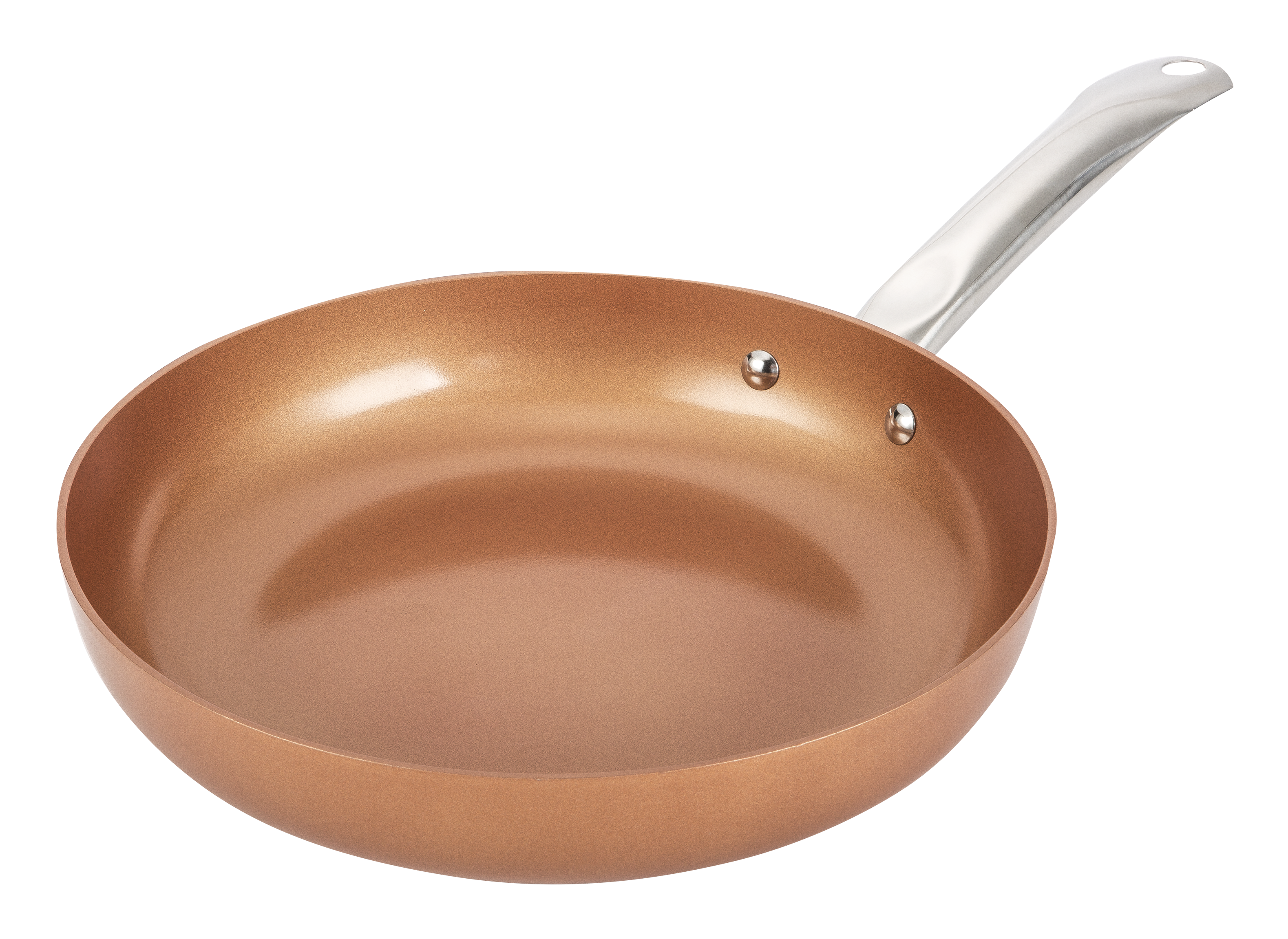
Copper Chef pans are known for their nonstick ceramic coating and their beautiful copper-colored finish. These pans stand out because they distribute heat quickly and evenly, which helps with cooking. But, unlike traditional copper cookware, most Copper Chef pans are not made of solid copper. Instead, they usually have an aluminum core with a ceramic nonstick layer and a copper-tone exterior.
This unique construction means that cleaning methods for pure copper do not always work here. For example, you do not need to use harsh copper cleaners or abrasive scrubbing pads. In fact, using the wrong tools can scratch the surface or dull the color.
The ceramic coating is strong, but it can still be damaged by metal utensils, steel wool, or strong chemical cleaners.
Key features to remember:
- Nonstick ceramic surface (not Teflon)
- Copper-tone exterior (not solid copper)
- Lightweight, heats evenly
- Not designed for dishwasher use (hand washing recommended)
Understanding these basics is important before you start any cleaning routine. This knowledge helps you choose the right products and avoid steps that can harm your pan.
Why Regular Cleaning Matters
Many owners make the mistake of letting residue build up before cleaning their Copper Chef pan. Over time, even small bits of food or oil can burn onto the surface, making it harder to clean and reducing the nonstick effect.
Regular cleaning keeps the surface slick, prevents staining, and stops odors from developing.
If you always clean your pan after every use, you’ll avoid most long-term problems. Quick cleaning is easier and takes less effort than trying to scrub away weeks of buildup. Also, cleaning right away stops acidic foods (like tomatoes or lemon juice) from reacting with the surface and causing discoloration.
What You Need: Cleaning Supplies For Copper Chef Pans
Before you start, gather these supplies to make the process smooth:
- Soft sponge or microfiber cloth
- Mild dish soap
- Warm water
- Baking soda (for stains)
- White vinegar (optional, for tough residue)
- Plastic or silicone scraper (for stubborn bits)
- Paper towels or a soft drying towel
Avoid:
- Steel wool or abrasive pads
- Metal utensils for scraping
- Harsh chemical cleaners
- Dishwasher (for most models)
Having the right tools is half the battle. Soft sponges and gentle soap are perfect for daily cleaning, while baking soda and vinegar help with special cases.
Step-by-step: How To Clean A Copper Chef Pan After Every Use
Cleaning your pan doesn’t have to be complicated. Follow these steps each time you cook:
1. Cool Down The Pan
Never put a hot pan under cold water. Sudden temperature changes can warp or damage the coating. Let your pan cool for a few minutes on the stove.
2. Rinse With Warm Water
Use warm (not hot) water to rinse away loose food particles. This makes the next steps easier.
3. Add Mild Dish Soap
Put a few drops of mild dish soap on your soft sponge or cloth.
4. Wipe The Surface Gently
Clean the inside and outside of the pan with gentle, circular motions. Don’t scrub too hard—let the soap do the work.
5. Tackle Stubborn Bits
If food is stuck, soak the pan in warm soapy water for 10–15 minutes. Then use a plastic or silicone scraper to lift away residue.
6. Rinse Thoroughly
Make sure to wash away all soap. Any leftover can cause the pan to feel sticky next time you cook.
7. Dry Immediately
Use a soft towel or paper towels to dry the pan fully. Do not let it air dry, as water spots can form.
This method is fast, safe for your pan, and keeps the nonstick surface working well.

Credit: www.reddit.com
Dealing With Tough Stains And Burnt Food
Sometimes, even careful cooks end up with burnt spots or stubborn stains. Here’s how to handle them without damaging your Copper Chef pan.
Using Baking Soda For Stains
Baking soda is gentle but powerful. For light stains:
- Sprinkle a thin layer of baking soda over the stained area.
- Add a few drops of water to make a paste.
- Let the paste sit for 10–20 minutes.
- Wipe gently with a soft sponge in circles.
- Rinse well.
This method lifts stains without scratching the surface.
White Vinegar For Burnt Residue
If you have burnt-on food:
- Pour equal parts white vinegar and water into the pan (enough to cover the bottom).
- Heat the mixture on low for about 5 minutes.
- Let it cool, then pour out the liquid.
- Wipe with a soft sponge or plastic scraper.
Vinegar helps break down tough residue, making it easier to clean.
For Extra Tough Cases
If stains remain, repeat the baking soda or vinegar method. Never use knives or metal tools to scrape the surface. Patience is key—sometimes, two gentle treatments work better than one harsh one.
How To Restore Shine To The Copper Exterior
Over time, the outside of your Copper Chef pan may look dull or develop water spots. While you shouldn’t use traditional copper polish (which can damage the ceramic coating), you can bring back shine with safe home methods.
Lemon And Salt Method
- Cut a lemon in half and dip the cut side in salt.
- Rub the lemon over the copper area in small circles.
- Let it sit for a few minutes.
- Rinse with warm water and dry immediately.
This method is gentle and brings back a nice glow.
Baking Soda Paste
- Mix baking soda with a bit of water to form a paste.
- Rub onto the copper exterior with a soft cloth.
- Rinse and dry.
Never use abrasive pads on the copper surface. Always dry the pan right away to prevent new water spots.
The Right Way To Deep Clean Your Copper Chef Pan
Deep cleaning is not needed often, but it can help if your pan has become sticky, lost its nonstick power, or has stubborn stains. Here’s how to do it safely:
1. Fill The Pan With Warm Water And Soap
Add a few drops of mild dish soap and let it soak for 20–30 minutes.
2. Use A Soft Sponge
Wipe all surfaces, focusing on any sticky or stained areas.
3. Apply Baking Soda Paste (if Needed)
For tough areas, use a baking soda paste as described above.
4. Rinse And Dry Thoroughly
Make sure no soap or baking soda remains.
5. Condition The Nonstick Surface
After deep cleaning, rub a small amount of cooking oil (like vegetable or canola oil) onto the surface. Wipe off any extra oil with a paper towel. This helps restore the nonstick effect.
Deep cleaning should be done only when regular cleaning isn’t enough. Too much deep cleaning can wear down the coating over time.
Comparing Cleaning Methods: What Works Best?
Below is a comparison of the most common cleaning methods for Copper Chef pans.
| Method | Best For | Risks | Frequency |
|---|---|---|---|
| Hand Wash with Mild Soap | Everyday cleaning | None if done gently | After every use |
| Baking Soda Paste | Stains, sticky residue | Can dull finish if used too often | As needed |
| White Vinegar Soak | Burnt food, heavy residue | Overuse may dull copper color | Occasional |
| Lemon & Salt | Restore shine to exterior | Can scratch if rubbed too hard | Monthly |
| Dishwasher | Not recommended | Damages coating, dulls finish | Never |
As you can see, hand washing is always safest, and abrasive methods should be rare.
Credit: www.consumerreports.org
How To Remove Discoloration And Blue Stains
Copper Chef pans sometimes develop blue or rainbow-like stains, especially if overheated. These stains are harmless but can make your pan look less attractive.
To remove discoloration:
- Use a Paste of Baking Soda and Vinegar
- Mix 2 parts baking soda with 1 part white vinegar to form a paste.
- Spread on the stain and let sit for 10–15 minutes.
- Wipe gently with a soft sponge.
- Rinse and dry.
- Repeat If Needed
- Stubborn stains may need a second treatment.
- Avoid Overheating
- Discoloration happens more if you cook on high heat. Use medium or low settings to prevent this.
Remember, never use bleach or oven cleaner. These can ruin both the color and the nonstick coating.
How To Clean The Bottom And Sides
The bottom and outside edges of your pan often collect grease, oil, or burnt-on food. Over time, this can make your pan look worn.
Steps for cleaning the bottom:
- Soak the area in warm soapy water for 15–20 minutes.
- Use a soft sponge or cloth to wipe away residue.
- For stubborn spots, try a baking soda paste or the lemon and salt method.
- Rinse and dry immediately.
Never scrape the bottom with metal tools. Even though it’s not the cooking surface, scratches can lead to more buildup and make the pan harder to clean in the future.
Can You Use A Dishwasher For Copper Chef Pans?
Most Copper Chef pans are labeled dishwasher safe, but experts and the manufacturer recommend hand washing only. Dishwashers use strong detergents and high heat, which can:
- Fade the copper color
- Damage the ceramic nonstick coating
- Cause warping or dents
If you must use a dishwasher (for example, if the pan is very greasy and you have no other choice), place the pan on the top rack and use a gentle cycle. But remember, frequent dishwasher use will shorten your pan’s life.
Quick Reference: What To Do And What To Avoid
Here’s a handy summary for fast cleaning decisions.
| Do | Don’t |
|---|---|
| Use mild soap and soft sponges | Use steel wool or abrasive pads |
| Soak for tough stains | Scrape with metal utensils |
| Dry immediately after washing | Let air dry (can cause spots) |
| Restore shine with lemon and salt | Use commercial copper polish |
| Hand wash whenever possible | Rely on the dishwasher regularly |
Keep this chart in mind for daily use.
How To Maintain Nonstick Performance
The ceramic surface of your Copper Chef pan is designed to be nonstick, but certain habits can wear it down:
- Always use low to medium heat. High heat can damage the coating.
- Avoid cooking sprays. They can leave a sticky film.
- Use wooden, silicone, or plastic utensils. Metal can scratch the coating.
- Season the pan occasionally. After deep cleaning, rub a bit of oil on the surface and wipe off the excess.
If food starts to stick, check for residue buildup. Even a thin film of oil or fat can reduce the nonstick effect. Deep clean your pan (as described earlier) and re-season it.
Common Mistakes To Avoid
Many users damage their Copper Chef pan without realizing it. Here are the most frequent errors:
1. Using The Wrong Cleaners
Strong chemicals, bleach, or abrasive powders can ruin the pan’s finish.
2. Scrubbing With Metal Pads
Even a single use can cause scratches that ruin nonstick power.
3. Putting A Hot Pan In Cold Water
This can warp the pan and damage the coating.
4. Leaving The Pan Wet
Air drying causes water spots and can make the copper exterior look old.
5. Cooking On High Heat
This doesn’t just damage the coating—it can also cause food to burn and stick.
6. Using Dishwasher Often
Even if labeled dishwasher safe, regular dishwasher use shortens the pan’s lifespan.
Learning from these mistakes helps you avoid replacing your pan early.
How To Store Your Copper Chef Pan Safely
Storing your pan the right way is as important as cleaning it. Here’s how to keep it in good shape:
- Hang the pan if possible, using a hook or rack. This prevents scratches from stacking.
- If stacking is necessary, place a soft cloth or paper towel between pans.
- Keep away from moisture. Store in a dry place to avoid water spots and dullness.
- Do not put heavy items on top. This can warp or dent the pan.
Proper storage helps your pan last and keeps it looking new.
Extra Tips For Long-lasting Shine And Performance
Here are some advanced tips that many beginners miss:
- Use distilled water for the final rinse if you live in a hard water area. This reduces mineral spots.
- Polish the handle separately if it’s stainless steel or brass, using a gentle metal cleaner.
- Clean immediately after cooking acidic foods. These can cause discoloration if left too long.
- Rotate your pans. If you have several, use each one regularly to keep them in good condition.
These small efforts can make a big difference over time.

Credit: www.amazon.com
Real-world Example: Restoring An Old Copper Chef Pan
Let’s look at a practical case. Suppose you find an old Copper Chef pan at a garage sale. The pan is dull, has burnt stains, and food sticks to the surface.
- Step 1: Deep Clean
Soak the pan in warm soapy water for 30 minutes. Use a soft sponge to remove grease and residue.
- Step 2: Remove Stains
Apply a baking soda and vinegar paste to stained areas. Let sit, then gently scrub.
- Step 3: Restore Shine
Use the lemon and salt method on the copper exterior.
- Step 4: Season the Nonstick Surface
Once clean, rub a thin layer of oil on the cooking surface and bake at 300°F (150°C) for 10 minutes, then wipe off excess oil.
- Result: The pan looks much better, and food doesn’t stick as easily.
This process takes some time, but it can breathe new life into an old pan.
Environmental Impact: Safe Cleaning For You And The Planet
Many commercial cleaners contain chemicals that are bad for your health and the environment. Using gentle products like baking soda, vinegar, and lemon is safer and more eco-friendly. These items are biodegradable and don’t pollute water systems.
If you need more information on safe cookware cleaning, check resources like the EPA Safer Choice program.
Frequently Asked Questions
How Often Should I Deep Clean My Copper Chef Pan?
Deep cleaning is only needed when you notice food sticking more than usual or if there are visible stains and buildup. For most people, this means once every 1–2 months. Regular hand washing after each use is enough for daily maintenance.
Can I Use Olive Oil Or Butter In My Copper Chef Pan?
Yes, you can use oils and butter for flavor. However, avoid using cooking sprays, as they can leave a sticky residue that is hard to remove. If you notice buildup, clean with a baking soda paste to restore the nonstick surface.
My Pan Lost Its Nonstick Effect. Can I Fix It?
Often, a loss of nonstick power is due to residue buildup. Try a deep clean, then season the surface with a thin layer of oil. If the surface is scratched or the coating is worn, it may be time to replace the pan.
Is The Copper Chef Pan Safe For Oven Use?
Most Copper Chef pans are oven safe up to a certain temperature (usually 450°F or 232°C), but always check the manufacturer’s guidelines. Never use the pan under a broiler, as direct flames can damage the coating.
Can I Use Metal Utensils In My Copper Chef Pan?
No, always use wooden, silicone, or plastic utensils. Metal utensils can scratch and damage the ceramic nonstick coating, reducing the pan’s performance and lifespan.
—
Caring for your Copper Chef pan is simple with the right knowledge and a bit of regular effort. By following these steps, using safe cleaning products, and avoiding common mistakes, you can keep your pan looking beautiful and working perfectly for years. Whether you’re a beginner or a seasoned cook, these tips will help you get the best from your kitchen investment.