
Swimming pools need the right balance of chemicals to stay clean and safe. Two important chemicals are muriatic acid and chlorine. Muriatic acid lowers the pool’s pH, while chlorine kills germs. Many pool owners wonder: *how long after adding muriatic acid can you add chlorine*? The answer is not simple. It depends on water chemistry, pool size, safety, and the way chemicals interact. If you rush the process, you risk problems like unsafe swimming water, wasted chemicals, or even damage to pool equipment.
This guide will help you understand the science, timing, and practical steps for adding muriatic acid and chlorine. You’ll also learn common mistakes, safety tips, and how to keep your pool sparkling all season. Whether you’re new to pool care or want to improve your routine, you’ll find clear answers and expert advice here.
Understanding Muriatic Acid And Chlorine
Swimming pools need the right balance of pH and sanitizer. Muriatic acid and chlorine both play a big role, but they work differently.
What Is Muriatic Acid?
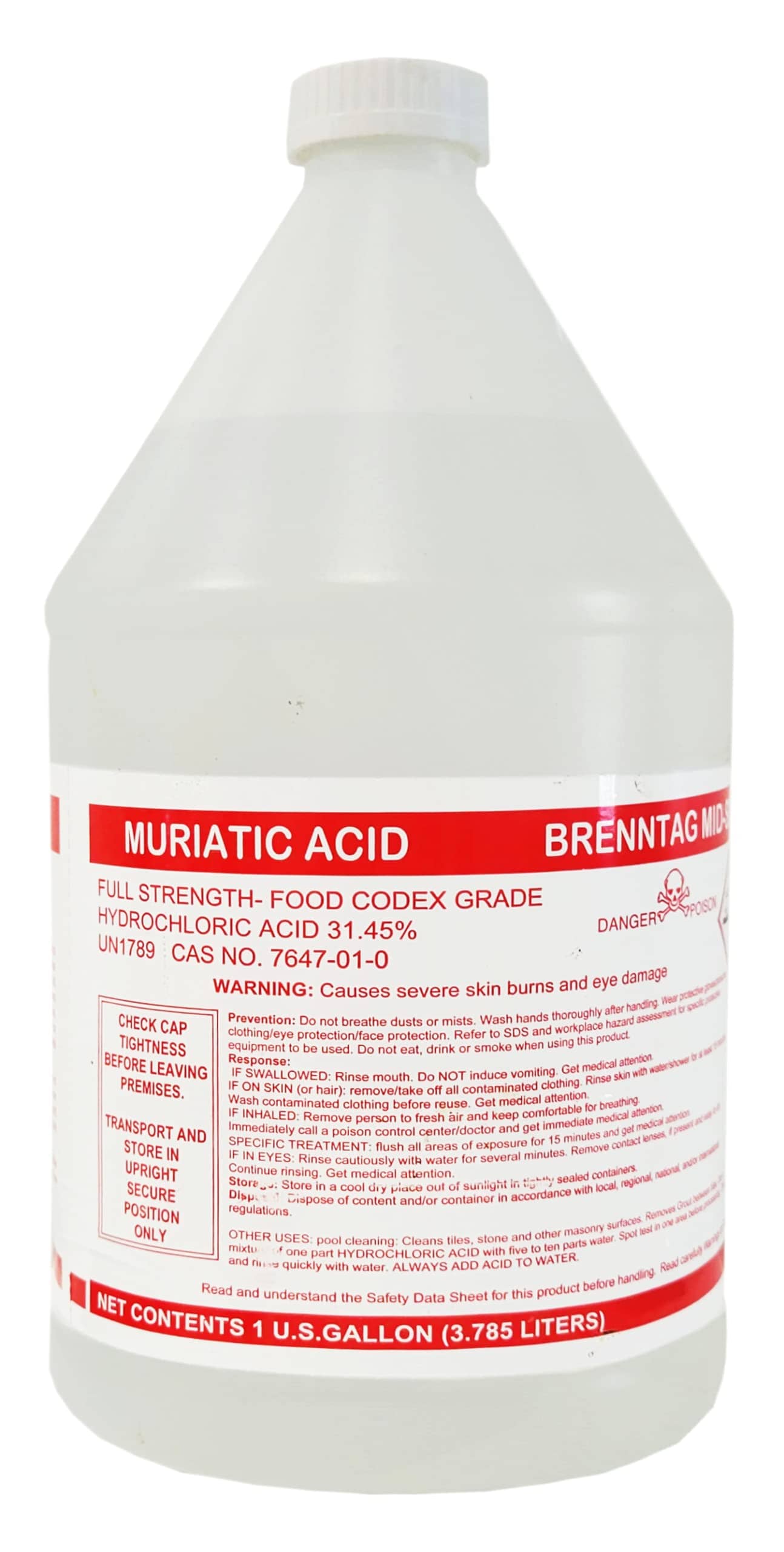
Muriatic acid is a strong liquid acid. It’s the same as hydrochloric acid but a bit less pure. Pool owners use it to lower the pH and alkalinity of pool water. If your pool’s pH is too high (above 7.6), chlorine won’t work well. High pH can also cause cloudy water, scale on pool walls, and itchy skin.
What Is Chlorine?
Chlorine is the most common sanitizer for pools. It kills bacteria, viruses, and algae. Chlorine comes in many forms: liquid, powder, tablets. It works best when the pool’s pH is between 7.2 and 7.6. If the pH is too high or low, chlorine becomes much less effective.
Why Does Timing Matter?
Muriatic acid and chlorine can react with each other. If you add them too close together, the acid can break down the chlorine. That means you waste chlorine and your pool may not be properly sanitized. Also, adding them together can release dangerous fumes.
The Science Behind Chemical Timing
When you add chemicals to a pool, they spread out and mix with the water. But they don’t mix instantly. The speed depends on pool size, water movement, and how you add the chemicals.
Chemical Reactions
Muriatic acid lowers pH quickly. Chlorine works best in a certain pH range. If you add chlorine when the pH is too low (acidic), it loses power and may irritate swimmers’ skin and eyes. If you add chlorine right after muriatic acid, the acid can destroy the chlorine before it has a chance to sanitize the pool.
Water Circulation
Pools with good water circulation mix chemicals faster. If your pool has strong jets or you run the pump for hours, the acid will spread quickly. In pools with weak circulation, chemicals can stay concentrated in one area for longer.
Dilution And Waiting Time
Most experts recommend waiting at least 30 minutes to 1 hour after adding muriatic acid before adding chlorine. This gives the acid time to spread and the pH to stabilize. In some cases, you may need to wait longer—up to 2–4 hours—if your pool is big or has slow circulation.
How To Add Muriatic Acid Safely
Adding muriatic acid is simple but needs care. Here’s a step-by-step process:
- Test the Water: Check the pH and alkalinity with a reliable test kit.
- Calculate the Dose: Use a pool calculator to find out how much muriatic acid you need.
- Wear Safety Gear: Always use gloves and goggles. Muriatic acid is dangerous.
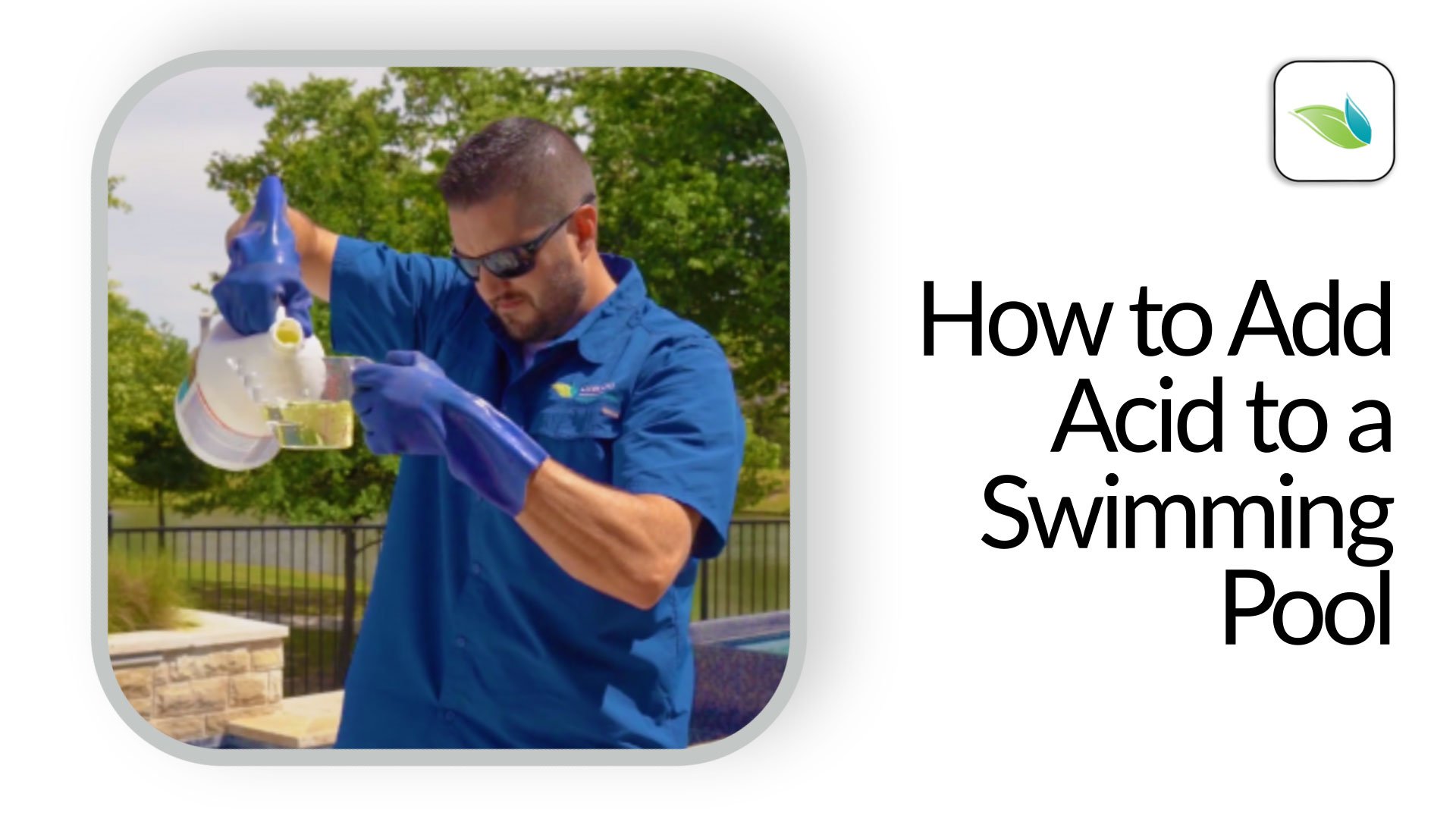
- Add Acid Slowly: Pour the acid near a return jet or in deep water. Never add it near swimmers.
- Let the Pump Run: Keep the circulation pump running for at least 30–60 minutes.
Tips For Safe Handling
- Never mix muriatic acid with other chemicals.
- Store acid in a cool, dry place, away from children and pets.
- Rinse spills with plenty of water right away.
When Can You Add Chlorine After Muriatic Acid?
The key question is timing. Let’s break it down by pool type, acid dose, and water movement.
Standard Wait Time
For most pools, the safe wait time is 30–60 minutes after adding muriatic acid. This gives the acid time to mix and the pH to reach a stable level.
Large Pools
If your pool is larger than 30,000 gallons, or has slow circulation, wait 2–4 hours before adding chlorine. This ensures the acid spreads fully and avoids chemical reactions.
High Acid Dose
If you use a large dose of muriatic acid (more than 1 quart per 10,000 gallons), wait longer—at least 2 hours. Test the pH before adding chlorine.
Water Movement
Pools with strong pumps and jets mix chemicals faster. If your pool’s pump is powerful and running, 30–60 minutes is usually enough. For pools with weak pumps, double the wait time.
Testing Before Adding Chlorine
Always test the pH before adding chlorine. The pH should be 7.2–7.6. If it’s still too low or high, wait and retest.
Step-by-step Guide: Adding Muriatic Acid And Chlorine
Let’s walk through the full process, from testing to adding each chemical safely.
Step 1: Test Your Pool Water
Use a liquid test kit or digital tester. Check pH, alkalinity, and chlorine levels. Write down the results.
Step 2: Calculate Muriatic Acid Dose
Use a pool calculator. For example, to lower the pH from 8.0 to 7.4 in a 10,000-gallon pool, you need about 12 ounces of muriatic acid.
Step 3: Add Muriatic Acid
Wear safety gear. Pour the acid slowly near a return jet. Keep the pump running.
Step 4: Wait For The Recommended Time
For small to medium pools, wait 30–60 minutes. For large pools or high acid doses, wait 2–4 hours.
Step 5: Test The Ph Again
Check the pH. It should be 7.2–7.6. If not, wait longer or add more acid as needed.
Step 6: Add Chlorine
Add chlorine as directed. Use liquid, powder, or tablets. Spread it evenly.
Step 7: Allow Chlorine To Mix
Let the pump run for at least 1 hour after adding chlorine.
Step 8: Test Chlorine Levels
Check chlorine levels after mixing. Aim for 1–3 ppm for safe swimming.
Data Table: Wait Times Based On Pool Size
Here’s a quick reference for wait times. Adjust as needed for your pool.
| Pool Size (Gallons) | Acid Dose | Wait Time (Hours) | Circulation Quality |
|---|---|---|---|
| 10,000 | Up to 1 qt | 0.5–1 | Strong |
| 20,000 | 1–2 qt | 1–2 | Medium |
| 30,000+ | 2+ qt | 2–4 | Weak |
Credit: www.florida-sunseeker.com
How Chemical Timing Affects Pool Health
Adding chemicals at the right time keeps your pool safe, clean, and comfortable.
Chlorine Efficiency
Chlorine works best at pH 7.2–7.6. Adding chlorine too soon after acid can waste chlorine and allow germs to survive.
Water Clarity
Correct timing means clearer water. If you rush the process, you risk cloudy water or “chlorine lock,” where chlorine doesn’t work.
Safety For Swimmers
Unmixed chemicals can cause skin and eye irritation, respiratory issues, or worse. Always wait and test before allowing swimmers.
Practical Examples
Let’s look at two real-life pool scenarios.
Example 1: Small Backyard Pool
You have a 12,000-gallon pool. The pH is 8.0. You add 14 ounces of muriatic acid. The pump is strong.
- Wait 1 hour
- Test pH: Now 7.4
- Add chlorine (liquid or tablets)
- Let pump run for another hour
- Test chlorine: 2 ppm
- Safe to swim
Example 2: Large Community Pool
A 50,000-gallon pool needs a pH adjustment from 8.2 to 7.4. You add 1 gallon of muriatic acid. Pump is medium.
- Wait 3 hours
- Test pH: Now 7.5
- Add chlorine (powder)
- Pump runs 2 more hours
- Test chlorine: 3 ppm
- Water clear and safe
Common Mistakes When Adding Pool Chemicals
Pool owners often make simple errors. Avoid these mistakes for better results.
- Adding Chemicals Together: Never add muriatic acid and chlorine at the same time. They can react and release dangerous gas.
- Skipping Wait Time: Rushing the process wastes chemicals and can make the pool unsafe.
- Not Testing pH: Always test after adding acid. Guessing is risky.
- Ignoring Water Circulation: Poor mixing can leave pockets of concentrated acid or chlorine.
- Using Wrong Dose: Too much acid lowers pH too far. Too little does nothing.
- Swimming Too Soon: Wait until chemicals are fully mixed and levels are safe.
- Storing Chemicals Together: Keep acid and chlorine apart. They can react if spilled.
Data Table: Chemical Effects At Different Ph Levels
The effectiveness of chlorine changes with pH. Here’s how:
| pH Level | Chlorine Effectiveness (%) | Risk to Swimmers |
|---|---|---|
| 6.8 | 97 | High Irritation |
| 7.2 | 75 | Low Risk |
| 7.6 | 45 | Low Risk |
| 8.0 | 25 | Cloudy Water |
| 8.4 | 10 | Algae Growth |
How Long To Wait Before Swimming
After adding chemicals, swimming too soon can be dangerous. Here’s what to know:
- After adding muriatic acid, wait at least 1 hour and check pH.
- After adding chlorine, wait 30 minutes to 1 hour and check chlorine level.
- Only swim when pH is 7.2–7.6 and chlorine is 1–3 ppm.
Non-obvious Insights For Better Pool Care
Many pool owners miss these key points:
- Pump Speed Matters: High-speed pumps mix chemicals faster, so wait times can be shorter.
- Temperature Affects Mixing: Warm water mixes chemicals faster than cold water.
- Aeration Speeds Up pH Changes: If you run water features (like fountains), acid mixes faster.
- Acid Demand Increases with Heavy Use: Pools used by many people need more acid to control pH.
- Testing Strips Can Be Inaccurate: Use liquid kits for precise results.
Comparison Table: Liquid Vs. Tablet Chlorine After Acid Addition
Different chlorine types mix at different speeds.
| Chlorine Type | Mixing Speed | Wait Time After Acid | Best Use |
|---|---|---|---|
| Liquid | Fast | 30–60 min | Quick boost |
| Powder | Medium | 1–2 hr | Regular dosing |
| Tablet | Slow | 2–4 hr | Long-term |
Advanced Tips For Large And Commercial Pools
Pools over 50,000 gallons need special care.
- Use commercial-grade test kits for accurate readings.
- Wait longer after adding acid—4–6 hours may be needed.
- Spread acid in several spots, not just one.
- Test pH and chlorine at multiple locations.
- Keep detailed logs of chemical additions.
Credit: blog.orendatech.com
Environmental Effects
Improper chemical timing can harm the environment.
- Acid spills can damage grass and plants.
- Chlorine released too soon can evaporate, wasting money and polluting air.
- Always follow local regulations for chemical use and disposal.
Safety And Emergency Precautions
Muriatic acid and chlorine are dangerous if mishandled.
- If you spill acid, wash the area with lots of water.
- If you mix chemicals by mistake, leave the area and call emergency services.
- Store chemicals in original containers with clear labels.
Pool Maintenance Schedule
For best results, follow a weekly schedule:
- Test pH and chlorine 2–3 times per week.
- Add acid as needed, always wait before adding chlorine.
- Shock pool with chlorine once per week, but only after pH is correct.
- Clean filters and check pump regularly.
Trusted External Resource
For more details on pool chemistry and safety, visit the CDC Healthy Swimming site.

Credit: www.youtube.com
Frequently Asked Questions
How Long Should I Wait After Adding Muriatic Acid Before Adding Chlorine?
For most pools, wait 30–60 minutes after adding muriatic acid. For large pools or high acid doses, wait 2–4 hours. Always test pH before adding chlorine.
Can I Add Muriatic Acid And Chlorine At The Same Time?
No. Adding these chemicals together can cause a dangerous reaction and waste chlorine. Always wait and let the acid mix first.
What Happens If I Add Chlorine Too Soon After Muriatic Acid?
Chlorine can break down, losing its sanitizing power. You may also create unsafe water or release harmful fumes.
How Do I Know When It’s Safe To Add Chlorine?
Test the pool’s pH. It should be 7.2–7.6. Only add chlorine when pH is in this range.
Is It Safe To Swim Right After Adding Acid And Chlorine?
No. Wait until chemicals are fully mixed and levels are safe. Test pH and chlorine to confirm before swimming.
Pool chemistry is about balance and patience. By understanding how muriatic acid and chlorine work together, you can keep your pool safe, clean, and comfortable for everyone. Always follow the steps, test your water, and never rush the process. With the right knowledge and care, your pool will be a healthy place to swim all summer long.