
Many people wonder, “How long can water stay in a water heater before it goes bad? ” Maybe you left home for a long trip, or you just bought a house that’s been empty for months. The water in your heater might look clear, but is it still safe and fresh?
This is not a small worry—using old or contaminated water can affect your health and even damage your plumbing. Let’s explore everything you need to know about water storage in heaters, from safety risks to maintenance steps, and help you get confident about the water you use every day.
Why Does Water Stay In Heaters For So Long?
Most homes have storage-type water heaters. These tanks keep 30–80 gallons of water hot and ready. When you turn on the faucet, hot water flows out. More cold water enters, and the cycle continues. But if you rarely use hot water, or leave for weeks, water can sit untouched for a long time.
There are a few reasons why water might stay in a heater:
- Low hot water use: Small households use less hot water, so water stays longer.
- Vacation or absence: If you travel or leave a property empty, water sits unused.
- Backup heaters: Some homes have a second heater for emergencies, which is rarely used.
Many people believe hot water is always fresh, but that’s not always true. Stagnant water can develop problems you might not expect.
What Happens When Water Sits In A Heater?
When water sits still for days or weeks, it changes slowly. Here’s what can happen:
- Minerals settle: Sediment from hard water sinks to the bottom.
- Chlorine fades: If your water is chlorinated, the disinfectant disappears over time.
- Bacteria may grow: Warm, unused tanks can encourage bacteria.
- Taste and smell change: Stale water can smell or taste odd.
Let’s break down these effects in detail.
Sediment And Mineral Buildup
Most city water contains minerals like calcium and magnesium. Over time, these form sediment layers in your water heater tank. If water sits for weeks, the sediment has time to harden and build up. This can:
- Lower heating efficiency
- Block pipes or faucets
- Cause popping or crackling sounds
Loss Of Disinfectant
Municipal water usually has a small amount of chlorine or other disinfectant to kill germs. But chlorine is not stable—it breaks down after a few days, especially in hot water. Without this protection, bacteria and algae can multiply.
Bacterial Growth
Most bacteria cannot survive at high temperatures. However, if your heater is set below 120°F (49°C), some bacteria can survive and grow. The most famous is Legionella, which causes Legionnaires’ disease. Stagnant, warm water is ideal for this bacteria.
Changes In Taste And Odor
If water sits too long, it can pick up a “musty” or “rotten egg” smell from:
- Bacterial growth (especially sulfur bacteria)
- Breakdown of anode rods inside the tank
If you notice strange tastes or smells, do not ignore them.
How Long Is Too Long?
Now let’s answer the main question: how long can water sit in a water heater before it becomes a problem?
Water In Heaters: Safe Time Limits
There is no single rule, but most experts agree:
- Up to 2–3 days: Water is usually safe for all uses if your heater is healthy and set above 120°F.
- 3 days to 2 weeks: Risk of bacterial growth increases, especially if temperature is below 120°F.
- 2 weeks to 2 months: Water may develop taste, odor, and higher bacteria risk. Not recommended for drinking or food use.
- Over 2 months: Water is considered stale. It may be unsafe for any use without flushing.
Here’s a quick comparison of time and water quality:
| Time Water Sits | Safety Level | Recommended Uses |
|---|---|---|
| 0–3 days | Safe | Drinking, cooking, bathing |
| 3–14 days | Medium risk | Bathing, cleaning (not drinking) |
| 2–8 weeks | Unsafe | Flush before use |
| Over 2 months | High risk | Flush and disinfect |
This is a guideline—local water quality, heater type, and temperature matter too.
Factors That Affect Stagnant Water Quality
Several things can make water go “bad” faster or slower in your heater:
- Temperature setting: Heaters set above 120°F kill most bacteria. Lower settings allow growth.
- Water source: Well water may have more minerals or bacteria than city water.
- Tank material: Glass-lined tanks resist bacteria better than old steel tanks.
- Anode rod condition: Worn anode rods allow rust and bacteria.
- Heater age: Old tanks collect more sediment and bacteria.
Health Risks Of Stagnant Water
Some people ask, “Is old water really dangerous? ” In some cases, yes.
Bacterial Infections
The main risk is Legionella. This bacteria grows best at 77–113°F (25–45°C), but can even survive in cooler water. Inhaling mist (like from a shower) can cause pneumonia. People with weak immune systems are at highest risk.
Gastrointestinal Illness
If water in a heater is contaminated with bacteria, drinking or using it for cooking can cause stomach problems: nausea, diarrhea, and cramps.
Chemical Leaching
Old water can dissolve metals from corroded tank parts, especially if your heater is old. This may include lead, copper, or zinc. These metals are harmful if swallowed.
Other Risks
Long-stored water can encourage the growth of algae or mold in rare cases, especially in damp basements with poor ventilation.
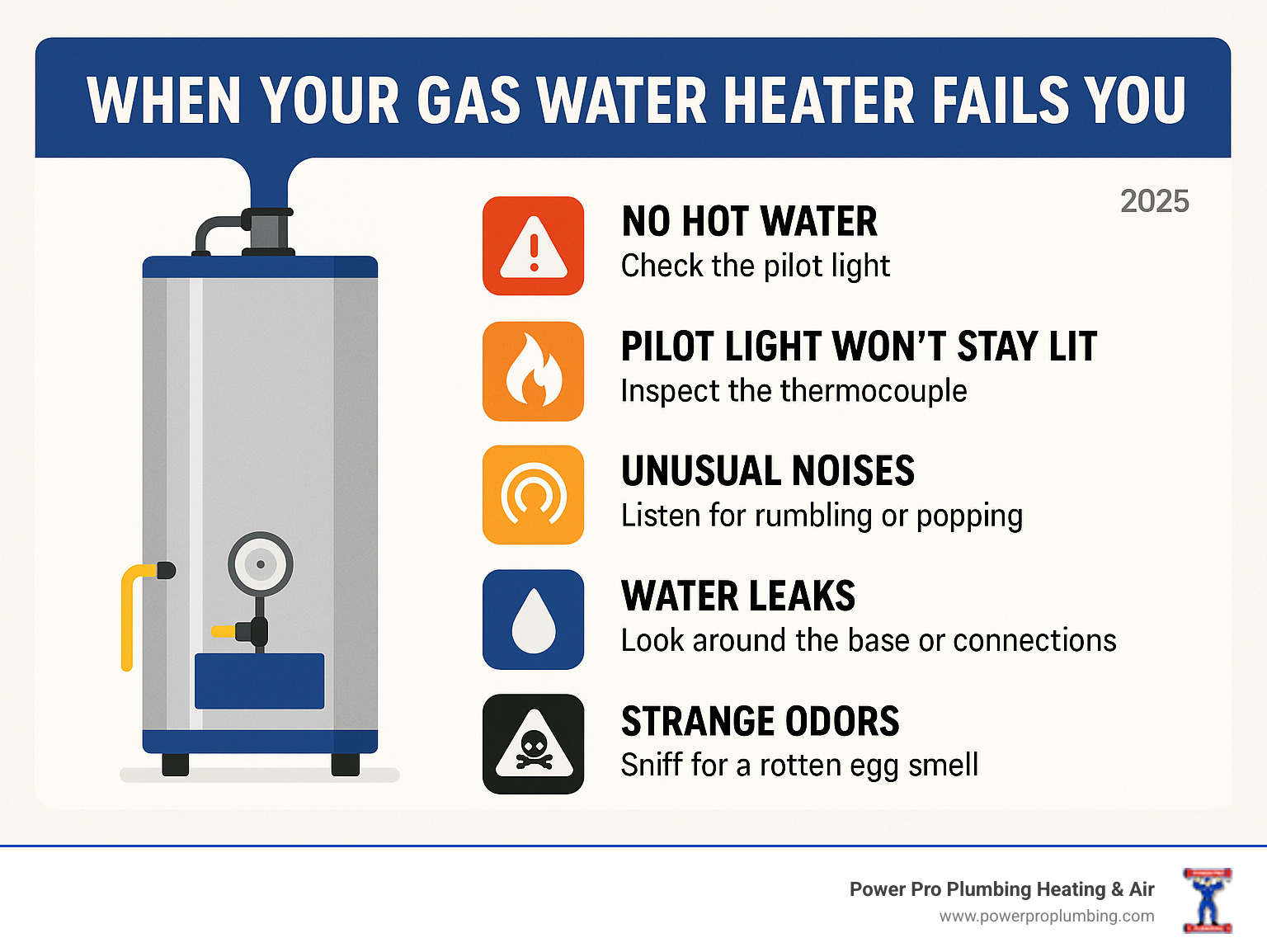
Credit: www.powerproplumbing.com
What Should You Do After Water Sits Too Long?
If water has been unused in your heater for weeks or months, you should not use it right away. Here are the steps to refresh and make your water safe:
- Turn off the power/gas to the heater. Let it cool.
- Drain the tank completely using the drain valve at the bottom.
- Flush with fresh water: Open the cold inlet and run water through until clear.
- Check the anode rod: Replace if it’s corroded.
- Refill and heat: Turn on the heater and let water reach at least 140°F (60°C) for 30 minutes (this kills most bacteria).
- Run all hot taps for several minutes to flush pipes.
If you notice strange smells, rust, or floating particles, repeat the process or call a plumber.
How To Prevent Water From Going Stale
Prevention is easier than fixing a problem. Here’s how to keep water in your heater fresh:
- Use hot water regularly: Even small amounts keep water moving.
- Set temperature to at least 120°F: This stops most bacteria.
- Flush your tank every 6–12 months: Removes sediment and old water.
- Check your anode rod: Replace every 3–5 years.
- If leaving home, turn off heater and drain if possible.
If your home will be empty for more than a month, draining the tank is safest.
Comparing Storage Heaters And Tankless Heaters
Does this problem happen with all heaters? Let’s compare storage and tankless types.
| Heater Type | Water Storage? | Risk of Stale Water | Common Uses |
|---|---|---|---|
| Storage Tank | Yes (30–80 gallons) | High if unused | Most homes |
| Tankless (On-demand) | No | Very low | Modern, energy-saving homes |
Tankless heaters heat water only when you turn on a tap. There is almost no standing water, so the risk of stale water is extremely low.
Common Myths About Water Heaters And Stale Water
A lot of people believe things about water heaters that aren’t true. Let’s clear up some myths.
Myth 1: “hot Water Always Kills All Germs”
Hot water can kill many germs, but only if it reaches at least 140°F (60°C) for long enough. Many heaters are set lower to save energy, which is not hot enough to kill all bacteria.
Myth 2: “if Water Looks Clear, It’s Safe”
Bacteria and some chemicals are invisible. Water can look clear but still be unsafe after sitting for weeks.
Myth 3: “old Water Just Tastes Bad, But Won’t Hurt You”
Some bacteria in old water can cause serious illness if inhaled or swallowed. Never ignore strange smells or tastes.
Myth 4: “once You Heat Water, It’s Like New Again”
Heating old water may kill some bacteria, but it cannot remove chemicals or metals that have leached into the water.
Signs Your Water Heater Water Needs Attention
How do you know if your heater has stale or unsafe water? Watch for these warning signs:
- Sulfur (“rotten egg”) smell: Suggests bacteria or failing anode rod.
- Rusty or cloudy water: Indicates corrosion or sediment.
- Noises from the tank: Popping or rumbling may mean sediment buildup.
- Strange taste: Metallic or stale taste means water is old or contaminated.
If you notice any of these, it’s time to flush your tank and inspect for problems.
How To Flush A Water Heater Step By Step
If you think your water has been sitting too long, flushing the heater is the best solution. Here’s a practical, easy-to-follow guide:
- Turn off power or gas to the heater.
- Let water cool for an hour.
- Connect a hose to the drain valve.
- Open a hot water tap in your home (prevents vacuum).
- Open the drain valve and let water run out.
- When empty, turn on the cold water inlet to flush out the last bits.
- When water runs clear, close everything, refill the tank, and heat water again.
For best results, repeat this every 6–12 months.
Maintenance Tips For Safe Hot Water
Proper maintenance keeps your water fresh and your heater healthy. Here are advanced tips many homeowners miss:
- Test water temperature with a thermometer at the tap. Make sure it’s above 120°F.
- Inspect the anode rod by removing it—replace if more than 50% is gone.
- Check for leaks around the tank and pipes.
- Install a recirculation pump if your home has long hot water pipes. This keeps water moving and prevents stagnation.
- Add a timer to your heater if you leave home often. This can save energy and reduce stale water.
How Do Plumbers Handle Long-stored Water?
When professionals deal with empty homes or vacation properties, they follow strict steps:
- Flush the entire system: Not just the heater, but all hot water pipes.
- Disinfect with chlorine: Sometimes, they add a small amount of chlorine to kill bacteria, then flush again.
- Test water quality: For bacteria and chemicals if the home was empty for months.
- Replace old heaters: If the tank is rusty or contaminated.
If you move into an old or empty home, consider hiring a plumber for a full inspection.

Credit: www.youtube.com
When Should You Replace Your Water Heater?
Sometimes, old water is a sign your heater is failing. You should consider replacement if:
- The tank is over 10–12 years old
- You see rusty water often
- There are leaks or cracks
- There is constant foul odor
- Flushing doesn’t solve the problem
Modern heaters are safer, more efficient, and better at keeping water fresh.
Case Studies: Real-world Examples
Example 1: Vacation Home Problem
A family left their vacation home for 6 months. When they returned, the hot water smelled like rotten eggs. Flushing the tank helped a little, but the smell returned. A plumber found the anode rod was gone, and bacteria had grown.
Replacing the rod and disinfecting the tank solved the problem.
Example 2: Apartment Building Issue
In a small apartment building, some units were empty during the pandemic. After 3 months, tenants complained of cloudy hot water and stomach problems. Testing showed bacterial contamination. The building owner had to flush all heaters, disinfect, and raise temperatures.
Example 3: Elderly Home Safety
An elderly person turned down their water heater to save money. After 2 weeks of low use, they developed a lung infection from showering. The doctor traced the cause to Legionella bacteria in the heater. Raising the temperature and regular flushing fixed the problem.
Data And Statistics On Water Heaters And Health
- According to the CDC, about 8,000–18,000 cases of Legionnaires’ disease happen each year in the U.S. A common source is stagnant water in heaters.
- The EPA recommends draining and flushing water heaters after long absences, especially for infants, elderly, or immune-compromised people.
- A study found that sediment reduces water heater efficiency by up to 30% after several months of buildup.
These numbers show why maintaining your heater is important—not just for water quality, but for your health and wallet.
Environmental Impact Of Stale Water
Letting water sit in heaters and then flushing it out may seem wasteful. But using contaminated water is a bigger risk. To reduce waste:
- Use flushed water to water plants or clean outdoor areas if safe.
- Insulate your heater to maintain temperature and reduce bacteria growth.
- Consider a tankless system if you rarely use hot water.
Trusted Resources For Further Reading
If you want to dig deeper, check out the CDC’s guide to Legionella in water systems: CDC Water Management Toolkit.
Frequently Asked Questions
How Long Can Water Safely Stay In A Hot Water Heater?
In most cases, water is safe for up to 3 days if the heater is set above 120°F and in good condition. After that, quality drops and bacteria risk rises, especially after 2 weeks.
Is It Ok To Drink Water From The Hot Tap?
It’s not recommended. Hot water dissolves metals and can contain more bacteria after sitting. Always use cold tap water for drinking and cooking.
What If I Smell Rotten Eggs From My Hot Water?
This usually means sulfur bacteria or a failing anode rod. Flush the tank and replace the rod. If the smell continues, call a plumber.
Does A Tankless Water Heater Have This Problem?
No. Tankless heaters don’t store water, so water is always fresh when you turn on the tap. Risk of stale water is very low.
How Do I Flush My Water Heater If It’s Been Unused?
Turn off power/gas, let it cool, attach a hose to the drain valve, open a hot tap, drain the tank, then flush with fresh water until clear. Refill and reheat before use.
Water heaters are simple devices, but the water inside them needs care. By flushing your tank, keeping temperatures safe, and knowing how long water can sit, you protect your health and your home. Don’t ignore the signs—fresh water starts with good habits.

Credit: www.pmmag.com