
A sand point well can be a life-changing water source for rural homes, cabins, and even gardens. These simple wells offer affordable access to groundwater, often where drilling a modern well is too expensive or not possible. But if you depend on a sand point well, one big question always comes up: How long does a sand point well last? The answer depends on many factors, from installation quality to the type of soil and how you use the well. If you want to know what to expect, how to make your well last longer, and warning signs of problems, you’re in the right place.
This guide explains everything you need to know about the lifespan of sand point wells. You’ll learn what affects their durability, how to maintain your system, and when it’s time to replace or repair it. If you’re thinking about getting a sand point well or already rely on one, understanding these details can save you money, frustration, and ensure your water supply stays safe.
What Is A Sand Point Well?
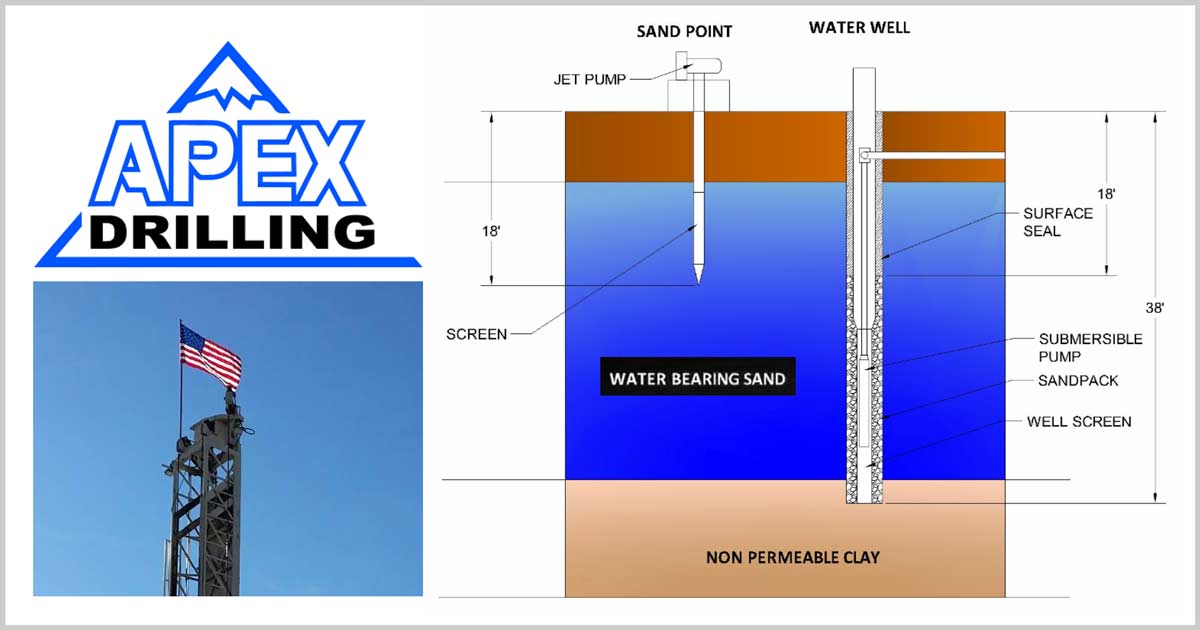
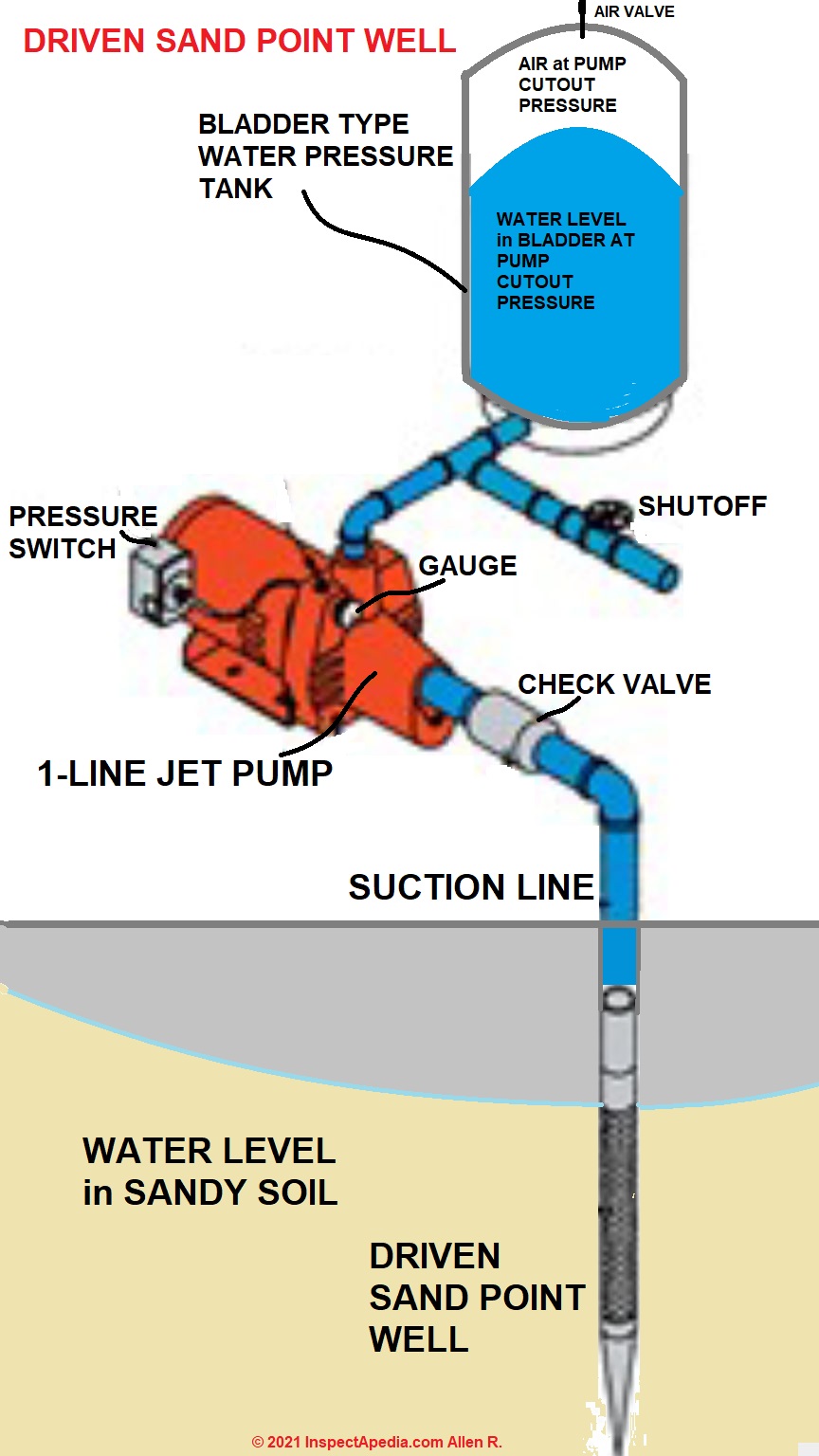
A sand point well, sometimes called a driven point well, is a shallow water well made by driving a steel pipe with a pointed, screened end (the sand point) into the ground. The sand point acts as a filter, allowing water from the surrounding sand and gravel to flow into the pipe while keeping out larger particles.
These wells are usually installed by hand or with simple machinery. They’re popular because they’re cheaper than drilled wells and can often be installed in a single day. The typical depth is between 15 and 30 feet, though some go deeper if the water table is low.
Sand point wells are most common in areas with loose, sandy soil and a high water table. They’re often used for:
- Rural homes without municipal water
- Garden and irrigation systems
- Vacation cabins or campsites
Average Lifespan Of A Sand Point Well
The lifespan of a sand point well depends on many things, but most last between 10 and 25 years. Some wells work well for 30 years or more, while others may fail after just a few years if conditions are poor or the well is not cared for.
Here’s a basic overview:
| Condition | Typical Lifespan |
|---|---|
| Ideal installation, sandy soil, high water table | 20-30 years |
| Average installation, mixed soil, moderate water table | 10-20 years |
| Poor installation, clay/rocky soil, low water table | 5-10 years |
Key insight: The quality of installation and local soil conditions have the biggest impact on how long your well will last.

Credit: www.youtube.com
Factors That Affect Sand Point Well Longevity
1. Soil And Groundwater Conditions
The best sand point wells are installed in sandy, gravelly soils with a high water table. These soils allow water to flow easily through the ground and into the well. If your soil is too clay-heavy, rocky, or has many hard layers, it’s harder to drive the well and water flow is restricted. In these cases, the screen can clog quickly or the well may not produce enough water.
Non-obvious insight: Even if you start with sandy soil, a change in the water table or underground movement can bring in fine silt, which slowly clogs the well screen.
2. Water Table Depth
A high water table means the well doesn’t have to be very deep, and the pump doesn’t have to work as hard. This reduces wear on the system. If the water table drops over time (from drought or heavy use), the well may stop working or the pump can burn out.
3. Installation Quality
A well that’s installed straight, with a clean, undamaged sand point and pipe, will last longer. If the screen is damaged or the joints are not sealed, dirty water can enter, bringing sand and silt that quickly wear out the system.
Pro tip: Using the right size sand point for your pump and intended use (household vs. irrigation) helps prevent over-pumping and screen damage.
4. Materials Used
Most sand point wells use galvanized steel pipe and screens, which resist rust for years. However, poor-quality materials may corrode or break much sooner. Stainless steel screens last longer but cost more.
5. Maintenance
Regular checking and cleaning can add years to a sand point well’s life. Neglect allows sand and minerals to build up, reducing flow and damaging the screen.
6. Water Usage Patterns
A well that’s used gently and not over-pumped will last longer. Heavy, daily use (such as for irrigation) puts more stress on the pump and screen.
7. Water Quality
If your groundwater has high levels of iron, manganese, or hardness, these minerals can clog the screen or form deposits inside the pipe. Acidic water speeds up corrosion.
Signs Your Sand Point Well Is Failing
Knowing when your well is nearing the end of its life can help you plan repairs or replacement. Watch for these warning signs:
- Reduced water flow – If your well used to fill a bucket quickly and now it’s slow, the screen may be clogged or the water table may have dropped.
- Sand or grit in water – This often means the screen is damaged or the well is pumping from too close to the bottom.
- Changes in water color or taste – Rusty or muddy water can mean corrosion, screen failure, or outside contamination.
- Pump problems – Short cycling, loss of pressure, or a pump that runs but doesn’t bring water up often means the water level is too low or the screen is blocked.
- Unusual noises – Gurgling or sucking sounds in the pipe can indicate air is entering due to a low water table or leaks.
Tip: Occasional short-term changes (like slow flow after heavy use) are normal. Long-term changes are a sign of real problems.
Credit: www.apexdrillingllc.com
How To Extend The Life Of A Sand Point Well
With good care, you can maximize the usable years from your well. Here’s how:
1. Regular Inspection
Check your wellhead, pipes, and pump every few months. Look for leaks, rust, or worn parts. Early repairs are cheaper and prevent bigger problems.
2. Clean The Well Screen
If your well flow drops, a professional can clean the screen with compressed air or back-flushing. This removes sand and mineral buildup without digging a new well.
3. Monitor Water Table Levels
Track your water level, especially during dry seasons. If the water table drops, reduce usage to avoid overworking the pump or sucking up sand.
4. Use A Sediment Filter
Install a sediment filter between your well and your house plumbing. This protects appliances and reduces wear on the pump.
5. Don’t Over-pump
Use a pump that matches your well’s capacity. Pumping too fast can pull sand through the screen or lower the water table faster than it refills.
6. Treat Water Quality Problems
If you have hard or iron-rich water, use appropriate filters or softeners. This reduces mineral buildup in the well and your plumbing.
7. Shock Chlorination
Once a year, disinfect the well with shock chlorination to kill bacteria and algae. This keeps the system clean and safe.
Non-obvious insight: Don’t use harsh chemicals or try to “flush” a well with bleach or acids unless you know exactly what you’re doing. This can damage the screen and pipe.
Common Causes Of Sand Point Well Failure
Understanding what usually causes these wells to stop working helps you avoid those problems.
- Screen clogging – Fine sand, silt, or mineral deposits block water flow.
- Pipe corrosion – Old or low-quality pipes eventually rust through.
- Pump failure – Overuse or sand in the pump damages seals and bearings.
- Water table drop – Natural changes or nearby wells lower the groundwater.
- Physical damage – Freezing, ground movement, or impact cracks the pipe or connections.
Comparing Sand Point Wells To Other Well Types
It’s useful to see how sand point wells compare to other common well types in terms of lifespan, cost, and maintenance.
| Well Type | Average Lifespan | Typical Depth | Cost (USD) | Maintenance |
|---|---|---|---|---|
| Sand Point Well | 10–25 years | 15–30 ft | $500–$2,000 | Low to moderate |
| Dug Well | 15–40 years | 10–30 ft | $1,500–$5,000 | Moderate |
| Drilled Well | 30–50+ years | 50–300 ft | $5,000–$15,000 | Low |
Key takeaway: Sand point wells are affordable, but their lifespan is shorter than most drilled wells. They require more attention, especially in poor soil or low water table areas.
When Should You Replace Or Redrill Your Sand Point Well?
Eventually, all sand point wells will need to be replaced or redrilled. Here are the main situations when replacement makes sense:
- Repeated clogging – If the screen blocks up often even after cleaning, the surrounding soil may have changed.
- Heavy corrosion – If the pipe or screen is rusted through, water quality and flow will drop.
- Very low water table – If the groundwater has dropped below your well, moving the well or installing a deeper system is needed.
- Pump damage from sand – If you keep finding sand in your water and the pump wears out, the screen is likely damaged.
- Worsening water quality – If tests show increasing bacteria, iron, or other contaminants, it may be time for a new well.
Real-world example: Some rural homeowners install a new sand point well every 15 years as a maintenance plan, since it’s cheaper than waiting for a total failure.
Cost Of Repairing Vs. Replacing A Sand Point Well
Repairing a sand point well can be much cheaper than installing a new one, but not always. Here’s a simple comparison:
| Repair Needed | Estimated Cost (USD) | When to Repair |
|---|---|---|
| Screen cleaning (professional) | $150–$500 | Low flow, minor clogging |
| Replace pump | $200–$800 | Low pressure, no water |
| Replace pipe section | $100–$400 | Minor rust or leaks |
| New sand point well | $800–$2,500 | Major failure, low water table |
Insider advice: If your well is over 20 years old and needs several repairs at once, installing a new one is usually more cost-effective in the long run.
Practical Tips For Getting The Most From Your Sand Point Well
- Test water quality every year. This keeps your family safe and helps spot problems early.
- Keep the well cap sealed. This prevents insects, surface water, or dirt from entering.
- Avoid using the well for irrigation if it’s your main drinking source. Overuse can shorten the well’s lifespan.
- Mark the well location clearly. This prevents damage from lawn equipment or vehicles.
- Record all maintenance. Keeping a log helps you track the well’s condition and plan ahead.
Health And Safety Considerations
Sand point wells can be safe, but they’re more likely to be contaminated than deeper wells, especially in flood-prone or agricultural areas. Shallow wells are closer to the surface, so they can pick up bacteria, nitrates, or chemicals from the ground above.
Best practices:
- Test for coliform bacteria and nitrates at least once a year.
- Don’t build a sand point well near septic systems, animal pens, or chemical storage.
- Use a sanitary seal at the wellhead to keep out insects and surface water.
If you’re unsure about your water quality, your local health department can help with testing and advice.
How Climate And Seasonal Changes Affect Sand Point Well Lifespan
Sand point wells are sensitive to changes in rainfall, drought, and seasonal water table shifts.
- In wet years, the water table is higher, and wells work better.
- During drought, the water table drops, and shallow wells may dry up or get muddy.
- In cold climates, freezing can damage pipes above ground if not insulated.
Practical advice: If you notice big changes in your well’s output each season, adjust your water usage accordingly and check for leaks or pipe damage after winter.
Environmental Impact And Regulations
Sand point wells have a small environmental footprint if properly installed, but there are still rules you need to know.
- Most areas require a permit for new wells.
- There are minimum distance rules from septic systems, property lines, and streams.
- Abandoned wells should be sealed professionally to prevent contamination of the groundwater.
Check your local rules before installing, repairing, or abandoning a well. This information is often available from your state or county water authority or the local health department.
For more, see the EPA’s private well information.
Are Sand Point Wells Right For You?
Sand point wells are a good solution if:
- Your water table is high (less than 30 feet deep)
- The soil is sandy or gravelly
- You need water for a garden, livestock, or a small home
- You want a low-cost, easy-to-install well
They are not ideal if:
- The water table is deep or changes a lot
- Soil is mostly clay or rock
- You need large amounts of water daily
- You want a system that will last 40+ years with little maintenance
Pro insight: Many rural homeowners install a sand point well for backup or irrigation, using a drilled well for main household use.
Credit: inspectapedia.com
Frequently Asked Questions
How Deep Can A Sand Point Well Go?
Most sand point wells are between 15 and 30 feet deep. The practical limit is about 40 feet because suction pumps can only lift water about 25 feet vertically. Deeper wells require a different design.
Can You Drink Water From A Sand Point Well?
Yes, you can drink water from a sand point well, but it must be tested regularly for bacteria, nitrates, and other contaminants. Because these wells are shallow, they’re more likely to pick up pollution from the surface.
How Do I Know If My Sand Point Well Is Running Dry?
Signs your well is running dry include sputtering taps, low water flow, the pump running longer than normal, and sand or air in the water. If these happen, reduce water use and check the water table in your area.
Can A Sand Point Well Be Re-driven Or Cleaned?
Yes, in many cases you can re-drive a sand point well or clean the screen using professional tools. This is often cheaper than installing a new well, but if the water table has dropped, a new location may be needed.
What Maintenance Does A Sand Point Well Require?
Check for leaks, rust, or pump problems several times a year. Test water quality at least once a year. Clean or replace the screen if water flow drops, and keep the area around the wellhead clean and dry.
A sand point well can provide reliable, affordable water for many years if you install it wisely, maintain it regularly, and know when it’s time for repairs or replacement. With the right care, your well can easily reach or exceed its expected lifespan, keeping your water safe and your costs low.