
How Many Wires In 38 Flex Conduit
Electrical wiring can seem confusing, especially when you have to plan for large or complex installations. One question that often comes up is: How many wires can you put in a 38 flex conduit? This question isn’t just about guessing space—it’s about following safety standards, understanding wire sizes, and making sure your setup is reliable and legal. If you’re an electrician, a contractor, or a DIY homeowner, knowing the answer saves time, money, and potential headaches.
Many people think fitting wires into a conduit is just about “cramming as many as possible.” The reality is more technical. There are codes, rules, and calculations. In this article, we’ll cover everything you need to know about the number of wires you can safely install in a 38 flex conduit. We’ll break down what “38 flex conduit” means, the main factors that affect wire count, and then go through 38 different wire sizes and types—one by one—so you’ll know exactly what fits and what doesn’t.
By the end, you’ll be able to confidently plan your conduit work, avoid code violations, and understand the practical realities of wiring.
Understanding 38 Flex Conduit
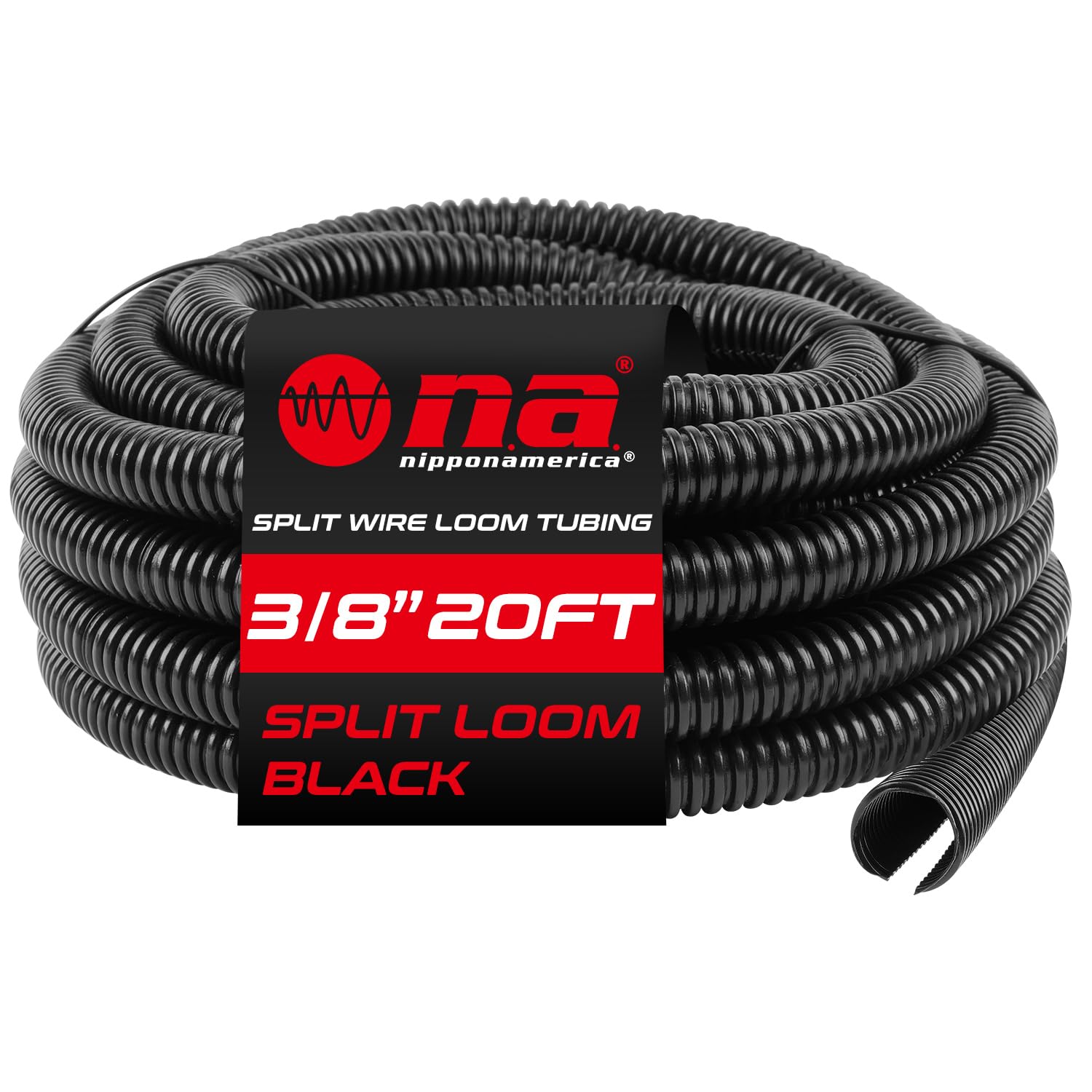
Before talking about the number of wires, it’s important to clarify what a 38 flex conduit is. In the electrical field, “flex conduit” usually means flexible metal conduit (FMC) or liquid-tight flexible nonmetallic conduit (LFNC). The “38” usually refers to the size, often measured in millimeters or as a trade size. In many countries, 38 mm is a standard size for flexible conduit, which is roughly equivalent to 1-1/2 inches in trade size.
Flexible conduit is used where movement, vibration, or bending is expected. It’s common in industrial, commercial, and sometimes residential settings. The flexibility allows for easier routing around obstacles.
Why Wire Count Matters
Packing too many wires into a conduit can cause:
- Overheating (wires can’t shed heat)
- Difficult installation
- Code violations
- Damage to wire insulation
Local and international electrical codes (like NEC in the USA) give strict limits on conduit fill.
How Wire Fill Is Calculated
Wire fill is determined by:
- Conduit inside diameter
- Wire outside diameter
- Code maximum fill percentage
For example, the National Electrical Code (NEC) allows a maximum of:
- 53% fill for one wire
- 31% fill for two wires
- 40% fill for three or more wires
This fill percentage is the maximum amount of the conduit’s cross-sectional area that the wires can occupy.
Main Factors Affecting Wire Count In 38 Flex Conduit
Several factors decide how many wires fit:
- Wire type and insulation: THHN, XHHW, etc., all have different thicknesses.
- Wire size (gauge or mm²): Larger wires take more space.
- Conduit type: Some flex conduits have slightly different internal diameters.
- Code requirements: Local rules may be stricter than NEC.
For this article, we’ll use standard wire types and sizes, and base calculations on common NEC rules and average conduit dimensions.
Calculating Maximum Wire Count: The Method
To find out how many wires fit in a 38 mm flex conduit, follow these steps:
- Find conduit internal diameter (for 38 mm, it’s about 36 mm).
- Calculate internal area: Area = π × (radius)² = 3.14 × (18 mm)² ≈ 1,017 mm².
- Apply maximum fill: For 3 or more wires, max is 40% of area = 407 mm².
- Divide by wire area: Find cross-sectional area of one wire (based on size and insulation), then divide 407 mm² by that number.
We’ll use these calculations for each wire type below.
—
How Many Wires In 38 Flex Conduit: All 38 Wire Sizes And Types
Now, let’s go through 38 different wire types and sizes. For each, you’ll see:
- Common wire type (e.g., THHN, XHHW, etc.)
- Size (AWG or mm²)
- Typical outside diameter
- How many fit in 38 mm flex conduit
1. 14 Awg Thhn
- Outside diameter: ~2.7 mm
- Area per wire: 5.7 mm²
- Wires fit: 71
This small wire is common for lighting circuits. You can fit a large number, but remember to consider derating if you use many current-carrying wires.
2. 12 Awg Thhn
- Outside diameter: ~3.1 mm
- Area per wire: 7.5 mm²
- Wires fit: 54
Popular for outlets and appliances. Easier to pull and manage compared to larger wires.
3. 10 Awg Thhn
- Outside diameter: ~3.8 mm
- Area per wire: 11.3 mm²
- Wires fit: 36
Often used for larger appliances. Space starts to get tighter.
4. 8 Awg Thhn
- Outside diameter: ~4.9 mm
- Area per wire: 18.8 mm²
- Wires fit: 21
Used for air conditioning and similar loads. Fewer wires fit due to larger size.
5. 6 Awg Thhn
- Outside diameter: ~6.2 mm
- Area per wire: 30.2 mm²
- Wires fit: 13
6 AWG is common for subpanels or high-power devices.
6. 4 Awg Thhn
- Outside diameter: ~7.6 mm
- Area per wire: 45.4 mm²
- Wires fit: 8
When you need power for large equipment, 4 AWG is common.
7. 2 Awg Thhn
- Outside diameter: ~9.5 mm
- Area per wire: 70.9 mm²
- Wires fit: 5
For large feeders, you’ll fit only a few wires.
8. 1 Awg Thhn
- Outside diameter: ~10.8 mm
- Area per wire: 91.6 mm²
- Wires fit: 4
1 AWG is often used for big motor feeds.
9. 1/0 Awg Thhn
- Outside diameter: ~12.2 mm
- Area per wire: 117 mm²
- Wires fit: 3
Heavy-duty wire for high-load panels.
10. 2/0 Awg Thhn
- Outside diameter: ~13.7 mm
- Area per wire: 147.5 mm²
- Wires fit: 2
You can fit only two 2/0 wires—this is a practical limit.
11. 3/0 Awg Thhn
- Outside diameter: ~15.4 mm
- Area per wire: 186.2 mm²
- Wires fit: 2
Wire is very thick; conduit fills up fast.
12. 4/0 Awg Thhn
- Outside diameter: ~17.3 mm
- Area per wire: 235 mm²
- Wires fit: 1
You can only fit one 4/0 wire, but that’s still within code.
13. 16 Awg Thhn
- Outside diameter: ~2.2 mm
- Area per wire: 3.8 mm²
- Wires fit: 107
Used for control wiring, alarms, and low-current circuits.
14. 18 Awg Thhn
- Outside diameter: ~1.8 mm
- Area per wire: 2.5 mm²
- Wires fit: 162
For signal or thermostat wires, you can fit many in the conduit.
15. 12 Awg Xhhw
- Outside diameter: ~3.2 mm
- Area per wire: 8.0 mm²
- Wires fit: 50
XHHW insulation is slightly thicker than THHN.
16. 10 Awg Xhhw
- Outside diameter: ~4.1 mm
- Area per wire: 13.2 mm²
- Wires fit: 30
Used where extra moisture resistance is needed.
17. 8 Awg Xhhw
- Outside diameter: ~5.4 mm
- Area per wire: 22.9 mm²
- Wires fit: 17
Still fits a good number of wires for big circuits.
18. 6 Awg Xhhw
- Outside diameter: ~6.9 mm
- Area per wire: 37.4 mm²
- Wires fit: 10
Bigger insulation means fewer wires than THHN.
19. 4 Awg Xhhw
- Outside diameter: ~8.6 mm
- Area per wire: 58.1 mm²
- Wires fit: 7
For heavy loads, you must plan carefully.
20. 2 Awg Xhhw
- Outside diameter: ~10.8 mm
- Area per wire: 91.6 mm²
- Wires fit: 4
XHHW insulation means only 4 will fit.
21. 1/0 Awg Xhhw
- Outside diameter: ~13.4 mm
- Area per wire: 141.1 mm²
- Wires fit: 2
Big jump in area as wire gets larger.
22. 10 Mm² Pvc
- Outside diameter: ~4.5 mm
- Area per wire: 15.9 mm²
- Wires fit: 25
Common in Europe and Asia.
23. 16 Mm² Pvc
- Outside diameter: ~5.7 mm
- Area per wire: 25.5 mm²
- Wires fit: 15
For larger loads in metric systems.
24. 25 Mm² Pvc
- Outside diameter: ~7.1 mm
- Area per wire: 39.6 mm²
- Wires fit: 10
Still widely used for big installations.
25. 35 Mm² Pvc
- Outside diameter: ~8.3 mm
- Area per wire: 54.1 mm²
- Wires fit: 7
You need to be careful as you approach conduit fill limits.
26. 50 Mm² Pvc
- Outside diameter: ~9.7 mm
- Area per wire: 74 mm²
- Wires fit: 5
For main feeders, space is tight.
27. 70 Mm² Pvc
- Outside diameter: ~12 mm
- Area per wire: 113 mm²
- Wires fit: 3
Big cables; plan for pulling difficulty.
28. 95 Mm² Pvc
- Outside diameter: ~13.7 mm
- Area per wire: 147.5 mm²
- Wires fit: 2
Usually used for high-power connections.
29. 120 Mm² Pvc
- Outside diameter: ~15.2 mm
- Area per wire: 181.5 mm²
- Wires fit: 2
Very large wire, limited by area.
30. 150 Mm² Pvc
- Outside diameter: ~16.6 mm
- Area per wire: 216.5 mm²
- Wires fit: 1
You can fit only one of these in 38 mm flex.
31. 185 Mm² Pvc
- Outside diameter: ~18.2 mm
- Area per wire: 260.2 mm²
- Wires fit: 1
This is at the very limit of fill.
32. 240 Mm² Pvc
- Outside diameter: ~20 mm
- Area per wire: 314 mm²
- Wires fit: 1
Only one fits, with little space left.
33. 1.5 Mm² Pvc
- Outside diameter: ~2.2 mm
- Area per wire: 3.8 mm²
- Wires fit: 107
Used for lighting and control wiring.
34. 2.5 Mm² Pvc
- Outside diameter: ~2.7 mm
- Area per wire: 5.7 mm²
- Wires fit: 71
This is the standard for outlets in many countries.
35. 4 Mm² Pvc
- Outside diameter: ~3.3 mm
- Area per wire: 8.6 mm²
- Wires fit: 47
Used for air conditioners and water heaters.
36. 6 Mm² Pvc
- Outside diameter: ~3.9 mm
- Area per wire: 12 mm²
- Wires fit: 33
For higher power circuits.
37. 0.75 Mm² Pvc
- Outside diameter: ~1.4 mm
- Area per wire: 1.5 mm²
- Wires fit: 271
Used for signal and control. You can fit a large number.
38. 22 Awg Thhn
- Outside diameter: ~1.3 mm
- Area per wire: 1.3 mm²
- Wires fit: 313
Tiny wire for data, sensors, and alarms.
—

Credit: www.amazon.com
Comparison Of Common Wire Sizes
When planning your wiring, it’s useful to see how different wire sizes compare in terms of fit. Here’s a quick comparison:
| Wire Size | Type | Outside Diameter (mm) | Wires Fit in 38 Flex |
|---|---|---|---|
| 14 AWG | THHN | 2.7 | 71 |
| 10 AWG | THHN | 3.8 | 36 |
| 6 AWG | XHHW | 6.9 | 10 |
| 1/0 AWG | THHN | 12.2 | 3 |
| 240 mm² | PVC | 20 | 1 |
Practical Tips For Wiring 38 Flex Conduit
- Always check your local code before finalizing wire count.
- Leave space for future wiring if possible—don’t fill the conduit to the absolute max.
- Use wire lubricant for easier pulls, especially with many wires.
- Avoid sharp bends; more wires make pulling harder.
- Label wires at both ends for easy troubleshooting.
Non-obvious Insights
- Temperature derating: If you fill the conduit close to maximum, the heat can’t escape as easily. You may need to use a larger wire size to avoid overheating, especially in long runs.
- Pulling difficulty: The more wires you add, the harder it is to pull them. Even if the math says wires fit, in practice, it can be very difficult or damage insulation during installation.
Credit: www.amazon.com
Mistakes To Avoid
- Ignoring wire insulation thickness: Not all wires of the same “size” have the same outside diameter. Always check the actual specs.
- Skipping conduit fill tables: Guessing is risky. Use official tables or manufacturer data.
- Forgetting about bends and connectors: These can reduce usable space in the conduit.
- Overfilling: Even if wires fit, it may not be safe. Always stay within the 40% fill rule for three or more wires.
Code Compliance And Safety
The NEC and similar codes are strict for a reason. Overfilling conduits can cause real hazards. Always check the latest code or consult with a licensed electrician. For in-depth reference, you can visit the official NFPA NEC Code.
When To Use A Larger Conduit
If your calculation shows you’re at or near the maximum fill, consider stepping up to the next conduit size. This gives you more room for future changes, makes pulling wires easier, and reduces the risk of damage.
Data Table: Fill Percentage Vs. Wire Count
To illustrate how fill percentage affects wire count, see below:
| Number of Wires | Fill Percentage | Allowed in 38 Flex |
|---|---|---|
| 1 | 53% | 1 large wire |
| 2 | 31% | Usually 2 medium wires |
| 3 or more | 40% | Depends on wire size |

Credit: www.homelectrical.com
Real-world Example
Suppose you are wiring a commercial kitchen with 10 mm² PVC wires for several ovens and lights. You want to run all wires through a 38 mm flex conduit. Each 10 mm² PVC wire is about 4. 5 mm in diameter, so you can fit 25 wires safely.
But if the kitchen adds more appliances later, you’d have to pull out old wires to add new ones. Planning for extra space now can save a lot of hassle in the future.
Frequently Asked Questions
How Do I Calculate Conduit Fill For Different Wire Types?
To calculate conduit fill, first find the inside area of your conduit, then the area of each wire (including insulation). Divide the allowed fill area (40% of the conduit’s cross-section for three or more wires) by the area of one wire.
Always use actual manufacturer data for precise calculations.
Can I Mix Different Wire Sizes In The Same Conduit?
Yes, but you must calculate the area for each wire size, add them up, and make sure the total stays within the maximum allowed fill. Never just count wires—always check their combined area.
What Happens If I Overfill The Conduit?
Overfilling can cause overheating, difficult wire pulls, damaged insulation, and code violations. It can also make future maintenance much harder. Always follow code and stay within the fill limits.
Does The Type Of Insulation Matter?
Yes. Different insulation types (THHN, XHHW, PVC, etc. ) Have different thicknesses, which change the outside diameter of the wire. This directly affects how many wires you can fit.
Where Can I Find Official Conduit Fill Tables?
You can find official conduit fill tables in the National Electrical Code (NEC) or from wire and conduit manufacturers. For more details, visit the NFPA NEC Code.
—
Choosing the right number of wires for a 38 flex conduit is about more than just fitting wires inside. It’s about safety, code compliance, and planning for the future. Use the right data, check your local codes, and always think ahead. With the information here, you’ll be ready to make smart, safe decisions for any wiring project.