
Keeping your swimming pool clean and healthy takes more than just adding chlorine and skimming leaves. One often-overlooked but crucial task is cleaning the pool pump basket. This small part has a big job—it catches debris before it reaches your pump and filter. If it gets clogged, your entire pool system can suffer. But how often should you clean the pump basket? And what happens if you forget? Let’s dive deep into this topic, so your pool stays sparkling and your equipment lasts longer.
Understanding The Pool Pump Basket’s Role
The pool pump basket sits right before your pool pump. Its main job is to catch leaves, bugs, hair, and other debris that get pulled from the pool. By trapping this junk, the basket protects your pump from clogs and damage. If the basket is full, water can’t flow freely, and the pump has to work harder. This can cause reduced water circulation, cloudy pool water, or even a burned-out pump motor.
Some pool owners don’t realize how quickly the basket can fill up. For example, after a windy day, a storm, or during pollen season, the basket may become packed in just a few hours. Knowing its importance helps you avoid costly mistakes and extra work.
How Often Should You Clean Your Pool Pump Basket?
There is no single answer that fits every pool. But as a general rule, you should check and clean your pool pump basket at least once per week. This is enough for most home pools under normal conditions. However, several factors can change how often you need to do this simple task.
Key Factors Affecting Cleaning Frequency
1. Pool Location
If your pool is under trees, or in a windy area, debris will collect faster. Pools near gardens or lawns also gather more leaves, grass, and seeds.
2. Season And Weather
In autumn, when leaves fall, the basket fills up quickly. Storms or windy days mean more debris. In spring, flowers and pollen can clog the basket too.
3. Pool Usage
More swimmers mean more hair, lint, and other items in the water. If you host frequent pool parties, you’ll need to check the basket more often.
4. Pool Cover Usage
Pools with covers stay cleaner. If you keep your pool covered when not in use, you can clean the basket less often.
5. Nearby Wildlife
Insects, frogs, and small animals sometimes end up in the pool, especially at night. This can fill the basket faster than usual.
Typical Cleaning Schedules
Here’s a quick comparison for different situations:
| Pool Situation | Recommended Cleaning Frequency |
|---|---|
| Normal backyard pool | Once a week |
| Under trees or after storms | 2-3 times per week |
| Heavy pool use (parties, pets) | Every 2-3 days |
| Covered pool, little debris | Every 2 weeks |
Most pool owners find a rhythm after a few weeks. The important thing is to check the basket regularly at first, then adjust as you learn your pool’s habits.
Step-by-step Guide: Cleaning The Pool Pump Basket
Cleaning the pump basket is simple, but doing it wrong can cause problems. Here’s a clear process:
1. Turn Off The Pool Pump
Always switch off the pump and any automation. This prevents accidents and protects the equipment.
2. Release Pressure
If your system has a pressure release valve on the filter, open it to avoid water spraying out when you open the basket lid.
3. Open The Pump Lid
Unscrew or unclip the lid on the pump basket housing. Be gentle; the lid can crack if forced.
4. Remove The Basket
Take out the basket carefully. Some water may spill, so keep a towel nearby.
5. Empty Debris
Shake out leaves and debris. Use a hose to rinse the basket for stubborn dirt or hair.
6. Inspect The Basket
Check for cracks or damage. A broken basket lets debris pass through, risking pump damage.
7. Reinstall The Basket
Make sure it’s seated properly, with no gaps.
8. Close The Lid Securely
Tighten the lid evenly to avoid leaks.
9. Prime The Pump (if Needed)
Some systems lose water during cleaning. Fill the pump basket area with water before restarting.
10. Turn The Pump Back On
Watch for leaks and check water flow.
Pro Tips For First-time Cleaners
- If the lid is hard to open, try a gentle tap or use a strap wrench—never force it.
- Lubricate the lid O-ring with a silicone-based lubricant for a better seal.
- Never run the pump without the basket in place.
Why Regular Cleaning Matters
It’s easy to forget the pump basket until there’s a problem. But consistent cleaning offers many benefits:
- Better Water Flow: Clean baskets allow strong water movement, which keeps chemicals mixed and water clear.
- Longer Equipment Life: Clogs cause pumps to overwork. Clean baskets help pumps and filters last years longer.
- Lower Energy Use: When the pump isn’t struggling, it uses less electricity—saving you money.
- Fewer Repairs: Debris that gets past a full basket can jam the impeller or damage seals, leading to costly fixes.
- Cleaner Pool Water: Strong circulation means dirt and algae don’t get a chance to build up.
Some beginners miss that a clogged basket can also lead to air leaks in the system, which can cause the pump to lose its prime and run dry. This is one of the most expensive mistakes to make.
Signs Your Pool Pump Basket Needs Cleaning
Sometimes it’s obvious the basket is full—your skimmer isn’t working, or the water looks dirty. But there are subtle signs too:
- Pump Sounds Strained: If the pump gets louder or starts whining, check the basket.
- Weak Jets or Poor Circulation: Reduced flow at the pool’s return jets often means a blockage.
- Bubbles in the Pump Basket: Air entering the system can be a sign of a clogged basket.
- Pump Shuts Off Unexpectedly: Many pumps have overload protection that activates when blocked.
- Cloudy or Dirty Water: When water isn’t moving fast enough, it gets dirty quickly.
If you notice any of these, don’t delay—turn off the pump and clean the basket as soon as possible.
How To Adjust Cleaning Frequency For Your Pool
There’s no one-size-fits-all answer. To find the right frequency for your pool, follow this process:
1. Check Weekly At First
For the first month of pool ownership, look at the basket every week. Write down how full it is.
2. Notice Patterns
After storms, does it fill faster? Is it nearly empty during dry weeks? Pay attention to these changes.
3. Increase Checks During Trouble Seasons
In autumn or after heavy winds, check every 2-3 days.
4. Test Longer Gaps In Winter
If you close your pool or use a cover, try every two weeks—but don’t skip entirely.
5. Watch For Early Warning Signs
Use the signs above (weak flow, strange sounds) as a backup.
6. Keep A Log
A simple notebook or phone reminder helps you create a routine that fits your pool.
Real-world Example
Jane, a pool owner in Florida, checks her basket every Monday and Friday. In May, when oak trees drop pollen, she checks every other day. By August, with the pool covered during storms, she only checks once per week. This flexibility keeps her pool clear and her pump running smoothly.
What Happens If You Don’t Clean The Pool Pump Basket?
Skipping this small task can cause big problems. Here’s what can go wrong:
1. Pump Damage
When water can’t move freely, the pump can overheat or burn out. Replacing a pool pump can cost $300–$800 or more.
2. Reduced Filtration
Debris blocks water flow, so the filter can’t do its job. Dirt and algae build up, making the pool less safe.
3. Leaks And Airlocks
A full basket can suck air into the system, causing leaks or losing prime. This may require a technician to fix.
4. Higher Energy Bills
Struggling pumps use much more electricity, sometimes doubling costs.
5. Shorter Equipment Life
The whole system, from seals to motors, wears out faster if clogged often.
6. Unpleasant Swimming Experience
Debris, cloudy water, and slow circulation make the pool less inviting.
Most new pool owners are surprised by how quickly a forgotten basket can cause trouble. It’s a small investment of time with a big payoff.
How The Pump Basket Works With Other Pool Parts
The pump basket is just one part of your pool’s cleaning system. Here’s how it fits in:
- Skimmer Basket: Catches larger debris at the pool’s edge, before it reaches the pump.
- Pump Basket: Catches smaller debris, protecting the pump and filter.
- Filter: Removes fine particles and keeps water clear.
- Return Jets: Push clean water back into the pool.
If any part fails, the whole system suffers. For example, if you never empty the skimmer basket, the pump basket fills faster. If the pump basket is clogged, the filter can’t work well.
Comparison: Skimmer Basket Vs. Pump Basket
| Feature | Skimmer Basket | Pump Basket |
|---|---|---|
| Location | At the pool edge | Inside the pump housing |
| Main Job | Catch large debris | Stop smaller debris |
| How Often to Clean | Every 2-3 days | Weekly (typical) |
| Common Problems | Cracked basket, overflow | Clogs, cracks, air leaks |
Both need regular attention for a healthy pool.
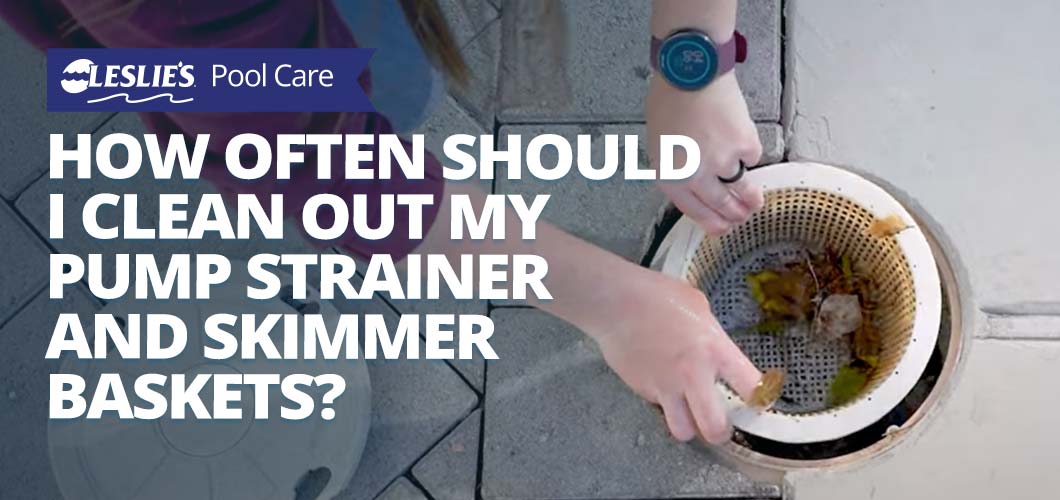
Credit: lesliespool.com
Tools And Supplies To Make Cleaning Easier
You don’t need fancy tools, but a few items make basket cleaning safer and faster:
- Gloves: Protect hands from sharp sticks, bugs, or animal remains.
- Old Toothbrush: Helps scrub out stubborn dirt from basket holes.
- Hose with Spray Nozzle: Rinses debris quickly.
- Towel or Rag: For water spills around the pump.
- Silicone Lubricant: Keeps the pump lid O-ring soft and leak-free.
- Flashlight: Useful if your pump is in a dark or shaded area.
Some pool owners invest in pump basket socks (mesh liners) that catch fine debris. These need changing often but can reduce how much gets stuck in the basket itself.
Advanced Tips For Busy Or Seasonal Pool Owners
If you travel often or only use your pool part of the year, you might worry about missing basket cleanings. Here’s how to stay on track:
- Set Phone Reminders: Schedule weekly alerts during the swim season.
- Ask a Neighbor or Pool Service: If you’re away, have someone check the basket.
- Upgrade to a Larger Basket: Some pool pumps allow for larger baskets that hold more debris.
- Add a Leaf Canister: This is an extra basket placed before the pump, great for pools with heavy leaf problems.
- Install a Pool Cover: Even a simple cover keeps out most debris when the pool isn’t used.
An often-missed tip: after a big storm, always check the basket before running the pump again. Storms can quickly overwhelm the system.
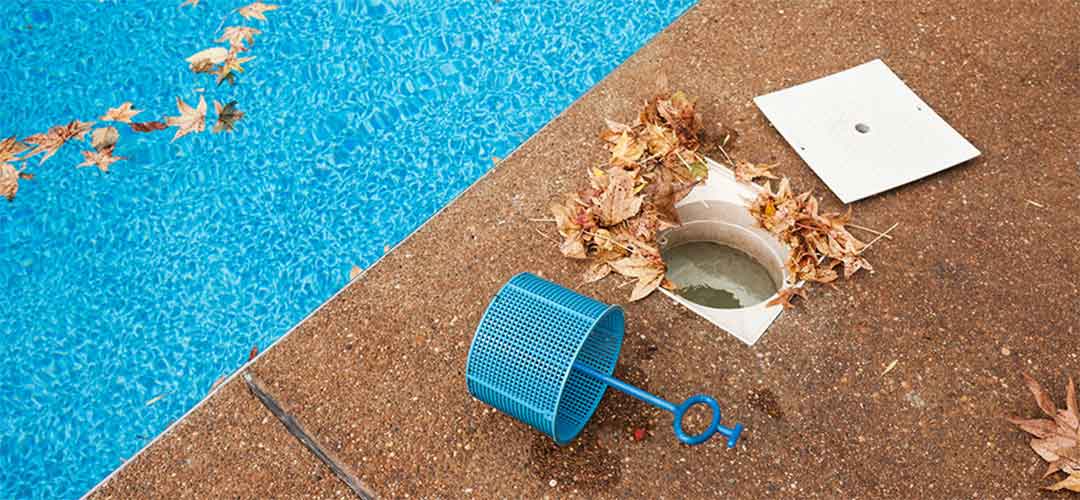
Credit: www.swimmingpool.com
Common Mistakes And How To Avoid Them
Many beginners make these errors:
- Forgetting to Turn Off the Pump: Always shut it down before opening the basket.
- Not Checking the O-ring: A dry, cracked O-ring can leak air and cause pump trouble.
- Overtightening the Lid: This can crack the plastic. Tighten just enough for a snug seal.
- Ignoring Small Cracks in the Basket: Replace a damaged basket promptly.
- Letting Debris Sit Too Long: Wet leaves rot and smell, and can be tough to remove if left for weeks.
Learning from these mistakes saves time and money.
Troubleshooting: If You Can’t Remove The Basket
Sometimes, the basket gets stuck due to debris, swelling, or age. Try these steps:
- Wiggle Gently: Use both hands to rock it side to side.
- Use a Wooden Spoon: Slide it under the edge (never use metal tools).
- Soak with Warm Water: Pour warm (not hot) water around the basket to loosen dirt.
- Lubricate for Next Time: Once out, clean and lubricate the basket and housing.
If you still can’t remove it, consult your pool’s manual or call a professional.
Comparing Pool Pump Basket Maintenance With Other Regular Tasks
How does cleaning the pump basket stack up against other pool chores? Here’s a quick look:
| Task | Time to Complete | Recommended Frequency | Impact if Skipped |
|---|---|---|---|
| Skimmer basket cleaning | 2-3 minutes | Every 2-3 days | Surface debris buildup |
| Pump basket cleaning | 5-10 minutes | Weekly | Pump damage, poor circulation |
| Filter backwashing | 10-15 minutes | Every 2-4 weeks | Dirty water, algae growth |
| Vacuuming pool | 30-60 minutes | Weekly | Algae, dirt buildup |
Pump basket cleaning is one of the quickest tasks, but skipping it has serious consequences.
When To Replace The Pool Pump Basket
Even with regular cleaning, the basket won’t last forever. Replace it if you see:
- Cracks or Holes: Even small cracks let debris through.
- Warped Shape: If it no longer fits snugly.
- Broken Handles or Edges: Makes removal difficult or unsafe.
- Missing Pieces: Sometimes plastic can break off and travel to the pump.
Most baskets last 2–5 years, depending on use and care. Always buy the exact size and type for your pump model.
Environmental And Health Benefits Of A Clean Pump Basket
Keeping the basket clear doesn’t just protect your equipment. It also helps:
- Reduce Chemical Use: Better circulation means you need less chlorine and other chemicals.
- Save Water: Good flow means fewer backwashes and less topping off the pool.
- Limit Mosquitoes and Pests: Stagnant water attracts bugs; moving water does not.
- Prevent Algae: Strong flow keeps algae from getting a foothold.
A clean pool is a healthier pool for everyone.
Final Thoughts
Cleaning your pool pump basket is a small task with a big impact. For most pools, a weekly check is enough, but always adjust based on your pool’s location, season, and usage. Don’t wait for problems—make it part of your routine, and you’ll enjoy a clear, healthy pool and save money on repairs. Remember, a few minutes spent now can save hours and dollars later.
For more details on pool maintenance, check out this in-depth guide from the SwimmingPool.com.

Credit: www.youtube.com
Frequently Asked Questions
How Do I Know If My Pool Pump Basket Is Full?
You may notice weaker water flow, unusual pump noises, or bubbles in the pump basket. Sometimes, you can see debris through the basket lid. It’s best to check the basket regularly, not just when you see a problem.
Can I Clean The Pump Basket While The Pump Is Running?
No, always turn off the pump before opening or removing the basket. Running the pump with the lid off can damage your equipment and may cause injury.
What If My Basket Fills Up Every Day?
If your pump basket fills daily, you may have a lot of nearby trees, heavy winds, or other debris sources. Try using a pool cover, trimming plants, or adding a leaf canister to reduce how often you need to clean.
Do All Pools Have Pump Baskets?
Most in-ground pools with standard filtration systems have a pump basket. Some above-ground or very old pools may not, but these are rare. Always check your pool’s manual if you’re unsure.
Is It Ok To Use A Damaged Pump Basket For A While?
No, a cracked or broken basket lets debris reach the pump, risking expensive damage. Replace it as soon as you see any cracks or holes for the best protection.