
Braising ribs in the oven is a skill that can turn an ordinary meal into something unforgettable. Many home cooks are surprised by how easy it is to get restaurant-quality ribs in their own kitchen, using just a few simple techniques. The secret lies in the method: slow cooking with moisture and heat, which transforms tough cuts into tender, flavorful perfection. If you have struggled with dry or chewy ribs before, oven braising is your solution. This guide will walk you through every step, from choosing the right ribs to serving them with confidence. Along the way, you’ll find tips, troubleshooting advice, and clear answers to common questions.
Why Braise Ribs In The Oven?
Braising is a classic cooking technique that works especially well with ribs. It involves searing the meat first, then slowly cooking it in a flavorful liquid at a low temperature. The result is meat that falls off the bone, with deep, rich flavors. While grilling and smoking have their place, oven braising gives you full control over the process, no matter the weather or your kitchen setup.
Home cooks often choose oven braising because:
- It’s reliable and almost impossible to mess up.
- You don’t need any special equipment besides a baking dish and foil or a Dutch oven.
- You can use inexpensive cuts and still get delicious results.
- Cleanup is simple.
The oven provides even, consistent heat, which is key for breaking down connective tissue in ribs. This method also keeps the meat juicy, locking in flavor and moisture. If you want tender ribs with a thick, sticky sauce, braising in the oven is your best option.
Choosing The Right Ribs
Before you start braising, you need to select the right type of ribs. There are several common varieties, each with a unique texture and flavor.
Types Of Ribs
1. Pork Baby Back Ribs
These are the most popular ribs for home cooks. They come from the upper part of the rib cage, near the spine. Baby back ribs are shorter, curved, and have a good balance of meat and fat.
2. Pork Spare Ribs
Spare ribs come from the belly side of the pig. They are flatter and contain more fat, which makes them very flavorful when braised.
3. Beef Short Ribs
These are larger and meatier than pork ribs. Beef short ribs need a longer braising time but reward you with rich, robust flavor.
4. St. Louis Style Ribs
These are spare ribs with the brisket bone, cartilage, and rib tips removed. They are flatter, which makes them easy to brown and cook evenly.
Each type works well in the oven, but cooking times may vary. Baby back ribs are perfect for beginners, while beef short ribs are ideal if you want something heartier.
What To Look For When Buying Ribs
- Meat Coverage: Look for ribs with a thick layer of meat on top, not just between the bones.
- Fat Marbling: Some fat is good. It keeps the ribs moist during braising.
- Color: Fresh ribs should have a pinkish-red color, not gray or pale.
- Packaging Date: Choose the freshest possible. Avoid ribs with excess liquid in the package.
A rack of baby back ribs (about 2 to 2. 5 pounds) usually serves 2–3 people. For a crowd, plan on one rack per 2 people.
Essential Ingredients For Braising Ribs
Great oven-braised ribs start with a few basic ingredients. Here’s what you need for a classic recipe:
- 2–3 pounds ribs (baby back, spare, or short ribs)
- 1 tablespoon salt (kosher or sea salt)
- 1 tablespoon black pepper
- 2 teaspoons smoked paprika
- 2 teaspoons garlic powder
- 1 teaspoon onion powder
- 1/2 teaspoon cayenne pepper (optional, for heat)
- 1/2 cup brown sugar (for sweetness and caramelization)
- 1 cup broth (chicken, beef, or vegetable)
- 1/2 cup apple cider vinegar (or white wine vinegar)
- 1/2 cup barbecue sauce (for basting/glaze)
- 2 tablespoons oil (vegetable or olive oil)
- 1 onion, sliced
- 3–4 garlic cloves, smashed
- Fresh herbs (like thyme or rosemary, optional)
Most of these ingredients are pantry staples. You can adjust the spices and liquids to suit your taste. For example, use soy sauce for an Asian flavor, or add chipotle for smokiness.
Key Ingredient Insights
- Broth: Adds depth. Don’t use water alone or you’ll miss out on flavor.
- Vinegar: Helps tenderize the meat and balances sweetness.
- Brown Sugar: Promotes caramelization, giving ribs a beautiful color and a sticky finish.
- Oil: Helps brown the ribs and prevents sticking.
Prepping The Ribs
Before cooking, proper preparation sets you up for success.
Removing The Membrane
Most pork ribs have a thin, silver membrane on the bone side. It gets tough when cooked, so it’s best to remove it.
- Start at one end of the rack.
- Slide a knife under the membrane and lift it.
- Grab the loose end with a paper towel (for grip) and pull it off in one piece.
Removing the membrane makes ribs more tender and lets flavors soak in.
Trimming Excess Fat
While some fat is good, thick pieces can become greasy. Trim off large, hard chunks but leave some marbling for moisture.
Seasoning And Marinating
Mix your dry spices and sugar in a small bowl. Rub the mix all over the ribs, coating both sides. For deeper flavor, you can cover and refrigerate the ribs for at least 2 hours, or overnight. The salt draws moisture into the meat, making it juicier.
If you’re short on time, even 30 minutes at room temperature helps.
The Braising Process: Step-by-step
Now, let’s walk through the actual method for braising ribs in the oven.
1. Sear The Ribs (optional, But Recommended)
Browning the ribs first develops a deeper flavor.
- Preheat your oven to 300°F (150°C).
- Heat oil in a large skillet over medium-high heat.
- Sear the ribs for 2–3 minutes per side, until browned.
- Transfer to a roasting pan or Dutch oven.
If you’re short on time, you can skip this step, but the flavor will be milder.
2. Build The Braising Liquid
In your roasting pan or Dutch oven:
- Scatter sliced onions and smashed garlic across the bottom.
- Place the browned ribs on top.
- Pour in the broth and vinegar.
- Add fresh herbs if you like.
The liquid should come about 1/3 of the way up the sides of the ribs. You don’t want to cover them completely.
3. Cover And Cook Low And Slow
- Cover tightly with foil or a lid.
- Place in the preheated oven.
- Braise for 2.5 to 3 hours for pork ribs, or up to 4 hours for beef short ribs.
Check after 2 hours. The meat should be tender but not falling apart completely.
4. Finish With A Glaze
When ribs are tender, remove the foil. Brush on your favorite barbecue sauce or glaze. Increase oven heat to 425°F (220°C). Cook uncovered for 15–20 minutes. This step caramelizes the sauce, giving you that sticky, glossy finish.
5. Rest And Serve
Let the ribs rest for 10–15 minutes before slicing. This helps the juices settle, so the meat stays moist.
Cooking Time Comparison
Here’s a quick look at how long each type of rib needs in the oven:
| Type of Rib | Braising Time (Oven, 300°F) | Final Glaze Time (425°F) | Total Time |
|---|---|---|---|
| Baby Back Ribs | 2.5–3 hours | 15–20 min | 2.75–3.25 hours |
| Spare Ribs | 3–3.5 hours | 15–20 min | 3.25–3.75 hours |
| Beef Short Ribs | 3.5–4 hours | 15–20 min | 3.75–4.25 hours |
Making Your Own Braising Liquid
The braising liquid is where much of the flavor comes from. You don’t have to use just broth and vinegar. Here are some creative options:
- Beer: Adds malty flavor, especially good with beef ribs.
- Red wine: Deepens the taste, perfect for short ribs.
- Soy sauce + ginger: For an Asian twist.
- Apple juice: Sweet and fruity, pairs well with pork.
You can mix and match, but always include some acidic element (vinegar, wine, juice) to help tenderize.
Sample Braising Liquid Recipe
- 1 cup low-sodium beef broth
- 1/2 cup dry red wine
- 1/4 cup soy sauce
- 2 tablespoons honey
- 1 tablespoon Worcestershire sauce
- 2 sprigs fresh thyme
Mix all together and pour over your ribs before covering and braising.
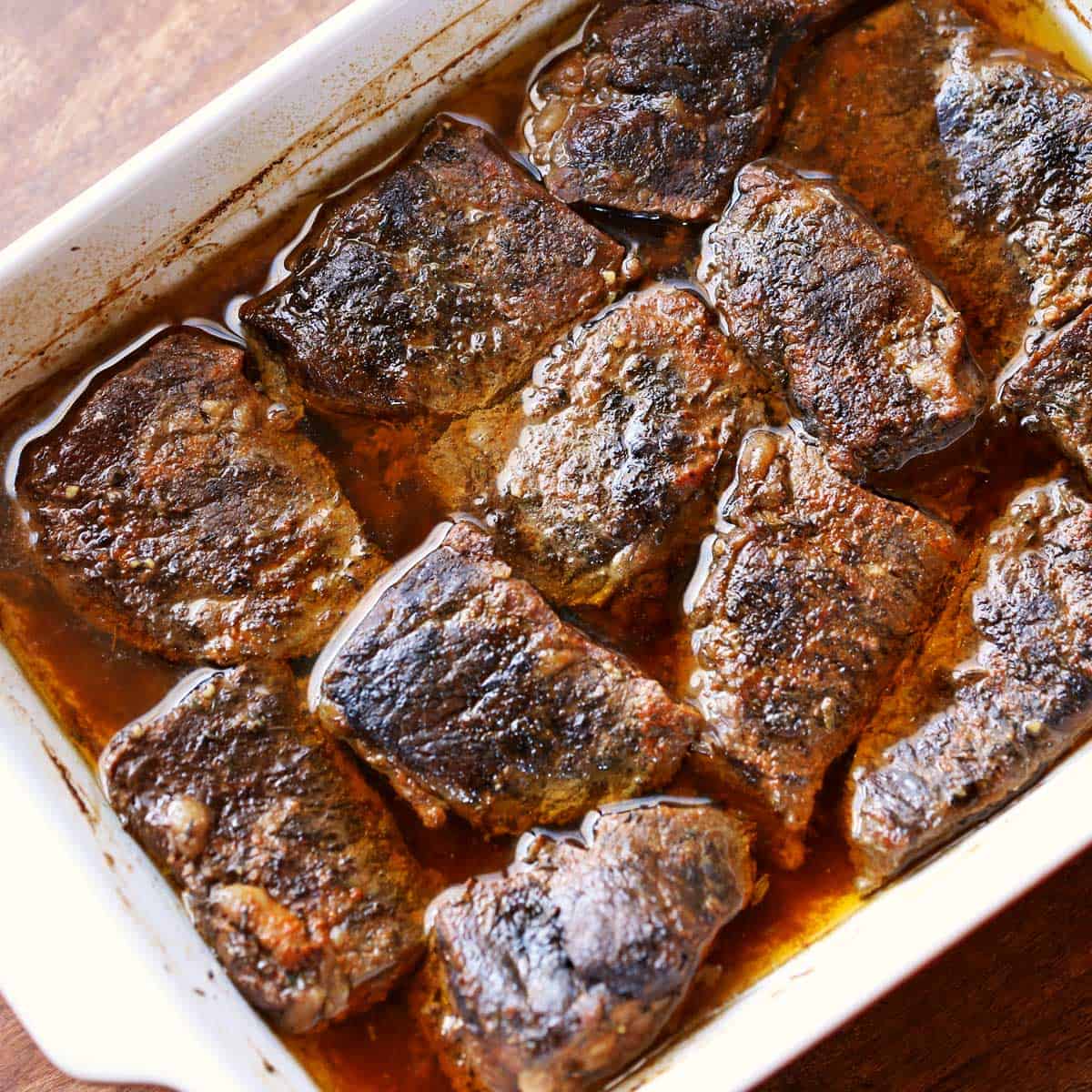
Credit: healthyrecipesblogs.com
How To Tell When Ribs Are Done
Perfectly braised ribs should be tender but still hold their shape.
- Visual Test: The meat will have pulled back from the bone ends by about 1/2 inch.
- Fork Test: Insert a fork and twist. The meat should shred easily but not fall apart in chunks.
- Temperature: For pork ribs, aim for an internal temperature of 190–200°F (88–93°C). For beef short ribs, 200–210°F (93–99°C).
If the meat is still tough, return to the oven and check every 15–20 minutes.
Sauces And Glazes: How To Choose And Apply
A good sauce can make your ribs even better. Here’s how to get it right.
Types Of Sauces
- Classic BBQ Sauce: Sweet, tangy, and smoky. Best for pork ribs.
- Honey Mustard: Sweet with a little tang.
- Korean Gochujang: Spicy and bold, great for beef ribs.
- Balsamic Reduction: Adds depth and a hint of sweetness.
When And How To Apply
Always apply the sauce in the last 15–20 minutes of cooking, after the foil is removed. This prevents burning and gives a sticky, lacquered finish.
- Brush a thin layer over the ribs.
- Return to the oven, uncovered, at high heat.
- If you want a thicker glaze, repeat once more.
Homemade Bbq Sauce Recipe
- 1 cup ketchup
- 1/4 cup brown sugar
- 2 tablespoons apple cider vinegar
- 1 tablespoon Worcestershire sauce
- 1 teaspoon smoked paprika
- 1/2 teaspoon garlic powder
Mix and simmer for 10 minutes. Use as your glaze.
Serving Suggestions
Oven-braised ribs are great on their own, but the right sides can turn your meal into a feast.
Classic Sides
- Cornbread
- Coleslaw
- Potato salad
- Baked beans
- Roasted vegetables
Fresh And Light Sides
- Cucumber salad
- Pickled onions
- Steamed green beans
Creative Twists
- Kimchi (for spicy ribs)
- Grilled peaches (for sweet and smoky flavors)
- Sour cream mashed potatoes (for beef ribs)
Serve ribs on a platter, garnished with chopped herbs and lemon wedges for brightness.
Braising Mistakes To Avoid
Even though oven braising is forgiving, a few missteps can affect your results.
Common Problems
1. Not Removing The Membrane
This leaves ribs chewy and blocks flavor.
2. Not Enough Liquid
The bottom of the pan should always have liquid. If it dries out, add more broth.
3. Too Much Heat
High oven temperatures will dry out the meat. Stick to 300°F (150°C).
4. Skipping The Rest
Cutting ribs too soon lets juices escape, making them dry.
5. Using Only Water
Water alone lacks flavor. Always add broth, wine, or another tasty liquid.
Non-obvious Insights
- Don’t stack ribs on top of each other. Arrange in a single layer for even cooking.
- If your ribs are very lean, add a tablespoon of butter to the braising liquid for extra richness.
Storing And Reheating Braised Ribs
Leftover ribs can be just as delicious the next day if you handle them right.
Storing
- Cool ribs completely before refrigerating.
- Store in an airtight container with some braising liquid to keep them moist.
- Eat within 3–4 days.
Reheating
- Preheat oven to 300°F (150°C).
- Place ribs in a baking dish with a little reserved braising liquid.
- Cover with foil and heat for 20–30 minutes, until hot.
Avoid microwaving if possible—it can make ribs rubbery.
Adjusting For Special Diets
Many people want to enjoy ribs but need to adjust for allergies or preferences.
Gluten-free
- Use gluten-free broth and sauces.
- Check your barbecue sauce for wheat or soy.
Low-sugar
- Skip the brown sugar and use a sugar-free barbecue sauce.
- Sweeten sauces with a little stevia or monk fruit instead.
Keto Or Low-carb
- Use a dry rub with herbs and spices only.
- Avoid sweet sauces; try a mustard-based or vinegar-based glaze.
Vegetarian/vegan
If you love the flavor of braised ribs but don’t eat meat, try using jackfruit or king oyster mushrooms. These ingredients mimic the texture of pulled pork and take on braising flavors well.
Equipment: What You Need (and Don’t Need)
You don’t need a fancy kitchen to make great oven-braised ribs. Here’s what helps:
Must-have Tools
- Baking dish or roasting pan (large enough for ribs to lay flat)
- Heavy-duty aluminum foil or a Dutch oven with a lid
- Basting brush for sauce
- Sharp knife for trimming
- Tongs for turning
Helpful, But Not Essential
- Meat thermometer (for checking doneness)
- Wire rack (to lift ribs above the braising liquid slightly)
- Skillet (for searing)
What To Avoid
- Thin disposable pans—they can warp or spill hot liquid.
- Glass dishes at high heat—they may shatter when uncovered at high temperatures.
Recipe Example: Oven-braised Baby Back Ribs
Here’s a step-by-step recipe you can follow, including quantities and timing.
Ingredients
- 2 racks baby back ribs (about 4–5 pounds total)
- 2 tablespoons kosher salt
- 2 tablespoons brown sugar
- 2 teaspoons smoked paprika
- 1 teaspoon black pepper
- 1 teaspoon garlic powder
- 1 cup apple cider vinegar
- 1 cup chicken broth
- 1 onion, sliced
- 3 garlic cloves, smashed
- 1/2 cup barbecue sauce
Instructions
- Preheat oven to 300°F (150°C).
- Remove the membrane from the ribs and trim excess fat.
- Mix salt, sugar, paprika, pepper, and garlic powder. Rub evenly on ribs.
- Lay onions and garlic in a roasting pan. Place ribs on top.
- Pour vinegar and broth around the ribs (not over the top).
- Cover tightly with foil.
- Braise in the oven for 2.5 to 3 hours.
- Remove foil. Brush ribs with barbecue sauce.
- Increase oven to 425°F (220°C). Roast uncovered for 15–20 minutes, until sauce is bubbling and sticky.
- Rest 10 minutes before slicing and serving.
Serves: 4–6
Prep Time: 20 Minutes
Cook Time: 3 Hours
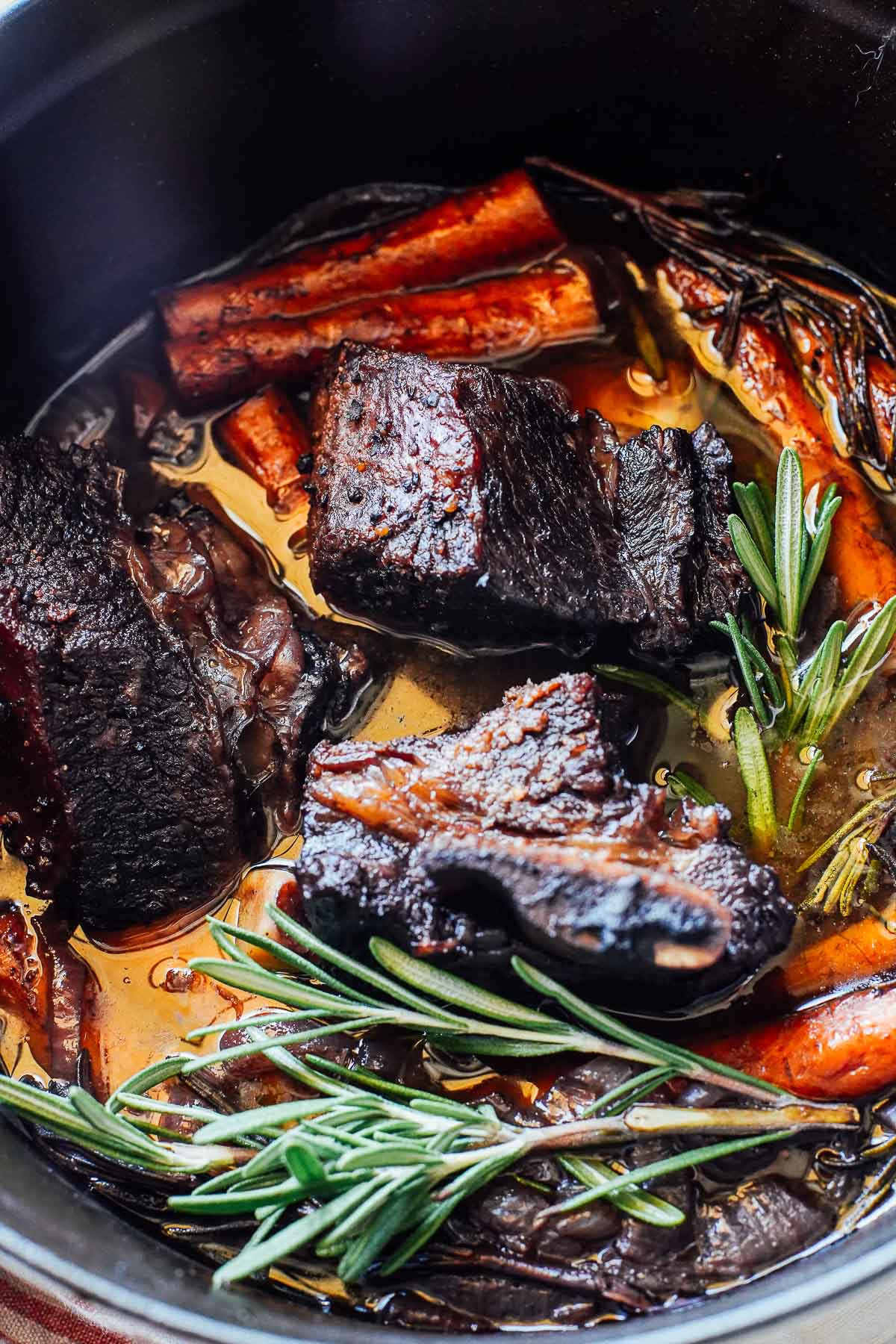
Credit: livesimply.me
Braising Vs. Other Cooking Methods
How does oven braising compare to grilling, smoking, or slow cooking? Here’s a quick look.
| Method | Texture | Flavor | Skill Level | Equipment Needed |
|---|---|---|---|---|
| Oven Braising | Tender, moist | Deep, rich, saucy | Beginner-friendly | Oven, pan, foil |
| Grilling | Charred, firmer | Smoky, crisp edges | Intermediate | Grill, tongs |
| Smoking | Very tender | Strong smoke flavor | Advanced | Smoker, wood chips |
| Slow Cooker | Soft, sometimes mushy | Milder | Beginner | Slow cooker |
Oven braising is the best mix of simplicity, flavor, and texture for most home cooks.
Advanced Tips For Even Better Ribs
If you want to take your ribs to the next level, try these expert techniques:
- Let ribs marinate overnight in the spice rub for deeper flavor.
- Chill cooked ribs before slicing, then reheat with sauce for super-clean cuts.
- Finish under the broiler for 2–3 minutes for extra caramelization.
- Deglaze the roasting pan with a splash of wine after cooking. Reduce the liquid to make a rich sauce.
- Add whole spices (like star anise or cinnamon) to the braising liquid for unique flavors.
Many top chefs use a two-step method: braise the ribs ahead, chill, and finish under high heat just before serving. This is ideal if you’re hosting a party.
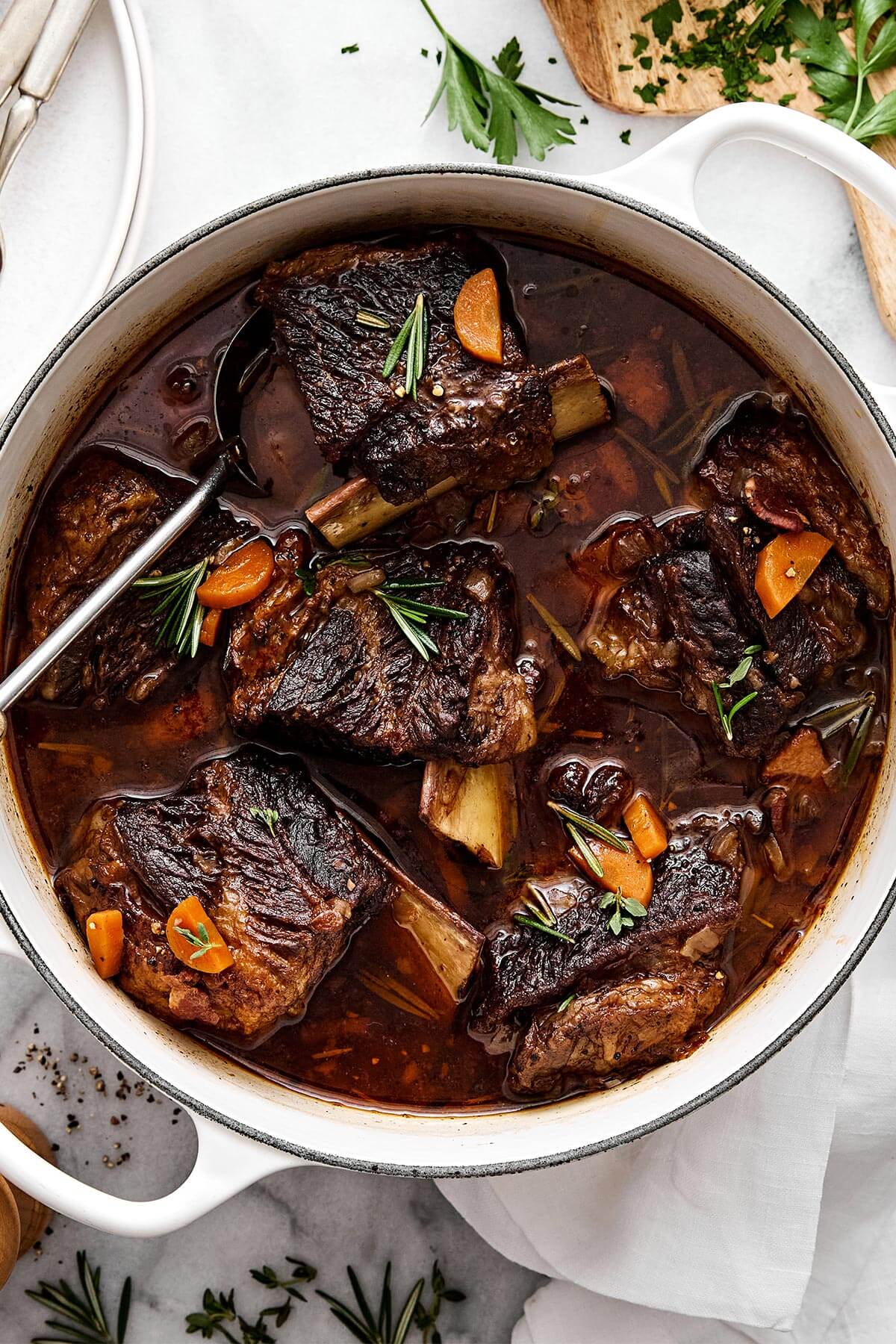
Credit: cultec.com
Common Questions And Troubleshooting
Don’t worry if things don’t go perfectly the first time. Here are answers to problems many cooks face.
- Ribs are dry: You may have cooked at too high a temperature or didn’t cover tightly. Next time, check liquid levels halfway through.
- Ribs are tough: They need more time. Cover and return to the oven for 20–30 minutes.
- Sauce burned: Add sauce only in the last 15–20 minutes, and watch closely.
- Meat is mushy: Overcooked. Reduce braising time next time.
If you want even more tips, the USDA provides guidelines on safe meat handling and cooking:
usda Food Safety
Frequently Asked Questions
How Can I Make Ribs More Flavorful Without Using Sauce?
Use a bold spice rub and marinate the ribs overnight. You can also add aromatics like onions, garlic, and fresh herbs to the braising liquid. For extra flavor, finish the ribs under the broiler with a little honey or mustard.
Can I Braise Ribs Ahead Of Time?
Yes. Braise the ribs as usual, let them cool, then refrigerate. When ready to serve, reheat in the oven at 300°F (150°C), covered, for 30 minutes. Glaze and finish uncovered for 15 minutes.
What Is The Best Temperature For Braising Ribs In The Oven?
300°F (150°C) is ideal. It’s hot enough to break down collagen but low enough to prevent drying out. For beef short ribs, you can go as low as 275°F (135°C) for even more tenderness.
Can I Braise Ribs Without Alcohol?
Absolutely. Use broth, juice, or vinegar as your liquid. Alcohol adds flavor but is not required for great ribs.
How Do I Thicken The Braising Liquid Into A Sauce?
After removing the ribs, pour the braising liquid into a saucepan. Simmer on medium-high heat until reduced by half. For a thicker sauce, mix 1 tablespoon cornstarch with 2 tablespoons water, then stir into the simmering liquid.
Final Thoughts
Braising ribs in the oven is a method that guarantees juicy, tender, and flavorful results every time. With a little planning and the right ingredients, you can serve ribs that impress both family and friends. Remember to choose the right cut, use a flavorful liquid, and cook low and slow.
Don’t rush the process—let the oven do the hard work for you.
Experiment with your own spices and sauces, and try different sides to make each meal unique. With these tips, even a beginner can master oven-braised ribs and create a dish that’s both comforting and impressive. Enjoy your cooking adventure!