
If you use a dishwasher, you might have seen a small compartment labeled “rinse aid.” Many people ignore it or wonder if it’s really necessary. You may have noticed water spots, cloudy glasses, or even a white film on dishes after a wash. These problems are common, especially if you live in an area with hard water. The secret to sparkling dishes often lies in using rinse aid correctly.
Using rinse aid in your dishwasher is not complicated, but there are important details you should know. Some people add too much, some skip it, and others don’t know how often to refill. This guide will walk you through everything—what rinse aid does, why it matters, how to use it, and what to do if you want alternatives.
You’ll also learn how to deal with common issues, understand rinse aid symbols, and even compare popular products.
What Is Rinse Aid And Why Does It Matter?
Rinse aid is a dishwasher additive designed to help water flow off dishes more easily during the final rinse. It’s not a soap or a cleaner. Instead, rinse aid works by reducing the surface tension of water. This means water forms sheets and slides off your dishes instead of leaving droplets behind.
When you skip rinse aid, you might see:
- Water spots on glasses
- Cloudy residue on plastic
- White streaks on cutlery
- Dishes that don’t dry fully
If you live in a region with hard water (water with a lot of minerals like calcium and magnesium), these problems can be even worse. Rinse aid helps prevent mineral deposits from drying on your dishes, giving you cleaner and shinier results.
Many modern dishwashers are designed to work best with rinse aid. Using it can also improve drying performance, which is important because energy-saving dishwashers often use less heat.
How Does Rinse Aid Work?
Rinse aid contains surfactants—special chemicals that change how water behaves. Normally, water sticks to surfaces and forms droplets. Surfactants break this bond, so water glides off plates, glasses, and utensils.
There are three main things rinse aid does:
- Prevents water spots: No droplets left behind means no spots as water dries.
- Speeds up drying: Dishes dry faster when water runs off quickly.
- Reduces film and streaks: No more cloudy glasses or white marks.
Here’s a simple example: Imagine washing your car and letting it air-dry. Without a rinse aid or drying agent, you see lots of spots. With a rinse aid, water slides off, and the surface looks clean and shiny.
Where Do You Put Rinse Aid In The Dishwasher?
Every dishwasher has a special compartment for rinse aid. It’s usually next to the detergent dispenser on the inside of the door. Sometimes, there’s a small cap with a symbol (like a droplet or star).
To add rinse aid:
- Open the dishwasher door fully.
- Locate the rinse aid dispenser (often a round or oval cap near the detergent area).
- Twist or lift the cap to open.
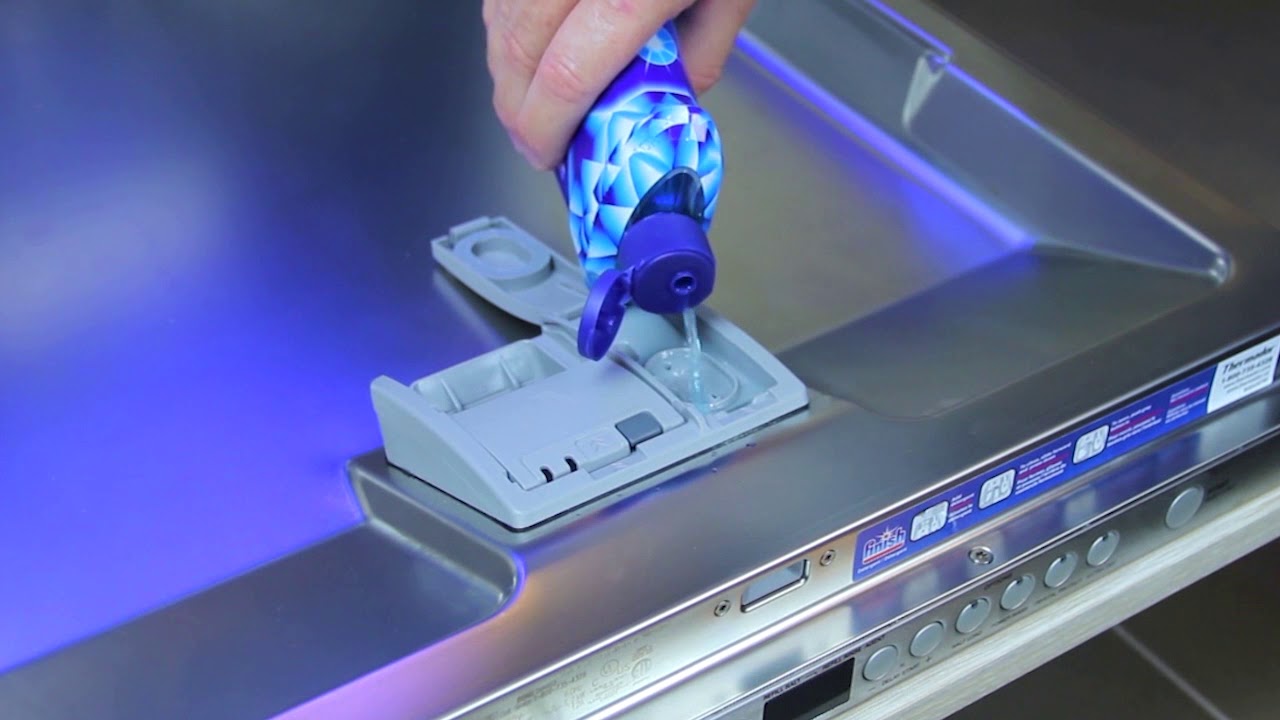
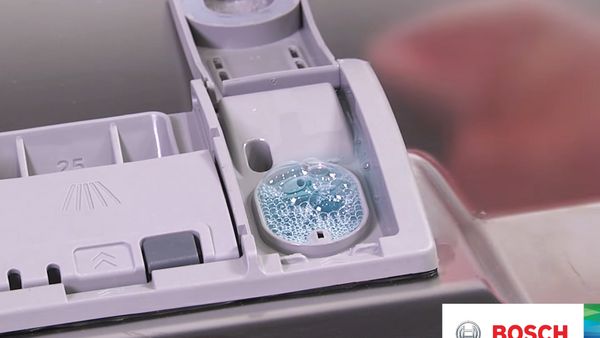
- Pour in the rinse aid until the indicator shows it’s full (often a small window changes color).
- Close the cap tightly.
Do not overfill—extra rinse aid can leak and cause suds or streaks.
How Much Rinse Aid Should You Use?
Most dishwashers have a rinse aid setting (often a dial or a lever) that controls how much is used per cycle. The factory setting is usually in the middle. If you see water spots, increase it by one level. If you see blue streaks or a rainbow film, turn it down.
A full compartment typically lasts between 20 and 40 washes, depending on your dishwasher and the setting.
Tip: If you run your dishwasher daily, check the rinse aid level every 2 weeks.
Step-by-step Guide: Using Rinse Aid In Your Dishwasher
Follow these steps to get the best results:
- Check the rinse aid compartment: Make sure it’s not empty. If you see the indicator is clear or white, it’s time to refill.
- Open the dispenser: Twist or lift the cap gently.
- Pour in rinse aid: Use a funnel if needed to avoid spills. Fill until the indicator shows “full” but don’t overfill.
- Set the dosage: Adjust the dispenser dial if your dishwasher has one.
- Close the cap tightly: This prevents leaks.
- Run your dishwasher as usual: The rinse aid will be released automatically during the final rinse.
Pro Insight: If your dishwasher doesn’t have a rinse aid compartment, you can buy an in-dishwasher rinse aid basket. But most modern machines include this feature.
How Often Should You Add Rinse Aid?
Rinse aid doesn’t need to be added every time you run the dishwasher. Most dispensers hold enough for multiple washes.
- For daily users, refill about once every 2 weeks.
- For occasional users (2–3 times a week), refill every 3–4 weeks.
- Always check the indicator window or light, if your machine has one.
If you notice water spots reappearing, check the compartment—it’s likely empty.
Types Of Rinse Aid: Comparing Options
There are several types of rinse aid available in stores. Let’s compare the main types:
| Type | Main Features | Best For | Drawbacks |
|---|---|---|---|
| Liquid Rinse Aid | Easy to pour, widely available | Most dishwashers | Can spill if overfilled |
| Solid Rinse Aid (Tablets) | Pre-measured, no mess | Travel or compact dishwashers | May not fit all dispensers |
| Natural/Plant-Based Rinse Aid | Eco-friendly, fewer chemicals | Green households | May be less effective in hard water |
| Multi-Action Dishwasher Tablets | Combine detergent and rinse aid | Convenience, no separate filling | Less control over amount used |
Non-obvious Insight: Many “all-in-one” dishwasher tablets include a small amount of rinse aid, but for best results—especially with hard water or for crystal-clear glassware—a separate rinse aid is recommended.
Rinse Aid Vs. Dishwasher Detergent: What’s The Difference?
Some beginners confuse these two products. They do very different jobs:
- Dishwasher detergent: Breaks down food, grease, and stains.
- Rinse aid: Helps water drain off, prevents spots, and speeds drying.
You need both for best results. Detergent alone won’t stop water spots or help with drying. Rinse aid alone won’t clean dirty dishes.
Common Dishwasher Rinse Aid Symbols
Dishwasher models use different symbols for the rinse aid compartment. Here are the most common:
- Droplet or water drop: Shows where to add rinse aid.
- Star or sunburst: Sometimes used to suggest “shine.”
- Wavy lines: Indicates water flow.
If you’re unsure, check your dishwasher’s manual or look for a small window with a color indicator near the detergent compartment.
Signs You Need Rinse Aid
Still not sure if you need rinse aid? Here are signs that your dishwasher would benefit:
- Cloudy glasses: Especially after several washes.
- Water spots: Noticeable on clear glass or shiny metal.
- White film: Often on plastic or cutlery.
- Wet dishes: If you open the door and everything is still damp.
If any of these sound familiar, try adding or adjusting rinse aid and see if things improve.
How To Adjust Rinse Aid Settings
Most dishwashers let you change how much rinse aid is used. Look for a small dial under the cap—often marked 1 to 6.
- Start at the middle setting (usually 3).
- If you see spots, go up by one.
- If you see blue streaks or a rainbow, go down.
Some machines have a digital setting in the menu. If yours does, consult the manual for instructions.
What If Your Dishwasher Has A Rinse Aid Light?
Many newer dishwashers have a rinse aid indicator light. This light turns on when the compartment is low or empty.
- If the light is on, refill as soon as possible.
- If the light stays on after refilling, clean around the cap and try again.
- If the light flashes, check your manual—sometimes it means a problem with the sensor.
Credit: www.youtube.com
Safety And Rinse Aid: Is It Safe?
Rinse aids are safe when used as directed. They are tested and approved for use with food-contact items. However, some people prefer natural options or want to avoid fragrances and dyes.
If you have allergies or chemical sensitivities, choose a fragrance-free or plant-based rinse aid. Always keep rinse aid out of reach of children and pets, as it is not meant to be ingested.
Rinse Aid Alternatives: Do They Work?
Some people use alternatives, often for health or environmental reasons. Here’s how common options compare:
| Alternative | Effectiveness | Risks or Drawbacks |
|---|---|---|
| White Vinegar | Works in soft water, may damage rubber parts over time | Can degrade seals and cause leaks |
| Lemon Juice | Helps with shine, but not as effective as commercial rinse aid | May corrode metal parts |
| Baking Soda | Not recommended as a rinse aid substitute | Does not help with spotting or drying |
| Plant-based Rinse Aids | Effective, safer for sensitive users | Can be more expensive |
Key Insight: White vinegar can work in a pinch, but long-term use can harm your dishwasher’s rubber seals and hoses. If you want a natural solution, look for a certified plant-based rinse aid.
Troubleshooting: Common Rinse Aid Problems
Sometimes, using rinse aid can cause new problems. Here’s how to fix them:
1. Blue Or Rainbow Streaks
Cause: Too much rinse aid or a high setting.
Solution: Turn down the rinse aid setting by one level. Wipe the inside of the door if you spilled during filling.
2. Cloudy Or Filmy Dishes
Cause: Not enough rinse aid, hard water, or detergent buildup.
Solution: Increase rinse aid level and use a dishwasher cleaner monthly. Check if your water is very hard—if so, consider a water softener.
3. Leaking Compartment
Cause: Overfilling or a damaged dispenser.
Solution: Only fill to the “max” line. If leaking continues, call for service or replace the dispenser.
4. Rinse Aid Light Won’t Turn Off
Cause: Faulty sensor or stuck indicator.
Solution: Clean around the dispenser. If the problem continues, consult your manual or call customer service.
5. Unpleasant Smell
Cause: Old food or detergent residue.
Solution: Run an empty cycle with a dishwasher cleaner. If using natural rinse aids, clean the compartment monthly.
How To Choose The Right Rinse Aid
There are many rinse aids on the market. Here’s what to look for:
- Water hardness compatibility: Some are designed for hard water.
- Fragrance-free or scented: Choose based on preference.
- Eco-labels: Look for plant-based or biodegradable options.
- Bottle design: Easy-pour bottles help avoid spills.
If you have crystal, fine china, or plastics, check the label to make sure the rinse aid is safe for these materials.
Rinse Aid And Energy Efficiency
Using rinse aid can help you save energy. Dishes dry faster, so you can use the air-dry setting instead of heat-dry. This can cut your dishwasher’s energy use by 15–20%. If you are looking to reduce your home’s carbon footprint, this is an easy step.
Cleaning And Maintaining The Rinse Aid Compartment
Over time, the rinse aid compartment can get clogged or sticky. Clean it every few months:
- Remove the cap.
- Wipe the compartment with a damp cloth or sponge.
- Check for hardened or crusty buildup—remove gently with a toothpick.
- Rinse and dry before refilling.
If you switch brands, it’s a good idea to clean the compartment first to avoid chemical mixing.
Credit: www.home-connect.com
When Not To Use Rinse Aid
There are a few situations where you might avoid rinse aid:
- If your dishwasher manufacturer recommends against it (rare, but check the manual).
- If you have very soft water and never see spots.
- If you only wash plastic or unbreakable items, and air-drying is enough.
But for most people, especially with hard water, rinse aid is a must.
Rinse Aid And Dishwasher Longevity
Proper use of rinse aid can extend the life of your dishwasher. By preventing mineral buildup and reducing residue, your machine stays cleaner and runs more efficiently. Skipping rinse aid can lead to clogs, extra wear, and even costly repairs over time.
Environmental Impact: Is Rinse Aid Eco-friendly?
Traditional rinse aids are made from chemicals that break down in wastewater treatment plants. If you want a greener option, choose a plant-based rinse aid. These are made from renewable resources and are biodegradable.
Some brands have earned eco-labels (like EPA Safer Choice or EU Ecolabel), showing they meet high environmental standards.
For more on eco-friendly cleaning, check out the EPA Safer Choice program.
Tips For Getting The Best Results
- Don’t overload the dishwasher: This blocks water flow and prevents even rinsing.
- Use the right cycle: Heavier soiled dishes need a stronger wash, but lighter loads can use eco or quick cycles.
- Use hot water: Rinse aid works best with water at least 120°F (49°C).
- Clean the spray arms and filters regularly: This ensures rinse aid can do its job.
- Try glassware on the top rack: This keeps them away from heavy items and avoids scratches.
- Replace old or worn-out dishwashers: Very old machines may not distribute rinse aid properly.
Practical Tip: Always check your owner’s manual for brand-specific advice. Some manufacturers recommend specific products or give guidance on settings.
Comparing Leading Rinse Aid Brands
To help you choose, here’s a comparison of popular rinse aid brands:
| Brand | Main Feature | Eco-Friendly | Average Price (per 16oz) |
|---|---|---|---|
| Finish Jet-Dry | Excellent for hard water | No | $5–$7 |
| Cascade Platinum | Fast drying, good for glass | No | $6–$8 |
| Ecover | Plant-based formula | Yes | $7–$10 |
| Seventh Generation | Fragrance-free option | Yes | $6–$9 |
| Miele | Designed for Miele machines | No | $9–$12 |
Non-obvious Insights: What Most Beginners Miss
- Even “all-in-one” dishwasher tablets might not provide enough rinse aid for hard water or crystal-clear glassware. Consider adding extra rinse aid if you see spots or cloudy glasses.
- Refill rinse aid before it’s completely empty—waiting until the compartment is dry means you might get a few poor results before the next refill.
- Not all plastics are dishwasher-safe: Even with rinse aid, some plastics may stay wet. This is normal because plastic doesn’t retain heat as well as glass or metal.
:strip_icc()/bhg-what-is-a-rinse-aid-hero_1JSq82ePKzs8xWV2OPBzeO-6fb837f2754e48cd8cacd3c7d2ca6bd9.jpg)
Credit: www.bhg.com
Frequently Asked Questions
What Happens If I Don’t Use Rinse Aid In My Dishwasher?
Without rinse aid, you’re likely to see water spots, cloudy residue, and dishes that don’t dry well—especially if you have hard water. Rinse aid isn’t required for the dishwasher to run, but it makes a big difference in the final look and feel of your dishes.
Can I Use Vinegar Instead Of Rinse Aid?
White vinegar can be used as a short-term alternative, but it may damage dishwasher parts over time, especially rubber seals. For a safe, long-term solution, choose a plant-based rinse aid instead.
How Do I Know When To Refill Rinse Aid?
Check the indicator window on your dishwasher’s rinse aid compartment. Many dishwashers also have a light that comes on when the compartment is low or empty. For heavy users, refill every 2 weeks; for light users, every 3–4 weeks.
Is Rinse Aid Safe For Septic Systems?
Most commercial rinse aids are safe for septic systems when used as directed. For extra peace of mind, look for products labeled “septic-safe” or “biodegradable. ”
Why Are My Plastics Still Wet After The Cycle?
Plastic cools down faster than glass or metal, so water doesn’t evaporate as well. Even with rinse aid, some plastic items may need to be towel-dried or left to air dry after the cycle.
Using rinse aid in your dishwasher is a simple step that brings professional results—clear glassware, shiny dishes, and fast drying. With the right product and a little attention to detail, you can enjoy spotless dishes every time. Whether you use a standard or eco-friendly rinse aid, the benefits are clear and immediate.
Give it a try and see the difference in your own kitchen.