
Most people see a microwave as a simple kitchen tool for reheating leftovers or popping popcorn. But have you ever wondered what it really takes to break a microwave? Maybe your curiosity comes from a broken appliance at home, a school project, or an interest in how household technology works.
Understanding how a microwave can be damaged gives you more than just trivia; it helps you use your kitchen devices safely, avoid costly mistakes, and learn a bit about how these machines operate.
This article will take you through the many ways a microwave can break, both accidentally and intentionally. We’ll cover the science behind why certain actions are dangerous, give real examples, and show you what happens inside the microwave when things go wrong.
You’ll also find practical advice for avoiding damage and discover some surprising facts most people don’t know. By the end, you’ll have a full picture of how to break a microwave (and why you shouldn’t), plus expert tips to keep yours working longer.
How Does A Microwave Work?
Before we look at ways to break it, let’s understand how a microwave works. This will make it easier to see why certain actions cause damage.
A microwave oven uses microwave radiation to heat food. Inside, there’s a part called the magnetron. This device turns electricity into microwaves. The microwaves bounce around the metal box and make water molecules in food vibrate. These vibrations produce heat, which cooks or warms your food.
The main components of a microwave are:
- Magnetron (makes microwaves)
- High-voltage capacitor (stores electrical energy)
- Transformer (raises the voltage)
- Control panel and circuit board
- Turntable motor (spins your food)
- Door with safety interlocks
- Casing (metal box to keep microwaves inside)
If any of these parts fail, the microwave can stop working. Some failures are easy to fix; others are dangerous or permanent.
Common Accidental Ways People Break Microwaves
Most people don’t try to break their microwave on purpose. But many accidents can cause serious damage. Let’s explore the most common mistakes:
1. Running The Microwave Empty
If you turn on your microwave with nothing inside, it can break quickly. The microwaves have nowhere to go—there’s no food or liquid to absorb the energy. The magnetron overheats, which may cause it to burn out. This is a top reason for early microwave failure.
2. Using Metal Inside
Metal objects reflect microwaves instead of absorbing them. If you put a spoon, fork, or aluminum foil in your microwave, you might see sparks or hear loud noises. This can damage the magnetron or burn holes in the inside walls. Sometimes, it even causes a fire.
3. Overcooking Food Or Liquids
Leaving food or liquids in the microwave too long can be dangerous. Foods can burn, catch fire, or make a mess that destroys internal parts. Superheated liquids may explode when you move them. The sticky residue from burned food can also damage the turntable and motor.
4. Using Non-microwave-safe Containers
Some plastics melt or release chemicals when heated. If you use the wrong container, it can melt onto the turntable or inside walls. This not only ruins the microwave but can release toxic fumes.
5. Slamming The Door
Repeatedly slamming the microwave door can break the safety interlocks. These are switches that tell the microwave when the door is closed. If they fail, the microwave won’t turn on—or worse, it may run with the door open (very dangerous).
6. Ignoring Strange Noises Or Smells
If your microwave makes loud noises, buzzes, or smells like burning plastic, something is wrong inside. Using it in this state can lead to a complete breakdown, electrical fire, or further damage.
Intentional Ways To Break A Microwave
While it’s never recommended to break a microwave on purpose (it’s dangerous and wasteful), some people want to know what actions are most likely to destroy one completely. Here are the methods that cause the most damage:
1. Running With Nothing Inside
As mentioned, this overheats the magnetron quickly. After a few minutes, the microwave may stop working forever. Sometimes, you’ll notice the smell of burning metal or see smoke.
2. Placing Metal Objects
Putting a fork, spoon, or metal cup in the microwave can cause violent sparking. The energy reflects off the metal, creating electrical arcs that damage the magnetron and the inside of the oven.
3. Microwaving Grapes
This is a popular internet experiment. If you cut a grape nearly in half and microwave it, the fruit produces a plasma fireball. This can scorch the inside and permanently damage the electronics.
4. Overloading With Heavy Items
Trying to microwave something too heavy (like a brick) can break the turntable motor or even crack the bottom of the oven. The motor isn’t designed for high weight.
5. Placing Sealed Containers
Microwaving sealed containers or eggs with shells can cause them to explode. The sudden pressure can shatter the door or blow out the inside components.
6. Tampering With The Door Switch
If you bypass the safety interlocks so the microwave runs with the door open, you risk damaging the electronics—and exposing yourself to harmful microwaves.
7. Pouring Water On Electronics
If water gets inside the control panel or onto the circuit board, it can cause a short circuit. This usually destroys the microwave instantly.
8. Power Surges
Plugging your microwave into an unstable outlet or using it during a thunderstorm can fry the control board. Sudden high voltage burns out the delicate electronics.
What Happens Internally When A Microwave Breaks
When you break a microwave (accidentally or on purpose), several things happen inside. Here’s a closer look at each main failure point:
Magnetron Failure
If the magnetron overheats, it may burn out. This is like blowing a fuse, but inside a complicated device. The microwave stops making heat, and repairing this part is often more expensive than buying a new oven.
Blown Fuse Or Circuit Board
A power surge or short circuit can blow the internal fuse. Sometimes, only the fuse is damaged, but if the circuit board fries, the whole microwave is dead.
Door Interlock Failure
Broken interlock switches mean the microwave won’t run at all, or (rarely) it runs with the door open. This is extremely hazardous because you could be exposed to microwave radiation.
Burned Interior
Sparking from metal, superheated food, or melted plastic can burn the inside walls. This can lead to rust, bad smells, and future breakdowns.
Turntable Motor Damage
If the turntable stops spinning, food won’t cook evenly. Overloading or spilling sticky food can break the motor, making the microwave less effective.
Data: Common Microwave Failures And Causes
To better understand how people break microwaves, let’s look at a comparison of the most common failures and what causes them.
| Failure Type | Main Cause | Repair Cost Estimate | Chance of Repair |
|---|---|---|---|
| Magnetron burnout | Running empty, metal inside | $70-$150 | Low |
| Blown fuse | Power surge, short circuit | $10-$30 | High |
| Broken turntable motor | Heavy load, food spills | $25-$50 | Medium |
| Door switch failure | Slamming door, wear | $20-$60 | High |
| Burned interior | Sparking, fire, plastic melt | Often not repairable | Low |
What Most People Get Wrong About Microwaves
There are several myths and misunderstandings about how microwaves break. Here are two important insights:
- Metal does not always break a microwave instantly. Sometimes, small bits of metal (like a twist-tie) only cause sparks but don’t destroy the appliance. However, repeated use with metal will damage it over time.
- Running empty is more dangerous than most people think. Many believe that a microwave simply won’t work if there’s nothing inside. In reality, it will run, but the magnetron can overheat and fail very quickly—sometimes in less than five minutes.
It’s also a mistake to think that repairing a microwave is always safe or easy. The high-voltage capacitor can keep a dangerous electric charge even after the microwave is unplugged. Only trained technicians should attempt repairs.
Credit: fleetappliance.com
Real-life Examples Of Broken Microwaves
Hearing about real cases helps you understand the risks. Here are a few examples:
- College students microwaving instant noodles without water: The noodles caught fire, melting the turntable and burning the oven’s interior beyond repair.
- A family reheated pizza with a metal pizza saver: This caused sparks, a loud pop, and destroyed the magnetron.
- Someone microwaved a sealed plastic container: The pressure caused the container to explode, damaging the door and the control panel.
- Microwaving a grape for a science experiment: The grape produced a ball of plasma, leaving burn marks inside and making the oven unusable.
These stories show that even small mistakes can ruin a microwave.
Comparing Safe Vs. Unsafe Microwave Practices
Here’s a quick overview to help you see the difference between safe and risky behavior.
| Safe Practice | Unsafe Practice | Result |
|---|---|---|
| Using microwave-safe glass or ceramic | Using metal or non-microwave-safe plastic | Risk of fire, sparking, toxic fumes |
| Heating food with water content | Running microwave empty | Overheats magnetron, possible failure |
| Opening the door gently | Slamming the door | Broken interlocks, microwave won’t work |

Credit: www.reddit.com
Why Breaking A Microwave Is Risky
Breaking a microwave can be very dangerous. Here’s why:
- Fire hazard: Overheating, sparks, or melted plastic can start a fire.
- Electric shock: The high-voltage parts inside can shock or kill, even when unplugged.
- Toxic fumes: Burning plastic releases chemicals that are harmful to breathe.
- Radiation leak: Damaging the door or safety switches may let microwaves escape, which is hazardous to your health.
- Legal issues: Intentionally breaking appliances may void warranties or violate safety laws.
How To Avoid Breaking Your Microwave
If you want your microwave to last, follow these simple tips:
- Always use microwave-safe containers.
- Never run the microwave empty.
- Avoid putting metal or foil inside.
- Do not overheat food or liquids.
- Open and close the door gently.
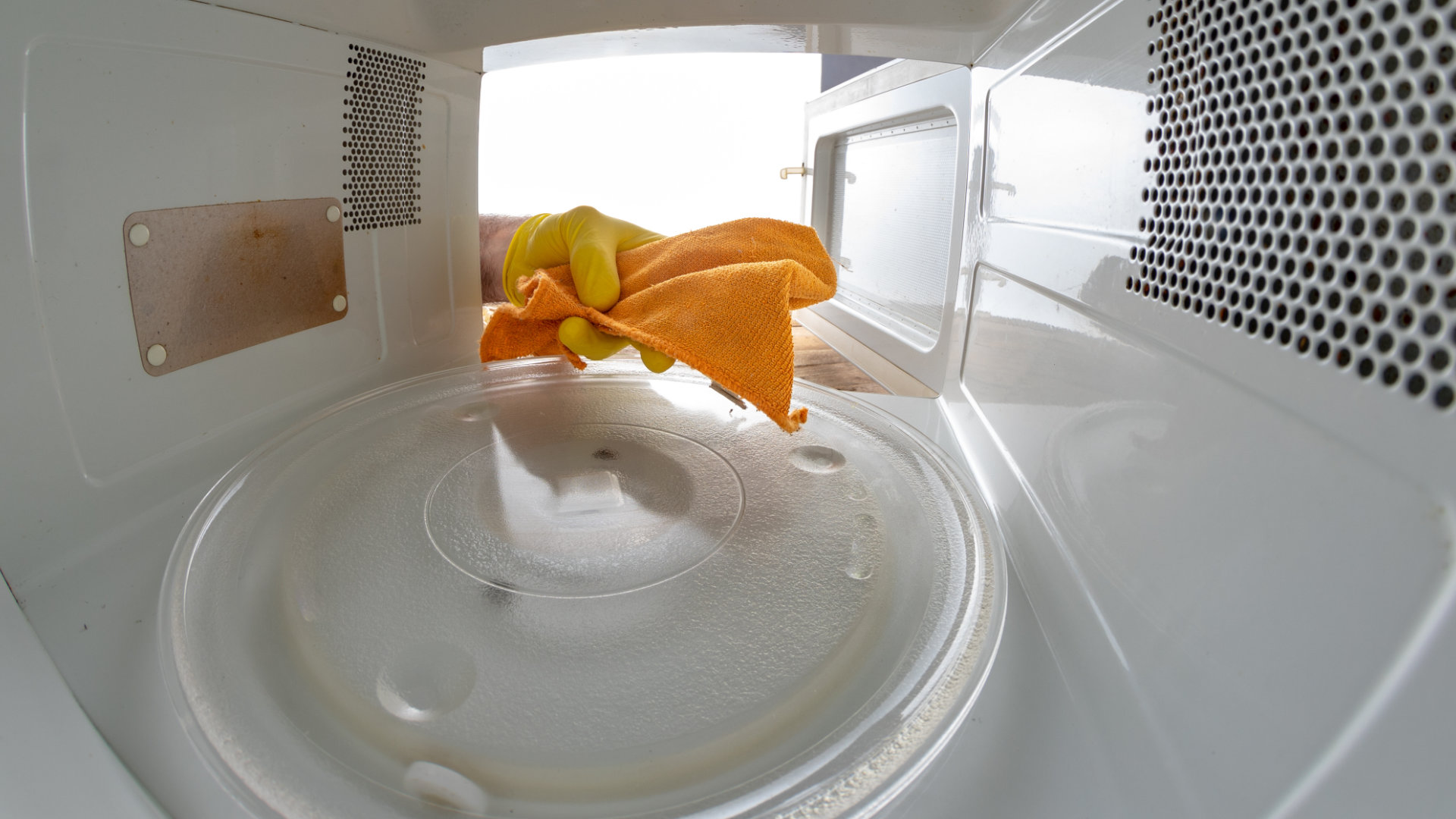
- Clean up spills and food residue quickly.
- Unplug during electrical storms.
- Get repairs done by qualified technicians only.

Credit: www.youtube.com
Advanced Insights: How Manufacturers Try To Prevent Damage
Modern microwaves have features to prevent accidental breakage. Here are some you might not know:
- Sensor cooking: Detects steam and shuts off before food burns.
- Child lock: Prevents children from starting the microwave by accident.
- Auto shut-off: Stops the microwave if it runs empty for too long.
- Overheat protection: Turns off the microwave if internal temperature gets too high.
- Multiple safety interlocks: At least two or three switches must be closed for the microwave to run.
These features reduce the risk of fire and damage, but they can’t prevent all accidents.
Environmental Impact Of Broken Microwaves
When a microwave is broken, it often ends up in the trash. This creates electronic waste (e-waste), which is a growing problem. Microwaves contain metals, plastics, and sometimes hazardous materials. Recycling is best, but many people do not do this.
According to the United Nations, the world produced more than 53 million metric tons of e-waste in 2019, and only 17% was properly recycled. Disposing of microwaves responsibly helps protect the environment.
What Happens If You Try To Repair A Microwave?
Some people try to fix their microwave at home. While replacing a fuse or cleaning the inside is usually safe, fixing deeper problems can be dangerous.
- The high-voltage capacitor inside can hold a charge even after unplugging. This can cause a deadly shock.
- If you replace parts incorrectly, you could cause a fire or radiation leak.
- Most warranties do not cover do-it-yourself repairs.
If your microwave is seriously broken, it’s almost always safer and cheaper to buy a new one or hire a certified repair technician.
Comparison: Cost Of Repair Vs. Replacement
Here’s a quick breakdown of typical costs:
| Problem | Repair Cost | New Microwave Cost | Best Option |
|---|---|---|---|
| Blown fuse | $10-$30 | $70-$200 | Repair |
| Magnetron failure | $70-$150 | $70-$200 | Replace |
| Broken turntable motor | $25-$50 | $70-$200 | Repair |
| Burned interior | Not repairable | $70-$200 | Replace |
As you can see, repair is sometimes possible, but often not worth it if the microwave is old or badly damaged.
Safety Reminders: What Never To Do With A Microwave
- Never try to microwave flammable items (like paper bags or clothes).
- Do not put animals or insects inside (this is illegal and cruel).
- Never try to open or tamper with the magnetron or capacitor.
- Do not use your microwave if it’s sparking, smoking, or smells burnt.
- Never remove the safety interlocks.
The Hidden Dangers Of “microwave Experiments”
Many viral internet videos show people putting strange objects in microwaves. These experiments are not just fun—they can be deadly. Plasma balls, exploding eggs, and melting CDs may look cool, but they risk fire, toxic smoke, and permanent damage to your oven.
Even if your microwave survives the first few times, repeated abuse weakens key parts. The next accident could be much worse.
What To Do With A Broken Microwave
If your microwave is broken beyond repair, recycle it at a certified e-waste center. Do not throw it in the regular trash. Many cities have special collection days for old electronics.
Some manufacturers also offer take-back programs. Check your local rules before disposal.
For more information on safe e-waste disposal, visit the US Environmental Protection Agency.
Frequently Asked Questions
What Happens If You Put Metal In A Microwave?
Metal reflects microwaves, causing sparks and electrical arcs. This can burn the inside of the microwave, damage the magnetron, or start a fire. Small bits might not break your microwave right away, but repeated use is very risky.
Why Does Running A Microwave Empty Break It?
When the microwave is empty, there’s nothing to absorb the microwave energy. The magnetron overheats because all the energy stays inside. This can burn out the magnetron quickly, sometimes in just a few minutes.
Is It Safe To Repair A Microwave At Home?
Replacing a simple fuse or cleaning the interior is usually safe if the microwave is unplugged. However, fixing deeper electrical problems is dangerous because the capacitor can hold a deadly charge. Only professionals should attempt major repairs.
What Kind Of Containers Are Safe For Microwaves?
Use containers labeled “microwave-safe. ” Glass and ceramic are usually best. Avoid metal, foil, or plastic that isn’t labeled safe for microwave use. Some plastics can melt or release harmful chemicals.
How Can I Make My Microwave Last Longer?
Always use the right containers, don’t run it empty, clean up spills, and avoid slamming the door. Unplug the microwave during storms and get repairs done by qualified technicians. These steps help prevent most common failures.
Breaking a microwave is easier than you might think, but it’s always better to use and care for your appliance wisely. Treat your microwave with respect, and it will serve you well for years to come.