
A dark kitchen can feel small, gloomy, and uninviting. Many people struggle with kitchens that lack natural light, have dark cabinets, or simply don’t feel cheerful. But with the right changes, you can transform a dim space into a bright, lively heart of your home.
This article will guide you step by step on how to brighten a dark kitchen, with real before and after tips, expert advice, and practical solutions for every budget.
Whether you rent or own, you’ll discover dozens of smart ideas to make your kitchen lighter, fresher, and more welcoming. By the end, you’ll see how even small changes can create a dramatic difference—sometimes overnight.
Why Kitchens Get Dark (and Why It Matters)
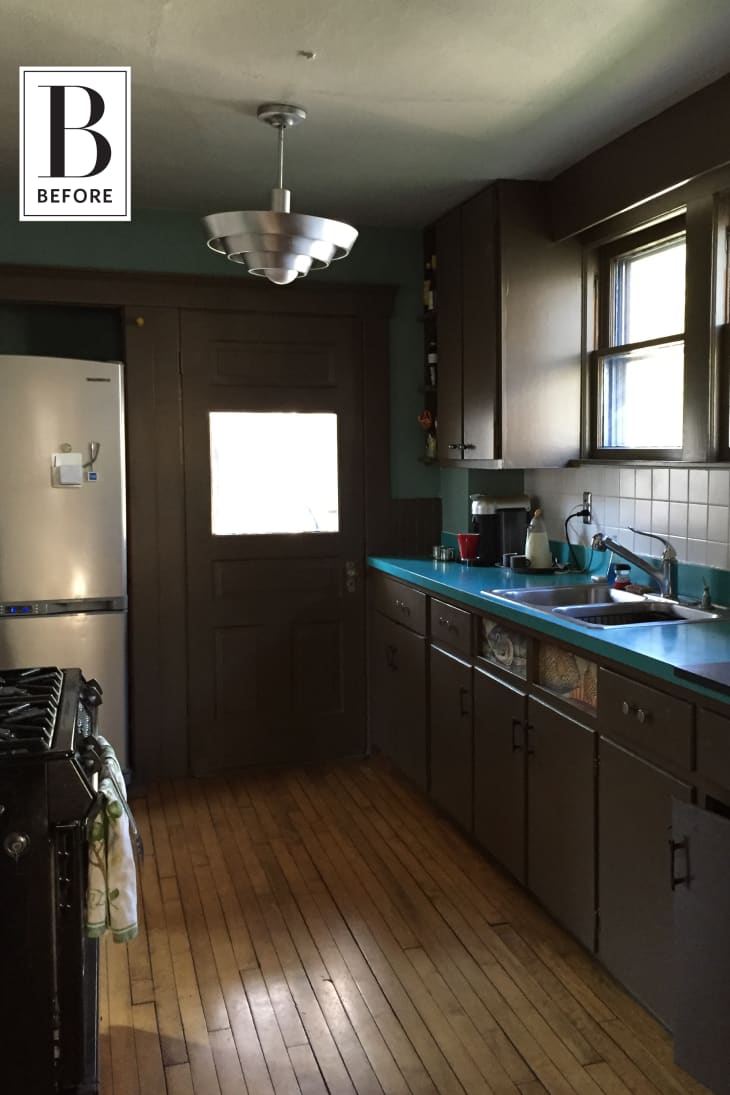
Many kitchens feel dark for several reasons. Some homes have few windows or windows that face away from sunlight. Others have heavy cabinets, dark walls, or poor lighting choices. In older homes, the kitchen may be in the back, away from the main source of daylight.
A dark kitchen isn’t just less attractive. It can actually affect your mood and energy. Bright spaces feel cleaner and more open. Studies show that good lighting can improve productivity and happiness in the home. Plus, a bright kitchen often looks bigger and more modern.
Assessing Your Kitchen: What’s Making It Dark?
Before you start changing things, take a close look at your kitchen. Stand in the space at different times of day. Notice:
- Where natural light comes in, if any
- Which corners or areas feel darkest
- What colors cover the cabinets, counters, and walls
- The type and position of your light fixtures
- Any heavy, bulky furniture or appliances blocking light
Take a few photos with your phone. This “before” snapshot will help you track your progress and spot hidden dark spots you might miss by eye.

Credit: www.youtube.com
Lighting Up: The Power Of Good Artificial Light
One of the most effective ways to brighten a kitchen is by improving the artificial lighting. Many kitchens rely on a single ceiling light, which isn’t enough.
Types Of Lighting To Combine
- Ambient Lighting: This is your main source—often a ceiling fixture. It should spread light evenly across the room.
- Task Lighting: These are focused lights for cooking, reading recipes, or washing dishes. Think under-cabinet lights or pendant lights over an island.
- Accent Lighting: These highlight certain areas, like open shelves or artwork.
A combination of all three makes a huge difference. Swap old bulbs for LED lights with a high lumen rating. LEDs are bright, energy efficient, and last for years.
Choosing The Right Bulbs
Look for bulbs labeled “daylight” or with a color temperature of 4000K–5000K. This gives a crisp, natural white light that mimics daylight. Avoid yellowish bulbs, as they make rooms feel dull.
Positioning Lights For Best Results
Don’t just rely on a single ceiling light. Add:
- Under-cabinet strip lights to banish shadows on counters
- Pendants over eating areas or islands
- Recessed lighting for a modern, even glow
- Wall sconces to highlight specific spots
Many homeowners underestimate how much better a room looks with layered lighting. Even adding one extra lamp can make a room feel twice as bright.
Maximizing Natural Light
Natural daylight is the best way to make a kitchen feel open and fresh. But what if your kitchen has small or few windows? Here’s how to make the most of what you have.
Window Treatments That Let Light In
Heavy curtains or dark blinds block precious light. Choose sheer curtains, light-colored blinds, or skip window coverings altogether if privacy isn’t a concern.
If you need privacy, try frosted glass film or café curtains that cover only the bottom half of the window.
Reflecting Light With Mirrors And Glass
Strategically placed mirrors bounce sunlight around a room. Hang a mirror on a wall opposite a window or place a mirrored tray on the counter.
Use glass tile backsplashes, glossy countertops, or glass cabinet doors to reflect light and create a sense of depth. Even small glass decor pieces can help.
Cleaning Windows And Light Fixtures
It sounds obvious, but dirty windows and dusty light fixtures block a surprising amount of light. Clean these regularly for an instant brightness boost.
Color Choices: Walls, Cabinets, And More
Color plays a huge role in how bright a kitchen feels. Dark colors absorb light, making the room appear even dimmer. Light colors reflect light and open up the space.
Best Colors For A Brighter Kitchen
- White: The classic choice. Reflects light best.
- Light gray, cream, or soft blue: Adds subtle color without absorbing too much light.
- Pale yellow: Brings warmth and a sunny feel.
Paint walls, ceilings, and even cabinets in these shades for maximum effect. If you’re not ready to paint everything, try just the upper cabinets or walls for a quick transformation.
Using Color On Cabinets And Countertops
Dark wood or black cabinets make a kitchen feel heavy. Consider:
- Painting cabinets in a soft white or pale color
- Swapping dark countertops for white quartz or light-colored laminate
- Adding a bright or reflective backsplash
Even changing just the cabinet doors or hardware can create a lighter look.
Contrasts And Accents
Don’t be afraid to add some contrast. For example, white cabinets with a light blue island can create interest without darkening the space. Use bright accessories like colorful bowls or a cheerful rug to add personality.
Flooring: Lightening From The Ground Up
Many people forget that the floor affects how light a room feels. Dark tile or wood can make everything above feel heavier.
Consider these options:
- Refinish wood floors with a lighter stain
- Install light-colored vinyl or laminate
- Use pale tile or stone
- Add a bright, washable rug for instant color and warmth
If replacing the floor isn’t possible, deep clean and polish it to bring out any natural shine.
Furniture And Appliances: Choosing Light, Lean, And Reflective
Large, dark, or bulky furniture can block light and shrink a space. To open up your kitchen:
- Choose slim, light-colored chairs and tables
- Use open shelving instead of heavy cabinets
- Opt for stainless steel or white appliances, which reflect light
If you have a kitchen island, make sure it’s not so big it casts a shadow or blocks windows.
Declutter And Organize For A Brighter Feel
A cluttered kitchen always feels darker. Clear counters, open shelves, and organized drawers help light flow and make the space feel airier.
Try these steps:
- Store rarely used appliances out of sight
- Limit decor on counters to a few bright or metallic pieces
- Use clear containers or glass jars for storage
A tidy kitchen not only looks cleaner—it actually feels brighter.
Before And After: Real-world Kitchen Transformations
The best way to see the power of these changes is through real examples. Here are two kitchens that went from dark to dazzling, showing step-by-step what worked.
Example 1: The Gloomy Galley Kitchen
Before: This narrow kitchen had dark cherry cabinets, black granite counters, and only one small window. The single overhead light left the corners in shadow.
What Changed:
- Cabinets painted white, with new brushed nickel hardware
- Black countertops swapped for light gray quartz
- Added under-cabinet LED strip lighting
- Heavy curtains replaced with sheer blinds
- A large mirror hung on the wall opposite the window
After: The kitchen feels twice as wide. Light bounces off the counters and cabinets. The space looks modern, clean, and welcoming.
Example 2: The Windowless Apartment Kitchen
Before: This rental had no windows, brown cabinets, and a dull linoleum floor. The fluorescent ceiling light gave a yellowish glow.
What Changed:
- Cabinets painted a pale blue-gray
- Installed peel-and-stick white subway tile backsplash
- Added a bright, patterned rug
- Swapped old bulbs for daylight LEDs
- Used glass jars and open shelves to reduce visual clutter
After: The kitchen feels cheerful and open. The new lighting and colors hide the lack of windows. Guests often don’t realize there’s no natural light at all.
Data: Impact Of Kitchen Brightness On Mood And Value
Bright kitchens aren’t just prettier—they can actually increase your home’s value and affect your well-being.
| Factor | Bright Kitchen | Dark Kitchen |
|---|---|---|
| Perceived Room Size | 30% larger | Feels smaller |
| Home Value Impact | +5-8% resale value | No change or negative |
| Mood & Productivity | Higher | Lower |
A study by Zillow found that homes with light, bright kitchens sold for 5-8% more than similar homes with darker spaces. Plus, homeowners report feeling happier and spending more time in a kitchen that feels open and lively.

Credit: www.youtube.com
Affordable Ways To Brighten A Dark Kitchen
Not every project needs a big budget. Here are several low-cost ideas that deliver high impact:
- Paint a single wall or just the cabinets
- Change light bulbs to daylight LEDs
- Add stick-on LED lights under cabinets or shelves
- Hang a mirror or reflective decor
- Swap out dark hardware for shiny chrome or nickel
- Use removable wallpaper in a light pattern
- Lay down a bright rug or runner
- Declutter and use clear storage jars
Even one or two of these changes can make your kitchen feel lighter overnight.
Smart Investments For Long-term Brightness
If you’re planning a kitchen remodel or want bigger results, consider these upgrades:
- Install new windows or enlarge existing ones
- Add a skylight or solar tube for natural light
- Replace dark cabinets with open shelving or glass doors
- Upgrade to reflective, light countertops
- Add recessed lighting throughout the ceiling
These projects cost more but can completely change the feel and value of your kitchen.
Mistakes To Avoid When Brightening A Kitchen
Many people make well-meaning changes that don’t actually help. Here are some common mistakes:
- Using only a single ceiling light, leaving shadows
- Choosing yellow or warm bulbs that make the room look dim
- Adding too many dark “accent” pieces or colors
- Over-decorating counters, blocking light and space
- Skipping window cleaning and maintenance
Remember, the goal is to reflect light, not just add more things.
Quick Comparison: Before And After Results
To help you visualize the difference, see this simple comparison:
| Feature | Before | After |
|---|---|---|
| Cabinet Color | Dark brown | White or pale blue |
| Countertops | Black granite | Light gray quartz |
| Lighting | Single yellow bulb | Multiple daylight LEDs |
| Window Coverings | Heavy drapes | Sheer or none |
| Decor | Cluttered | Minimal, reflective |
These changes can be done step by step, so you don’t need to do everything at once.
Two Insights Many Beginners Miss
- Light direction matters: Not all lights are equal. Overhead lighting often leaves shadows, making the space look uneven. Adding vertical or wall-mounted lights can fill in these dark spots.
- Material finish is key: Matte finishes absorb light. Glossy, semi-gloss, or even satin finishes bounce light around, making every surface look brighter.
Tips For Small Kitchens
In a compact kitchen, every trick matters. Use multi-purpose furniture, keep counters clear, and choose reflective materials wherever possible. A fold-down table, for example, can give you space when you need it and disappear when you don’t.
How To Maintain A Bright Kitchen
Once you’ve made your kitchen lighter, keep it that way by:
- Cleaning surfaces and windows regularly
- Changing bulbs as soon as they dim
- Keeping clutter under control
- Touching up paint or hardware as needed
These habits help your kitchen stay cheerful and inviting.
When To Call In A Professional
If you’re planning major changes—like moving walls, installing skylights, or rewiring lights—consider hiring an interior designer or contractor. They can help you get the best results and avoid expensive mistakes.
For inspiration and more detailed studies about the impact of light on homes, you can check this ArchDaily article.
Credit: www.apartmenttherapy.com
Frequently Asked Questions
How Can I Brighten My Kitchen Without Painting?
You can use daylight LED bulbs, add under-cabinet lighting, hang mirrors, use light-colored accessories, and remove heavy window coverings. Even small changes like adding a bright rug or cleaning windows can help.
What Color Is Best For A Dark Kitchen?
White and soft neutrals like cream, light gray, or pale blue are best. These reflect more light, making the room feel open. If you want some color, use it in small doses on an island or backsplash.
Are There Ways To Add Light Without Wiring?
Yes! Try stick-on LED puck lights under cabinets or shelves. Battery-powered lamps and plug-in string lights are also easy ways to add light without new wiring.
Do Glossy Finishes Really Make A Difference?
Absolutely. Glossy paint, tile, and countertops reflect both natural and artificial light, making the whole kitchen appear brighter and more spacious.
How Much Does It Cost To Brighten A Dark Kitchen?
It depends on what you do. Changing bulbs and decluttering can cost less than $50. Painting cabinets or walls might cost a few hundred dollars. Major renovations like new windows or lighting systems can cost thousands.
A bright kitchen is within reach for every home. With smart choices in lighting, color, and organization, you can transform even the darkest kitchen into a welcoming, vibrant space. Start with the simplest changes, and soon, you’ll enjoy a kitchen that feels brand new—every single day.