
Granite is a popular choice for kitchen countertops, bathroom vanities, and floors because it looks beautiful and lasts for years. But even this tough stone can get stained or damaged by calcium deposits. These white or cloudy marks often come from hard water, which leaves behind minerals when it dries. If you see dull spots or rough patches on your granite, you might be dealing with calcium buildup.
Many people worry about cleaning granite because harsh chemicals or the wrong methods can cause more harm than good. Some even try common tricks from the internet that end up making the problem worse. If you want your granite to stay shiny and smooth, you need to know the right way to tackle calcium deposits.
Removing these stains is not just about making your surfaces look better; it also helps your granite last longer.
This guide will show you everything you need to know, from understanding why calcium deposits form to step-by-step methods for removing them safely. You will learn what tools and cleaners work best, how to avoid damage, and how to keep deposits from coming back. Whether you have a small patch or a stubborn buildup, you’ll find practical advice here. By the end, you’ll feel confident about caring for your granite and keeping it in top condition.
What Are Calcium Deposits And Why Do They Form On Granite?
Calcium deposits, often called limescale, are chalky white or cloudy stains. They are made mainly of calcium carbonate, a mineral found in hard water. When water with a lot of minerals dries on your granite, it leaves these tiny crystals behind.
Granite itself is not very porous, but it does have small gaps that can trap minerals. Over time, if you don’t wipe up spills or water right away, these deposits can build up. Showers, sinks, and kitchen counters are all common places to see this problem.
Granite is sensitive to some chemicals. If you use the wrong cleaner, you might damage the surface or make it more likely to collect limescale. That’s why using the right methods is so important.
How To Identify Calcium Deposits
Not all white stains are the same. Here’s how to tell if you’re dealing with calcium deposits:
- Color and Texture: White, chalky, or cloudy patches that feel rough to the touch.
- Location: Usually around sinks, faucets, or any place where water dries on granite.
- Response to Vinegar: Calcium deposits will fizz or dissolve slightly if you touch them with vinegar (though you should not use vinegar on granite).
Many beginners mistake soap scum or hard water spots for stains, but true calcium deposits usually feel harder and are difficult to wipe away with just water.
Tools And Products You Need
Before you start, gather the right cleaning tools and products. Using the wrong items can scratch or dull your granite. Here’s a list of safe and effective items:
| Type | Examples | Notes |
|---|---|---|
| Soft Cloths | Microfiber, cotton rags | No rough edges |
| Plastic Scraper | Plastic putty knife, old credit card | Never use metal |
| pH-neutral Stone Cleaner | Granite Gold, Method Daily Granite | Safe for natural stone |
| Baking Soda | Any brand | For gentle scrubbing |
| Distilled Water | Bottled, filtered | Leaves no minerals |
| Rubber Gloves | Any type | Protects your hands |
| Paper Towels | Absorbent, lint-free | For drying |
Avoid steel wool, abrasive sponges, or anything sharp. These can scratch granite and make it more likely to stain in the future.
Basic Cleaning: First Steps To Remove Calcium Deposits
Before using strong methods, always try gentle cleaning first. This can remove light deposits and prevent damage.
- Wipe the Area: Use a soft, dry cloth to remove loose dirt or dust.
- Apply Warm Water: Wet a microfiber cloth with warm distilled water. Wipe the area well.
- Use pH-neutral Cleaner: Spray or wipe with a stone-safe cleaner. Let it sit for a minute, then scrub gently.
- Rinse and Dry: Rinse with clean water and dry with a paper towel.
If the deposit is still there, move on to the next method. Starting simple helps you avoid damage and shows if the problem is bigger.
Using Baking Soda Paste For Stubborn Deposits
Baking soda is a gentle abrasive. It can help remove tough calcium without hurting your granite. Here’s how to use it:
- Make a Paste: Mix three parts baking soda with one part distilled water. The paste should be thick, not runny.
- Apply to the Stain: Use a soft cloth to spread the paste over the calcium deposit.
- Let It Sit: Leave the paste on for 15–30 minutes. For very stubborn spots, you can cover it with plastic wrap and tape down the edges.
- Scrub Gently: Use a soft cloth or a plastic scraper to rub the area in circles. Do not press hard.
- Rinse Thoroughly: Wipe away all paste with distilled water.
- Dry Completely: Buff the area with a dry, clean cloth.
This method is safe for most granite. If the deposit is still visible, repeat the process once. Never use more force, as pushing too hard can scratch the stone.
Credit: www.reddit.com
Commercial Cleaners: What To Use And What To Avoid
Sometimes, home remedies are not enough. There are special cleaners for calcium removal on granite, but you need to pick carefully.
Safe Products
Look for pH-neutral stone cleaners made for granite. These break down mineral deposits without harming the surface. Popular brands include Granite Gold, StoneTech, and Method. Always follow the directions on the label.
What To Avoid
- Acidic Cleaners: Products with vinegar, lemon, or strong acids can etch or dull granite.
- Bleach and Ammonia: These can break down the sealant and damage the stone.
- Abrasive Powders: Hard powders can scratch the surface.
How To Use Commercial Cleaners
- Spray the cleaner on the calcium deposit.
- Let it sit for 3–5 minutes (check product label).
- Scrub gently with a soft cloth or plastic scraper.
- Rinse with distilled water and dry.
Never mix different cleaners together. Some combinations can create fumes or damage the granite.
Removing Heavy Calcium Buildup: Advanced Methods
If you have thick, hard crusts of calcium, you may need to use stronger but still safe techniques. Here are methods for heavy deposits:
Poultice Method
A poultice is a thick paste that draws out stains over time. For calcium, use baking soda or a commercial stone poultice.
- Mix baking soda and water into a thick paste.
- Spread the paste over the deposit, about 1/4 inch thick.
- Cover with plastic wrap and tape down the edges.
- Leave for 24 hours.
- Remove plastic and scrape off the dry paste.
- Wipe with a damp, soft cloth.
You may need to repeat this process for large or deep stains. This method is slow but gentle.
Plastic Scraper Technique
For raised, crusty deposits:
- Hold a plastic scraper at a shallow angle.
- Gently push under the deposit to lift it.
- Do not use force or metal tools.
- Follow up with a pH-neutral cleaner and cloth.
If the deposit does not come off easily, go back to the poultice method.
Steam Cleaning
Professional cleaners sometimes use steam cleaners made for stone. The steam softens mineral deposits, making them easier to wipe away. Do not use household steamers, as they might be too strong or cause water to soak into the granite. This method works best with proper training or a professional.
Common Mistakes To Avoid
Many people make simple errors when trying to clean calcium deposits from granite. These mistakes can make the problem worse or damage your stone.
| Mistake | Why It’s a Problem | Better Solution |
|---|---|---|
| Using Vinegar | Acid can etch and dull granite | Use pH-neutral cleaner instead |
| Scrubbing with Steel Wool | Leaves scratches and opens pores | Use soft cloth or plastic scraper |
| Letting Cleaners Sit Too Long | Can break down sealant | Follow product directions |
| Not Drying Surface | More minerals build up in wet areas | Always dry after cleaning |
| Mixing Chemicals | Can cause toxic fumes or damage | Stick to one cleaner at a time |
Beginners often think more scrubbing or stronger cleaners will work faster. In fact, gentle, repeated cleaning is safer and more effective.
How To Prevent Calcium Deposits From Coming Back
Prevention saves you time and keeps your granite looking new. Here’s how to stop calcium deposits before they start:
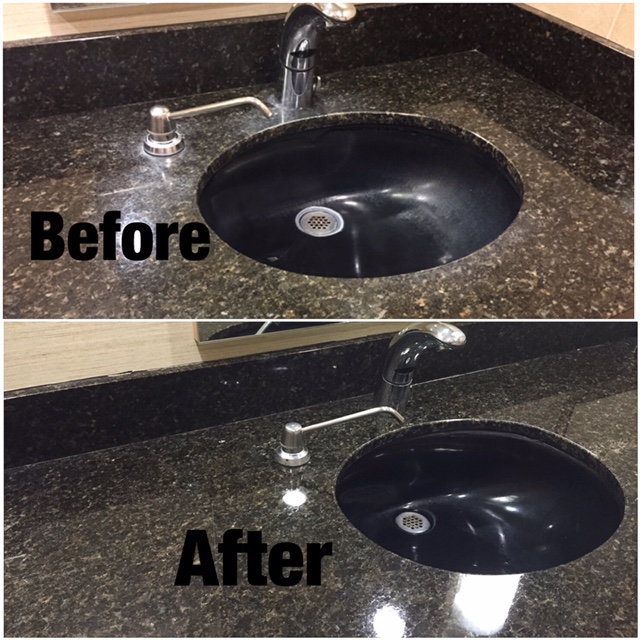
- Wipe Up Water Immediately: After using the sink or counter, dry the area with a cloth.
- Use Distilled Water for Cleaning: Regular tap water can leave minerals behind.
- Seal Granite Regularly: Good sealant blocks water and minerals from soaking in. Most granite should be sealed once a year, but high-use areas may need it every six months.
- Check Your Water Hardness: If you have very hard water, consider installing a water softener. This reduces minerals in your tap water.
- Clean Weekly with Safe Products: Regular gentle cleaning prevents buildup.
- Use Trivets and Mats: Place under coffee makers, soap dispensers, or anything that drips water.
- Avoid Letting Water Pool: Always dry up standing water, especially near faucets and sinks.
Two insights many people miss:
- Even small amounts of water left overnight can start a deposit. Drying right away makes a big difference.
- Some cheap granite sealants wear off in just a few months. Test your sealant by putting a drop of water on the surface; if it soaks in, reseal soon.
Credit: intlstoneworks.com
When To Call A Professional
Most calcium deposits can be removed at home with patience. But there are times when you should get help:
- The deposit covers a large area or won’t budge after several gentle tries.
- The granite is scratched or etched.
- The stone looks dull or has lost its shine.
- You’re not sure if the stain is calcium or something else.
Professionals have special tools and products that can fix damage and restore shine. They can also reseal your granite for extra protection.
How To Test If Your Granite Needs Resealing
Proper sealing is your best defense against calcium deposits. Here’s a simple test:
- Drop a small amount of water on the granite.
- Wait 10–15 minutes.
- If the water beads up, your seal is good. If it soaks in and darkens the stone, you need to reseal.
Most granite should be resealed every 12 months, but check with your installer for your specific type.
Choosing The Right Granite Sealer
There are many sealers on the market. Here’s what to look for:
- Penetrating Sealer: Soaks into the stone and protects from within.
- Water-Based: Easier to apply and less odor.
- Brand Reputation: Use products from known stone care companies.
- Longevity: Some sealers last up to 5 years, but most need yearly reapplication.
Follow the instructions on the label. Usually, you clean the granite, apply the sealer, let it sit, then wipe away the extra.
How Granite Compares To Other Countertop Materials
If you’re wondering why granite gets calcium deposits more easily than some surfaces, compare it to other materials:
| Material | Calcium Buildup Risk | Cleaning Difficulty | Best Cleaner Type |
|---|---|---|---|
| Granite | Medium | Moderate | pH-neutral stone cleaner |
| Quartz | Low | Easy | Mild soap, water |
| Marble | High | Hard | Stone-safe cleaner only |
| Laminate | Low | Easy | General cleaner |
| Stainless Steel | Low | Easy | Vinegar, mild soap |
Granite is tougher than marble but still needs the right care. It handles daily use well, but hard water can cause problems if not managed.
The Science Behind Calcium Deposits
Calcium carbonate is the main ingredient in limescale. When hard water dries on granite, it leaves behind these minerals. The higher the temperature, the faster the water evaporates, making deposits form quicker.
Granite is made of several minerals. Some types are more porous or sensitive to chemicals. That’s why your cleaning method should match your granite’s color and finish. Darker granites often show deposits less but can still be damaged by acids.
Interesting fact: Over 85% of homes in the U.S. have hard water, which means most granite counters are at risk of limescale if not cleaned properly (USGS).
Myths About Cleaning Granite
There are many myths online about how to clean calcium deposits from granite. Let’s clear up a few:
- Myth: Vinegar is Safe for All Stone: Vinegar is too acidic and will dull or etch granite.
- Myth: WD-40 Removes Stains: This can make the surface greasy and harder to clean.
- Myth: Magic Erasers Are Safe: These are abrasive and can scratch granite.
- Myth: You Can Skip Sealing: Unsealed granite is much more likely to get stained or etched.
Stick to tested, safe methods to keep your stone in top shape.
Real-world Example: Removing Calcium Deposits From A Kitchen Counter
Let’s walk through a real-life scenario. Imagine a kitchen granite counter with white spots around the faucet.
- The owner first wipes the area with water. The spots remain.
- Next, she tries a baking soda paste, lets it sit for 30 minutes, and scrubs gently. Most deposits come off.
- For a few tough spots, she repeats the paste method and uses a plastic scraper very gently.
- After rinsing and drying, the spots are gone.
- She tests the sealant and finds water soaks in. She reseals the granite to prevent future stains.
This shows that patience and the right products can restore even badly stained granite.
Tips For Long-term Granite Care
To keep your granite looking great for years:
- Use coasters under all drinks.
- Avoid placing hot pots or pans directly on the surface.
- Clean up spills quickly, especially oil or acidic foods.
- Use only stone-safe cleaners.
- Reseal as needed.
- Avoid storing bathroom products (like toothpaste or shaving cream) directly on granite.
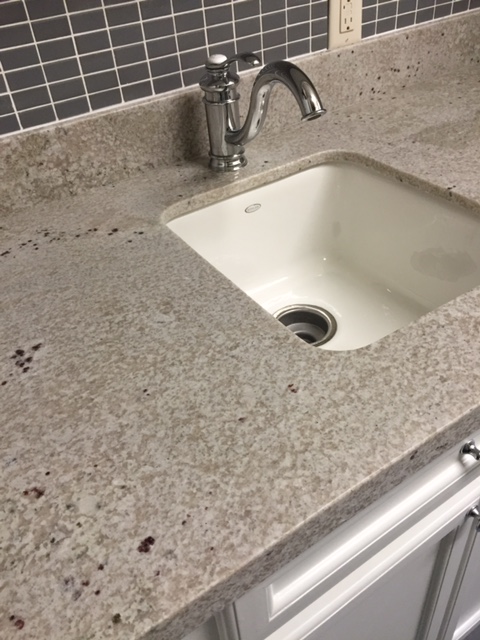
A little effort goes a long way. Well-maintained granite can last for decades without losing its shine.
Credit: intlstoneworks.com
Frequently Asked Questions
How Do I Know If A White Spot Is Calcium Or Something Else?
White spots from calcium deposits are usually chalky and rough to the touch. Try rubbing a bit of baking soda paste on a small area. If the spot improves, it’s likely calcium. If not, it could be soap scum, a different stain, or even etching from acid.
Can I Use Vinegar Or Lemon To Clean Granite?
No, both vinegar and lemon are too acidic for granite. They can dull or etch the surface, making it more likely to stain or build up minerals. Always choose pH-neutral stone cleaners or baking soda for safe cleaning.
How Often Should I Seal My Granite To Prevent Calcium Deposits?
Most granite should be sealed once a year. However, if your counter gets heavy use or is near water (like a bathroom sink), check every six months. Test by placing a drop of water on the surface—if it soaks in, reseal soon.
What If The Calcium Deposit Won’t Come Off?
If gentle cleaning, baking soda paste, and a plastic scraper do not work, do not use more force. You may need a professional stone cleaner or polishing service. For very old or thick deposits, a pro can restore the surface safely.
Does Water Type Affect How Often I Get Calcium Deposits?
Yes. Homes with hard water have more minerals, so deposits form faster. Using a water softener can help reduce the problem. Even with soft water, always dry your granite after cleaning or spills.
With the right care and cleaning, your granite can stay beautiful and free of calcium deposits for many years. Take time to use gentle methods, avoid common mistakes, and keep your granite well-sealed for best results.