
Turning on a pool waterfall can feel like unlocking a secret paradise in your backyard. The sound of flowing water, the sparkling movement, and the cool mist all come together to create a relaxing and luxurious atmosphere. But for many pool owners, especially those new to pool features, figuring out how to activate that beautiful waterfall can be confusing.
Pool systems are not always straightforward, and the controls and valves may look intimidating at first. Whether your waterfall is brand new or you’ve inherited it from a previous homeowner, knowing exactly how to get it running is essential for enjoying your pool to the fullest.
Let’s walk through the complete process, from understanding your pool system to troubleshooting issues. This guide will help you turn on your pool waterfall confidently, maintain it, and even enhance your pool experience. Along the way, you’ll find answers to common questions, practical tips from real pool owners, and insights that many beginners overlook.
Understanding Your Pool Waterfall System
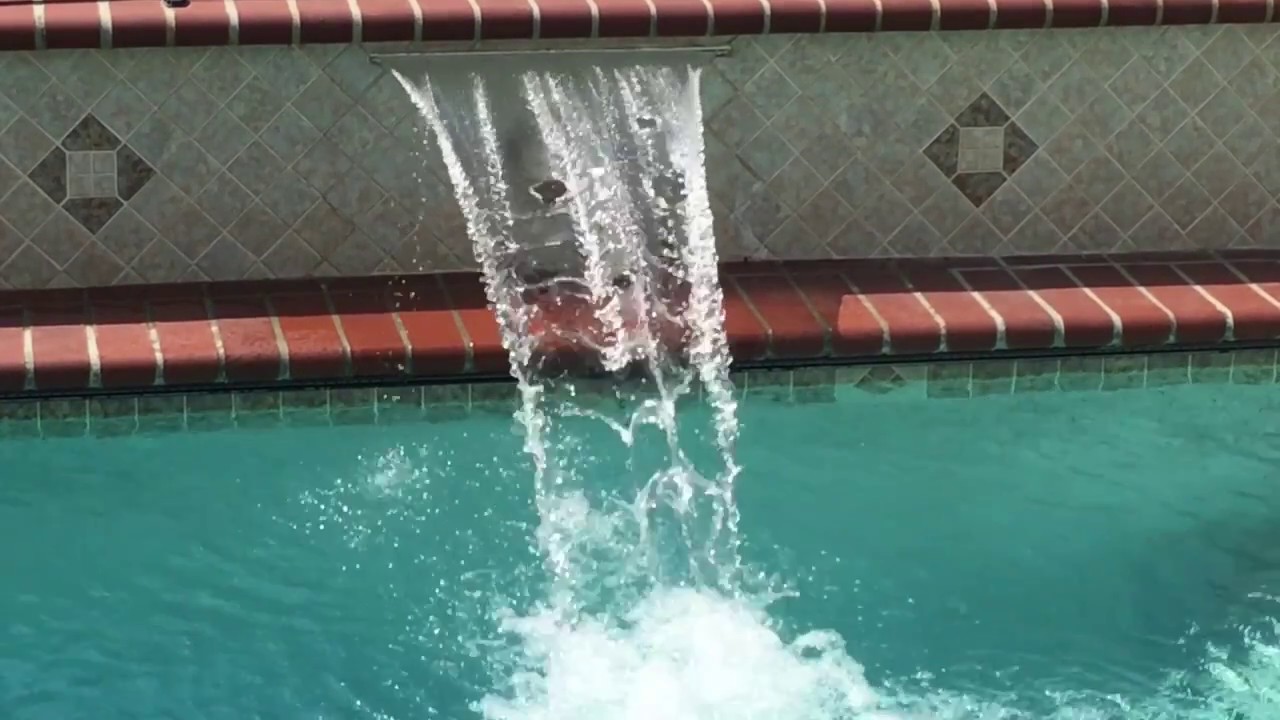
Before you can turn on your pool waterfall, you need to know how your system works. Pool waterfalls are usually powered by the pool’s circulation system, using pumps, valves, and sometimes dedicated controls. There are different types of waterfalls, and each can have a unique setup.
Types Of Pool Waterfalls
- Sheer Descents: These create a thin, smooth sheet of water, often installed into the pool’s wall.
- Rock Waterfalls: Mimic natural falls, built with artificial or real rocks.
- Spillways: Water flows from a spa or raised area into the pool.
- Fountains: Sometimes grouped with waterfalls, these spray water into the air.
Knowing the type of waterfall you have helps you understand where the controls are and how water flows through the system.
Key Components
- Waterfall Valve: Directs water flow specifically to the waterfall.
- Pool Pump: Moves water through the system.
- Control Panel: Modern pools may have digital or remote controls.
- Return Lines: Pipes that bring water back to the pool, including the waterfall.
If you’re not sure which component is which, your pool’s user manual or a label near the equipment pad can help.
Common System Layouts
Some pools have a dedicated pump for the waterfall, while others use the main pool pump with a valve to divert water. In more advanced pools, you may have a smart control system that lets you activate features with a button or app.
Non-obvious insight: Many beginners think every waterfall is automatically on when the pump runs. In reality, a valve or switch is almost always required to send water to the waterfall.
Preparation Before Turning On The Waterfall
Rushing to activate your pool waterfall can lead to problems if you skip some simple checks. Preparation ensures your waterfall runs smoothly and avoids damage to your pool equipment.
Safety First
- Turn off power at the circuit breaker before touching any electrical controls.
- Make sure children and pets are safely away from the pool equipment area.
Inspect The Waterfall
- Check for debris: Leaves, dirt, or toys can block the waterfall opening.
- Look for leaks: Inspect the pipes and connections near the waterfall for obvious water leaks.
- Examine the pump basket: Clear out leaves or debris that might restrict water flow.
- Valve positions: Identify the valves controlling the waterfall. They’re usually labeled, but if not, trace the pipes from the waterfall back to the equipment pad.
Water Level
Waterfalls require a proper water level in the pool. If the water is too low, the pump can run dry, which can cause expensive damage.
Tip: Keep the water level about halfway up the skimmer opening for best results.
System Status
- Ensure the pool pump is off before making adjustments to valves or equipment.
- If you have an automated system, check the control panel for error messages.

Credit: www.youtube.com
Step-by-step: How To Turn On Pool Waterfall
Now that you’re prepared, it’s time to turn on your pool waterfall. The process can be different depending on your pool setup, but most systems follow similar steps.
1. Identify The Waterfall Controls
Look for the waterfall valve or switch. It could be:
- A manual valve (usually a handle near the pump)
- A switch on your control panel (digital, remote, or wall-mounted)
- A setting in your pool automation app
Non-obvious insight: Some waterfalls share a valve with other features, like spa jets. Make sure you’re not accidentally turning on something else.
2. Set The Valves
If your system uses manual valves:
- Turn the handle to the open position for the waterfall.
- In some systems, you might need to partially close other return valves to ensure strong water flow to the waterfall.
If you have a dedicated waterfall pump, check that its valve is open and the pump is ready.
3. Start The Pool Pump
- Turn on the main pool pump (or the dedicated waterfall pump).
- Wait a minute for water to move through the system.
- If you use an automation system, select the waterfall option and activate it.
4. Fine-tune Water Flow
- Adjust the waterfall valve to control the water flow. Too much flow can splash water out of the pool, while too little may not look appealing.
- Some systems have a flow control knob on the waterfall itself. Use it to set the perfect look and sound.
5. Check For Proper Operation
- Observe the waterfall for smooth, even flow.
- Listen for unusual noises, like loud sucking or banging, which could mean air in the lines or a blockage.
- If water is not flowing, recheck valve positions and pump status.
6. Enjoy The Waterfall
Once the waterfall is running smoothly, take a step back and enjoy the ambiance. The sound and motion can make any pool time more enjoyable.
Common Problems And Troubleshooting
Turning on a pool waterfall does not always go smoothly. Here are some common issues and how to fix them.
Waterfall Not Flowing
- Pump not running: Make sure the pump is on and primed.
- Valve not open: Double-check that the waterfall valve is fully open.
- Low water level: Add water if the pool is low.
- Clogged pipes: Debris in the pipes can stop water flow. Turn off the pump and clear the lines if needed.
Weak Or Uneven Flow
- Partial blockage: Clean the pump basket, filter, and waterfall opening.
- Valve partially closed: Open the waterfall valve more.
- Pump size: If you’ve added new features, your pump may not be powerful enough.
Noisy Operation
- Air in the system: Check for leaks or low water level.
- Loose parts: Tighten fittings and inspect for worn gaskets.
Waterfall Won’t Turn Off
- Valve stuck: Try gently moving the handle back and forth.
- Automation glitch: Reset the control panel or app.
- Stuck relay (rare): You may need an electrician or pool technician.

Credit: www.reddit.com
Maintaining Your Pool Waterfall
A pool waterfall is not just about looks—it also needs regular care to keep it working and looking its best.
Weekly Tasks
- Clean debris from the waterfall opening and surrounding area.
- Check pump basket and skimmer for leaves or dirt.
- Inspect for leaks or unusual noises.
Monthly Tasks
- Backwash or clean the pool filter to ensure strong water flow.
- Check valve handles for wear or stiffness.
- Inspect automation systems for software updates or error messages.
Seasonal Maintenance
- Winterize: In cold climates, drain water from the waterfall lines to prevent freezing.
- Deep clean: Use a brush to remove algae or mineral buildup from rocks or sheer descents.
- Professional inspection: Once a year, have a pool tech check your system.
Long-term Tips
- Use pool-safe cleaners for removing stains or buildup.
- If you have a saltwater pool, rinse the waterfall area occasionally to reduce salt deposits.
- Keep landscaping trimmed to reduce debris falling into the waterfall.
Non-obvious insight: Mineral buildup inside waterfall pipes can reduce flow over time. If you notice declining performance, consider having the lines flushed by a professional.
Enhancing Your Pool Waterfall Experience
A waterfall can be more than just a feature—it can be the highlight of your pool area. Here are ways to upgrade your enjoyment.
Lighting Options
- LED lights: Install color-changing LEDs behind or inside the waterfall for stunning night effects.
- Spotlights: Position landscape lights to highlight the waterfall at dusk.
Sound Control
- Adjust the flow for a soft trickle or a louder cascade. Some people prefer the waterfall as white noise for relaxation, while others like a gentle background sound.
Water Chemistry
- Waterfalls add aeration, which can raise pH slightly. Test your water weekly and adjust chemicals as needed.
Landscaping
- Add plants or rocks around the waterfall for a natural look.
- Use non-slip surfaces nearby to prevent accidents.
Smart Controls
- Upgrade to a smart pool controller for remote operation.
- Set schedules for your waterfall to turn on automatically at certain times.
Comparison Of Pool Waterfall Setups
Different pools have different waterfall setups. Here’s a quick comparison of the main options:
| System Type | Waterfall Control | Pros | Cons |
|---|---|---|---|
| Main Pump with Valve | Manual Valve / Basic Switch | Simple, low cost, easy to maintain | Less precise control, may reduce pool returns |
| Dedicated Waterfall Pump | Separate Switch or Timer | Strong flow, independent from pool circulation | Higher cost, more parts to maintain |
| Smart Automated System | Digital Panel / App | Convenient, programmable, remote access | Complex setup, more expensive repairs |
Essential Equipment For Pool Waterfalls
Here’s a look at what you might need for installation or troubleshooting:
| Equipment | Purpose | Approximate Cost (USD) |
|---|---|---|
| Valve Wrench | Adjusting manual valves | $10-$20 |
| Replacement Valve | Fixing stuck or broken valves | $25-$60 |
| Waterfall Pump | Dedicated water flow | $150-$600 |
| Automation Kit | Smart control and scheduling | $300-$1500 |
| Pipe Flush Kit | Clearing blockages and buildup | $30-$100 |
Credit: www.youtube.com
Tips For First-time Users
If you’re new to owning a pool waterfall, the experience can be exciting but also a little overwhelming. Here are practical tips for beginners:
- Label your valves: Use waterproof labels so you always know which handle controls the waterfall.
- Test during the day: Make your first attempt when it’s light out, so you can see water flow and spot leaks.
- Start with low flow: Too much water at first can cause splashing or flooding.
- Keep the manual handy: Many problems are solved by checking the manufacturer’s instructions.
- Join a pool owner forum: Real-world advice from others can be very helpful.
Pro tip: If your pool was built by a contractor, ask them for a walkthrough of the system. Many companies offer a free first lesson when the pool is finished.
When To Call A Professional
Most waterfall issues are easy to fix, but sometimes you need expert help:
- Persistent leaks: Water under or around your pool equipment can signal a bigger problem.
- Electrical issues: Never attempt to repair wiring or relays yourself.
- Structural cracks: If you see cracks in the waterfall structure, contact a pool builder.
- No flow after troubleshooting: If you’ve tried all the basic fixes and water still won’t flow, a pool technician can diagnose hidden problems.
Choosing a reputable pool service company can save you time and money in the long run.
Saving Energy While Using Your Waterfall
Waterfalls add beauty, but they can also use extra energy. Here’s how to enjoy your feature without wasting power:
- Run the waterfall only when needed: For effect during parties or relaxation, not all day.
- Use a timer: Automate operation for a couple of hours in the evening.
- Upgrade to a variable-speed pump: These pumps are more efficient and can save up to 70% on energy costs.
- Keep equipment clean: Clogged filters and baskets make pumps work harder.
According to the U.S. Department of Energy, variable-speed pool pumps can save hundreds of dollars per year compared to single-speed models.
Pool Waterfall Safety Considerations
Waterfalls are fun, but safety comes first:
- Never climb on rocks or waterfall structures: Slippery surfaces can cause falls.
- Supervise children: Kids are drawn to moving water, so always watch them closely.
- Check for exposed wires: Any electrical hazard should be repaired immediately.
- Maintain clear walkways: Wet areas near waterfalls can be slippery. Use mats or textured surfaces.
Upgrading And Customizing Your Waterfall
If you want to take your pool to the next level, consider these upgrades:
- Add multiple waterfalls: Create layers of sound and movement.
- Integrate fire features: Some designs include fire bowls for a dramatic effect.
- Bluetooth speakers: Hide waterproof speakers near the waterfall for music.
- Remote control: Install a system that lets you control all features from your phone.
Customization can transform your pool from ordinary to extraordinary. For inspiration, check out Houzz’s Pool Waterfall Gallery.
Frequently Asked Questions
How Do I Know If My Pool Has A Waterfall Feature?
Check the pool area for a spout, rock structure, or raised wall where water could flow. At the equipment pad, look for a valve labeled “waterfall” or similar. If in doubt, ask your pool builder or review your pool’s blueprint.
Can I Add A Waterfall To An Existing Pool?
Yes, most pools can have a waterfall added. The process involves plumbing, electrical work, and sometimes adding a new pump or automation. Costs can range from a few hundred to several thousand dollars, depending on design.
Is It Safe To Run The Waterfall While Swimming?
Yes, it is generally safe. In fact, waterfalls can make swimming more enjoyable. Just supervise children, as moving water can be distracting. Avoid swimming directly under heavy rock waterfalls.
Why Does My Waterfall Sound Different Than Before?
Changes in sound often mean a change in water flow. It could be caused by a partial blockage, low water level, or a failing pump. Check for debris, clean your filter, and listen for pump noises.
Do Pool Waterfalls Increase Maintenance?
A little. You will need to clean the waterfall opening, check for leaks, and occasionally deal with extra debris. However, with regular care, maintenance remains simple.
Your pool waterfall is more than just an accessory—it’s a dynamic feature that brings life, sound, and beauty to your pool. By understanding your system, preparing carefully, and following the right steps, you can turn on your pool waterfall confidently and enjoy it for years to come.
The key is regular maintenance, smart energy use, and a little creativity in how you enjoy the space. With these tips and insights, you’re ready to make the most of your backyard oasis.