
Swimming pools often promise relaxation and fun, but nothing spoils a dip faster than murky green water. If you’ve owned a pool, you probably know that algae is a common culprit. Understanding what temperature algae grow in a pool is more than curiosity—it’s essential knowledge for keeping your water clear and safe. Many pool owners are surprised when algae blooms appear overnight, turning crystal water into a green mess. Temperature plays a huge role in this process, but it’s not the only factor. By grasping how heat affects algae, you can take practical steps to prevent and solve this stubborn problem.
This article will explore the exact temperatures that encourage algae growth, the science behind their rapid spread, and how you can use this knowledge to your advantage. You’ll also discover why some pools get algae sooner than others, what other conditions matter, and effective strategies to keep your pool algae-free all year long.
Whether you’re a first-time pool owner or have battled algae before, you’ll gain deeper insight and actionable tips to maintain a healthy swimming environment.
What Is Algae And Why Does It Matter In Pools?
Algae are simple, plant-like organisms that thrive in water. There are thousands of species, but only a few are a problem in swimming pools. Most pool algae are green, but some can be yellow (mustard), black, or even pink. They can appear as slimy patches, floating clouds, or stubborn stains on pool surfaces.
Why does algae matter? Besides making your pool look unappealing, algae create slippery surfaces, which can be dangerous. They also consume chlorine, making it harder to keep your pool sanitized. If left unchecked, algae can damage pool equipment, clog filters, and even cause health problems.
How Temperature Affects Algae Growth
Temperature is one of the most important factors for algae growth. Like many living things, algae need the right conditions to multiply. When the water warms up, chemical reactions speed up, and algae can reproduce quickly. But what is the magic number?
The Critical Temperature Range For Algae
Algae generally start to grow when water temperatures reach 60°F (15.5°C). However, their growth is slow at this point. The real explosion happens when temperatures climb higher. Most pool algae grow best between 68°F (20°C) and 93°F (34°C).
- At below 60°F (15.5°C): Algae are mostly dormant. Growth is very slow or stops completely.
- From 60°F to 68°F (15.5°C to 20°C): Some growth can happen, but it’s usually not visible yet.
- 68°F to 86°F (20°C to 30°C): This is the prime range for rapid algae growth. Most pools in use fall into this category during warm months.
- Above 86°F (30°C): Growth continues, sometimes even faster, but very high heat can stress some types of algae.
- Above 93°F (34°C): Some algae may slow down, but most common pool types still grow well.
Here’s a simple comparison of how algae growth changes with temperature:
| Temperature (°F) | Algae Growth Rate | Pool Risk Level |
|---|---|---|
| Below 60 | Very slow or none | Low |
| 60-68 | Slow | Moderate |
| 68-86 | Rapid | High |
| 86-93 | Very rapid | Very high |
| Above 93 | Variable | High |
Why Higher Temperatures Speed Up Algae
Warm water speeds up the metabolism of algae. That means they use nutrients and reproduce faster. Sunlight, another key ingredient, is also more intense during warmer months, helping algae photosynthesize and multiply. This is why most pool algae problems happen during late spring, summer, and early fall.

Credit: www.reddit.com
Types Of Algae And Their Temperature Preferences
Not all pool algae are the same. Some are more stubborn than others and have different temperature needs.
1. Green Algae
The most common type. It grows quickly between 70°F and 90°F (21°C to 32°C). Green algae can float freely or stick to pool surfaces, turning them slippery and green.
2. Yellow (mustard) Algae
Less common but harder to remove. Prefers warmer water, usually above 75°F (24°C). It often appears in shaded areas and can survive even when chlorine levels are normal.
3. Black Algae
Actually a type of cyanobacteria, not true algae. Grows best in warm water, often above 80°F (27°C). Forms tough spots or patches, mainly on rough surfaces like concrete.
4. Pink Algae
Not a true algae but a bacteria. Likes warm, stagnant water, often above 77°F (25°C). It forms slimy pink or red patches, especially around pool fittings.
Each type has its own challenges, but all can become a problem when water temperatures rise. Some, like black algae, are more resistant to chemicals and may need special treatment.
Other Conditions That Help Algae Grow
Temperature is just one part of the story. Algae need more than warmth to thrive.
Sunlight
Algae use sunlight for photosynthesis. Pools exposed to direct sunlight are more likely to have algae problems, especially if the water is warm.
Nutrients
Algae feed on phosphates and nitrates. These nutrients can enter your pool from:
- Rainwater
- Leaves and grass
- Swimmers’ body oils and lotions
- Soil or dust
Even a small amount of nutrients can trigger a bloom if temperatures are right.
Poor Circulation
Stagnant water is a breeding ground for algae. If your pool pump or filter isn’t running enough, or if there are dead spots (areas where water doesn’t circulate well), algae can take hold even in cooler water.
Low Chlorine Or Sanitizer Levels
Chlorine kills algae, but its effectiveness drops in warm water. High temperatures also cause chlorine to break down faster, especially if there’s a lot of sunlight. If your chlorine drops below 1-3 ppm (parts per million), algae can quickly multiply.
Imbalanced Ph
Algae prefer a pH between 7.2 and 7.6, which is also the ideal range for swimmers. If pH rises above this, chlorine is less effective, making it easier for algae to grow.
When Are Pools Most At Risk?
Algae problems often explode during the hottest months—usually late spring through early fall. In cooler climates, outbreaks may happen later or last for a shorter time. Heated indoor pools can also have algae if other conditions are right.
You may notice that as soon as pool water warms up after winter, algae can appear even if you haven’t used the pool yet. This is especially true if you reduce chlorine or don’t run the filter as often during the off-season.
The Algae Growth Timeline: How Fast Can It Happen?
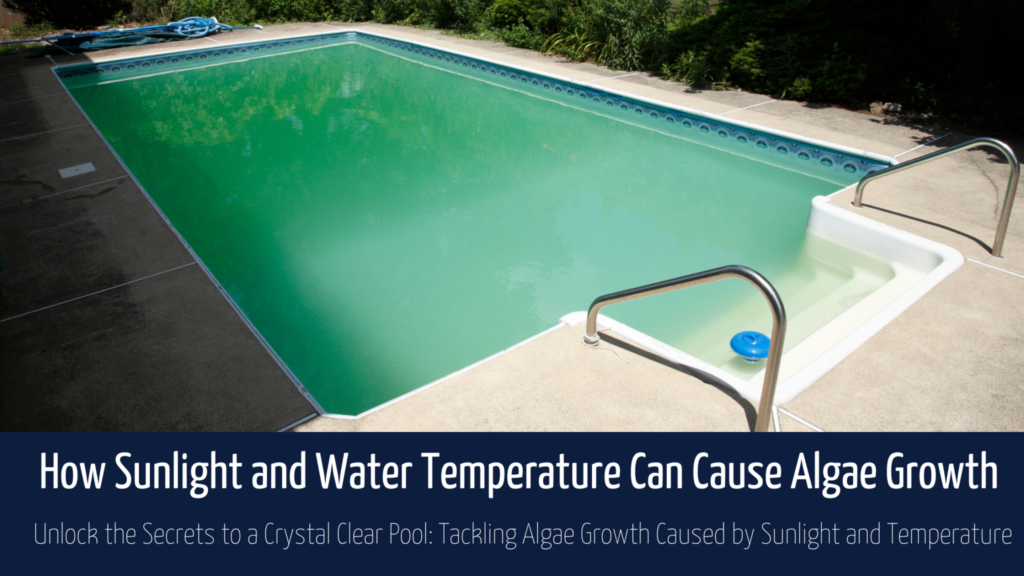
Algae are notorious for multiplying quickly. In the right temperature range, a small number of spores can turn into a visible bloom within 24 to 48 hours. This is why pools can go from clear to green almost overnight.
Here’s what typically happens:
- Day 1: Spores enter the pool through wind, rain, or contaminated items.
- Day 2: If the water is warm and chlorine is low, algae begin to grow.
- Day 3-4: Algae multiply rapidly. Water becomes cloudy, and green or yellow patches may appear.
- Day 5+: Full bloom. Water turns green, and surfaces become slippery.
What surprises many pool owners is that even with regular cleaning, missing just a few days of proper maintenance during hot weather can lead to an algae outbreak.
Credit: romanellipools.com
Real-world Examples: Pool Algae And Temperature
Consider two pools, both cleaned regularly. One is in Florida, where summer water temperatures reach 85°F (29°C). The other is in Maine, where the pool rarely exceeds 68°F (20°C). The Florida pool needs twice as much attention because algae thrive in the heat. Even a one-day drop in chlorine can trigger a bloom.
In contrast, the Maine pool may go all summer without visible algae, even if the owner is less diligent. But, if a heatwave hits and the pool temperature rises, the risk jumps quickly.
Some heated pools used in winter can also develop algae if the water is kept warm and chlorine is not monitored closely.
How To Prevent Algae In Warm Pool Water
Knowing the temperature danger zone lets you take smart steps to prevent algae before it starts.
1. Test Water Often
Check your pool’s water temperature, chlorine, and pH at least 2-3 times per week during warm weather. Use a good test kit or digital tester. If the temperature rises above 68°F (20°C), be extra alert.
2. Keep Chlorine In The Safe Zone
Maintain a free chlorine level of 2-4 ppm when water is warm. It’s better to keep it on the high side when temperatures rise. Consider using stabilizer (cyanuric acid) to protect chlorine from sunlight, especially in outdoor pools.
3. Brush And Vacuum Regularly
Algae often start in hidden spots—steps, corners, or behind ladders. Brush these areas at least once a week to remove spores before they multiply. Vacuum debris and leaves quickly.
4. Run The Pump Longer
Increase your pump run time as temperatures climb. In very hot weather, running the pump 10-12 hours a day helps prevent stagnant areas where algae could start.
5. Use Algaecide As A Backup
A quality algaecide can add extra protection during hot months, especially if your pool gets heavy use or a lot of sunlight. Use it according to the label, and don’t rely on it as your only defense.
6. Control Nutrients
Keep leaves, dirt, and grass out of the pool. Rinse off before swimming to reduce oils and lotions. Consider using a phosphate remover if your pool often has algae, especially in warm weather.
7. Cover The Pool
A cover reduces sunlight and keeps debris out. This is especially helpful during vacations or if you’re not using the pool for several days in hot weather.
8. Shock The Pool Regularly
Shocking means adding extra chlorine to kill hidden contaminants and algae spores. Do this every 1-2 weeks during warm weather, or after heavy pool use, storms, or if the pool looks dull.
The Role Of Pool Heaters And Warm Climates
Pool heaters allow swimming year-round but also raise the risk of algae if not managed carefully. Heated pools need more frequent water checks, higher chlorine, and better circulation.
In tropical or subtropical areas, pool owners face algae risk nearly all year. It’s common to see outbreaks even in winter if the water stays above 68°F (20°C). Consistent maintenance is key.
Table: How Different Pool Types Handle Algae Risk
Here’s a quick comparison of how various pool types and climates affect algae risk:
| Pool Type | Typical Temp Range | Algae Risk Level | Notes |
|---|---|---|---|
| Outdoor, unheated (cool climate) | 60-75°F (15-24°C) | Moderate | Risk spikes in heat waves |
| Outdoor, heated (warm climate) | 75-90°F (24-32°C) | High | Needs extra chlorine, long filtration |
| Indoor, heated | 80-86°F (27-30°C) | High | Less sunlight, but still high risk |
| Spas/hot tubs | 98-104°F (37-40°C) | Very high | Algae possible if not sanitized well |
Credit: compasspoolsmelbourne.com.au
Practical Insights Pool Owners Often Miss
Even experienced pool owners make mistakes when it comes to algae and water temperature. Here are two non-obvious tips:
- Nighttime Growth: Algae don’t need sunlight to start growing. In warm water, some types can multiply overnight, especially if chlorine is low. Always check water chemistry after hot, sunny days.
- “Clean” Water Can Hide Algae: Sometimes, the water looks clear, but algae are already starting to grow on walls or in the filter. This is more likely in warm water above 75°F (24°C). Run your fingers along pool surfaces—if they feel slippery or slimy, act fast.
Special Cases: Saltwater And Natural Pools
Many people think saltwater pools are immune to algae. This is a myth. Saltwater pools still need proper chlorine levels and the same temperature precautions as regular pools. If the salt system isn’t working or the water is warm, algae can take over quickly.
Natural pools (those without chemicals) are even more sensitive. They often have plants that compete with algae, but if the water gets hot and nutrients are high, algae can still bloom. These pools need careful design and regular cleaning, especially during hot periods.
How To Treat Algae Blooms When They Happen
Prevention is best, but even careful pool owners can face algae from time to time. Here’s what to do if you see green, yellow, or black spots—especially in warm water:
- Brush all surfaces: Use a stiff brush to break up algae on walls and floors.
- Vacuum debris: Remove dead algae with a manual vacuum. Avoid using the automatic cleaner until the bloom is under control.
- Shock the pool: Add a heavy dose of chlorine (follow the product label for your pool size). Run the pump continuously for at least 24 hours.
- Check and adjust pH: Make sure pH is in the ideal range (7.2-7.6) so chlorine works best.
- Clean the filter: Algae can clog filters quickly. Backwash or clean as needed.
- Retest and repeat: Sometimes, tough algae (like black or mustard) need multiple treatments.
If the problem keeps coming back, look for hidden sources of nutrients or dead spots in circulation. Sometimes, a professional pool service is needed.
The Science Behind Algae’s Love For Warm Water
Algae are photosynthetic organisms. Their enzymes and cell structures are more active at higher temperatures. Studies show that algae can double their population in as little as 3-4 hours under ideal warm conditions. That’s why a small problem can become a major bloom quickly.
The chemistry of chlorine is also temperature-sensitive. At 77°F (25°C), chlorine is 25% less effective than at 59°F (15°C). That means you need to use more chlorine as the water warms, or algae will win the battle.
Common Mistakes And How To Avoid Them
- Cutting back on chlorine when it’s hot: Many owners think they can use less chlorine when swimming more. In fact, you need more during hot weather.
- Short pump run times: Saving electricity by running the pump less often during summer is risky. Warm water, sunlight, and still water are perfect for algae.
- Ignoring small spots: Algae often start as tiny patches. Waiting until the pool turns green makes treatment harder and longer.
- Not cleaning pool toys and floats: Algae spores can hitch a ride on anything that touches water. Clean floats, toys, and even swimsuits, especially if they were used in natural bodies of water.
Advanced Tip: Using Technology To Track Temperature
Modern pool thermometers can send data to your phone, warning you when water gets into the algae danger zone. Some smart systems can even adjust chlorine or run the pump longer automatically. Investing in these tools can make a big difference, especially in areas with unpredictable weather.
Why Algae Control Is About More Than Just Chemicals
While chemicals like chlorine are your main defense, physical cleaning and good water movement matter just as much. Algae can hide in tiny cracks, behind ladders, or even inside pool lights. Regular brushing, vacuuming, and filter cleaning are as important as testing and adding chemicals.
Table: Temperature, Chlorine, And Algae Risk
This quick reference shows how temperature changes affect chlorine needs and algae risk:
| Temperature (°F) | Recommended Chlorine (ppm) | Algae Growth Risk |
|---|---|---|
| Below 60 | 1.0-2.0 | Low |
| 60-75 | 2.0-3.0 | Moderate |
| 76-86 | 3.0-4.0 | High |
| Above 86 | 4.0+ | Very high |
The Bottom Line For Pool Owners
Algae are a challenge for any pool owner, especially when the water is warm. Knowing that most algae start to grow above 60°F (15.5°C) and explode between 68°F and 86°F (20-30°C) helps you plan maintenance and avoid costly, time-consuming cleanups. It’s not just about chemicals—regular cleaning, good circulation, and quick action when temperatures rise are all essential.
If you keep your pool water well-balanced, watch for the first signs of algae, and adjust your routine as temperatures change, you can enjoy clear, safe swimming all season long. For more scientific background on algae and pool maintenance, you can check resources like the Wikipedia entry on Algae.
Frequently Asked Questions
What Temperature Does Algae Stop Growing In A Pool?
Algae growth slows down significantly below 60°F (15.5°C). At this temperature, most pool algae become dormant and are unlikely to multiply. However, some spores can survive and start growing again when the water warms up.
Can Algae Grow In A Heated Pool During Winter?
Yes, algae can grow in a heated pool even during winter if the water temperature is above 68°F (20°C) and other conditions (like low chlorine) are present. Heated pools need year-round attention to prevent algae.
Does A Pool Cover Prevent Algae Growth?
A pool cover helps reduce algae growth by blocking sunlight and keeping debris out, which lowers nutrient levels. However, covers don’t stop algae if water chemistry isn’t balanced. Always maintain proper chlorine and pH, even with a cover.
Is Algae Harmful To Swimmers?
Most pool algae are not directly harmful, but they can make pool surfaces slippery and unsafe. Some people may develop skin or eye irritation from swimming in algae-filled water. Algae also use up chlorine, making it easier for harmful bacteria to survive.
What Is The Fastest Way To Get Rid Of Algae In A Pool?
The quickest way is to brush all surfaces, shock the pool with high chlorine, run the pump continuously for 24 hours, and clean the filter. Repeat if needed. For stubborn types like black or mustard algae, multiple treatments may be necessary.
Keeping your pool algae-free is about understanding the science behind their growth and acting quickly, especially when water temperatures rise. With the right habits and a bit of vigilance, you can enjoy crystal-clear swimming water year after year.