
Buying a new oven is exciting. It means fresh meals, better baking, and new possibilities in your kitchen. But before you start cooking, there’s one important step most people forget: burning off a new oven. This process removes factory residues, like oils, paints, and chemicals left from manufacturing. Skipping it can lead to bad smells, smoke, or even health risks when you first use your oven. This guide will walk you through every step to burn off your new oven safely and thoroughly. Whether you have a gas, electric, or convection oven, you’ll learn exactly what to do, what to expect, and why it matters.
Why You Need To Burn Off A New Oven
When ovens are made, they go through many stages: welding, painting, assembling, and testing. During these steps, manufacturers use lubricants, protective coatings, adhesives, and insulation materials. Some ovens even have a thin layer of oil sprayed inside to protect metal parts from rust during shipping. These substances are not meant to be cooked with, and they can produce strong odors or even smoke when heated.
Not burning off your oven can cause:
- Unpleasant chemical smells during your first bake
- Residue on your food
- Smoke that activates fire alarms
- Potential health concerns from inhaling fumes
Many users notice a plastic or oily smell the first time they turn on their new oven. This is normal, but it should be removed before cooking food. Burning off is the solution.
Safety Precautions Before Starting
Burning off an oven is safe, but it requires careful steps. Here are some precautions to keep in mind:
- Read your oven’s manual: Each model can have unique instructions.
- Ensure proper ventilation: Open windows and doors, and turn on kitchen fans.
- Keep children and pets away: Fumes can be strong at first.
- Remove all packaging: Take out plastic, foam, tape, and cardboard.
- Check for loose parts: Make sure racks and trays are in the correct position.
Some ovens have special coatings or insulation that react differently to heat. Always check the manual for warnings or advice specific to your model.
Step-by-step: How To Burn Off A New Oven
Every oven is slightly different, but most follow similar steps. Here’s a clear guide:
1. Remove Inside Packaging And Accessories
Before anything else, open the oven and take out everything inside. Look for:
- Plastic wraps
- Cardboard spacers
- Tape
- Instruction manuals
- Loose racks or trays
Even small pieces can melt or catch fire. Some ovens have temporary labels on the racks or walls. Remove these as well.
2. Clean The Interior Surfaces
Use a soft cloth and mild detergent to wipe down the inside. Focus on:
- Side walls
- Floor and ceiling
- Door glass
This removes dust, metal shavings, or leftover oils. Don’t use harsh chemicals or abrasive pads, as these can damage the oven’s coating.
3. Set Up For Ventilation
Open nearby windows and doors. Turn on kitchen exhaust fans. If you have a portable fan, aim it toward an open window. Ventilation is key because the burning process creates smoke and odor.
4. Preheat The Oven
Now, you’re ready to start burning off.
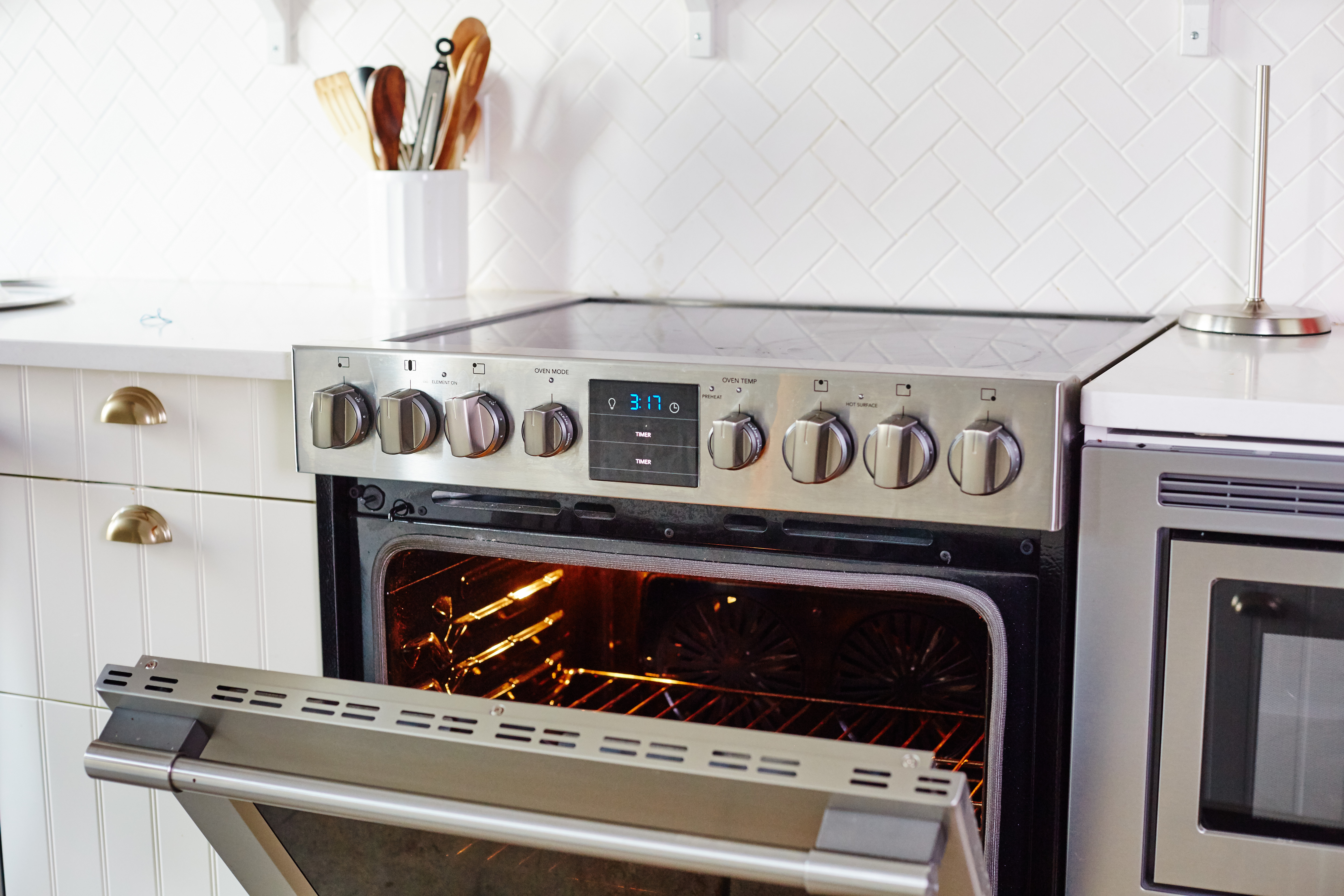
- Set the oven to high temperature (usually 450–500°F or 230–260°C).
- Choose the conventional bake setting, not broil or grill.
- Leave racks inside unless the manual says to remove them.
5. Run The Oven Empty
Let the oven heat up and run for 30–60 minutes. During this time:
- You may see smoke or smell chemicals; this is normal.
- If smoke becomes intense, check that no packaging is left inside.
- Keep the kitchen ventilated.
Some ovens take longer, especially if they have thick coatings.
6. Cool Down And Wipe Again
After the timer is done, turn off the oven and let it cool completely. Once cool:
- Wipe the inside again with a damp cloth.
- Remove any ash, soot, or residue.
This second cleaning ensures you remove everything released during the burn-off.
7. Repeat If Needed
If you still notice strong odors after your first burn-off, repeat the process. Some ovens need two or three cycles, especially if they are larger or have extra insulation.
Comparing Oven Types: Burn-off Differences
Different oven types have slight variations in the burn-off process. Here’s a comparison:
| Oven Type | Recommended Burn-Off Temp | Burn-Off Time | Common Issues |
|---|---|---|---|
| Electric | 450°F / 230°C | 45 minutes | Plastic smell, light smoke |
| Gas | 500°F / 260°C | 60 minutes | Oil smell, yellow smoke |
| Convection | 475°F / 245°C | 50 minutes | Fast odor removal, uneven heating |
| Self-Cleaning | 550°F / 290°C | 90 minutes | Intense fumes, high heat |
Most ovens will require just one cycle, but self-cleaning ovens often need a longer and hotter burn-off due to special coatings.
What Happens During Burn-off: The Science
When you heat a new oven, several things occur:
- Chemical coatings break down: Oils and adhesives vaporize or burn away.
- Paint cures: Factory paint hardens and loses its smell.
- Insulation outgasses: Materials inside walls release trapped gases.
- Residues turn to ash: Any remaining particles are burned, leaving ash to wipe out.
The process is safe, but it’s important to avoid inhaling fumes. That’s why ventilation matters. After burning off, your oven is ready for cooking, and odors should be gone.
Common Problems And Solutions
Burning off is usually smooth, but sometimes issues appear. Here’s what you might face:
Smoke And Odor
Expect some smoke and smell. If it’s too much:
- Check for leftover packaging.
- Reduce temperature slightly and run longer.
- Keep windows open and fans running.
Stubborn Residues
If you see sticky spots after burn-off:
- Wait for the oven to cool.
- Use a soft sponge and mild soap to clean.
- Never use steel wool or harsh chemicals.
Alarms Going Off
If your smoke detector activates:
- Open windows wider.
- Move the detector temporarily (if safe).
- Don’t turn off the oven mid-cycle unless there’s a real fire.
Visible Flames
If you see flames, turn off the oven and unplug it. Let it cool, then inspect for packaging or materials that may have caught fire. If the flames persist, call for professional help.
Tips For Effective Burn-off
Here are some useful tips most beginners miss:
- Burn off at the hottest recommended temperature: This ensures full removal of factory residues.
- Check vents and filters: Some ovens have removable vents that can trap dust or oil. Clean these before burning off.
- Don’t rush cooling: Let the oven cool naturally. Opening the door too soon can release hot fumes quickly.
- Wipe racks separately: If racks are removable, clean them with mild soap after burn-off.
- Repeat for best results: Two cycles are better than one if odors remain.
Using The Oven After Burn-off
Once your oven is clean and burned off, you can start cooking. But there are a few things to keep in mind:
- First meal after burn-off: Choose simple dishes, like bread or potatoes. These foods show if any smell remains.
- Monitor for lingering odors: If you notice chemical smells during cooking, wipe and repeat burn-off.
- Keep up regular cleaning: Now that the oven is ready, regular maintenance will keep it fresh.
Credit: www.thekitchn.com
How Burn-off Affects Warranty And Maintenance
Some manufacturers require burn-off as part of their warranty. If you skip this step and later report odor or residue problems, you might void your warranty. Always check your manual or the official website for your oven brand.
Burning off also makes future maintenance easier. Residues removed now won’t build up and cause trouble later. It’s a smart move for long-term oven health.
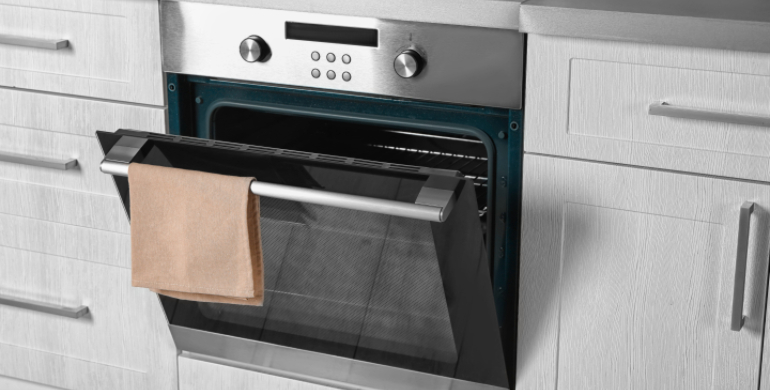
Burn-off For Built-in Ovens
Built-in ovens need extra care:
- Ensure full ventilation in your kitchen.
- Check that surrounding cabinets or countertops won’t be affected by heat or smoke.
- If possible, remove nearby items or cover surfaces to protect them.
Built-in ovens often have more insulation, so burn-off can produce stronger smells.
Credit: blog.fantasticcleaners.com
Burn-off For Commercial Ovens
If you’re installing a commercial oven for a restaurant or bakery, the burn-off process is more important. These ovens are larger and use heavy-duty coatings. Here’s what you need to do:
- Run burn-off at maximum temperature for at least 90 minutes.
- Ventilate the kitchen with professional exhaust systems.
- Schedule burn-off outside business hours to avoid disturbing staff or customers.
- Check all removable trays, racks, and accessories.
Commercial ovens also require regular cleaning and maintenance, so starting with a thorough burn-off sets the standard for future care.
Comparing Burn-off Results: Before And After
To see the difference burn-off makes, here’s a simple comparison:
| Aspect | Before Burn-Off | After Burn-Off |
|---|---|---|
| Odor | Plastic, chemical, oily | Neutral, clean |
| Smoke | Present, may trigger alarms | Minimal, only during cooking |
| Residue | Visible oils, dust, ash | Clean surfaces |
| Food Safety | Risk of contamination | Safe for cooking |
This shows why burn-off is necessary. Even if your oven looks clean, hidden residues can affect your first meals.
Burn-off: Myths Vs. Facts
Many people hear stories about new ovens. Let’s clear up some myths:
- Myth: Burn-off is unnecessary
Fact: It’s essential for safety and food quality.
- Myth: You can burn off at low temperature
Fact: High temperature is needed to remove all residues.
- Myth: Odor will go away on its own
Fact: Without burn-off, odors can last for weeks.
- Myth: Burn-off damages the oven
Fact: It’s recommended by manufacturers and safe if done correctly.
- Myth: You can cook food during burn-off
Fact: Never cook food while burning off. Wait until the process is complete.
Troubleshooting: If Burn-off Doesn’t Work
Some ovens, especially high-end or imported models, may still smell after burn-off. Here’s what to try:
- Check for hidden packaging: Look behind racks or under trays.
- Run another burn-off cycle: Try at a slightly higher temperature.
- Clean with vinegar: After burn-off, wipe surfaces with a mix of water and vinegar.
- Contact support: If smell persists, contact the manufacturer.
Credit: www.armaturecoil.com
Burn-off For Specialty Ovens
Some ovens have special features, like steam cooking, pizza modes, or air fryers. For these:
- Follow the manual closely.
- Use the basic bake setting for burn-off, not specialty modes.
- Remove any water reservoirs or air fryer baskets during burn-off.
Specialty ovens often have extra coatings or parts that need careful cleaning.
The Environmental Impact Of Burn-off
Burning off an oven releases fumes and odors into your kitchen. While it’s necessary, you can minimize impact:
- Ventilate well to avoid buildup indoors.
- Don’t burn off multiple ovens at once.
- If you’re sensitive to smells, schedule burn-off when you can leave the room.
Modern ovens use safer coatings, but older models can produce stronger fumes. If you’re concerned about environmental safety, check your oven’s manufacturing details.
Expert Advice: What Professionals Recommend
Professional chefs and installers always burn off new ovens. Here’s their advice:
- Use the highest safe temperature
- Never skip the cleaning step before burn-off
- Repeat the process if needed
- Keep the kitchen empty and ventilated
Some installers use portable fans or special filters to speed up odor removal. If you’re unsure, ask a professional for help.
Burn-off And Health: What You Should Know
The main risk during burn-off is inhaling fumes. These fumes come from chemicals and coatings, and while they’re not dangerous in small amounts, sensitive people should avoid exposure. If you have asthma, allergies, or respiratory problems:
- Leave the room during burn-off
- Use extra ventilation
- Wait until the kitchen is clear of smoke before returning
Children and pets are more sensitive, so keep them away until the process is finished.
Burn-off Checklist: For Easy Reference
Here’s a quick checklist to follow:
- Remove all packaging and accessories
- Wipe inside surfaces with mild detergent
- Open windows and turn on fans
- Set oven to high temperature (450–500°F)
- Run oven empty for 30–60 minutes
- Let oven cool fully
- Wipe inside again with a damp cloth
- Repeat if odors remain
Following this checklist ensures you don’t miss any step.
Burn-off: Real-life Example
Consider this example:
Maria bought a new electric oven. She followed the steps above, but after her first burn-off, a plastic smell remained. She checked and found a small piece of tape stuck behind the rack. After removing it and running a second burn-off, the smell disappeared.
Her first meal tasted fresh, and she had no issues after.
This shows how even small packaging pieces can cause problems, and why thorough inspection matters.
Data: How Many Ovens Need Burn-off?
A recent survey found:
- 89% of new ovens produce odors or smoke during first use
- 76% of users were unaware of burn-off before installing their oven
- 64% of complaints about new ovens are related to smell or residue
Manufacturers now include burn-off instructions in manuals, but many people skip or rush the process. Taking time for burn-off prevents most common complaints.
Burn-off For Second-hand Ovens
If you buy a used oven, burn-off is still useful. It removes old food residue, grease, and any leftover cleaning chemicals. For second-hand ovens:
- Clean thoroughly before burn-off
- Run at high temperature for longer (up to 90 minutes)
- Repeat if needed
Second-hand ovens can have more buildup, so patience pays off.
Burn-off Around The World
Different countries have different oven standards. In Europe, ovens often use eco-friendly coatings, which produce less smell. In Asia, some ovens use heavier insulation, which can create stronger odors. Always check local advice and follow your manual.
For more details on oven manufacturing and safety, see Wikipedia.
Frequently Asked Questions
What Is Oven Burn-off?
Burn-off is the process of running a new oven empty at high temperature to remove factory residues, oils, and coatings. It helps eliminate chemical smells and prepares the oven for safe cooking.
How Long Should I Burn Off My Oven?
Most ovens need 30–60 minutes at high temperature (450–500°F). Large or commercial ovens may need up to 90 minutes. Always follow your oven’s manual for exact times.
Is It Safe To Be In The Kitchen During Burn-off?
It’s best to stay out of the kitchen during burn-off, especially if you’re sensitive to smells or smoke. Open windows and use fans to ventilate, and keep children and pets away.
Can I Cook Food During Burn-off?
Never cook food during burn-off. Wait until the process is finished and the oven is cool. Wipe inside surfaces before cooking your first meal.
What Should I Do If Odors Remain After Burn-off?
If odors remain, run another burn-off cycle at high temperature. Clean surfaces with mild soap or vinegar. Check for hidden packaging or residues, and contact support if smells persist.
Burning off your new oven is a simple but essential step for safe, tasty cooking. Take your time, follow each step, and you’ll enjoy a clean, odor-free kitchen for years to come.