
If you enjoy grinding your own coffee beans, you know how important a clean grinder is. The Bodum coffee grinder is a popular choice because it’s easy to use and delivers consistent results. But even the best grinder needs regular cleaning to keep your coffee tasting fresh and your machine working smoothly. Dirty grinders can affect flavor, slow down the motor, and even lead to mold if left unchecked. In this article, you’ll learn exactly how to clean your Bodum coffee grinder, step by step, with practical advice and expert tips. Whether you’re a daily coffee drinker or just an occasional user, you’ll find everything you need to keep your grinder in top condition.
Why Cleaning Your Bodum Coffee Grinder Matters
Coffee is sensitive to flavors. Old coffee residues, oils, and dust can build up inside your grinder. These leftovers can spoil the taste of your fresh beans, making your coffee bitter or stale. Also, coffee oils can turn rancid over time, especially if you use oily beans like dark roasts.
Regular cleaning removes these residues and prevents bad flavors.
A dirty grinder can also slow down or damage the motor. Coffee dust can clog moving parts, making it harder for your grinder to spin. If you ignore cleaning for too long, you might notice your grinder gets noisy, grinds slower, or even breaks down.
Mold is another risk if you grind damp beans or live in a humid area. Cleaning prevents all these problems and helps your grinder last longer.
Many beginners only clean their grinder when it stops working, but this is a mistake. Even if your grinder is working fine, cleaning it regularly is the best way to protect your investment and enjoy better coffee every day.
Understanding Your Bodum Coffee Grinder
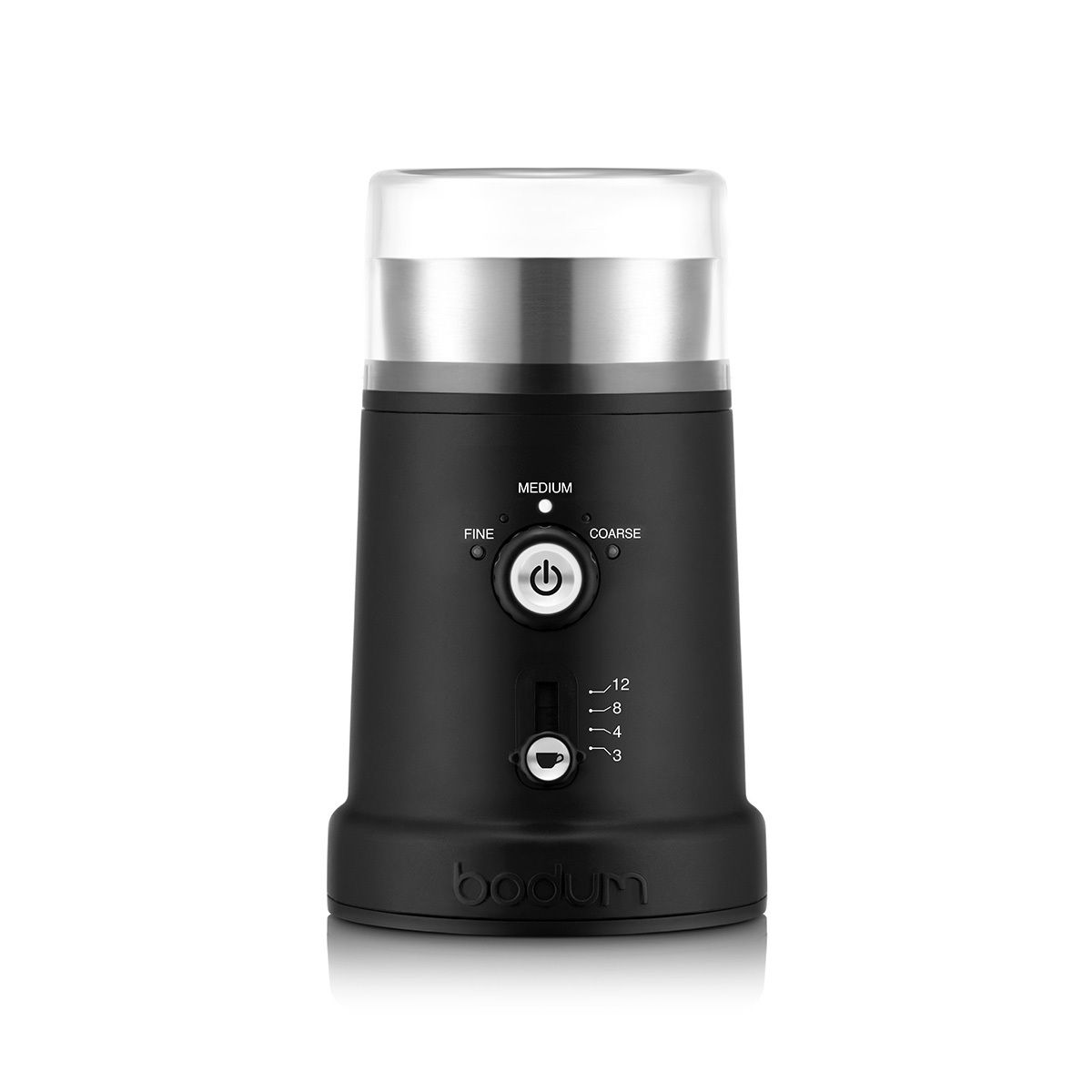
Before you start cleaning, it’s important to know your grinder’s parts. Bodum makes several models, but most share similar features.
Main Parts Of A Bodum Grinder
- Bean hopper – The container where you pour coffee beans.
- Grind chamber – The area where ground coffee collects.
- Burrs or blades – The parts that actually grind the beans.
- Lid – Covers the hopper, keeps beans fresh.
- Motor base – The bottom part that contains the motor and controls.
Some Bodum grinders use burrs, which are preferred for even grinding and better flavor. Others use blades, which are faster but less consistent. Cleaning steps are similar, but burr grinders require extra care to avoid damaging the burrs.
Knowing your grinder’s parts helps you clean more effectively and avoid mistakes like getting water in the motor or using the wrong tools.
Differences Between Bodum Models
There are Bodum electric burr grinders and Bodum blade grinders. Burr grinders are usually more expensive and have removable parts for easier cleaning. Blade grinders are simple but can be harder to clean thoroughly.
Here’s a quick comparison:
| Feature | Burr Grinder | Blade Grinder |
|---|---|---|
| Grinding Consistency | High | Medium |
| Ease of Cleaning | Easier | Trickier |
| Removable Parts | Most parts | Few parts |
| Price | Higher | Lower |
Always check your Bodum model’s manual for specific instructions, but this guide will help with almost any Bodum grinder.
Tools And Supplies You Need
You don’t need fancy equipment to clean your Bodum coffee grinder. Simple tools work best. Here’s what you should have:
- Soft brush – A small paintbrush or toothbrush works well for cleaning burrs and chambers.
- Vacuum – A handheld vacuum can suck up coffee dust. Optional but helpful.
- Microfiber cloth – For wiping down surfaces.
- Mild dish soap – For washing removable parts.
- Dry towel – For drying parts before reassembly.
- Compressed air – Useful for hard-to-reach places. Optional.
- Cotton swabs – For cleaning small crevices.
- Grinder cleaning tablets – Optional, but good for deep cleaning.
- Screwdriver – Needed if you want to remove burrs or blades.
Avoid using harsh chemicals or abrasive pads. These can scratch your grinder and affect flavor.
Step-by-step Guide: How To Clean Bodum Coffee Grinder
Cleaning your grinder isn’t difficult, but you need to follow certain steps for the best results. Here’s the process:
1. Unplug And Disassemble
Safety comes first. Always unplug your grinder before cleaning. Remove the bean hopper, grind chamber, and any removable parts. Most Bodum grinders have parts that snap off or unscrew easily.
If your model has burrs or blades, check if they are removable. Burrs often have a locking ring or screws. Blades are sometimes fixed, especially on blade grinders.
2. Remove Old Coffee And Dust
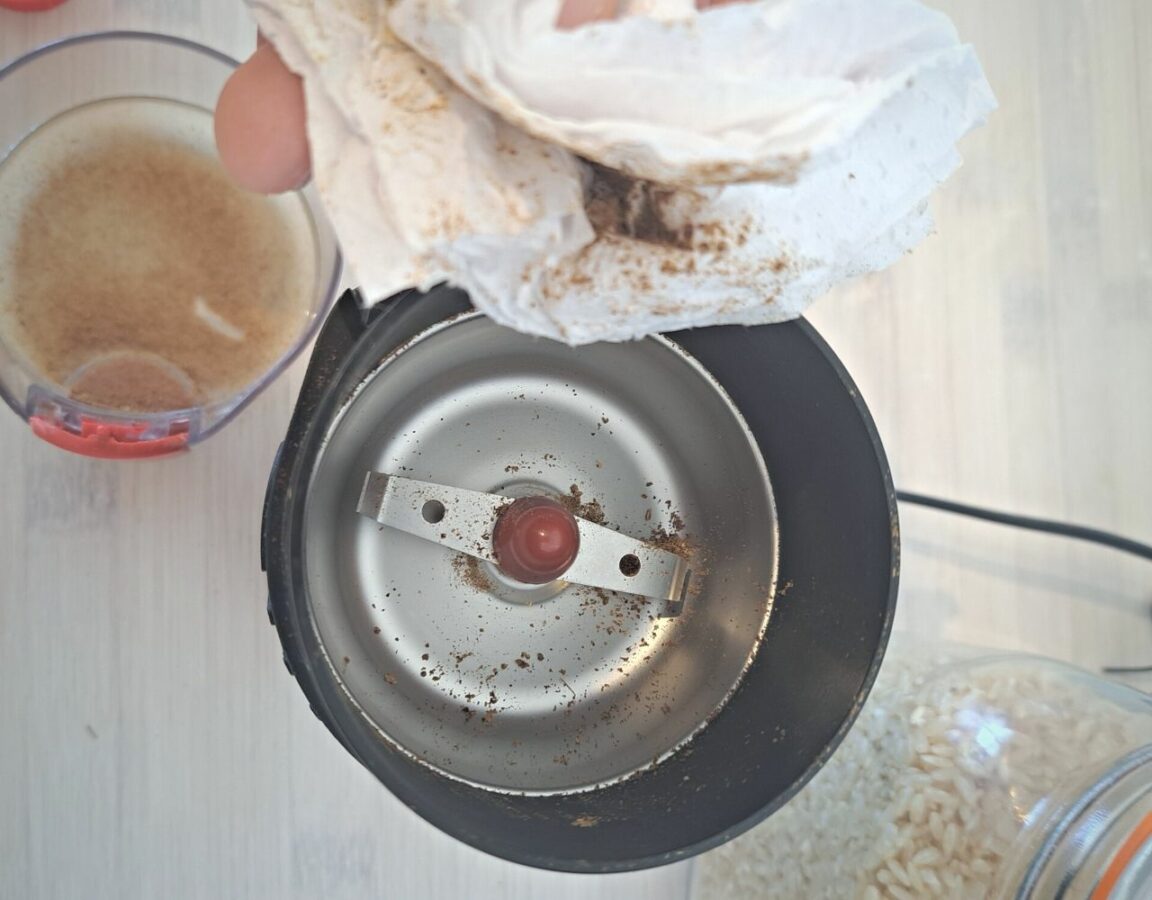
Turn the grinder upside down and shake it gently to remove loose grounds. Use your soft brush to sweep out coffee dust from the grind chamber, burrs, and hopper. A vacuum can help if there’s stubborn dust.
Many beginners miss the area under the burrs, where coffee dust collects. Cleaning here can improve grinding consistency.
3. Clean Removable Parts
Wash the hopper, grind chamber, and lid with warm water and mild dish soap. Avoid soaking parts with electrical contacts. Rinse well and dry with a towel.
For deeper cleaning, use a microfiber cloth to wipe the surfaces. Cotton swabs help with corners and crevices.
4. Clean Burrs Or Blades
If you can remove the burrs, use a brush to clean them. Don’t use water unless the manual says it’s safe. Most burrs are made of metal and can rust if wet. If burrs are fixed, brush and vacuum as best as you can.
For blade grinders, wipe blades with a dry cloth or brush. Avoid water unless blades are removable and fully dry before reassembly.
5. Clean The Motor Base
Never use water on the motor base. Wipe it with a dry microfiber cloth. If there’s coffee dust in the vents, use compressed air or a vacuum.
Check for oil buildup or sticky residue. If needed, use a slightly damp cloth, but avoid letting moisture enter the motor.
6. Use Grinder Cleaning Tablets (optional)
Grinder cleaning tablets are designed to remove oils and coffee residues. Follow package instructions: usually, you grind the tablets just like coffee beans, then discard the powder and wipe the chamber clean.
Many people skip tablets, but they help remove stubborn buildup and keep your grinder fresh.
7. Reassemble And Test
After all parts are dry, reassemble your grinder. Plug it in and run a small batch of beans to check performance. If the grinder is noisy or slow, recheck for missed spots.
Grinding a handful of beans after cleaning also removes any cleaning taste from the chamber.

Credit: www.youtube.com
Deep Cleaning Vs. Quick Cleaning
Not every cleaning session needs to be deep. Quick cleaning is good for daily or weekly maintenance. Deep cleaning is needed monthly or after grinding oily beans.
Quick Cleaning
- Empty the hopper and chamber after each use.
- Brush or wipe out loose coffee dust.
- Wipe exterior with a cloth.
Deep Cleaning
- Disassemble all removable parts.
- Wash and dry parts.
- Clean burrs or blades thoroughly.
- Use cleaning tablets if needed.
- Wipe the motor base and vents.
Here’s a comparison:
| Type | Frequency | Time Needed | Tools |
|---|---|---|---|
| Quick Cleaning | Daily/Weekly | 5 minutes | Brush, cloth |
| Deep Cleaning | Monthly | 20–30 minutes | Brush, cloth, soap, tablets, vacuum |
Doing quick cleans often means you need deep cleans less frequently.
How Often Should You Clean Your Bodum Coffee Grinder?
How often you clean depends on how much you use your grinder and the type of beans you grind.
- Daily use: Quick clean every day, deep clean every 2–4 weeks.
- Weekly use: Quick clean after every use, deep clean every 4–6 weeks.
- Oily beans: Clean more often, as oils can build up quickly.
- Light use: Deep clean every 2 months.
If your coffee tastes off, or you notice slower grinding, clean right away.
Many people forget to clean after grinding flavored or oily beans. These leave more residue and can cause bad flavors.
Common Mistakes When Cleaning
Cleaning seems easy, but many people make mistakes that can damage their grinder or affect coffee taste.
1. Using Water On Motor Base
Never use water on the motor. Moisture can cause electrical problems or rust.
2. Not Drying Parts Completely
Wet parts can cause mold or rust. Always dry parts thoroughly before reassembly.
3. Using Harsh Cleaners
Bleach or strong chemicals can leave residue and bad tastes. Use only mild soap.
4. Forgetting To Clean Burrs Or Blades
Coffee oils stick to burrs and blades. Missing these can lead to bitter coffee.
5. Skipping Cleaning After Oily Beans
Dark roasts and flavored beans leave more oil. Clean right after grinding these.
6. Not Checking Under Burrs
Coffee dust collects under burrs. Missing this area can slow grinding.
Avoid these mistakes for better coffee and a longer-lasting grinder.
Practical Tips For Cleaner, Better Coffee
Cleaning is about more than just removing dust. Here are some expert tips for a cleaner grinder and tastier coffee:
- Grind only what you need: Grinding extra beans leaves more residue and waste.
- Store beans dry: Damp beans add moisture and can cause mold.
- Use a soft brush: Hard brushes can scratch burrs or chambers.
- Avoid flavored beans: They leave more oils and stickier residue.
- Check for wear: Burrs and blades get dull over time. Inspect them during cleaning.
- Clean before storage: If you won’t use your grinder for a while, deep clean first.
Many beginners don’t realize that cleaning can affect grind consistency. Cleaner burrs mean more even grinds and better extraction.
Troubleshooting: When Cleaning Isn’t Enough
Sometimes, cleaning doesn’t solve all problems. Here’s what to check:
Grinder Still Noisy Or Slow
- Check for worn burrs/blades: Dull parts slow grinding.
- Look for stuck beans: Beans can jam the mechanism.
- Inspect motor vents: Dust can block air flow.
Coffee Tastes Bad
- Check for leftover residue: Old coffee oils can spoil flavor.
- Inspect for mold: Mold is rare but possible in humid areas.
Grinder Doesn’t Start
- Check electrical contacts: Water or dust can block contacts.
- Look for loose parts: Improper reassembly can stop the grinder.
If problems persist, contact Bodum support or a repair technician.
Cleaning For Longevity: Extending Your Grinder’s Life
A well-maintained grinder lasts years longer than a neglected one. Cleaning prevents breakdowns and keeps performance strong.
How Cleaning Extends Life
- Removes dust and debris: Prevents motor strain.
- Prevents oil buildup: Stops parts from sticking.
- Reduces mold risk: Keeps grinder safe and hygienic.
Regular cleaning also lets you spot wear early. Burrs or blades can be replaced before they cause problems.
Many people only clean when the grinder fails, but cleaning before trouble starts is smarter.
Credit: thegreenpods.co.nz
Cleaning Other Bodum Coffee Gear
If you own other Bodum coffee tools, like French presses or pour-over sets, cleaning them regularly is just as important. Coffee oils and residues can affect flavor across all your equipment.
Tips for cleaning Bodum French presses and pour-over sets:
- Wash glass and metal parts with mild soap and warm water.
- Remove plunger and filter for separate cleaning.
- Dry all parts before storage.
Keeping your whole coffee setup clean ensures the best flavor.
Environmental Impact: Cleaning Responsibly
Cleaning your grinder can be done with care for the environment. Here are some ways to reduce impact:
- Use biodegradable soap instead of harsh chemicals.
- Dry parts with reusable towels.
- Avoid single-use cleaning wipes.
- Dispose of used coffee grounds in compost.
Even simple changes like using less water or air-drying parts help reduce waste.
When To Replace Burrs Or Blades
Cleaning keeps your grinder fresh, but burrs and blades wear out over time. Most Bodum burrs last 2–3 years with regular use. Blades may need replacement sooner.
Signs you need new burrs or blades:
- Coffee grinds unevenly
- Grinder is noisy
- Coffee tastes weak
Check your manual for replacement instructions or contact Bodum for parts.
Detailed Example: Monthly Cleaning Routine
To make cleaning easier, here’s a simple monthly routine:
- Unplug grinder and remove all parts.
- Brush out dust and old coffee from chambers and burrs.
- Wash hopper, grind chamber, and lid with mild soap.
- Dry parts completely.
- Use cleaning tablets for deep cleaning.
- Wipe motor base and vents.
- Inspect burrs/blades for wear.
- Reassemble and test.
Following this routine keeps your grinder in top shape and improves coffee quality.
Data: Coffee Grinder Maintenance And Performance
Studies show that regular cleaning improves grinder performance and coffee flavor. According to a survey from Coffee Review, 70% of users who clean their grinders monthly report better-tasting coffee and fewer breakdowns.
Grinding consistency also improves. Clean burrs produce more uniform grounds, leading to better extraction and less waste.
Here’s a summary:
| Cleaning Frequency | Reported Coffee Quality | Grinder Lifespan |
|---|---|---|
| Monthly | Excellent | 3–5 years |
| Quarterly | Good | 2–3 years |
| Rarely | Poor | 1–2 years |
Cleaning isn’t just about hygiene—it’s about getting the most from your grinder.
Cleaning Bodum Grinder: Non-obvious Insights
Many guides skip key details. Here are two insights beginners often miss:
- Static buildup: Coffee dust can stick to plastic parts due to static. Wiping with a slightly damp cloth reduces static and makes cleaning easier.
- Burr alignment: If you remove burrs, make sure to align them properly during reassembly. Misaligned burrs cause uneven grinds and damage.
These tips improve cleaning and grinder performance.
Credit: www.bodum.com
External Resource
For more information on coffee grinder care, see this detailed guide from Home Grounds.
Frequently Asked Questions
How Do I Clean The Burrs On A Bodum Grinder?
Remove the burrs if possible. Use a soft brush to sweep away coffee dust and oils. Avoid water unless your manual says it’s safe. If burrs are fixed, brush thoroughly and use a vacuum for stubborn dust.
Can I Use Water To Clean My Bodum Grinder?
You can use water on removable parts like the hopper and grind chamber, but never on the motor base or electrical components. Always dry parts fully before reassembling.
How Often Should I Deep Clean My Bodum Coffee Grinder?
Deep clean every 2–4 weeks if you use your grinder daily. If you grind oily or flavored beans, clean more often. Light users can deep clean every 2 months.
What Should I Do If My Grinder Smells Bad?
Clean all parts thoroughly, especially burrs or blades. Use cleaning tablets to remove odors. If the smell persists, check for mold or oil buildup.
Can Cleaning Improve Coffee Taste?
Yes. Cleaning removes old coffee oils and dust that can spoil flavor. Regular cleaning leads to fresher, better-tasting coffee.
A clean Bodum coffee grinder is the key to great coffee and a longer-lasting machine. By following these steps and tips, you’ll enjoy better flavor, easier grinding, and peace of mind knowing your grinder is well cared for. Remember, a little cleaning goes a long way—don’t wait until problems appear.
Make cleaning part of your coffee routine and enjoy every cup to the fullest.