
Owning a Cuisinart Dual Coffee Maker brings the joy of brewing both single cups and full carafes at home. But over time, you may notice your coffee tastes a bit off, or the machine doesn’t run as smoothly as before. This usually means it’s time for descaling. Minerals like calcium and magnesium build up inside your coffee maker, slowing water flow and changing the taste. Descaling isn’t just about flavor—it helps your machine last longer and work better.
Many coffee lovers skip or rush this process, not realizing how much it matters. If you want to enjoy the rich flavor and aroma your Cuisinart promises, learning to descale it properly is essential. This guide will walk you through every step, from gathering supplies to troubleshooting problems.
Whether you’re a new owner or a seasoned user, you’ll find practical advice, clear steps, and tips that most people miss. Let’s get your coffee maker back in top shape—and keep every cup tasting its best.
Why Descaling Matters For Your Cuisinart Dual Coffee Maker
Descaling removes mineral buildup from inside your coffee maker. When you brew with tap water, minerals like calcium and magnesium settle inside the machine’s pipes and heating elements. Over time, these deposits can:
- Slow down water flow
- Cause uneven brewing
- Create strange tastes or odors
- Trigger error lights or malfunctions
Even if you use filtered water, some minerals still get through. Without regular descaling, your coffee maker works harder, which can lead to damage or shorter lifespan.
Not Just About Taste
A common mistake is thinking descaling only improves flavor. In reality, it protects:
- The heating element (so water reaches the right temperature)
- Internal valves and tubes (so water flows freely)
- Sensors (so you don’t get false error messages)
Skipping descaling means your machine might break down sooner, costing you time and money.
How Often Should You Descale?
Manufacturers recommend descaling every 2-3 months, but it depends on how often you brew and your water’s hardness. If you use hard water, descale monthly. If you notice slower brewing or a “clean” light, don’t wait—descend right away.
Supplies You Need Before You Start
Gathering the right supplies makes the descaling process much smoother. Here’s what you’ll need:
- Descaling solution: You can use a store-bought product (like Cuisinart’s solution) or make your own with white vinegar.
- Fresh water: For rinsing the machine after descaling.
- Large container or mug: To catch water as it cycles through.
- Soft cloth or sponge: For wiping down surfaces.
- Paper towels: For spills and drying.
- Measuring cup: To get the correct solution ratio.
Homemade Vs. Store-bought Descaler
Both types work, but there are a few differences.
| Type | Pros | Cons |
|---|---|---|
| Store-bought | Easy to use, safe for all parts, no smell | More expensive, must be bought in advance |
| White vinegar | Cheap, always available, effective | Strong smell, may need extra rinsing |
If you’re sensitive to smells or want a quick, no-mess option, use a commercial descaler. If you want to save money, vinegar works well but requires more rinsing.

Credit: www.bobvila.com
Step-by-step Guide To Descale A Cuisinart Dual Coffee Maker
Let’s get hands-on. These steps work for most Cuisinart dual models (like SS-15, SS-20, and similar). Always check your manual for model-specific instructions.
1. Turn Off And Prepare The Machine
- Unplug the coffee maker and let it cool down if you’ve just brewed.
- Remove any used coffee pods, filters, or ground coffee from both sides.
- Empty the carafe and single-serve cup holder.
2. Mix The Descaling Solution
If using commercial descaler:
- Follow the instructions on the bottle (usually mixing with water).
If using white vinegar:
- Mix equal parts white vinegar and water. For most machines, use 3 cups vinegar + 3 cups water.
Pour the solution into the water reservoir on the side you want to descale (carafe or single-serve).
3. Start The Descaling Cycle
- Place the empty carafe (or a large mug) under the brew spout.
- Plug in the machine and turn it on.
- For the carafe side: Select the largest brew size and start a brew cycle. Let it run until half the solution is gone.
- For the single-serve side: Brew without a K-cup, using the largest cup size. Repeat until half the solution is gone.
Pause the process: After half the solution is brewed, turn off the machine and let it sit for 30 minutes. This lets the solution break down stubborn minerals inside.
4. Finish The Descaling Cycle
- Turn the machine back on.
- Run the rest of the solution through as before (carafe or single-serve side).
- Discard the used solution from the carafe or mug.
5. Rinse Thoroughly
- Fill the reservoir with fresh water (no vinegar or descaler).
- Run at least 2-3 full cycles with just water, both for the carafe and single-serve side.
- Discard rinse water each time.
Tip: If you still smell vinegar, run extra rinse cycles until the smell is gone.
6. Clean Removable Parts
While the final rinse is running, wash the carafe, filter basket, and pod holder with warm soapy water. Wipe down the exterior and drip tray.
7. Reset The Clean Light (if Needed)
Some Cuisinart models have a “clean” light that stays on after descaling. To reset it:
- Hold the “clean” or “brew” button (check your manual) for 5-10 seconds until the light turns off.
Special Tips For Dual Models
Dual coffee makers have two separate brewing systems. Here’s what most people miss:
- Descale both sides separately: The carafe and single-serve each need their own cycles.
- Don’t mix up filters or parts: Make sure you remove all K-cups, ground coffee, and filters before starting.
- Check both reservoirs: Some models share a water reservoir, others have separate ones. Always double-check before adding solution.
Signs Your Cuisinart Needs Descaling
If you’re not sure when to descale, watch for these warning signs:
- Coffee tastes sour or bitter even with fresh beans
- Brewing takes longer than usual
- The “clean” light comes on (if your model has one)
- Unusual noises during brewing
- Less steam or weaker coffee
- White flakes in the carafe or cup
Ignoring these can damage the machine or ruin your coffee’s flavor.
Mistakes To Avoid When Descaling
Even experienced users make errors during descaling. Here are key mistakes to avoid:
- Skipping the rinse cycles: Leftover descaler or vinegar can make your next cup taste bad.
- Using harsh chemicals: Only use recommended solutions—never bleach or industrial cleaners.
- Forgetting to remove coffee grounds/pods: This can clog the system and waste your supplies.
- Ignoring the “clean” light: If it stays on, double-check you finished the full descaling cycle.
- Descaling too often or too rarely: Both can harm your machine—stick to the right schedule for your water type.
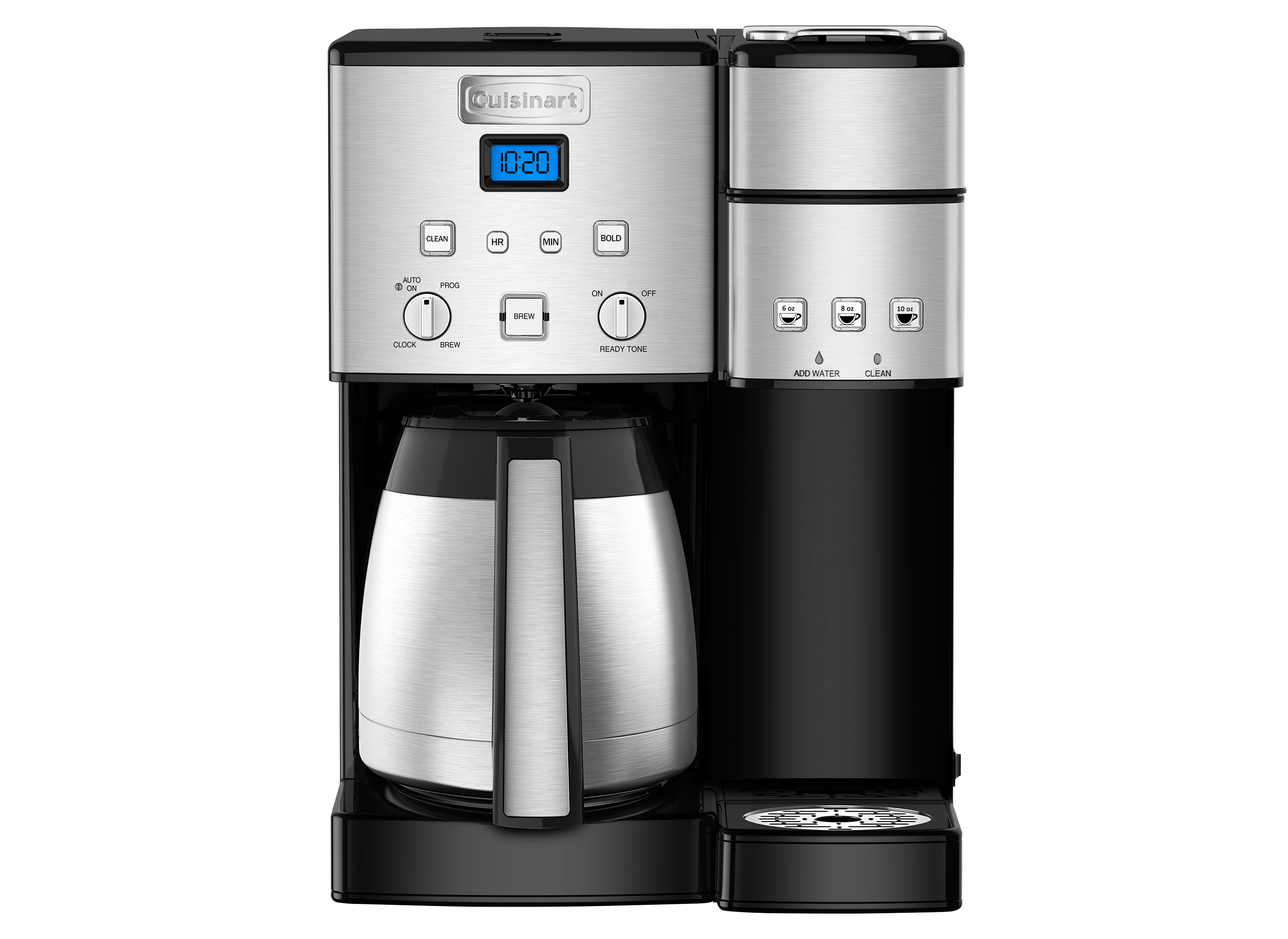
Credit: www.consumerreports.org
How Descaling Compares To Regular Cleaning
Many people think wiping the outside or washing the carafe is enough. Descaling is different from daily cleaning.
| Cleaning | Descaling |
|---|---|
| Removes coffee oils and stains | Removes mineral deposits inside |
| Done daily or weekly | Done every 1-3 months |
| Soap, water, soft cloth | Special solution or vinegar |
| For carafe, filter basket, exterior | For internal pipes, heating element |
Skipping either step can cause problems. Regular cleaning keeps your coffee fresh; descaling keeps your machine running well.
How Water Hardness Affects Descaling
Hard water contains more minerals, so it causes faster buildup. If you live in an area with hard water, you may need to descale every month.
How do you know your water is hard? Look for:
- White spots on dishes after washing
- Soap doesn’t lather well
- Check your city’s water report online
You can also buy water hardness test strips for a few dollars. Adjust your descaling schedule based on your results.
Using Filtered Or Bottled Water: Does It Help?
Some people switch to filtered water hoping to avoid descaling. While it reduces buildup, it doesn’t eliminate it. Even filtered or bottled water has some minerals.
- You can descale less often if using filtered water, but don’t skip it completely.
- If you switch water sources, watch for changes in brewing time or taste.
Troubleshooting Problems After Descaling
Sometimes, new issues appear after descaling. Here’s how to fix common problems:
1. Machine Won’t Brew After Descaling
- Make sure all parts are back in place (carafe, filter basket, pod holder).
- Check that the water reservoir is seated correctly.
- Unplug for 10 minutes to reset the electronics.
2. Vinegar Smell Won’t Go Away
- Run extra rinse cycles with fresh water.
- Leave the lid open to air out the machine overnight.
3. “clean” Light Won’t Turn Off
- Repeat the descaling cycle, making sure to use the full amount of solution.
- Hold the “clean” button down for a full 10 seconds.
4. Leaks Or Spills
- Check if the reservoir or carafe is positioned correctly.
- Make sure you haven’t overfilled the reservoir.
5. Machine Is Louder Than Before
- This usually means some scale remains. Repeat the descaling with a stronger solution.
Extending The Life Of Your Cuisinart Dual Coffee Maker
Descaling is just one part of maintaining your machine. For best results:
- Clean removable parts weekly: Wash the carafe, basket, and pod holder.
- Wipe the exterior daily: This prevents grime buildup.
- Change water filters: If your model uses a charcoal filter, replace it every 2 months.
- Don’t leave water sitting overnight: Empty the reservoir if you won’t use the machine for a while.
- Store with the lid open: This helps prevent mold and odors.
Environmentally Friendly Descaling Options
If you prefer eco-friendly solutions, white vinegar is biodegradable and safe for most machines. Some commercial descalers are plant-based and non-toxic. Always rinse well to avoid taste issues.
If you have a septic system, check the label on your descaler to make sure it’s safe.
When To Call For Service
If your coffee maker still has problems after descaling, it might need professional service. Contact Cuisinart support if:
- The “clean” light stays on after multiple cycles
- Water leaks from underneath
- The machine won’t turn on
Don’t try to take the machine apart yourself—this can void your warranty.
A Quick Comparison: Vinegar Vs. Cuisinart Descaling Solution
Many users wonder if they should use vinegar or the official solution. Here’s a quick side-by-side.
| Feature | Vinegar | Cuisinart Solution |
|---|---|---|
| Cost | Very low | Moderate |
| Availability | At any grocery store | Order online or specialty stores |
| Odor | Strong vinegar smell | Little to no smell |
| Effectiveness | Good | Excellent |
| Rinse cycles needed | 3-4 | 2-3 |
Both are safe if used correctly. If odor bothers you, the official solution is worth the extra cost.

Credit: www.youtube.com
Real-world Example: Descaling In Action
Let’s say you have a Cuisinart SS-15 that hasn’t been descaled in six months. You notice the single-serve side takes longer to brew, and the coffee tastes flat.
- You mix 3 cups of vinegar with 3 cups water and pour into the reservoir.
- Run two large “brew” cycles with no K-cup, catching the liquid in a big mug.
- Let the machine sit for 30 minutes.
- Brew again until the reservoir is empty.
- Rinse with three full tanks of plain water.
- Wash the carafe and pod holder.
After this, the next cup tastes fresh, and the brewing speed returns to normal.
Non-obvious Insights Most Users Miss
- Letting the solution sit is crucial: Many people rush and skip the “soak” step. Letting the descaler sit inside the machine for 20-30 minutes is what really breaks up tough mineral buildup.
- Descale both sides separately: Dual models need you to run the process for both the carafe and single-serve sides. Skipping one side leads to uneven performance.
- Rinse until smell is gone: Even a faint vinegar or chemical smell can ruin your coffee. Don’t stop rinsing until water runs clear and odor-free.
- Check for hidden buildup: The pod holder and filter basket can also trap minerals. Soak these in vinegar if you see white flakes.
- Monitor water temperature: If your coffee isn’t as hot as before, mineral deposits may be blocking the heater. Descaling often solves this.
Frequently Asked Questions
How Do I Know If Descaling Is Working?
After a proper descaling, you’ll notice your coffee maker brews faster, the coffee tastes better, and any “clean” light turns off. If brewing is still slow or you see error lights, repeat the process.
Is It Safe To Use Vinegar To Descale My Cuisinart Dual Coffee Maker?
Yes, white vinegar is safe for most models and very effective. Use equal parts vinegar and water. Always rinse several times after to remove any smell. If unsure, check your user manual for model-specific advice.
Can I Use Lemon Juice Instead Of Vinegar For Descaling?
Lemon juice has some descaling power but is less effective than vinegar or commercial solutions. It may also leave a sticky residue. For best results, stick with vinegar or the official Cuisinart solution.
What Happens If I Never Descale My Coffee Maker?
Minerals will build up inside, causing slow brewing, poor taste, and eventually machine failure. Skipping descaling can also void your warranty. It’s an essential part of coffee maker care.
Where Can I Find The Official Cuisinart Descaling Solution?
You can buy the official solution from the Cuisinart website or major retailers. For more information, visit the Cuisinart Customer Care page.
Keeping your Cuisinart Dual Coffee Maker in top condition isn’t hard, but it does take attention to detail. Regular descaling ensures every cup tastes just right and helps your machine last for years. A little effort now means better mornings ahead—one fresh cup at a time.