
Calibrating your Frigidaire oven can make a real difference in your cooking results. If you notice your cakes are undercooked or your roast turns out dry, your oven’s temperature may not match what you set. Oven calibration is about adjusting the temperature so that what you set and what you get are the same.
This might sound technical, but with a careful approach and a bit of patience, anyone can do it—even if you don’t have much experience with home appliances.
Many people trust their oven’s display, but in reality, ovens can run hot or cold by as much as 15–25 degrees Fahrenheit. This can happen due to age, frequent use, or even the way the oven was installed. If your Frigidaire oven isn’t cooking food as expected, calibration is often the solution.
In this guide, you’ll learn how to check if your oven needs calibration, how to adjust it, and what to do if things still aren’t right. We’ll also cover mistakes beginners often make, and offer tips to keep your oven working at its best.
Why Oven Calibration Matters
Perfectly cooked food depends on accurate temperature. Even a small difference can mean burnt edges or raw centers. Calibration helps you:
- Achieve consistent cooking results
- Follow recipes more accurately
- Save energy by avoiding overcooking
- Extend the life of your oven
If you’ve had issues like uneven baking or undercooked meals, calibration may fix the problem without expensive repairs.
Signs Your Frigidaire Oven Needs Calibration
Before you start, look for signs your oven may be off:
- Food cooks unevenly – Some parts are burnt, others are raw.
- Recipes never turn out as expected – Even with trusted recipes, results are wrong.
- Pre-packaged food instructions fail – Frozen foods take longer or cook too fast.
- Oven thermometer reading is off – If you use a thermometer, it doesn’t match the set temp.
- Baked goods rise or brown poorly – Cakes don’t rise, cookies are too pale or too dark.
If you notice one or more of these, calibration is likely needed.

Credit: www.youtube.com
Tools And Supplies Needed
You don’t need fancy equipment, but having the right tools makes the job easier:
- Oven thermometer – Must be oven-safe and accurate. Digital is best.
- Pen and paper – For recording results.
- User manual – For your specific Frigidaire oven model.
- Timer or phone – To track time.
- Heat-resistant gloves – For safety.
- Screwdriver (if you need to access manual controls).
A note about oven thermometers: Not all are equal. Cheap ones can be inaccurate. If possible, use one that’s rated well by users or recommended by cooking professionals.
Understanding How Frigidaire Oven Calibration Works
Frigidaire ovens can be calibrated in two main ways:
- Electronic calibration (most newer models) – Adjust temperature using the oven’s control panel.
- Manual calibration (older or basic models) – Adjust a screw or dial behind the temperature knob.
Both methods adjust the “offset”—the difference between the displayed temperature and the actual temperature inside the oven. Calibration doesn’t fix heating elements or major mechanical problems. It fine-tunes the temperature reading to match reality.
Not sure which method your oven uses? Check the user manual, or look for a model number sticker (usually inside the oven door).
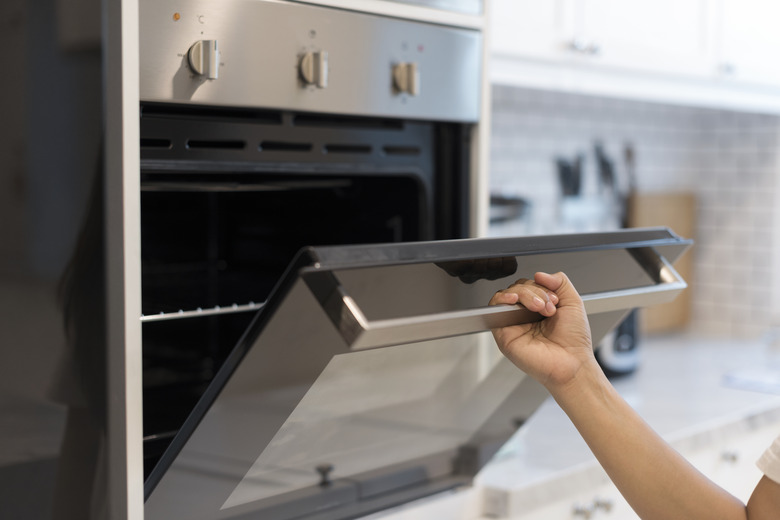
Credit: www.hunker.com
Step-by-step: How To Calibrate A Frigidaire Oven
Let’s walk through the full process. Take your time with each step for the best results.
1. Measure Your Oven’s Actual Temperature
First, you need to know how far off your oven is from the temperature you set.
- Place the oven thermometer in the center of the middle rack. This is where most food cooks.
- Preheat your oven to 350°F (177°C). Wait until it signals that it’s ready.
- Let the oven cycle for 10–15 minutes more after preheating. Ovens fluctuate up and down—give it time to stabilize.
- Read the thermometer through the oven window if possible. If not, open the door quickly to minimize heat loss.
- Repeat the process two more times, letting the oven cool between tests. Write down the thermometer reading each time.
- Calculate the average temperature from your three readings.
Example:
- Set temp: 350°F
- Reading 1: 335°F
- Reading 2: 340°F
- Reading 3: 338°F
- Average: (335 + 340 + 338) / 3 = 337.6°F
In this case, your oven is about 12°F cooler than the set temperature.
Pro tip: Do this test on a calm day. Strong drafts or opening the oven door often can affect the reading.
2. Compare Actual Vs. Set Temperature
Now, subtract your average thermometer reading from your oven’s set temperature. The difference is your offset.
- If the oven is cooler than the set temp, you need to increase the calibration.
- If it’s hotter, you need to decrease the calibration.
Most Frigidaire ovens let you adjust in 5°F increments, up to ±35°F.
3. Calibrate Using The Control Panel (electronic Models)
If your oven has a digital control panel, follow these steps (check your manual for model-specific steps):
- Press and hold the BAKE button until the display shows the current offset (usually “0”).
- Use the arrow keys or “+” and “–” buttons to adjust. Each tap changes the offset by 5°F.
- Enter the offset needed (positive if your oven is too cool, negative if too hot).
- Press START or BAKE again to save the change.
Example: If your oven is 15°F cooler, set the offset to +15°F.
Some control panels use a different sequence (like pressing two buttons together). If unsure, check the manual or search for your model’s calibration instructions online.
4. Calibrate Manual Models
Some older or basic Frigidaire ovens have a knob for temperature. To calibrate:
- Remove the temperature knob (usually just pulls off, but check for screws).
- Look for a small screw or dial on the back of the knob. This adjusts the pointer.
- Turn the screw clockwise to increase temperature, counterclockwise to decrease.
- Reattach the knob and test the oven again.
A small turn (about 1/8 inch) usually changes the temp by 5°F. Go slowly and test after each adjustment.
5. Test Again After Calibration
Calibration isn’t finished until you test it. Repeat the thermometer test at 350°F, and also at a higher temp (like 400°F), to check for consistency.
If your oven is now within ±5°F of the set temperature, you’ve succeeded. If not, adjust again as needed.
Common Mistakes When Calibrating A Frigidaire Oven
Many people make these errors when calibrating:
- Using a poor-quality thermometer – This leads to incorrect adjustments.
- Not averaging multiple readings – Ovens cycle on/off, so a single reading isn’t enough.
- Ignoring hot/cold spots – Moving the thermometer around can show if the oven heats unevenly.
- Making large adjustments too quickly – Always adjust in small steps.
- Not retesting after changes – Calibration is a process, not a single step.
Non-obvious insight: If your oven is off by more than 35°F, calibration alone may not fix the problem. Heating elements, sensors, or the control board might need repair.
How Often Should You Calibrate?
Most ovens only need calibration every few years. But you should check if:
- You move to a new home (ovens can shift during moving)
- You change electrical or gas supply
- You notice changes in cooking results
- After major oven repairs
It’s also a good idea to check once a year, just to stay on track.
What To Do If Calibration Doesn’t Work
If you’ve calibrated carefully but still get poor results, consider these possibilities:
1. Faulty Temperature Sensor
Modern ovens use a temperature sensor (looks like a metal rod inside the oven). If it’s faulty, calibration won’t help. Sensors can drift over time, especially with frequent use.
2. Damaged Heating Elements
If food cooks unevenly (one side more than the other), the bake or broil element may be weak or broken. Look for visible damage or dark spots.
3. Control Board Issues
If the oven ignores your calibration or acts strangely, the electronic control board may be failing. These can sometimes be reset by unplugging the oven for 5 minutes, but often need professional repair.
4. Door Seal Leaks
A damaged oven door gasket lets heat escape, making the oven run cool. Check for cracks, tears, or gaps in the seal.
Example: A family baked three pizzas but noticed the cheese never browned. Calibration didn’t help. A technician found the door seal was torn, letting heat out.
How Oven Calibration Affects Different Types Of Cooking
Understanding the effect of calibration can help you get the best results for every meal.
Baking
Baking is sensitive to temperature. Cakes, bread, and cookies can fail with just a 10°F difference. Proper calibration means:
- Even rising
- Golden color
- Consistent texture
Roasting
Meat and vegetables need accurate temps for safety and taste. Too hot, and meat dries out; too cool, and it stays raw inside.
Broiling
Broiling requires high, direct heat. If your oven runs cool, food won’t brown or caramelize properly.
Prepackaged Foods
Frozen foods have cooking times set for standard oven temps. If your oven is off, you’ll need to guess and check, risking poor results.
Multi-rack Cooking
Calibrated ovens distribute heat more evenly. If you use multiple racks, calibration helps all trays cook the same.
Calibrating For Altitude And Special Environments
If you live at high altitude, water boils at a lower temperature and air pressure is lower. This affects baking and roasting. Calibration can help, but you may also need to adjust recipes (like adding extra time or moisture).
Non-obvious insight: Humid or very dry climates can also affect oven performance. Check calibration more often if you live in these areas.

Credit: www.ifixit.com
Comparison: Electronic Vs Manual Oven Calibration
Here’s a quick look at how the two main calibration methods compare:
| Feature | Electronic Calibration | Manual Calibration |
|---|---|---|
| Adjustment Method | Control panel buttons | Screw or dial on knob |
| Precision | 5°F increments | Approximate, depends on turn |
| Common Models | Newer Frigidaire ovens | Older/basic Frigidaire ovens |
| Ease of Use | Easy, clear display | Requires removing knob |
| Best For | Precise adjustments | Simple tweaks |
If you have a choice, electronic calibration is usually simpler and more accurate.
Example: Real-world Calibration Results
Let’s look at a sample calibration test for a Frigidaire oven:
| Set Temp | Thermometer Reading 1 | Thermometer Reading 2 | Thermometer Reading 3 | Average | Offset Needed |
|---|---|---|---|---|---|
| 350°F | 338°F | 341°F | 337°F | 338.7°F | +11°F |
| 400°F | 389°F | 393°F | 391°F | 391°F | +9°F |
After calibration, the difference between set and actual temperature should be less than 5°F.
How Frigidaire Ovens Compare To Other Brands
Frigidaire ovens are known for reliable calibration features, but how do they compare?
| Brand | Max Calibration Range | Adjustment Steps | Calibration Method |
|---|---|---|---|
| Frigidaire | ±35°F | 5°F | Electronic/Manual |
| GE | ±35°F | 5°F | Electronic/Manual |
| Whirlpool | ±30°F | 5°F | Electronic/Manual |
| Samsung | ±35°F | 5°F | Electronic |
Frigidaire offers a wide adjustment range, making it easy to fix even larger temperature offsets.
Maintenance Tips To Keep Your Oven Calibrated
Calibration isn’t a one-time fix. Good maintenance helps your oven stay accurate.
- Clean your oven regularly – Grease and food can block heat sensors.
- Check the door gasket – A tight seal keeps heat in.
- Avoid slamming the oven door – This can loosen sensors and cause calibration drift.
- Test your oven annually – A quick thermometer check can prevent surprises.
- Replace faulty parts promptly – Don’t ignore error codes or strange noises.
Practical tip: Even small crumbs can affect calibration if they block the sensor area. Wipe up spills as soon as the oven is cool.
Safety Precautions When Calibrating
Always put safety first:
- Never touch hot oven parts without gloves.
- Unplug the oven before removing knobs or panels.
- Keep children and pets away during calibration.
- Use a reliable, oven-safe thermometer.
If you’re not sure about any step, call a professional. Incorrect calibration can lead to uneven cooking or even a fire risk.
When To Call A Professional
Sometimes, DIY isn’t enough. Call an appliance technician if:
- You see error codes on the display
- Calibration doesn’t fix the temperature problem
- Heating elements don’t glow or heat up
- The control panel isn’t responding
- The oven smells like burning or makes odd noises
Experience-based advice: Many users spend hours adjusting calibration when the real issue is a failing sensor or heating element. If in doubt, get help.
Where To Find Official Information
Always use your oven’s model number to search for the official manual. Frigidaire’s official support site offers downloadable manuals and troubleshooting steps. You can also check the Frigidaire Owner Center for more information.
Frequently Asked Questions
How Do I Know If My Frigidaire Oven Is Correctly Calibrated?
The best way is to use a reliable oven thermometer. Set the oven to a common temperature like 350°F, let it preheat, and then check the thermometer. If the reading matches the set temperature within 5°F, your oven is well calibrated.
Can I Calibrate My Oven Without A Thermometer?
It’s not recommended. Guessing can make things worse. Oven thermometers are inexpensive and easy to use. If you don’t have one, it’s worth buying before you calibrate.
Why Does My Oven Still Cook Unevenly After Calibration?
Calibration adjusts the overall temperature, but won’t fix problems like damaged heating elements, bad sensors, or a broken oven fan. Also, placing pans too close to the sides or using dark cookware can cause uneven cooking.
How Much Can I Adjust The Temperature On A Frigidaire Oven?
Most Frigidaire ovens allow you to adjust by up to ±35°F in 5°F steps. This is more than enough for most calibration needs.
Will Calibration Work The Same For Gas And Electric Frigidaire Ovens?
Yes, the calibration process is similar for both gas and electric models. However, gas ovens may have more temperature swings, so it’s extra important to test and average multiple readings.
A well-calibrated oven is the secret to consistent, delicious meals. With the steps above, you can make sure your Frigidaire oven performs its best—saving you time, energy, and frustration in the kitchen. Remember, accurate temperature is the foundation of great cooking.
If you ever feel unsure, consult your manual or reach out for professional help. Your future meals will thank you for it!