
Changing blades on a Havalon knife is a common task for hunters, anglers, and outdoor enthusiasts. These knives are famous for their razor-sharp replaceable blades, which make field dressing or skinning much easier and safer. However, the process of removing a used blade and installing a new one can be intimidating, especially if you are new to Havalon knives or worried about safety. In this guide, you will learn exactly how to change blades on Havalon knives—step by step, with clear examples, practical safety tips, and answers to common questions. By the end, you’ll have the knowledge and confidence to handle your Havalon knife like a pro.
Understanding Havalon Knives And Their Replaceable Blade System
Havalon knives use a unique system. Instead of sharpening a dull blade, you simply remove it and snap on a new one. This feature is loved by professionals and hobbyists because it saves time, delivers consistent sharpness, and reduces the need for sharpening tools.
But not all Havalon knives are the same. They come in several models, each with its own blade style and release system.
Key Features Of Havalon Knives
- Replaceable blades: Most Havalon knives use surgical-style stainless steel blades.
- Interchangeable system: You can swap blades without complex tools.
- Safety lock: Many models have locking mechanisms to keep the blade stable.
- Compact design: Lightweight and easy to carry in the field.
The most popular models are the Havalon Piranta, Havalon Baracuta, and Havalon Talon. Each has a slightly different blade size and release method. Knowing your specific model will help you understand the exact steps for safe blade changes.
Why Blade Changing Matters
Changing blades is more than just a convenience. It directly affects performance, safety, and hygiene. Dull blades can slip or require more force, increasing the risk of injury. Fresh blades make clean cuts, especially important for field dressing game or filleting fish.
Also, using a new blade for each animal or job prevents the spread of bacteria and keeps your knife working at its best.
Experienced users often carry extra blades and change them often. Beginners sometimes try to “stretch” the blade’s life, but that usually leads to frustration and accidents. Get comfortable with the process—it’s a skill that pays off every time you use your knife.
What You Need Before Changing Blades
Before you begin, gather the right tools and prepare your work area. This will help prevent injuries and make the job smoother.
- Havalon knife: Make sure you know your model.
- Replacement blades: Use genuine Havalon blades for best results.
- Protective gloves: Cut-resistant gloves are highly recommended.
- Blade removal tool (optional): Some kits include a plastic removal tool.
- Clean, stable surface: Work at a table or bench, not on your lap.
- Blade disposal container: An old pill bottle or sharps container is best.
Never try to change blades with wet or slippery hands. Even professionals make mistakes when distracted or rushed.
Step-by-step Guide: How To Change Blades On Havalon Knives
Let’s break down the process into clear steps. The most common models are covered below.
Step 1: Prepare And Inspect
Wash your hands and put on protective gloves. Lay your knife, new blades, and disposal container on a clean surface. Inspect the knife for any damage, dirt, or debris around the blade holder.
Tip: Never force a blade if you see rust or sticky residue. Clean the holder first with a soft brush and alcohol.
Step 2: Safely Remove The Old Blade
Each Havalon knife has a slightly different release system. Here’s how to handle the most common ones:
Havalon Piranta Series
- Locate the blade release button on the side of the handle.
- Hold the knife firmly, pointing the blade away from your body.
- With your thumb, press the release button.
- While holding the button, use pliers (or the blade removal tool) to grip the dull blade at the spine (not the edge).
- Slide the blade forward and off the holder.
- Drop the old blade directly into your disposal container.
Havalon Baracuta Series
- Find the small release lever near the base of the blade.
- Push the lever to unlock the blade.
- Grip the blade with pliers, gently slide it off the holder.
Havalon Talon Series
- Press the release button or slide the locking collar, depending on the exact model.
- Remove the blade using pliers or the tool.
Common mistake: Never try to pull the blade off with your bare fingers. Even a dull Havalon blade can cut you badly. Use pliers or a removal tool.
Step 3: Install The New Blade
- Remove a new blade from its packaging. Hold it by the spine (the thick, non-sharp edge).
- Align the notches on the blade with the tabs on the knife’s holder.
- Slide the blade onto the holder until you hear or feel a “click.” This means it’s securely locked.
- Gently tug the blade to check if it’s locked in place.
Advanced tip: Some users lightly oil the blade holder with a drop of mineral oil, especially in humid environments. This prevents rust and makes future blade changes easier.
Step 4: Test And Clean
Open and close the knife a few times to be sure the blade is stable. Wipe off any fingerprints or oil. Dispose of packaging and old blades safely.
Safety check: Never use a Havalon knife if the blade feels loose or wobbly. Remove and reinstall it to make sure it’s locked.
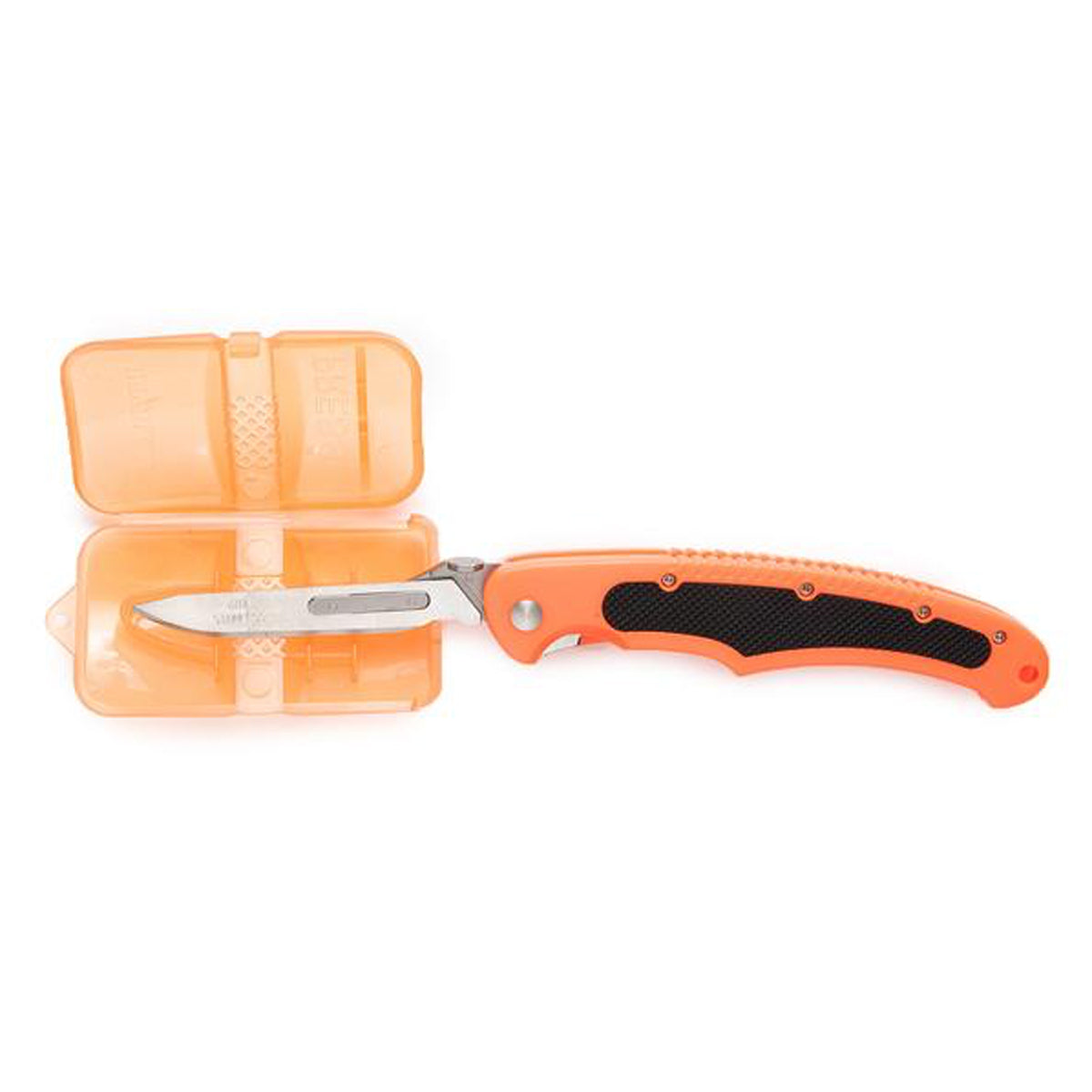
Credit: shop.gohunt.com
Comparing Havalon Models And Their Blade Change Methods
Not all Havalon knives work the same way. Here is a quick comparison of the most popular models and their blade changing mechanisms:
| Model | Blade Release Method | Blade Size | Best Use |
|---|---|---|---|
| Piranta | Side button | 2.75 inches | Game dressing, general outdoor use |
| Baracuta | Base lever | 4.375 inches | Filleting fish, large game |
| Talon | Collar/slide lock | Varies | Fishing, kitchen, field |
If you’re unsure which model you have, check the handle or look up your knife on the Havalon website. Using the wrong blade type or forcing a fit can damage both the blade and the holder.
Common Mistakes When Changing Havalon Blades
Many beginners make the same errors. Avoid these to keep your knife working safely and effectively.
- Using bare hands: The number one cause of injury is handling blades without protection.
- Not locking the blade: Failing to hear the “click” means the blade might come loose during use.
- Mixing blade models: Not all Havalon blades fit all knives.
- Improper disposal: Tossing old blades in regular trash can injure others.
- Skipping cleaning: Dirt or blood buildup can block the locking system.
Expert insight: If a blade ever feels stuck, don’t force it. Let the knife soak in warm, soapy water, then try again with pliers.
How Often Should You Change Blades?
There is no single answer, but here are some guidelines:
- After each big game animal: Most hunters swap blades after field dressing one deer or similar-sized animal.
- When dullness is felt: If the blade drags or tears instead of slicing, replace it.
- After tough jobs: Cutting through bone, cartilage, or thick hide quickly dulls the edge.
- For hygiene: Use a fresh blade for each animal or fish to avoid cross-contamination.
Some professionals change blades 5–10 times per day when working with large numbers of animals. For most hobbyists, a few blades per trip is enough.
Safety Tips For Changing Havalon Blades
Havalon knives are as sharp as scalpels. Treat every blade change with care.
- Always wear cut-resistant gloves.
- Use pliers or a removal tool to grip blades.
- Work on a stable surface.
- Never force a stuck blade—clean first.
- Dispose of used blades in a safe container.
- Keep children and pets away from your work area.
Practical tip: Carry a small first aid kit in your gear bag. Even careful users sometimes get small nicks.
Blade Disposal: Best Practices
Used blades are still dangerous. Never toss them loose in the trash. Here’s how to dispose of them safely:
- Use a sharps container (available at pharmacies).
- Repurpose a plastic pill bottle with a screw-on lid.
- Label the container clearly as “blades.”
- When full, seal and dispose of according to local laws.
Never burn or crush blades—they can shatter or cause injury. If you’re camping, always pack out your used blades.
Cleaning And Maintenance After Blade Changes
A little care extends the life of your Havalon knife.
- Wipe the handle and blade holder with alcohol after each use.
- Dry all parts thoroughly—moisture causes rust.
- Occasionally apply a drop of light oil to the moving parts.
- Store your knife in a dry, safe place.
Hidden insight: Many users forget that blood and fat can build up in the blade holder. Use a wooden toothpick or cotton swab to clean tight spaces.

Credit: www.youtube.com
When To Replace The Blade Holder Or Knife
Blade holders can wear out over time, especially with heavy use. Signs you need a new holder:
- The blade no longer locks securely.
- Visible cracks or bends in the metal.
- Rust that won’t clean off.
- Difficulty installing or removing blades.
If your knife has seen years of hard use, consider replacing the whole unit. This is safer and can improve performance.
Advanced Tips For Experienced Users
If you want to get the most out of your Havalon knife, consider these advanced strategies:
- Carry multiple blade types: Some models allow you to switch between skinning, fillet, and utility blades.
- Customize your grip: Add a piece of grip tape to the handle for better control during blade changes.
- Use a dedicated removal tool: Havalon sells small plastic tools that make blade changes faster and safer.
- Practice at home: Don’t wait until you’re in the field. Practice changing blades in a safe environment so you’re ready when it counts.
Comparing Havalon Blade Types
Havalon offers several blade shapes and sizes. Choosing the right one for your task makes a big difference.
| Blade Type | Best For | Compatible Models |
|---|---|---|
| 60A (standard) | General skinning, caping | Piranta Series |
| 70A (curved) | Precision cuts, fish | Piranta Series |
| Baracuta Blades | Filleting, large animals | Baracuta Series |
| Talon Blades | Multi-use, flexible | Talon Series |
Non-obvious tip: Some users mistakenly think all Havalon blades are interchangeable. Always check compatibility before buying spares.
Real-world Examples: When And Why To Change Blades
Let’s look at practical cases to help you understand when to swap blades:
- Field dressing a deer: As soon as you notice the knife dragging or making rough cuts, change the blade. Many hunters use one blade per animal.
- Filleting fish: Fish scales and bones dull blades quickly. Change as soon as you feel resistance.
- Caping for taxidermy: For delicate work, always use a fresh blade to avoid tearing or damaging the hide.
A dull blade is not just slow—it’s dangerous. Many seasoned hunters have stories of near-misses caused by trying to “push” a dull blade. Build the habit of changing blades often.
Troubleshooting: Problems During Blade Changes
Sometimes things don’t go smoothly. Here’s how to handle common issues:
- Blade won’t come off: Soak the knife in warm soapy water, then try pliers.
- New blade won’t lock: Check for debris in the holder. Clean and try again.
- Blade feels loose: Remove and reinstall. If still loose, the holder may be worn out.
- Difficulty aligning blade: Take your time. If the notch is damaged, use a new blade.
If you keep having problems, it might be time to contact Havalon support or check their official instructions.
How Havalon Compares To Other Replaceable Blade Knives
Havalon is not the only brand with replaceable blades, but it’s the most popular. Here’s a quick comparison with two other leading brands:
| Brand | Blade Change Method | Blade Availability | Unique Feature |
|---|---|---|---|
| Havalon | Button/lever/collar | Wide selection | Surgical sharpness |
| Outdoor Edge | Push-button | Good | Heavier, more robust |
| Gerber | Manual slide | Limited | Tool-free, sturdy design |
Havalon’s main advantage is blade sharpness and availability. However, some users prefer the feel of heavier knives, like those from Outdoor Edge.
Where To Buy Replacement Blades
Always buy genuine blades from authorized dealers or the official Havalon website. Knock-off blades can be poorly made and might not fit or perform safely. Prices vary, but a pack of 12–24 blades usually costs $10–20 USD.
Expert tip: Buy in bulk before hunting season. Blades are light and easy to carry in your pack.
For more details on models and blade types, visit the official Havalon website.
Frequently Asked Questions
How Do I Know Which Havalon Blade Fits My Knife?
Check your knife’s model name on the handle or packaging. Match it with the blade type recommended by Havalon. Never force a blade that does not align perfectly.
Is It Safe To Change Blades Without Gloves?
No. Havalon blades are extremely sharp. Always use cut-resistant gloves and pliers to minimize the risk of serious cuts.
How Should I Store Spare Blades?
Keep spare blades in their original packaging or a small plastic container. Store them in a dry, cool place away from children and pets.
Can I Sharpen Havalon Blades Instead Of Replacing Them?
Havalon blades are designed to be replaced, not sharpened. Their steel is very thin and difficult to sharpen well. Replacing is faster, safer, and ensures consistent sharpness.
What Should I Do If The Blade Holder Gets Damaged?
If the holder is bent, cracked, or will not lock blades securely, stop using the knife. Replace the holder or the entire knife to avoid accidents.
Changing blades on Havalon knives is a basic skill every user should master. With the right tools, safe habits, and regular practice, you can keep your knife working like new—no matter where your adventures take you.
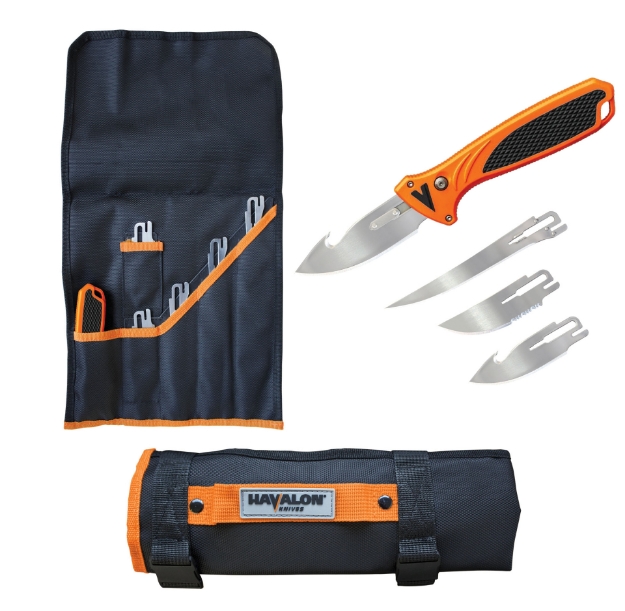
Credit: www.havalon.com