
Keeping your grill basket clean is not just about looks—it’s a key step for safer, tastier, and more enjoyable grilling. Whether you love crisp vegetables, juicy shrimp, or smoky wings, the grill basket helps cook small foods evenly without losing them between the grates.
But after a delicious barbecue, you often face a greasy, charred, and sometimes stubbornly dirty basket. Many people just give it a quick scrub, but this can leave behind burnt food, old grease, and bacteria. A properly cleaned grill basket lasts longer, cooks better, and saves you from unpleasant surprises at your next cookout.
Cleaning a grill basket might seem simple, but if you’ve ever faced a sticky, rusty, or blackened basket, you know it needs more than a quick rinse. There are right and wrong ways to clean, and not all baskets are made from the same material.
In this article, you’ll learn how to clean a grill basket from start to finish, including different cleaning methods, tips for tough messes, ways to prevent future build-up, and mistakes to avoid. Whether you’re a weekend griller or a barbecue enthusiast, these steps will help you keep your grill basket in top shape.
Why Cleaning Your Grill Basket Matters
A dirty grill basket is more than just unappetizing. Old grease and food particles can burn, creating smoke and bitter flavors that ruin your food. Over time, food residue can attract bacteria and even pests, making your next meal unsafe. Many people don’t realize that burnt-on residue can also damage the basket itself, shortening its life and making it harder to clean in the future.
A clean grill basket helps your food cook more evenly. It also reduces the risk of flare-ups caused by dripping grease. Plus, a sparkling basket looks better when serving guests and keeps your grill tools in good condition. Taking a few extra minutes to clean properly saves time and headaches later.
Types Of Grill Baskets And Their Cleaning Needs
Not all grill baskets are the same. The material and design affect how you should clean them.
Stainless Steel
Stainless steel grill baskets are popular because they resist rust and hold up well to high heat. They can usually handle scrubbing and strong cleaners, but harsh steel wool can scratch the finish over time.
Non-stick Coated
Non-stick baskets make cleaning easier, but the coating can wear off if you use metal brushes or strong abrasives. It’s important to use gentle tools and avoid harsh chemicals.
Cast Iron
Cast iron baskets are excellent for heat retention but need special care. They can rust if not dried and oiled after cleaning. You should never leave cast iron soaking in water.
Wire Mesh
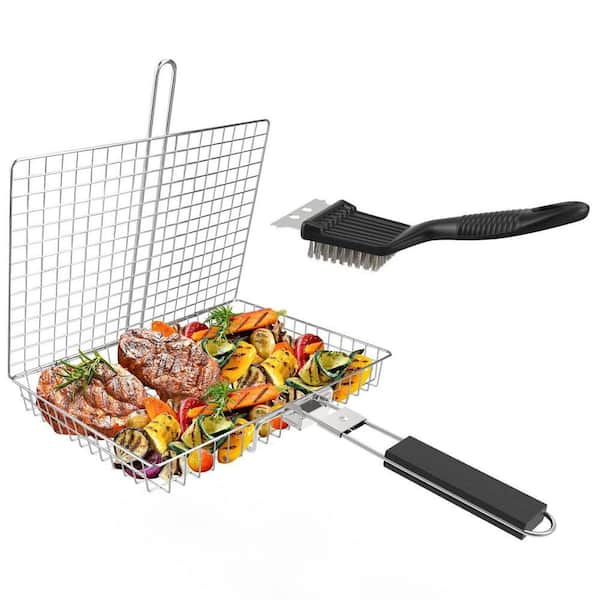
Some baskets use a wire mesh design. These can trap food bits in tiny holes, making them harder to clean. A brush with strong bristles or a soak can help, but avoid bending the mesh.
Understanding your basket’s material is the first step to choosing the right cleaning method.

Credit: www.amazon.com
What You’ll Need For Cleaning
Gathering the right tools and cleaners makes the job faster and easier. Here’s a list of common items:
- Grill brush (nylon or brass bristles for delicate surfaces)
- Sponge or scouring pad
- Mild dish soap
- Baking soda
- White vinegar
- Paper towels or clean cloth
- Rubber gloves (for strong cleaners)
- Bucket or sink for soaking
- Vegetable oil (for cast iron)
- Toothpick or small brush (for mesh baskets)
Some grillers also use commercial degreasers or special grill cleaners. These can be effective but check if they’re safe for your basket’s material.
Step-by-step: How To Clean Grill Basket After Each Use
Cleaning your basket right after grilling is easiest, while food is still soft and grease hasn’t hardened.
1. Let The Basket Cool Slightly
Wait until it’s safe to handle, but don’t let it dry out completely. Warm residue is easier to remove.
2. Remove Loose Food
Shake the basket over a trash can or compost bin to get rid of big pieces.
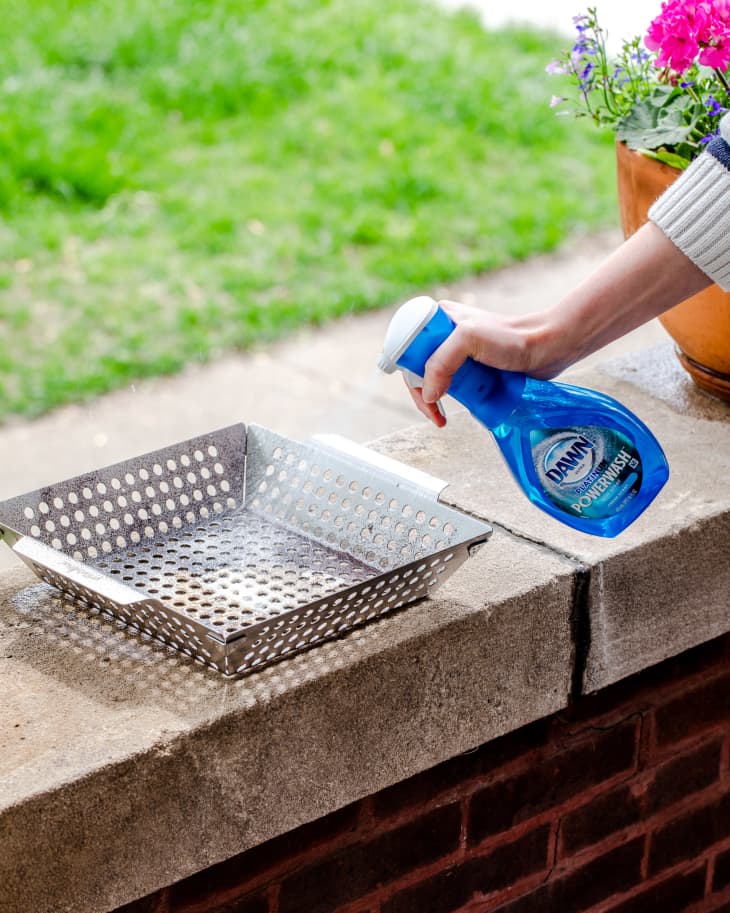
3. Soak In Hot Soapy Water
Fill a sink or bucket with hot water and a squirt of mild dish soap. Let the basket soak for 10–20 minutes. This loosens stuck-on bits.
4. Scrub With The Right Tool
Use a nylon or brass grill brush for stainless steel, or a sponge for non-stick. Scrub all surfaces, including corners and handles. For mesh baskets, use a small brush to get inside holes.
5. Rinse Thoroughly
Wash off all soap and loosened grease with hot water.
6. Dry Completely
Wipe with a clean cloth or air dry. For cast iron, heat it briefly on the grill or stove to evaporate moisture.
7. Oil If Needed
If you have a cast iron basket, rub a thin layer of vegetable oil to prevent rust.
This routine keeps your basket clean and ready for the next meal.
Tackling Stubborn, Burnt-on Residue
Sometimes, regular washing isn’t enough. Burnt cheese, caramelized sauces, or old grease can stick to the surface. Here’s how to handle tough messes:
Baking Soda Paste
Mix baking soda with a little water to create a thick paste. Spread it over the burnt areas and let it sit for 30 minutes. Scrub with a brush or scouring pad. Baking soda’s mild abrasiveness helps lift off char without scratching most surfaces.
Vinegar Soak
Pour white vinegar into a container and soak the basket for an hour. The acid breaks down stubborn grease. Rinse well and scrub again.
High-heat Burn-off
Place the empty basket back on a hot grill for 10–15 minutes. The heat will burn off food residue, turning it to ash. After it cools, brush away the ash with a stiff brush. Do not use this method for non-stick or coated baskets, as it can damage the finish.
Commercial Cleaners
Some grill-specific cleaners can dissolve burnt residue. Always read the label and test on a small area first. Avoid products with bleach or ammonia on coated or delicate baskets.
Pro tip: For really tough spots, use a toothpick or wooden skewer to gently lift out bits stuck in mesh holes.
Cleaning Between Uses: Deep Cleaning Steps
A deep clean every few uses keeps your basket in peak condition and prevents buildup that regular washing misses.
1. Disassemble If Possible
If your basket has removable handles or parts, take them off for a more thorough clean.
2. Soak Overnight
For heavy buildup, soak the basket overnight in a mix of hot water, dish soap, and a cup of vinegar or baking soda.
3. Scrub In All Directions
Use a brush to scrub not just side-to-side, but also up-and-down and around corners.
4. Pay Extra Attention To Joints And Hinges
Food often hides in these spots. Use a small brush or an old toothbrush.
5. Rinse And Dry
Rinse thoroughly to remove all cleaner, then dry completely to avoid rust.
6. Inspect For Damage
Check for loose wires, broken mesh, or rust spots. Address these before the next use.
Deep cleaning extends your basket’s life and makes regular cleaning faster.
Preventing Build-up And Future Mess
A little preparation before grilling makes cleaning much easier later.
Preheat And Oil
Always preheat your basket on the grill for a few minutes. This helps burn off old residue. Then, lightly oil the surface (use a paper towel and tongs) to keep food from sticking.
Use Nonstick Spray
For non-stick baskets, a thin layer of nonstick spray before adding food helps prevent tough messes. Avoid over-spraying, as too much oil can burn and leave sticky spots.
Line With Foil Or Parchment
For especially sticky foods (like marinated fish or cheese), you can line the basket with perforated foil or grilling parchment. This keeps food from sticking and makes clean-up much easier. Just remember, you won’t get as many grill marks.
Remove Food Quickly
Don’t let food sit in the basket after grilling. As it cools, grease and sugar harden, making them more difficult to clean.
Cleaning Mistakes To Avoid
Many people make cleaning harder by using the wrong tools or methods. Here are common mistakes to avoid:
- Using metal brushes on non-stick surfaces: This can scratch and ruin the non-stick coating.
- Letting baskets soak too long: Especially for cast iron, this can cause rust or loosen handles.
- Skipping drying: Moisture can cause rust on both steel and cast iron baskets.
- Using harsh chemicals: Bleach, ammonia, and oven cleaners can damage surfaces and leave harmful residues.
- Ignoring small food bits: Even tiny pieces attract pests and bacteria if left behind.
Taking care with your cleaning technique protects your basket and keeps food safe.
Credit: www.thekitchn.com
Comparing Cleaning Methods For Grill Baskets
Below is a quick comparison of common cleaning methods and their effectiveness for different basket types.
| Cleaning Method | Stainless Steel | Non-Stick | Cast Iron | Mesh Wire |
|---|---|---|---|---|
| Soapy Water + Brush | ✔️ | ✔️ (gentle brush) | ✔️ | ✔️ |
| Baking Soda Paste | ✔️ | ✔️ (test small spot) | ✔️ | ✔️ |
| Vinegar Soak | ✔️ | ✔️ | ❌ (can cause rust) | ✔️ |
| High-Heat Burn-Off | ✔️ | ❌ | ✔️ | ✔️ |
| Commercial Cleaners | ✔️ | ✔️ (if safe) | ✔️ (avoid harsh chemicals) | ✔️ |
Comparing Grill Basket Materials: Care And Durability
The type of material makes a big difference in cleaning and durability. Here’s a side-by-side look:
| Material | Ease of Cleaning | Durability | Special Care Needed |
|---|---|---|---|
| Stainless Steel | High | High | Dry to avoid water spots |
| Non-Stick Coated | Very High | Medium | No metal brushes or harsh chemicals |
| Cast Iron | Medium | Very High (if maintained) | Dry and oil after cleaning |
| Wire Mesh | Medium | Medium | Scrub carefully to avoid bending |
Stainless steel is the easiest for heavy-duty cleaning, while non-stick baskets save time but need gentle care. Cast iron lasts the longest if you maintain it, but it’s more work. Wire mesh cleans up well but can trap food in small holes.
Eco-friendly And Safe Cleaning Options
Some people worry about chemicals on their grill tools. You can clean most baskets safely using kitchen staples:
- Baking soda and vinegar are effective, non-toxic, and cheap.
- Lemon juice can help cut through grease and leave a fresh smell.
- Salt acts as a gentle abrasive for scrubbing without scratching.
Try to avoid harsh commercial cleaners unless you have a very stubborn mess. If you do use them, rinse your basket well before cooking again.
How Often Should You Clean Your Grill Basket?
For the best results, follow this schedule:
- After each use: Quick clean with soapy water and a brush.
- Every 3–5 uses: Deep clean with a soak and scrub.
- After messy foods: Clean thoroughly right away—don’t let cheese, sugar, or marinades harden.
If you store your basket outdoors or in a humid area, clean and dry it more often to prevent rust.
Storing Your Grill Basket After Cleaning
Proper storage helps keep your basket clean and rust-free.
- Dry thoroughly: Moisture leads to rust and mold.
- Store indoors: If possible, keep the basket in a dry kitchen or pantry.
- Hang or stack carefully: Avoid bending mesh or scratching non-stick surfaces.
- Cover: Use a cloth or paper towel to keep dust off, especially if storing for a long time.
- Oil cast iron: A thin coat of oil prevents rust if you won’t use it for a while.
What To Do With A Rusty Or Damaged Grill Basket
If your basket has a little rust, don’t panic. Scrub the area with steel wool or a wire brush, then wash and dry. For cast iron, re-season by rubbing with oil and heating in the oven.
If the basket is heavily rusted, has broken mesh, or loose parts, it’s safer to replace it. Cooking with damaged tools is risky—pieces can break off into your food.
Cleaning Tips From Grill Masters
Experienced grillers know a few tricks that make cleaning easier:
- Clean when warm: Food comes off easily if you don’t let it dry out.
- Use a pressure washer outdoors: For heavy-duty stainless baskets, a quick blast cleans fast (never for non-stick or mesh).
- Keep a small brush handy: A cheap toothbrush or bottle brush is great for mesh corners.
- Rotate baskets: Own two baskets and swap them out, so you always have a clean one ready.
Grill masters also recommend keeping a spray bottle of vinegar and water nearby for quick cleaning at the grill.
The Role Of Seasoning In Basket Care
Just like cast iron pans, some grill baskets (especially cast iron and carbon steel) improve with seasoning. After cleaning and drying, rub a thin coat of vegetable oil on the surface, then heat on the grill or in the oven for 20 minutes.
This creates a non-stick layer and helps prevent rust. Don’t skip this step for cast iron baskets.
When To Replace Your Grill Basket
Even with perfect care, baskets don’t last forever. Replace your basket if:
- The handle is loose or broken.
- The mesh is bent or torn.
- Non-stick coating is peeling.
- Rust covers more than 20% of the surface.
- Food regularly sticks or cooks unevenly.
A new basket improves your grilling and makes clean-up much faster.
Real-world Example: Cleaning After A Messy Bbq
Imagine you grilled sticky honey-glazed wings and roasted veggies. The basket is covered in blackened sauce and bits of onion. Here’s what to do:
- Let the basket cool for 5 minutes.
- Scrape off big chunks with a spatula.
- Soak in hot, soapy water with a cup of vinegar for 30 minutes.
- Scrub with a nylon brush, focusing on corners.
- Rinse and inspect. If needed, use baking soda paste for remaining spots.
- Rinse again, dry well, and oil if cast iron.
- Store in a dry place.
Cleaning right after grilling, while residue is soft, makes the process much easier. Waiting until the next day usually means double the work.
Credit: www.homedepot.com
Cleaning Grill Baskets Vs. Grill Grates
Grill baskets and grates both get dirty, but baskets often have more nooks and crannies. Grates can usually handle more aggressive brushing, while baskets need gentler tools to avoid damage. Also, baskets often get stickier because they hold smaller, saucier foods.
This means soaking and scrubbing are more important for baskets.
The Hidden Dangers Of Not Cleaning Your Grill Basket
Neglecting your grill basket does more than ruin the taste. Old grease and food can harbor harmful bacteria. Over time, this can lead to food poisoning or upset stomachs. Built-up residue can also cause flare-ups, burning your food and wasting fuel.
Another problem is that dirty baskets transfer old flavors. If you grilled fish last week, your vegetables might taste fishy today. Keeping your basket clean prevents flavor mixing and health risks.
Frequently Asked Questions
How Do You Clean A Grill Basket Without Damaging The Non-stick Coating?
Use a soft sponge or nylon brush with warm soapy water. Avoid metal scrubbers and harsh chemicals. For tough spots, soak the basket, then gently rub. Rinse well and dry immediately.
Can You Put A Grill Basket In The Dishwasher?
Most stainless steel and some non-stick baskets are dishwasher safe, but always check the manufacturer’s instructions. Cast iron and some coated baskets should be washed by hand to prevent rust and damage.
What’s The Best Way To Remove Rust From A Grill Basket?
Scrub the rusty area with steel wool or a wire brush, then wash and dry thoroughly. For cast iron, rub with oil and heat to re-season. If rust is widespread, it’s safer to replace the basket.
How Can I Keep Food From Sticking To My Grill Basket?
Preheat the basket and lightly oil the surface before adding food. For very sticky foods, use a nonstick spray or line the basket with perforated foil. Remove food promptly after cooking.
How Often Should I Deep Clean My Grill Basket?
Deep clean your basket every 3–5 uses or after cooking especially messy foods. Regular cleaning after each use is also important to prevent buildup.
Grill baskets make barbecue easier and tastier, but only if you keep them clean. Taking care of your basket means better food, safer grilling, and less work next time. For official advice on cleaning and material safety, you can check the Weber Grilling Tips page.
Clean grill baskets aren’t just about looks—they’re about safety, flavor, and making every cookout a pleasure. With these steps, your grill basket will stay in great shape for years to come.