
Changing cathedral cabinet doors is a practical way to refresh your kitchen or bathroom without a full renovation. Many homeowners and DIY enthusiasts look for ways to update their cabinets, and replacing the doors is often the most cost-effective solution.
Cathedral cabinet doors, with their distinctive arch design, bring classic style to any space. Over time, they may look dated, damaged, or simply not fit your current taste. This guide will help you understand how to change cathedral cabinet doors step by step, with clear instructions, practical advice, and insights you might miss as a beginner.
Understanding Cathedral Cabinet Doors
Cathedral cabinet doors are known for their raised arch design at the top of the panel. This style is popular in traditional and transitional kitchens, but it is also found in bathrooms and laundry rooms. The arch can be subtle or pronounced, depending on the manufacturer. These doors are usually made from solid wood or MDF (medium-density fiberboard) with a veneer.
Their signature look comes from the way the arch softens the straight lines of cabinetry. This can make a kitchen or bathroom feel warmer and more inviting, especially in spaces with a lot of hard surfaces. Some cathedral doors include extra routed details or inset panels, adding even more character.
Why do people change cathedral cabinet doors? The main reasons are:
- Updating the style to match modern trends
- Repairing damage (scratches, dents, or warping)
- Changing the color or finish
- Improving functionality (adding soft-close features or better handles)
Replacing just the doors can save up to 70% compared to a full cabinet replacement, according to industry data. This makes it a smart choice for people on a budget or those wanting a quick update.
A detail many beginners overlook is that even a subtle change in the door profile can alter the whole atmosphere of a room. For example, switching from a cathedral arch to a straight Shaker style instantly modernizes the space, while keeping the arch maintains a cozy, classic vibe.
Planning Your Cabinet Door Replacement
Before you start, it’s important to plan carefully. Changing cabinet doors is not just about picking a new style; you need to measure, compare materials, and consider installation details. Rushing through this phase often leads to costly mistakes or mismatched doors.
Measuring Your Existing Doors
Accurate measurements are crucial. Cathedral doors often have unique shapes, so you must measure both the width and height. Also, check the overlay (how much the door covers the cabinet frame), hinge placement, and thickness.
- Use a tape measure to record the height and width of each door.
- Measure from the outer edge, not just the panel.
- Note the location and type of hinges (face frame or frameless).
- Count the number of doors and drawers in your kitchen or bathroom.
Don’t forget to check for doors that open left or right, as this affects hinge placement. Some older cabinets may have doors that are not perfectly square, so measure at several points (top, middle, bottom) to catch any differences. Write all your measurements down clearly and keep them organized.
Missing a measurement can cause delays or extra costs, so double-check your numbers.
Choosing New Cathedral Doors
There are many styles and materials for cathedral cabinet doors. The main choices are:
- Solid wood: Durable, classic, can be stained or painted.
- MDF with veneer: Smooth finish, cheaper, ideal for painted doors.
- Thermofoil: Easy to clean, moisture-resistant, but can peel with heat.
- Laminate: Affordable, comes in many colors, but less durable.
For a quick overview, compare these materials in the table below:
| Material | Durability | Cost | Finish Options |
|---|---|---|---|
| Solid Wood | High | Expensive | Stain, Paint |
| MDF with Veneer | Medium | Moderate | Paint |
| Thermofoil | Medium | Low | Limited |
| Laminate | Low | Low | Many Colors |
Choose the material based on your budget, style preference, and how much use your cabinets get. If you cook frequently, solid wood or quality MDF are less likely to show wear over time. For rental properties, laminate or thermofoil may make sense due to the lower cost.
Non-obvious insight: Some MDF and thermofoil doors mimic the wood grain and arch shape so well that many visitors can’t tell the difference. But, if you plan to refinish or repaint often, solid wood is more forgiving and lasts longer.
Selecting The Right Finish And Color
Changing the finish can dramatically change the look of your room. Popular finishes include:
- Natural wood stain: Warm, classic, highlights grain.
- Painted: Modern, clean, easy to match with decor.
- Glazed: Adds depth, popular in traditional kitchens.
Light colors make small kitchens feel larger and brighter, while dark finishes bring richness and coziness. Consider your existing countertops and flooring when picking a color. If you have stone or patterned countertops, a simple finish on your doors keeps the look balanced.
Non-obvious insight: If you have a busy kitchen, avoid glossy finishes—they show fingerprints and scratches easily. For bathrooms, moisture-resistant finishes are best.
Also, some manufacturers offer specialty finishes like distressed or antiqued looks. These can hide daily wear and add unique character, but may cost more.
Buying Cathedral Cabinet Doors
You can buy new doors from cabinet makers, home improvement stores, or online retailers. Some offer custom sizes, which is important for older cabinets. Prices range from $30 to $150 per door, depending on material and finish.
When buying, check for:
- Exact sizing (custom or standard)
- Pre-drilled holes for hinges and handles
- Warranty (look for at least a 1-year guarantee)
- Delivery time (custom doors can take 2-4 weeks)
If you’re unsure about your measurements, many suppliers will confirm them with you before making your order. Some even offer virtual design consultations to help you pick the best style for your space.
A common mistake is ordering doors before confirming measurements. Always check twice and consult the supplier if you’re unsure.
Pro tip: Order a sample door first. This lets you check color, finish, and quality before committing to a full set. It’s a small extra cost but can save you from an expensive mistake.
Removing Old Cathedral Cabinet Doors
Taking off old doors is simple, but doing it carefully prevents damage to your cabinets.
- Remove hardware: Unscrew handles and hinges. Keep screws in a container so you don’t lose them.
- Lift off the door: Gently pull the door away from the cabinet. If it’s stuck, use a flat screwdriver to ease it off.
- Inspect the frame: Check for damage or loose screws. Repair any issues before installing new doors.
Tip: Label each door and its location. This helps when installing new doors, especially if sizes vary.
For older cabinets, be gentle—wood can split easily if forced. If your cabinets have years of paint or finish buildup, you may need to score around the hinge with a utility knife so the paint doesn’t chip off the frame.
Another overlooked detail: Save the old doors and hardware until the new ones are installed. Sometimes, you may need to reference how something was attached or reuse a hinge if your new doors don’t fit exactly as expected.
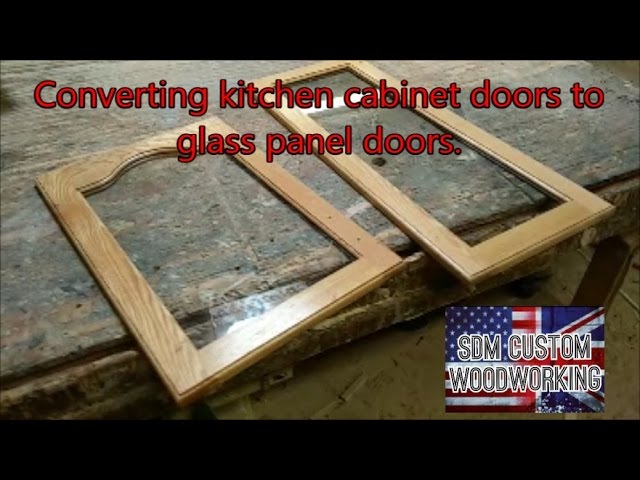
Credit: www.youtube.com
Preparing Cabinet Frames For New Doors
Proper preparation ensures your new doors fit perfectly and work smoothly.
- Clean the cabinet frames with a mild cleaner.
- Fill any holes or dents with wood filler.
- Sand rough areas, especially where old hinges were.
- Paint or touch up frames if needed.
If you’re changing from exposed hinges to concealed ones, you may need to fill and sand old hinge holes on the frame. Let any repairs dry fully before proceeding.
Non-obvious insight: If your old doors were heavier than the new ones, check the hinge holes. Sometimes, lighter doors need smaller or different hinges.
Give special attention to corners and edges—this is where doors may rub and paint can chip. A smooth, even surface ensures your new doors will look and function their best.
Installing New Cathedral Cabinet Doors
This step requires patience and attention to detail. It’s where most mistakes happen, so follow each step closely.
Attaching Hinges
Most doors come with hinge holes pre-drilled, but sometimes you must drill them yourself.
- Position the hinge on the door and mark the screw holes.
- Drill pilot holes (small holes) to prevent splitting the wood.
- Attach the hinge with screws, but don’t tighten fully yet.
If you’re switching to a different hinge style (for example, from surface-mount to European concealed), read the instructions carefully. The placement and depth of the hinge cup matter for proper function.
Hanging The Door
With hinges attached, it’s time to hang the door:
- Hold the door against the cabinet frame.
- Line up the hinge with the frame and screw it in.
- Adjust the door so it hangs straight and closes properly.
- Tighten all screws.
Some hinges allow you to adjust the door position slightly. Use this feature to get perfect alignment.
If your cabinets have face frames, you may need to tweak the overlay so the door covers the frame evenly. For frameless cabinets, precise alignment is even more important, as gaps are more noticeable.
Installing Handles And Knobs
Handles and knobs are the final touch. Here’s how to install them:
- Measure and mark the location for each handle or knob.
- Drill a hole using the correct size bit.
- Attach the handle or knob with the screw provided.
Tip: Use a template to make sure handles are in the same place on each door.
For best results, drill from the front to the back of the door to avoid splintering. If you’re reusing old hardware, make sure the screws are long enough for the new door thickness.
Checking Door Alignment
Once all doors are installed, check their alignment:
- Doors should hang evenly and close smoothly.
- Gaps between doors should be consistent.
- Adjust hinges as needed.
If a door doesn’t close properly, check for warped frames or incorrect hinge placement.
Another detail: Open and close every door several times to ensure nothing rubs or binds. Fixing a small problem now is easier than after you’ve filled the cabinets again.
Painting Or Staining Cathedral Cabinet Doors
If you bought unfinished doors or want to change the color, painting or staining is a good option. Each method has its own steps.
Painting
Painting is popular for a modern look. Here’s how to do it:
- Remove the door from the cabinet.
- Sand the surface lightly.
- Wipe away dust with a damp cloth.
- Apply a primer (especially for MDF).
- Paint with a brush or roller. Use 2-3 thin coats.
- Let each coat dry fully before adding the next.
- Reattach the door once dry.
Tip: Use alkyd paint for durability in kitchens and bathrooms.
For the best results, lay doors flat while painting to avoid drips and runs. If you want a glass-smooth finish, lightly sand between coats with fine sandpaper.
Staining
Staining is better for solid wood doors. It brings out the natural grain.
- Sand the door until smooth.
- Wipe with a tack cloth.
- Apply stain with a brush or cloth.
- Wipe off excess stain.
- Let dry, then apply a clear finish (polyurethane).
Tip: Always stain in a well-ventilated area. Wear gloves to protect your hands.
Staining shows off the wood’s unique pattern. Try a test spot on the back or a hidden edge to see how the color looks before doing the entire door.
Non-obvious insight: If your doors have raised or routed details, use a small artist’s brush to get stain or paint into the grooves for even coverage.
Maintaining Cathedral Cabinet Doors
Once your new doors are installed, maintenance is key. Proper care keeps them looking good for years.
- Clean regularly with a damp cloth. Avoid harsh chemicals.
- Tighten screws if you notice loose hinges or handles.
- Check for chips or scratches and touch up as needed.
- For painted doors, avoid abrasive sponges.
Non-obvious insight: Cathedral doors’ arch design can collect dust. Clean the arch grooves with a soft brush every month.
If your doors are near the stove, wipe off grease splatters quickly to prevent buildup. For stubborn spots, a mild dish soap and water solution is safe for most finishes.
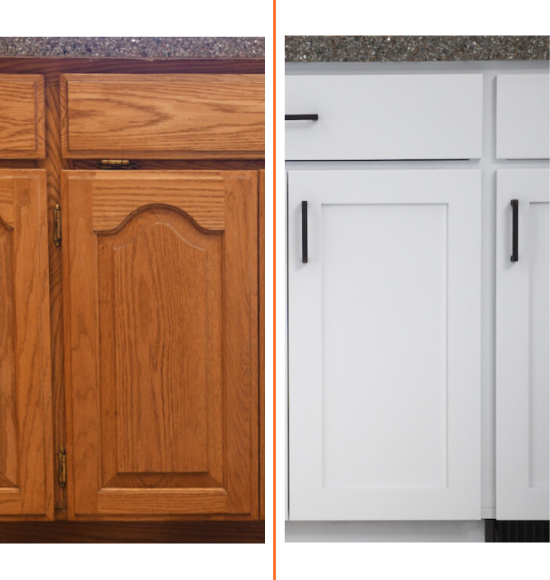
Credit: www.nhance.com
Comparing Professional Vs. Diy Installation
You can install cathedral cabinet doors yourself or hire a professional. Each option has pros and cons.
| Option | Cost | Time | Skill Required | Guarantee |
|---|---|---|---|---|
| DIY | Low | Longer | Medium | No |
| Professional | High | Faster | None | Yes |
DIY is cheaper and gives you control, but mistakes can cost more in the long run. Professionals finish faster and often offer warranties.
If you’re unsure about certain steps—like drilling hinge cups or aligning multiple doors—consider hiring a pro just for installation. You can still save money by handling removal and painting yourself.
Common Mistakes When Changing Cathedral Cabinet Doors
Many beginners make mistakes that can be avoided with careful planning:
- Incorrect measurements: Always measure twice. Mistakes can mean ordering the wrong size.
- Wrong hinge type: Check if your cabinet is face frame or frameless. Hinges are different.
- Improper alignment: Use a level and adjust hinges for straight doors.
- Skipping primer: For painted doors, primer prevents peeling and improves finish.
- Ignoring door thickness: Thicker doors may need new hinges or handles.
- Over-tightening screws: This can crack MDF or wood. Tighten just enough.
- Poor cleaning: Dust and grease stop paint or stain from sticking.
Non-obvious insight: If you live in a humid area, let doors acclimate in your home for 48 hours before installation. This prevents warping.
Another common mistake is installing hardware before painting or staining. Always finish the doors first, then attach handles and knobs for a cleaner look.

Credit: www.reddit.com
Advanced Tips For A Professional Finish
If you want your doors to look like a pro did the job, follow these advanced tips:
- Use a soft-close hinge for quiet operation.
- Install bumpers on the cabinet frame to prevent noise.
- Seal painted doors with a clear topcoat for extra protection.
- Replace old drawer fronts to match your new doors.
- Use a spray gun for smooth paint or stain finishes.
- Add lighting inside cabinets for a modern touch.
For a seamless look, align the grain direction of all doors, especially if they are stained. When installing handles, double-check that all are level and positioned the same way—crooked hardware is easy to spot.
Estimating Costs And Time
Changing cathedral cabinet doors can be affordable, but costs vary. Here’s a rough estimate:
- Door cost: $30-$150 each
- Hinges: $3-$8 per hinge
- Handles: $5-$20 each
- Tools: $50-$100 (drill, screwdriver, level, etc.)
- Paint or stain: $20-$50
Total For A Small Kitchen (10 Doors): $500-$1,500
Time required:
- Measuring and ordering: 1-2 hours
- Removal: 2-3 hours
- Installation: 4-8 hours
- Painting/staining: 2-3 days (including drying)
If you hire a professional, labor costs can add $500-$1,000, but you save time and reduce risk.
A less obvious cost: If your cabinets are an odd size or shape, custom doors can be more expensive and take longer to arrive. Plan for a waiting period, especially during busy renovation seasons.
Safety Tips
Safety is important, especially when using tools or chemicals.
- Wear safety glasses when drilling or sanding.
- Use gloves for painting and staining.
- Keep children and pets away from the work area.
- Work in a well-ventilated room.
Tip: If you feel unsure about any step, consult a professional. It’s better to ask than risk damage or injury.
Don’t rush. Working slowly and carefully is safer and gives better results. If using power tools for the first time, practice on scrap wood to build confidence.
Recycling Old Cathedral Cabinet Doors
What should you do with your old doors? There are several options:
- Donate them to charities or reuse centers.
- Sell them online if they are in good condition.
- Repurpose them for DIY projects (shelves, wall art).
- Recycle as wood waste if damaged.
This reduces landfill waste and can help others in need.
A creative idea: Turn an old cathedral door into a decorative chalkboard or a photo frame by adding paint or backing. Upcycling keeps materials out of landfills and gives old doors a new life.
When Should You Change Cathedral Cabinet Doors?
There are signs that it’s time to change your doors:
- Visible damage (cracks, chips, warping)
- Outdated style compared to your home
- Difficulty in opening or closing
- Planning a home sale (updated cabinets increase value)
According to real estate experts, updating cabinet doors can boost home value by 5-10%. If you plan to sell, this small investment can pay off.
Sometimes, even if your doors are in good shape, changing them can solve practical issues—like adding child-safety features or upgrading to soft-close hinges for a quieter home.
Where To Find More Guidance
If you want to dive deeper into cabinet door replacement, check out resources like Home Depot’s Cabinet Door Guide. They offer step-by-step instructions, videos, and expert advice.
You can also visit local home improvement stores to see door samples in person and get recommendations from staff who understand regional trends and materials.
Frequently Asked Questions
How Do I Know Which Hinge To Use For Cathedral Cabinet Doors?
You need to match the hinge to your cabinet type. If you have a face frame cabinet, use face frame hinges. For frameless cabinets, use European hinges. Check the thickness of your new doors to make sure the hinge fits.
Can I Paint Over Old Cathedral Cabinet Doors Instead Of Replacing Them?
Yes, you can. Clean the doors well, sand lightly, and use a primer before painting. This is a cheaper option, but replacing doors gives a more dramatic change.
If your old doors are warped or damaged, replacement is still the better choice for long-term results.
How Long Does It Take To Change Cathedral Cabinet Doors?
For a small kitchen, the process takes about 2-3 days. Measuring and ordering takes 1-2 hours. Removal and installation can be done in one day. Painting or staining adds extra drying time.
If you are working alone, give yourself extra time for careful alignment and finishing.
What If My Cabinet Frames Are Damaged?
Repair frames before installing new doors. Use wood filler for small holes or cracks. For bigger damage, consult a carpenter or consider full cabinet replacement.
Even small cracks can affect how well your new doors hang, so take the time to fix these issues first.
Are Custom Cathedral Cabinet Doors Worth The Extra Cost?
Custom doors are ideal for non-standard sizes or unique designs. They cost more but ensure a perfect fit and match your style exactly. For most homes, standard sizes are fine, but custom is best for older or unusual cabinets.
If you want a specific wood species, finish, or profile not available in stores, custom is your best bet.
Changing cathedral cabinet doors is a smart way to update your space, improve functionality, and add value to your home. With careful planning, accurate measurements, and a step-by-step approach, you can achieve a professional finish—even as a beginner. Whether you want a modern look or a classic touch, new cathedral doors can transform your kitchen or bathroom.
Take your time, follow each step, and enjoy the results.