
A pool heater is one of the best investments you can make for comfort and year-round swimming. Among the most popular pool heaters is the Jandy JXi series—known for its efficiency, compact design, and advanced controls. But like all equipment, sometimes things go wrong. If your Jandy JXi displays a “Check Ignition” error, it means the heater is having trouble starting or maintaining the flame. For many pool owners, this message causes confusion, worry, and lost pool time.
This guide explains, in clear language, how to troubleshoot and resolve the Jandy JXi Check Ignition issue. We’ll walk through every step, from understanding what the error means, to checking common causes, to detailed repair steps. You’ll also learn insider tips that most pool owners miss, so you can save time, avoid frustration, and keep your pool warm and inviting.
Understanding The Jandy Jxi Check Ignition Error
When your Jandy JXi heater shows a Check Ignition message, it’s alerting you that the system tried to ignite the burner but failed. This is a safety feature. The heater senses a problem and shuts down the ignition process to avoid gas buildup or unsafe operation.
This message can come from several issues:
- Problems with gas supply
- Electrical faults
- Sensor failures
- Blockages or dirt in the ignition path
The Jandy JXi is designed to give basic error codes, but it doesn’t always tell you the exact part that failed. That’s why a step-by-step method is important.
Why The Ignition Process Matters
The ignition sequence is the heart of any pool heater. Here’s a quick summary of how it works:
- The heater receives a call for heat.
- The blower starts, clearing any gas left in the chamber.
- The control board checks safety switches.
- The ignitor heats up or sparks.
- The gas valve opens briefly.
- A sensor checks for flame.
- If flame is detected, the heater runs. If not, it shuts down and may show “Check Ignition.”
A failed ignition means your heater cannot safely light. You should never bypass or ignore ignition errors, as they protect you and your property.
Common Causes Of Jandy Jxi Check Ignition Error
Before diving into the steps, it’s important to know what might trigger the error. Here are the most frequent causes:
- Low gas pressure: Not enough fuel to ignite.
- Dirty or damaged ignitor: Can’t create a strong spark or heat.
- Blocked burner orifices: Gas flow is restricted.
- Faulty flame sensor: Heater cannot “see” the flame.
- Wiring or control board issues: No signal reaches the ignition parts.
- Ventilation problems: Airflow is blocked or restricted.
- Water flow faults: Heater needs water flow to operate.
Non-obvious tip: Sometimes, a Check Ignition error comes from a weak or failing transformer, not just from the ignition parts. Power issues can cause the system to misread signals.
Essential Tools And Safety Precautions
Before working on your pool heater, gather these basic tools:
- Multimeter (for electrical checks)
- Phillips and flathead screwdrivers
- Nut driver set
- Small wire brush or sandpaper
- Compressed air (optional)
- Flashlight
Safety first: Turn off power to the heater at the breaker. If you’ll check gas lines, shut off the gas supply and never use open flames to test for leaks. Pool heaters use natural gas or propane, which are flammable. If you smell gas, stop and call a professional.
Step-by-step Jandy Jxi Check Ignition Troubleshooting
Now let’s move through each stage, from simple checks to more advanced steps. Even if you’re new to pool equipment, follow carefully—you’ll solve most ignition errors with patience and the right approach.
1. Reset The Heater
Before opening the unit, try a simple reset:
- Switch off the heater at the control panel.
- Wait 2-3 minutes.
- Turn it back on and recheck the display.
Sometimes, the error is a false alarm or a temporary glitch. If the message disappears and the heater runs, monitor it closely for the next few cycles.
2. Check Water Flow
The Jandy JXi needs proper water flow to operate.
- Ensure all pool valves are open.
- Clean the skimmer and pump baskets.
- Backwash or clean the pool filter.
A blocked filter or closed valve can stop ignition. The heater may show a “Check Ignition” error if it senses no or low water flow. Look for any “Water Flow Fault” message as well.
3. Inspect The Power Supply
No ignition can happen without stable power.
- Verify the unit is plugged in and breaker is ON.
- Use a multimeter to confirm 120V/240V at the terminal block (check your model’s voltage).
- Look for loose wires, corrosion, or burnt connectors inside the heater.
If you see any electrical damage, repair or call a technician. Power issues are sometimes missed by beginners because the control panel can light up even with weak voltage, but the ignition system may still fail.
4. Examine The Control Board
The control board is the “brain” of your heater.
- Look for any error codes, blinking lights, or burn marks.
- Reseat all connections (unplug and plug back in each wire harness).
- If the board smells burnt or has visible damage, replacement is needed.
A faulty control board can misread signals and prevent ignition. Control boards usually last many years, but surges or lightning can damage them.
5. Check Gas Supply And Pressure
No gas means no flame.
- Make sure the gas valve to the heater is open.
- Inspect for kinks or leaks in gas lines.
- If you have propane, check the tank level.
Professional tip: Gas pressure should be 7–10 inches water column (WC) for natural gas, or 11–14 inches WC for propane. A licensed technician can measure this with a manometer.
If you hear hissing, smell gas, or suspect a leak, stop immediately. Do not try to relight or reset the heater.
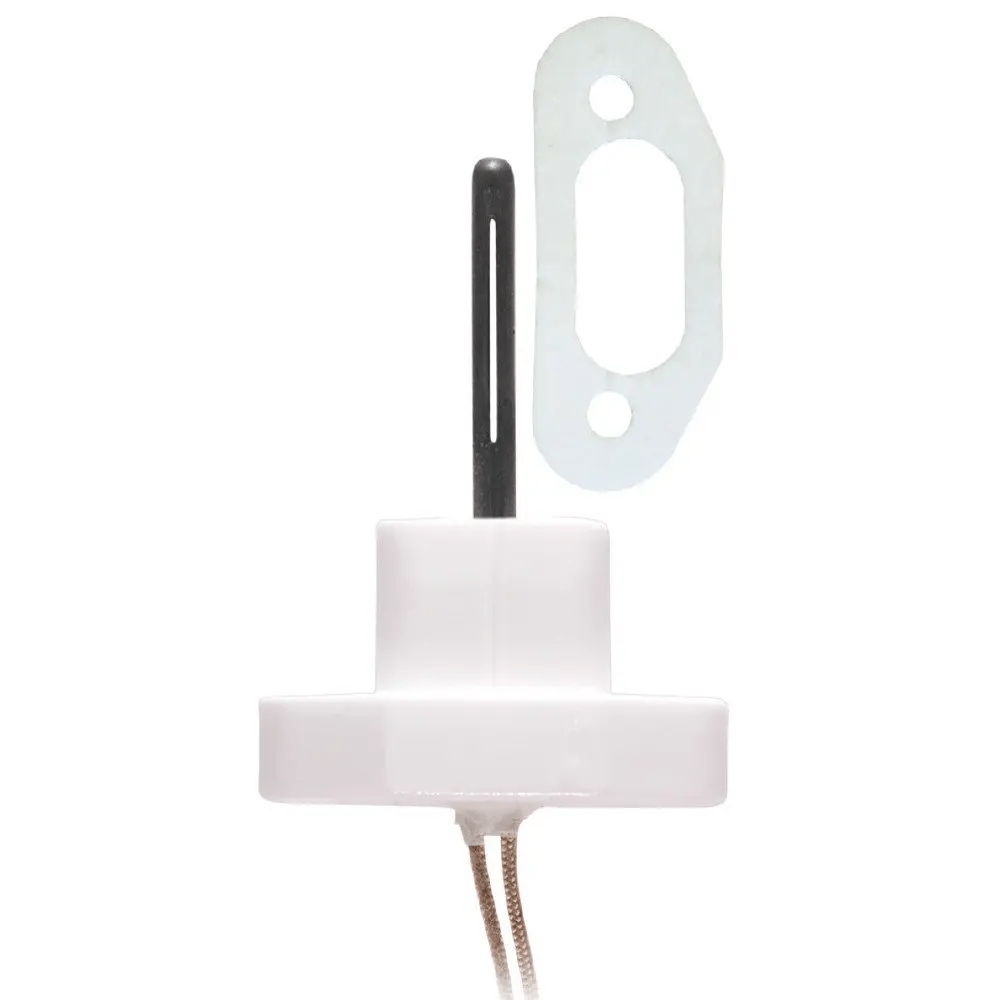
6. Clean Or Replace The Ignitor
The ignitor is what starts the flame.
- Carefully remove the heater’s front panel.
- Locate the ignitor (usually near the burner tray).
- Inspect for cracks, chips, or heavy carbon buildup.
- Clean gently with a wire brush. If damaged, replace.
Tip: Don’t touch the ignitor surface with your fingers—skin oils can shorten its life. The ignitor should glow red-hot (for hot surface type) or spark strongly (for spark type) during startup.
7. Inspect The Flame Sensor
The flame sensor tells the heater that ignition succeeded.
- Remove and clean the sensor with sandpaper or a wire brush.
- Look for corrosion, soot, or damage.
- Reinstall and test.
A dirty sensor is a top cause of Check Ignition errors. Even a thin layer of soot or oxidation can block the sensor from detecting flame.
8. Clean Burners And Orifices
Burners and orifices must be clear for gas to flow and ignite.
- Remove the burner tray (see your heater’s manual).
- Use compressed air or a brush to remove debris, spider webs, or rust.
- Check that all orifices are open.
Many pool owners overlook this step. Small insects can build nests inside burners, blocking gas flow.
9. Test The Pressure Switch
The pressure switch ensures water is flowing before ignition.
- With the heater off, disconnect the wires from the pressure switch.
- Use a multimeter to test for continuity as water flows.
- Adjust or replace if faulty.
A bad switch can trick the heater into thinking there’s no water flow, causing a Check Ignition message.
10. Examine The Blower And Air Flow
Good air flow is needed for safe ignition.
- Check that the blower (fan) is running during startup.
- Look for obstructions in the intake or exhaust.
- Clean out leaves, nests, or debris.
Blocked air flow can starve the burner of oxygen, preventing proper ignition.
11. Inspect Wiring And Connectors
Loose or corroded wires are common but often missed.
- Check all wiring to the ignitor, flame sensor, pressure switch, and gas valve.
- Clean or tighten as needed.
Wiring issues can cause intermittent Check Ignition errors, especially after rain or high humidity.
12. Test The Gas Valve
The gas valve opens briefly during ignition.
- Listen for a “click” when the heater tries to start.
- Use a multimeter to check for voltage at the valve during ignition.
- If no voltage, the control board may be faulty. If voltage is present but valve doesn’t open, replace the valve.
Gas valves rarely fail, but if all other steps check out, this can be the problem.
13. Look For Error History
Some Jandy JXi models store error codes.
- Enter the diagnostic mode (see your manual).
- Review past errors. Multiple Check Ignition codes suggest a persistent issue.
This helps you spot patterns and avoid repeating the same repairs.
14. Compare Ignition Parts And Lifespans
Knowing how long parts usually last helps with troubleshooting. Here’s a quick comparison:
| Part | Typical Lifespan | Symptoms of Failure |
|---|---|---|
| Ignitor | 3-5 years | No spark/glow, Check Ignition error |
| Flame Sensor | 3-6 years | Ignition starts but shuts off quickly |
| Gas Valve | 7-10 years | No gas flow, no ignition |
| Control Board | 8-12 years | Random errors, no startup |
Non-obvious insight: If your heater is over 10 years old and has repeated ignition problems, replacing multiple parts at once can save labor and downtime.
15. When To Call A Professional
If you’ve tried all the above and still see the Check Ignition error, it’s time for expert help. Gas and electrical issues are serious. Certified pool heater technicians have tools to test gas pressure, diagnose control boards, and safely repair advanced faults.
Real-world Troubleshooting Example
Let’s look at a common case:
A pool owner notices the Jandy JXi won’t start, and the display says “Check Ignition.” They:
- Reset the heater—error returns.
- Clean the filter and check water flow—no change.
- Open the heater, find the ignitor covered in soot.
- Clean the ignitor and flame sensor—still no ignition.
- Call a pro, who finds a spider web in the burner orifice, blocking gas flow.
Lesson: Even small blockages can cause ignition failure. Always check the full ignition pathway—gas, air, spark, and sensor.

Credit: www.youtube.com
Preventing Future Ignition Problems
Maintenance is the best way to avoid Check Ignition errors in your Jandy JXi. Here’s how to keep your heater reliable:
- Annual professional service: Have a technician inspect, clean, and test the heater each year.
- Keep the area clean: Remove leaves, dirt, and debris from around the heater.
- Regularly clean burners: Insects and dust love warm heater parts.
- Check water chemistry: Corrosive water can damage sensors and parts.
- Operate the heater at least monthly: Running the heater prevents parts from sticking.
Advanced tip: Install a surge protector on the power line to protect the control board from lightning and power surges.
The Role Of Diagnostics And Error Codes
The Jandy JXi uses a series of blinking lights or digital codes to help diagnose faults. Here’s a quick reference:
| Error Code | Meaning | What to Check |
|---|---|---|
| Check Ignition | Ignition failed | Ignitor, flame sensor, gas, air, wiring |
| Water Flow Fault | Poor water flow | Filter, pump, valves, pressure switch |
| High Limit Fault | Heater too hot | Water flow, high limit switch |
| Flame Sense Fault | Flame not detected | Flame sensor, ignitor, gas |
Always check the user manual for your specific model, as codes can change between versions.
Comparing Jandy Jxi With Other Pool Heaters
If you’re considering a new heater or want to understand how the JXi’s ignition system compares, here’s a simple breakdown:
| Heater Model | Ignition Type | Diagnostic Features | Maintenance Need |
|---|---|---|---|
| Jandy JXi | Hot surface/spark | Digital codes, lights | Low to medium |
| Hayward Universal H | Hot surface | Digital display | Medium |
| Raypak Digital | Spark | Analog codes | Low |
The Jandy JXi stands out for its compact size, efficiency, and user-friendly diagnostics. However, its ignition system is sensitive to dirt, voltage drops, and poor water flow.
Common Mistakes When Troubleshooting Jandy Jxi Ignition
Many pool owners make errors that prolong the Check Ignition problem:
- Only resetting the heater, not checking underlying causes.
- Ignoring gas supply issues.
- Forgetting to clean both ignitor and flame sensor.
- Overlooking small blockages in burners.
- Not checking voltage under load (when the heater tries to ignite).
- Touching ignition parts with bare hands, causing early failure.
- Skipping annual professional service.
Remember, the ignition system is a chain—one weak link can cause failure.
Credit: www.troublefreepool.com
Practical Tips For Faster Solutions
Here’s how to speed up your troubleshooting:
- Take clear photos before removing any wires or parts.
- Label connectors if you’re not sure where they go.
- Clean parts with the right tools—never scrape hard with metal.
- If you replace a part, keep the old one for future reference.
- Write down any error codes and steps you’ve tried.
If you contact support or a technician, having this information ready saves time and money.
When Replacement Is Better Than Repair
If your Jandy JXi is over a decade old and needs multiple ignition parts, replacing the heater might be more cost-effective. Modern heaters are more efficient and reliable. Check local energy rebates and consider upgrading if repairs exceed 50% of the cost of a new unit.
For more information on pool heater safety and maintenance, visit the U.S. Consumer Product Safety Commission.

Credit: www.reddit.com
Frequently Asked Questions
What Does “check Ignition” Mean On My Jandy Jxi Heater?
The Check Ignition message means the heater tried to start but could not ignite the burner. This can be due to gas, electrical, air flow, or sensor issues. It’s a safety feature, not just a random error.
Can I Fix A Jandy Jxi Check Ignition Error Myself?
Many Check Ignition problems can be fixed by careful cleaning of the ignitor and flame sensor, checking for blockages, and making sure gas and power are supplied. However, if you smell gas or the error persists, call a professional.
How Often Should I Clean The Ignitor And Flame Sensor?
Clean the ignitor and flame sensor at least once per year, or any time you have an ignition problem. Insects, dust, and pool chemicals can cause buildup faster in some environments.
Is It Dangerous To Keep Trying To Restart The Heater?
If the heater shows a Check Ignition error, do not keep restarting it without checking for leaks or faults. Repeated attempts can lead to unsafe conditions. Always follow safety guidelines.
What Is The Average Repair Cost For Jandy Jxi Ignition Problems?
Typical repairs (cleaning, replacing ignitor or sensor) cost between $100 and $300 for parts and labor. More complex issues (gas valves, control boards) can run $400–$800. If your heater is old, consider replacement if repairs are frequent.
A reliable pool heater makes swimming enjoyable in every season. With the right approach, you can solve most Jandy JXi Check Ignition errors yourself and keep your pool ready for use. Remember, safety comes first—when in doubt, always call a trained professional.