
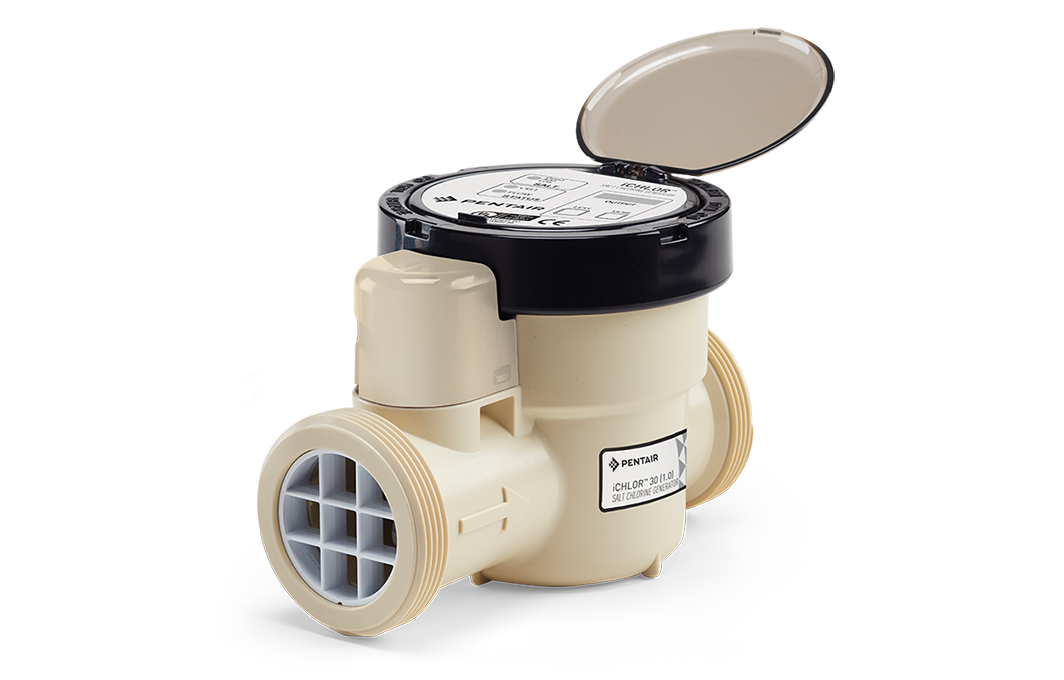
If you own a saltwater pool, you likely depend on the Pentair iChlor 30 to keep your water clean and safe. This salt chlorine generator is popular for its reliability, but sometimes, it gives owners a frustrating problem: no lights on the control panel. When the iChlor 30 shows no lights, it’s more than just an inconvenience—it means your pool might not be getting sanitized. Many pool owners panic or call a technician right away. However, with the right knowledge, you can often fix the issue yourself.
This article explores 30 possible reasons why your Pentair iChlor 30 might show no lights and guides you through each. You’ll learn how to diagnose, troubleshoot, and prevent future problems. By understanding these causes, you can save money, reduce downtime, and enjoy a clean pool all summer.
1. Power Supply Disconnected
The most basic reason for no lights is a disconnected power supply. If the iChlor 30 isn’t getting electricity, the control panel stays dark. Check if the power cord is fully inserted in the outlet and that the outlet itself is working. Sometimes, the cord can be accidentally pulled or loosened during pool maintenance or cleaning.
2. Tripped Circuit Breaker
A tripped breaker is a common problem in pool systems. If your iChlor 30’s circuit breaker trips, it cuts power to the unit. Go to your electrical panel and check all breakers related to the pool equipment. If you find one tripped, reset it. If it trips again, there may be a short circuit or overload that needs to be fixed before resetting further.
3. Blown Fuse
Inside the Pentair iChlor 30 or in the power supply line, there’s usually a small fuse. This fuse protects the unit from power surges or faults. A blown fuse will stop all power and lights. You can open the unit (after disconnecting power!) and check for a blown fuse. Replace it with the same type and rating if necessary.
4. Faulty Power Center
The power center supplies voltage to the iChlor 30. If the power center is faulty, even with good wiring, the unit won’t turn on. Use a multimeter to check output voltage. If there’s no voltage, the power center may need repair or replacement.
5. Transformer Failure
The transformer steps down high voltage to a safe level for the iChlor 30. A failed transformer means no power reaches the unit. Listen for humming or feel for warmth; a silent, cold transformer often signals failure. Replacing a transformer is a job for professionals unless you have electrical experience.
6. Loose Or Corroded Wiring
Pool equipment is often exposed to moisture. Loose or corroded wires can interrupt the power. Inspect all connections for rust, discoloration, or looseness. Clean with a wire brush and tighten connections. Make sure all wires are secure and free from damage.
Credit: www.pentair.com
7. Faulty Circuit Board
The circuit board inside the iChlor 30 controls all functions. If it’s damaged by moisture, insects, or age, the lights won’t turn on. Signs of a bad board include burn marks, a burnt smell, or visible damage. Circuit boards can sometimes be repaired, but often need replacing.
8. Failed Control Panel
The control panel is the user interface for the iChlor 30. If the panel fails, the rest of the system might still work but you won’t see any lights or controls. Try resetting the system. If that doesn’t help and you’re sure power is reaching the unit, the control panel may need replacement.

Credit: www.youtube.com
9. Incorrect Voltage
The iChlor 30 is designed for a specific voltage (usually 110V or 220V). If it receives the wrong voltage, it may not power up. Use a multimeter to check the voltage at the power supply. A mismatch can damage the unit and void your warranty.
10. Gfci Outlet Tripped
Some pool systems use a Ground Fault Circuit Interrupter (GFCI) for safety. If the GFCI outlet trips, it cuts power to the iChlor 30. Check and reset the GFCI outlet by pressing the “reset” button. If it won’t reset, check for moisture or wiring issues.
11. Water In The Power Center
Moisture is a hidden enemy for pool equipment. Water inside the power center can short-circuit the system and cause the iChlor 30 to go dark. Open the power center and inspect for dampness or corrosion. Dry everything thoroughly before restoring power.
12. Lightning Or Power Surge Damage
Storms and electrical surges can damage sensitive electronics. If there was recent lightning or a power surge, your iChlor 30 might be affected. Surge damage often requires professional repair. Consider installing a surge protector for the future.
13. Faulty Flow Switch
The flow switch ensures water is moving before the chlorinator operates. If the flow switch is stuck or broken, the iChlor 30 won’t turn on and lights will stay off. Inspect and clean the switch. Replace it if you notice cracks or stuck parts.
14. Dirty Or Clogged Cell
A dirty cell can confuse the iChlor 30’s sensors and prevent it from powering on. Remove the cell and inspect for calcium or debris buildup. Clean according to the manufacturer’s instructions. Regular maintenance prevents this problem.
15. Incorrect Salt Level
If the pool’s salt level is outside the recommended range (usually 2700-3400 ppm), the iChlor 30 may not start. Test your pool water with a salt meter. Adjust salt by adding more or diluting as needed.
16. Software Glitch
Like many smart devices, the iChlor 30 runs on internal software. A software glitch can sometimes freeze the system, causing no lights. Try a full power cycle: turn off the unit at the breaker, wait 5 minutes, then turn it back on. If lights return, the glitch was temporary.
17. Faulty Timer Or Automation System
If your pool uses a timer or automation system, a fault can prevent power from reaching the iChlor 30. Check your timer settings and make sure it’s programmed for the right hours. Test the output; if there’s no voltage during “on” periods, the timer or automation system may be faulty.
18. Broken Power Cord
A damaged power cord can stop all power. Inspect the entire length for cuts, chew marks (rodents!), or kinks. If you find damage, replace the cord. Using electrical tape is not a safe long-term fix.

Credit: www.youtube.com
19. Faulty Internal Relay
Inside the iChlor 30, relays switch power to various components. A stuck or failed relay can prevent the control panel from lighting up. This is a technical repair best left to professionals, but knowing about relays helps you discuss the problem with a technician.
20. Overheated Unit
The iChlor 30 has overheat protection. If the unit gets too hot, it shuts down to prevent damage. Overheating can be caused by poor ventilation or direct sunlight. Check for airflow around the unit and shade it if needed. After cooling, the unit should reset automatically.
21. Excessive Pool Chemical Levels
High levels of chemicals like chlorine or stabilizer can interfere with the salt cell’s sensors. If recent chemical additions were made, test the water and adjust as necessary. Once levels return to normal, the iChlor 30 may resume normal operation.
22. Broken Cell Cable
The cell cable connects the salt cell to the control unit. If this cable is damaged, the unit won’t get signals from the cell and may not power up. Inspect the cable and connectors for wear, corrosion, or breaks. Replace if necessary.
23. Water Temperature Too Low
The iChlor 30 won’t operate (and may not show lights) if pool water temperature drops below a minimum threshold (usually around 50°F/10°C). Check your pool thermometer. If water is too cold, wait for warmer weather or use a pool heater.
24. Incorrect Installation
If the iChlor 30 was installed incorrectly, it may not power up. Double-check the wiring diagram and installation manual. Common mistakes include reversed polarity, wrong wire size, or missed connections.
25. Worn Out Salt Cell
Salt cells have a limited lifespan, usually 3-5 years. A worn out cell can cause the system to stop working entirely. If your cell is old and cleaning doesn’t help, it might be time for a replacement.
26. Defective Display Or Led
Sometimes, the iChlor 30 is actually working, but the LED indicators or display are broken. Listen for the sound of the cell working or feel for chlorine production. If only the lights are out, replacing the display may solve the problem.
27. Internal Moisture
Humidity or a small leak inside the iChlor 30 can cause internal moisture. This can corrode circuits and shut down the lights. Open the case (with power off), check for condensation, and dry thoroughly. Prevent future moisture by sealing entry points.
28. Incorrect Cell Type Setting
Some automation systems require you to set the cell type for compatibility. If the cell type is set incorrectly, the system may not recognize the iChlor 30 and fail to power up. Check your pool controller’s settings and select the correct cell type.
29. Broken Communication Wire (for Automated Systems)
If your iChlor 30 is connected to a pool automation system, a broken communication wire can cut off signals and cause the unit to go dark. Inspect the wire and connectors from the automation panel to the iChlor 30. Replace any damaged wires.
30. Manufacturing Defect
While rare, a factory defect can cause the iChlor 30 to fail soon after installation. If your unit is new and none of the above issues apply, contact your dealer or Pentair support for warranty service.
Troubleshooting Steps For Pentair Ichlor 30 No Lights
Diagnosing the exact cause of no lights requires a systematic approach. Follow these steps for an efficient check:
- Check Power First: Verify the outlet, breaker, and GFCI are working.
- Inspect Visible Damage: Look for broken wires, corroded parts, or moisture.
- Test with a Multimeter: Measure voltage at the power center and cell cable.
- Review Recent Changes: Think about recent storms, chemical additions, or maintenance.
- Try a Full Reset: Power off for 5 minutes, then restart.
- Consult the Manual: Double-check installation and settings.
- Contact Support: If you’re stuck, call Pentair or a certified technician.
Real-world Examples
Many pool owners have faced the no lights issue with their Pentair iChlor 30. Here are a few examples:
- A Florida pool owner found that ants had nested inside the power center, causing a short.
- Another user in California discovered a tripped GFCI after a rainstorm.
- In Texas, a blown fuse was the culprit after a power surge.
These cases show that sometimes the cause is obvious, but other times it’s hidden and requires careful inspection.
Data Table: Common Causes Vs. Fix Difficulty
Here is a comparison of each cause and how hard it is for a homeowner to fix:
| Cause | Fix Difficulty | DIY Possible? |
|---|---|---|
| Power Supply Disconnected | Easy | Yes |
| Tripped Circuit Breaker | Easy | Yes |
| Blown Fuse | Medium | Yes |
| Faulty Power Center | Hard | No |
| Transformer Failure | Hard | No |
| Loose/Corroded Wiring | Medium | Yes |
| Faulty Circuit Board | Hard | No |
| Failed Control Panel | Hard | No |
| Incorrect Voltage | Medium | Yes |
| GFCI Outlet Tripped | Easy | Yes |
Table: Symptoms That Help Identify The Problem
Spotting the right clues can make diagnosis faster.
| Symptom | Likely Cause |
|---|---|
| No lights after storm | Power surge, GFCI tripped |
| No lights, but pump works | Blown fuse, cell cable issue |
| No lights after adding salt | Salt level error, dirty cell |
| Unit hot to touch | Overheated unit |
| Display blank, cell produces chlorine | Defective display |
Preventive Tips
To reduce the risk of Pentair iChlor 30 no lights issues:
- Install a surge protector for your pool equipment.
- Schedule regular inspection and cleaning of wires, cell, and panel.
- Keep the power center dry and protected from rain.
- Check salt level and water balance monthly.
- Always use the correct replacement parts.
- Avoid overloading your pool’s electrical system with too many devices.
These steps can extend the life of your iChlor 30 and prevent many common failures.
When To Call A Professional
Some iChlor 30 issues are simple, but others require expert help. Call a technician if:
- You see burning or melted wires.
- The breaker or GFCI keeps tripping after reset.
- You suspect a bad transformer, circuit board, or relay.
- There’s visible water inside the unit.
- The unit is under warranty.
Working with electricity and water can be dangerous. If in doubt, always choose safety.
How The Ichlor 30 Works
Understanding your equipment helps with troubleshooting. The Pentair iChlor 30 uses electrolysis to turn salt in your pool water into chlorine. The control panel lets you set chlorine output and shows system status with lights. When all is working, lights indicate power, cell activity, and any errors. When no lights show, the system is not operating.
Cost Of Repair Or Replacement
Repair costs for the iChlor 30 depend on the issue:
- Fuses, wires, and minor parts: $10 – $50
- Cell replacement: $400 – $700
- Power center or circuit board: $200 – $500
- Professional labor: $75 – $150 per hour
Check your warranty before paying for repairs. Some parts may be covered by Pentair for up to 3 years.
Warranty Information
Pentair typically provides a 3-year warranty on the iChlor 30 when installed by a professional. DIY installs may have a shorter warranty. Keep your receipt and register your product with Pentair. For warranty claims, you’ll need proof of purchase and possibly a technician’s report.
Non-obvious Insights
- Many pool owners overlook that a GFCI outlet can trip silently—you may not realize it’s off unless you press “reset” or test with another device.
- Salt levels matter not just for chlorine output but for internal sensors—if salt is too high or low, the system may not even power up, not just reduce output.
External Resource
For official troubleshooting guides and further support, visit the Pentair iChlor 30 official page.
Frequently Asked Questions
Why Does My Pentair Ichlor 30 Show No Lights Even Though My Pump Is Running?
This usually means the iChlor 30 is not getting power. Causes include a blown fuse, tripped GFCI, loose wire, or a faulty power supply. Check each step and use a multimeter to confirm voltage.
Can I Fix The Ichlor 30 No Lights Problem Myself?
Yes, many causes (like checking power, resetting GFCI, or cleaning connections) are DIY-friendly. However, for complex electrical issues, always call a professional.
How Can I Prevent The Ichlor 30 From Losing Power In The Future?
Install a surge protector, check wiring regularly, keep the power center dry, and maintain the cell. Preventing moisture and electrical surges reduces most power issues.
Is The No Lights Problem Covered Under Warranty?
If caused by a manufacturing defect or failed part (not user error or bad installation), Pentair’s warranty usually covers repair or replacement. Always check your warranty terms.
What Do I Do If Replacing Fuses And Resetting Power Doesn’t Work?
If these steps don’t solve it, check for deeper issues: failed circuit board, transformer, or internal wiring. At this point, it’s best to contact Pentair support or a certified technician.
Maintaining your Pentair iChlor 30 is key to a safe, sparkling pool. By understanding the 30 possible causes for no lights and following clear troubleshooting steps, you can keep your pool chlorinator running for years—without unnecessary panic or expense.