
Keeping your Blomberg dishwasher running smoothly requires regular care, especially when it comes to the filter. Many people don’t realize how important this small part is. A dirty or clogged filter can lead to poor cleaning, bad smells, and even breakdowns.
If your dishwasher isn’t washing as well as it used to, or if you notice odd odors, it’s likely time to check and clean the filter. This guide will show you, step by step, exactly how to clean a Blomberg dishwasher filter, why it matters, and how you can keep your machine working like new for years.
Why The Dishwasher Filter Matters
The dishwasher filter is designed to catch food particles, dirt, and debris during each wash. Without it, bits of food would stick to your dishes and could even damage the dishwasher’s internal parts. A clean filter means:
- Cleaner dishes: No leftover bits or streaks.
- No bad smells: Trapped food can rot and cause odors.
- Longer machine life: Prevents build-up that strains pumps and hoses.
- Efficient water flow: Keeps the spray arms and pumps working well.
Many people overlook this small but crucial piece, thinking the dishwasher takes care of itself. In truth, even the best dishwashers need a little help. Think about it like the air filter in your car—if you ignore it, performance drops and repairs become likely.
The dishwasher filter is no different.
Some owners are surprised to find that even newer dishwashers can underperform if the filter is clogged. Modern machines use less water and energy, so they rely more on good filtration to do their job well. If you have hard water or cook a lot of starchy foods (like pasta or rice), you might notice buildup even faster.
Understanding Your Blomberg Dishwasher Filter
Blomberg dishwashers usually have a triple filter system at the bottom of the tub. This system includes:
- Main filter (coarse filter): Catches large food pieces.
- Fine filter (mesh filter): Traps smaller particles.
- Micro filter (cylinder or cup filter): Stops fine debris from getting into the pump.
These filters work together, but if any one gets clogged, performance drops. Knowing where these parts are and how they fit is essential before you start cleaning.
A useful tip: take a photo of the filter assembly before you take it apart. This helps you remember how each piece fits back together, especially if you’re new to the process or get interrupted while cleaning.
Where Is The Filter Located?
You’ll find the filter assembly at the bottom center of your dishwasher, under the lower rack. It’s usually a round or oval-shaped part that you can easily twist out by hand.
On some models, the filter cover may have arrows or icons showing which way to turn for removal. If you’re unsure, check the user manual or look for small diagrams near the filter itself.
Signs Your Filter Needs Cleaning
You might not think about the filter until you notice problems. Here are some clear signs that your Blomberg dishwasher filter may be dirty:
- Dishes come out with food stuck on them.
- The dishwasher smells bad, even after a wash.
- Water pools at the bottom after a cycle.
- The machine sounds louder or “struggles” during use.
- Wash times are longer than normal.
If you notice one or more of these, it’s time to take action.
Sometimes, the signs are subtle. For example, you might see a white film or haze on glassware, which often means grease or debris is recirculating. Or you may notice that the spray arms aren’t spinning well, which can be another clue that the filter is clogged and blocking water flow.
Don’t wait until the dishwasher stops draining—small changes in performance are your early warning.
Safety First: Preparing To Clean
Before you reach into your dishwasher, take a few simple steps for safety:
- Turn off the dishwasher: Make sure it’s not running.
- Unplug or switch off power: For extra safety, especially if you’ll be removing parts.
- Let it cool down: Wait at least 30 minutes after a cycle to avoid hot water or steam.
- Remove all dishes and racks: Give yourself space to work.
These steps may seem obvious, but it’s easy to forget them in a rush.
For families with young kids or pets, keep the area clear while you work. Dishwasher interiors can be slippery, and small filter parts could pose a choking hazard if left unattended.
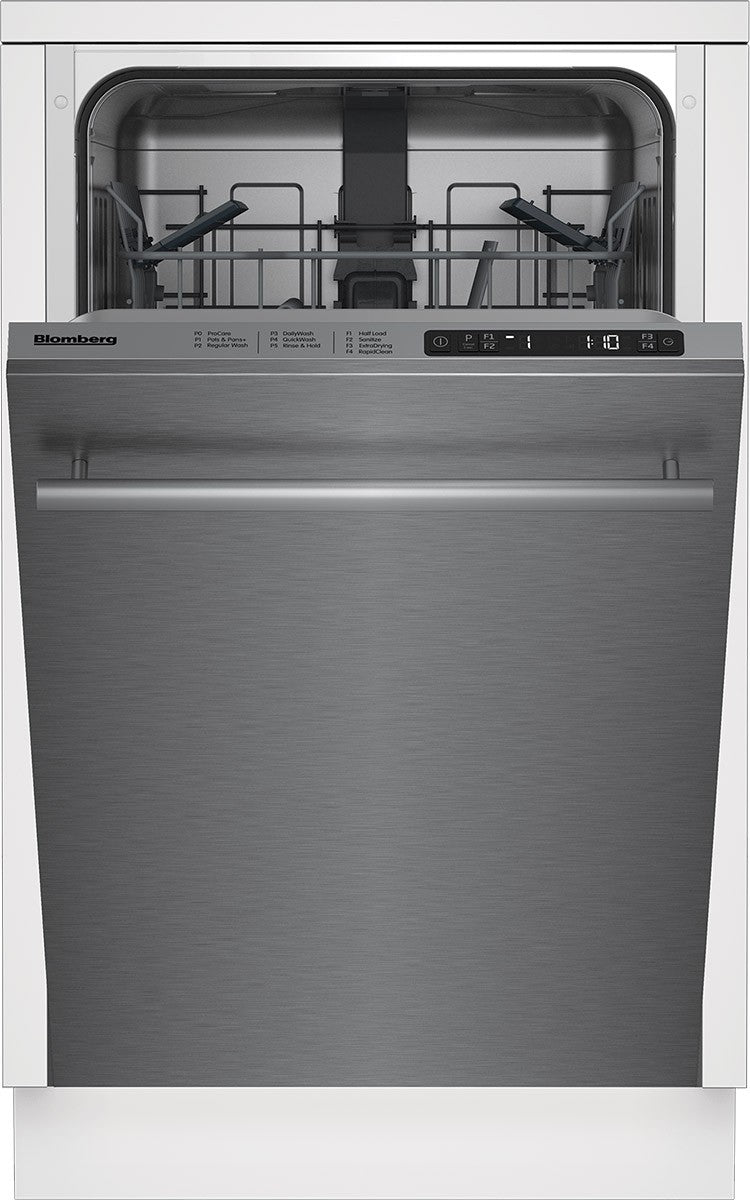
Credit: www.blombergappliances.com
Step-by-step: How To Clean A Blomberg Dishwasher Filter
Cleaning the filter is simple, but following each step ensures you don’t miss anything. Here’s how to do it right:
1. Remove The Lower Rack
Take out the lower dish rack to access the filter. Set it aside in a safe place.
If it feels stuck, check for any utensils or debris that might be blocking the track. Gently wiggle the rack free rather than forcing it.
2. Locate And Remove The Filter Assembly
Find the filter cover at the bottom center. It may look like a round cap, a cylinder, or a mesh screen.
- Grip the filter handle or knob.
- Turn it counter-clockwise (usually) to unlock.
- Lift the filter out gently.
- For triple filters, separate the coarse, fine, and micro filters. They often come apart easily.
If your filter feels tight, try rotating back and forth gently. Do not use tools, as they can break the plastic tabs.
3. Check For Large Debris
Before washing, tap the filters over a trash can to remove loose food or objects. Look for:
- Bones, pits, or shells
- Glass shards (rare, but possible)
- Plastic bits or wrappers
If you spot any hard-to-remove debris, use gloves and tweezers.
A practical tip: shine a flashlight into the filter opening to check for hidden pieces of food or buildup. Sometimes, sticky foods like cheese or egg can harden and block water flow without being obvious.
4. Wash Each Filter Part
Take the filters to your sink. Use warm, soapy water and a soft brush (like an old toothbrush) to scrub all surfaces. Focus on:
- Mesh screens: Remove trapped grease or particles.
- Cylinder walls: Clear away film or buildup.
- Edges and corners: Don’t forget the small spots.
Avoid harsh brushes or scouring pads, as these can tear the mesh. For tough grease, let the parts soak for 10-15 minutes in hot water with a little vinegar.
If your water is hard (lots of minerals), a sprinkle of baking soda can help break down scale without damaging the filter. Rotate the filter under running water to flush out tiny particles from holes or mesh.
5. Inspect For Damage
Look closely at each filter part. If you see:
- Holes or tears in the mesh
- Cracks in plastic or seals
- Warping from heat
Replace the damaged part. A broken filter can let debris into the pump and cause serious problems.
Even small cracks can let food through, so be picky about what you keep. If you’re not sure, compare your filter to a photo of a new one from the Blomberg website.
6. Clean The Filter Housing
While the filters are drying, wipe out the filter compartment inside the dishwasher. Use a damp cloth or sponge to remove any buildup, especially around the seal.
If you notice a greasy or sticky feeling, dip your cloth in vinegar for extra cleaning power. This step is often skipped, but removing hidden grime here prevents future smells and keeps the filter seating tightly.
7. Reassemble And Replace The Filter
Once the filters are dry, reassemble them in the correct order (coarse, fine, then micro). Insert the filter assembly back into the compartment.
- Turn clockwise to lock it securely.
- Give a gentle tug to check that it’s in place.
If it doesn’t fit easily, double-check the order and orientation. Never force the filter assembly, as misalignment can break tabs or let debris escape.
8. Replace The Lower Rack
Slide the lower rack back in.
Before pushing the rack in, make sure the wheels are on the track and nothing is blocking movement. A misaligned rack can stop the spray arm from turning properly.
9. Run A Short Rinse Cycle
To finish, run a short rinse cycle with no dishes. This flushes out any leftover debris and ensures everything is working.
If your machine has a self-clean or “sanitize” option, this is a good time to use it. You can also add a splash of vinegar to the bottom for extra freshness.
How Often Should You Clean The Filter?
How often you need to clean your Blomberg dishwasher filter depends on how you use your machine. Here’s a quick comparison:
| Usage Type | Recommended Cleaning Frequency |
|---|---|
| Heavy (daily use, little pre-rinsing) | Once a week |
| Average (3-5 times a week, some pre-rinsing) | Every 2 weeks |
| Light (1-2 times a week, full pre-rinsing) | Once a month |
If you have a large family or cook often, you’ll need to clean more frequently. If you use your dishwasher less or rinse dishes well before loading, monthly cleaning may be enough.
Many owners find it helpful to make cleaning the filter part of another regular routine, such as wiping down kitchen counters or emptying the trash. Setting a calendar reminder or using a sticky note near the dishwasher can help you remember, especially in busy households.

Credit: pennilessparenting.com
Common Mistakes To Avoid
Many beginners make small errors that can hurt their dishwasher’s performance. Watch out for these:
- Skipping the filter entirely: Some people don’t even know it exists.
- Using sharp objects to clean: This can damage the mesh.
- Forgetting to reassemble correctly: Filters must fit tightly, or debris will escape.
- Not checking for damage: Small tears can cause big problems.
- Only cleaning when there’s a problem: Preventive care is best.
Another mistake is over-relying on dishwasher cleaners or tablets. While these help with grease and limescale, they don’t remove trapped food from the filter.
Some people think that running the hottest cycle will “burn off” debris, but this does not replace manual cleaning. Hot cycles may loosen dirt, but only a hands-on approach ensures the filter is truly clear.
What If The Filter Is Stuck?
Filters sometimes get jammed due to hardened debris or improper reassembly. If you can’t remove your filter:
- Don’t force it. You might break the housing.
- Pour some hot (not boiling) water over it and wait 10 minutes.
- Try again with gentle twisting.
- If it still won’t budge, contact Blomberg support or a professional.
Never use pliers or sharp tools, as this can damage parts.
If you face repeated sticking, it might be a sign of buildup beneath the filter or a bent housing. In these cases, regular maintenance becomes even more important. Always address a stuck filter before it becomes a bigger issue—delaying can turn a simple clean into a costly repair.
How A Clogged Filter Affects Performance
It’s easy to underestimate the impact of a clogged filter. Here’s a side-by-side look at how a clean vs. dirty filter affects your dishwasher:
| Clean Filter | Clogged Filter |
|---|---|
| Dishes come out spotless | Food and grease left behind |
| No odors | Bad smells after every wash |
| Quiet operation | Loud noises or grinding sounds |
| Short, efficient cycles | Longer wash times |
| Lower energy use | Higher electricity bills |
Ignoring the filter can cost you more in repairs, energy, and even new dishes.
What’s less obvious is that a clogged filter can also lead to hidden mold and bacteria growth inside your machine. Even if you can’t see it, a dirty filter means dirty water is recirculating. This can affect your family’s health, especially if anyone has allergies or a sensitive stomach.
Tips To Keep Your Filter Clean Longer
You can reduce how often you need to deep-clean your filter by using a few smart habits:
- Scrape plates before loading (but don’t need to fully rinse).
- Avoid large bones or shells; these can crack the filter.
- Check for plastic wrappers that may stick to plates.
- Don’t overload the racks; it blocks water flow and traps debris.
- Run hot water at the tap before starting the dishwasher, so the first fill is hot.
Another little-known tip: using the right detergent and rinse aid can prevent greasy buildup on the filter.
Also, make sure to load items like pots and pans facing downward, so food debris slides off rather than collecting in corners. This small change helps reduce what ends up in your filter. If your water is especially hard, consider a monthly vinegar rinse to keep scale under control.
When To Replace The Filter
A filter can last many years, but it’s not made to last forever. Replace your Blomberg dishwasher filter if you notice:
- The mesh is torn or has holes.
- The plastic frame is cracked or warped.
- It no longer fits snugly, even after cleaning.
Most filters are easy to order online using your model number. Always use official Blomberg parts to ensure a good fit and safe operation.
If you’re unsure whether to replace, remember that a $20–$40 filter is much cheaper than a $200 pump repair. Inspect your filter every few months for peace of mind.
Comparing Blomberg Filters With Other Brands
Wondering how Blomberg’s filter design stacks up? Here’s a quick comparison with other popular dishwasher brands:
| Brand | Filter Type | Ease of Cleaning | Replacement Cost |
|---|---|---|---|
| Blomberg | Triple (coarse, fine, micro) | Easy – tool-free | Medium |
| Bosch | Triple (cylinder and mesh) | Easy – tool-free | Medium-High |
| Whirlpool | Single or dual | Moderate – may need screwdriver | Low-Medium |
| LG | Triple | Easy – tool-free | Medium |
| Samsung | Triple | Moderate – sometimes tight | Medium |
Blomberg’s filters are known for their balance of good filtration and easy removal. If you’re used to another brand, you’ll find Blomberg’s system quite user-friendly.
One subtle advantage: Blomberg’s filter parts are often color-coded or marked, making it easier to reassemble correctly. This saves time and avoids frustration, especially for those new to dishwasher maintenance.
Expert Advice: Deep Cleaning And Maintenance
Sometimes, your dishwasher needs more than just a filter clean. If you still have trouble after cleaning the filter, try these steps:
Deep Cleaning The Inside
- Remove both racks and spray arms.
- Soak the spray arms in vinegar to clear blockages.
- Wipe the inside walls and door with a vinegar-water solution.
- Use a dishwasher-safe cleaner for stubborn limescale.
Pay extra attention to the rubber seals around the door, as grime can build up here and cause leaks over time. Use a soft brush or cloth to gently scrub these areas.
Checking The Drain
A clogged drain can mimic filter problems. If water pools after a cycle, inspect the drain area under the filter.
- Remove any food or gunk.
- Use a turkey baster to squirt hot water and clear blockages.
You may also gently push a flexible pipe cleaner into the drain opening to help dislodge debris. Never use anything sharp, as it can puncture the hose.
Run A Maintenance Cycle
Once a month, run a hot, empty cycle with a cup of vinegar or a dishwasher cleaner. This helps clear grease and odors from the whole system.
If you have very hard water, you might also benefit from adding a dishwasher-safe descaler every few months to keep lime deposits under control.
Real-world Example: Filter Neglect Costs
Consider this: A family of four used their Blomberg dishwasher for over a year without ever cleaning the filter. Gradually, dishes started coming out dirty. They used more detergent, then started handwashing. The dishwasher began to smell and finally stopped draining. A technician found the filter was clogged with old food and grease. The repair cost $150—more than the price of several replacement filters.
The lesson: Regular filter cleaning saves money and hassle.
Another example: A single person running the dishwasher only twice a week still found the filter clogged after six months. Small amounts of rice and pasta stuck to the mesh, causing a slow drain and cloudy glasses. After a deep clean, performance improved immediately.
The Most Overlooked Tip: Listen To Your Dishwasher
Many people wait for big problems before taking action. But your dishwasher “talks” to you. Listen for:
- New grinding or humming noises
- Water not draining fully
- Sudden bad smells
These are early warnings that the filter may need attention.
Also, if you see your detergent tablet only partially dissolved after a cycle, it could mean water isn’t circulating properly—a common sign of a clogged filter.
Environmental Impact Of A Clean Filter
A clean filter helps your dishwasher use less water and energy. When the filter is clogged, the machine works harder, runs longer, and sometimes repeats cycles. This wastes both water and power. By keeping your filter clean, you help the environment and cut your utility bills.
Over time, this simple routine can save hundreds of gallons of water and lower your energy bill by a noticeable amount. It’s a small action with a big impact, both for your wallet and the planet.
Where To Find Filter Replacement Parts
If you need a new filter, always check your model number (found on the side of the door or user manual). Blomberg’s official website, appliance stores, and online marketplaces carry replacements. Avoid third-party parts that may not fit well or last as long.
If you need more information, the official Blomberg support site offers detailed guides and troubleshooting: Blomberg Appliances Support.
When ordering, check reviews for fit and quality. Buying directly from Blomberg or a trusted retailer ensures you get a part that works as designed.
Frequently Asked Questions
How Do I Know If My Blomberg Dishwasher Filter Needs Cleaning?
If you notice dirty dishes, bad smells, or water pooling at the bottom, it’s likely time to clean the filter. Experts suggest checking the filter at least once a month, even if there are no problems.
Can I Use Bleach Or Harsh Chemicals To Clean The Filter?
No. Bleach and strong chemicals can damage the filter’s plastic and mesh. Use only warm, soapy water and a soft brush. For stubborn grease, white vinegar is safe and effective.
What Happens If I Run My Dishwasher Without The Filter?
Running your dishwasher without the filter is risky. Food debris can enter the pump and hoses, causing clogs, leaks, or even permanent damage. Always replace the filter before using the dishwasher.
Is It Okay To Put The Filter In The Dishwasher To Clean It?
It’s not recommended. The filter may not get fully clean in the dishwasher, and high heat can warp plastic parts. Always clean the filter by hand.
My Filter Is Damaged. Can I Use A Different Brand’s Filter As A Replacement?
No. Filters are designed for specific models and brands. Using a different brand’s filter may cause leaks or poor performance. Always use a genuine Blomberg replacement filter for best results.
—
A clean filter is the heart of a well-running Blomberg dishwasher. With just a few minutes of care each month, you’ll enjoy spotless dishes, a fresh-smelling kitchen, and many years of trouble-free service. Don’t wait for problems—make filter cleaning a regular habit, and your dishwasher will reward you with top performance every time.

Credit: www.youtube.com