
If you drink coffee every day, your coffee maker is one of the most important appliances in your kitchen. But over time, it can get dirty inside, causing your coffee to taste bitter or smell strange. Most guides tell you to use vinegar to clean it.
But what if you don’t like the strong smell of vinegar, or you just ran out? Don’t worry—there are many effective ways to clean your coffee maker without vinegar. In this guide, you’ll learn practical methods, tips, and answers for keeping your machine spotless and your coffee tasting great—all without using vinegar.
Why Clean Your Coffee Maker Regularly?
Coffee makers are warm and damp inside, which makes them perfect places for mineral build-up, mold, and bacteria to grow. This isn’t just a problem for taste—it’s also about health. If you use tap water, minerals like calcium and magnesium can build up and clog pipes. Mold and bacteria can even make you sick.
A study by NSF International found that half of all home coffee makers contain yeast and mold inside the water reservoir—a higher percentage than bathroom faucet handles or toilet seats. Another test by CBS News found that some coffee makers had more germs than bathroom door handles.
So, cleaning your coffee maker keeps your coffee tasting good and helps protect your health.
Why Avoid Vinegar?
Vinegar is popular for cleaning, but it has some downsides:
- Strong smell: The odor can stay in your machine for days.
- Taste: Even after rinsing, a sour taste might remain.
- Allergies: Some people are sensitive to vinegar fumes.
- Machine warranty: Some manufacturers say not to use vinegar, as it can damage seals or parts over time.
If you want a fresh, odor-free clean, it’s smart to try other safe cleaning methods.
What You’ll Need
Before starting, gather these common items. You don’t need all of them—just pick the method you like best.
- Baking soda
- Lemon juice
- Hydrogen peroxide (3%)
- Dish soap
- Citric acid powder
- Denture cleaning tablets
- Rubbing alcohol (for outer parts only)
- Microfiber cloth
- Toothbrush or small brush
- Clean water
Not all items work for every method. Read on to find which works for you.
How Often Should You Clean A Coffee Maker?
There are two types of cleaning:
- Daily/After Each Use: Rinse the carafe and basket, wipe spills, and keep things dry.
- Deep Cleaning (Descale): Remove mineral build-up and bacteria inside. Do this every 1–2 months if you use the machine daily, or more often if you have hard water.
Skipping deep cleaning leads to bad taste, machine problems, and possible health risks.
Method 1: Cleaning With Baking Soda
Baking soda is a gentle, natural cleaner that removes stains and odors. It’s safe, cheap, and easy to find.
Steps
1. Mix Solution
Dissolve 1/4 cup (about 60g) of baking soda in 1 liter of warm water. Stir until it fully dissolves.
2. Fill Reservoir
Pour the baking soda solution into your coffee maker’s water tank.
3. Run Brew Cycle
Start a full brew cycle. Let the solution run through the machine as if you were making coffee (no coffee grounds needed).
4. Pause Halfway
After half the water has brewed, turn off the machine and let it sit for 30 minutes. This loosens build-up inside.
5. Finish Cycle
Turn the machine back on and finish the brewing process.
6. Rinse Thoroughly
Fill the tank with clean water and run at least 2–3 more brew cycles to flush out any baking soda.
Tips
- Wipe the outside with a damp cloth and a bit of baking soda to remove stains.
- Don’t add too much baking soda. Excess can be hard to rinse out.
Non-obvious Insight
If your water is very hard, use distilled water for the rinsing steps. This avoids adding more minerals.
Method 2: Using Lemon Juice
Lemon juice is acidic like vinegar but leaves a fresh scent. It works well for removing mineral deposits and coffee stains.
Steps
1. Mix Solution
Use fresh or bottled lemon juice. Mix 1/2 cup (120ml) of lemon juice with 1/2 cup (120ml) of water. For large machines, double the amount.
2. Fill And Brew
Pour the mixture into the water reservoir. Start a brew cycle without coffee grounds.
3. Let It Sit
Once half the solution has brewed, pause the machine for 15 minutes.
4. Complete Cycle
Finish the brew.
5. Rinse Well
Run 2–3 full cycles with clean water to remove lemon flavor.
Practical Tip
If you don’t like pulp or bits, strain the lemon juice before using.
Method 3: Hydrogen Peroxide Cleaning
Hydrogen peroxide (3% solution) is an effective sanitizer. It kills mold, bacteria, and helps break down stains.
Steps
1. Mix Cleaning Solution
Combine 1 cup (240ml) hydrogen peroxide with 2 cups (480ml) water.
2. Fill And Brew
Pour into the water tank and run a full cycle.
3. Extra Soak
For tough build-up, stop the brew halfway for 20 minutes, then finish.
4. Rinse Completely
Run at least 3 cycles with fresh water to remove all peroxide.
Safety Note
Only use food-safe 3% hydrogen peroxide—not the stronger kinds used for hair or cleaning wounds. Never mix with vinegar.
Non-obvious Insight
Hydrogen peroxide can also help clean reusable metal filters. Soak them in a mix of 1 part peroxide, 2 parts water for 15 minutes, then rinse well.
Method 4: Cleaning With Citric Acid
Citric acid is found in citrus fruits and sold as a powder. It’s a popular, odorless alternative to vinegar.
Steps
1. Mix Solution
Dissolve 2 tablespoons (about 30g) of citric acid powder in 1 liter of water.
2. Fill And Run
Pour into the reservoir and brew.
3. Pause And Finish
Pause the machine halfway for 10–20 minutes, then continue.
4. Rinse Well
Brew 2–3 cycles with clean water.
Extra Tip
Citric acid is very strong—don’t use more than recommended. It’s perfect for very hard water.
Method 5: Denture Cleaning Tablets
Denture cleaning tablets are made to remove stains and bacteria from delicate surfaces. They’re safe for coffee makers and easy to use.
Steps
1. Add Tablets
Drop 2 denture tablets into the water reservoir. Fill with warm water.
2. Wait For Dissolving
Let the tablets fizz and dissolve for 10–15 minutes.
3. Brew Cycle
Run a full brew cycle.
4. Rinse
Run 2–3 cycles with plain water.
Why It Works
Denture tablets contain gentle cleaning agents (like sodium bicarbonate and citric acid) that break down build-up without harsh chemicals.
Method 6: Dish Soap And Water
This is the simplest method for daily cleaning, not for deep descaling. It keeps the carafe, basket, and removable parts free of oils and residue.
Steps
1. Disassemble
Remove the carafe, basket, and any parts that come off.
2. Soak And Scrub
Wash with warm water and a few drops of mild dish soap. Use a sponge or brush.
3. Rinse And Dry
Rinse thoroughly with clean water. Dry all parts before reassembling.
4. Wipe Machine Exterior
Use a cloth with a bit of dish soap for the outside.
Pro Tip
Never put electrical parts in water. Use a damp cloth only.
Method 7: Rubbing Alcohol For Exterior Cleaning
Rubbing alcohol is great for disinfecting buttons, handles, and the outer case. Never run it through the inside.
Steps
1. Dampen Cloth
Put some rubbing alcohol on a microfiber cloth.
2. Wipe Surfaces
Clean buttons, display panels, and the exterior.
3. Dry
Use a dry cloth to remove any residue.
Safety
Keep alcohol away from children and never use it inside the water tank.
Comparing Cleaning Methods
Here’s how the main methods stack up for effectiveness, odor, and cost:
| Method | Deep Cleaning | Removes Odor | Safe for Machine | Cost |
|---|---|---|---|---|
| Baking Soda | Good | Yes | Yes | Low |
| Lemon Juice | Good | Yes | Yes | Low–Medium |
| Hydrogen Peroxide | Excellent | Yes | Yes (if diluted) | Low |
| Citric Acid | Excellent | Yes | Yes | Low |
| Denture Tablets | Good | Yes | Yes | Medium |
| Dish Soap | Fair (for parts) | Yes | Yes | Low |
Credit: creativehomemaking.com
Step-by-step: Complete Coffee Maker Cleaning Routine
To keep your coffee maker in top condition, combine daily cleaning with monthly deep cleaning. Here’s a full routine:
Daily/after Each Use
1. Empty Grounds
Throw away used coffee grounds and rinse the basket or filter.
2. Wash Carafe
Clean with warm water and dish soap. Rinse well.
3. Dry Everything
Leave parts to air-dry with the lid open to avoid mold.
Weekly
1. Wipe Exterior
Clean buttons, handles, and outside surfaces with a damp cloth and mild soap.
2. Check Water Reservoir
Rinse the inside to prevent slime or film.
Monthly (deep Clean)
1. Choose A Deep Cleaning Method
Pick baking soda, lemon juice, hydrogen peroxide, citric acid, or denture tablets.
2. Follow Steps
Run the cleaning solution through the machine, pause if needed, then rinse well.
3. Clean Removable Parts
Soak baskets, carafes, and reusable filters in hot soapy water or a diluted cleaning solution.
Special Tip
Always read your coffee maker’s manual. Some brands have unique instructions or warn against certain cleaners.
How To Clean Different Types Of Coffee Makers
Not all coffee makers are the same. Here’s how to adjust for the most common types:
Drip Coffee Makers
- Use any method above.
- Focus on the water reservoir and drip area.
- Clean hot plate with a damp cloth only.
Single-serve Pod Machines (keurig, Nespresso, Etc.)
- Remove pod holder and wash separately.
- Use lemon juice, citric acid, or denture tablets for descaling.
- Run several rinse cycles, as pod machines can trap flavors.
- Use a paperclip to clean out the small water spout (check manual).
Espresso Machines
- Check if your machine has a descaling program.
- Use citric acid or a commercial descaler without vinegar.
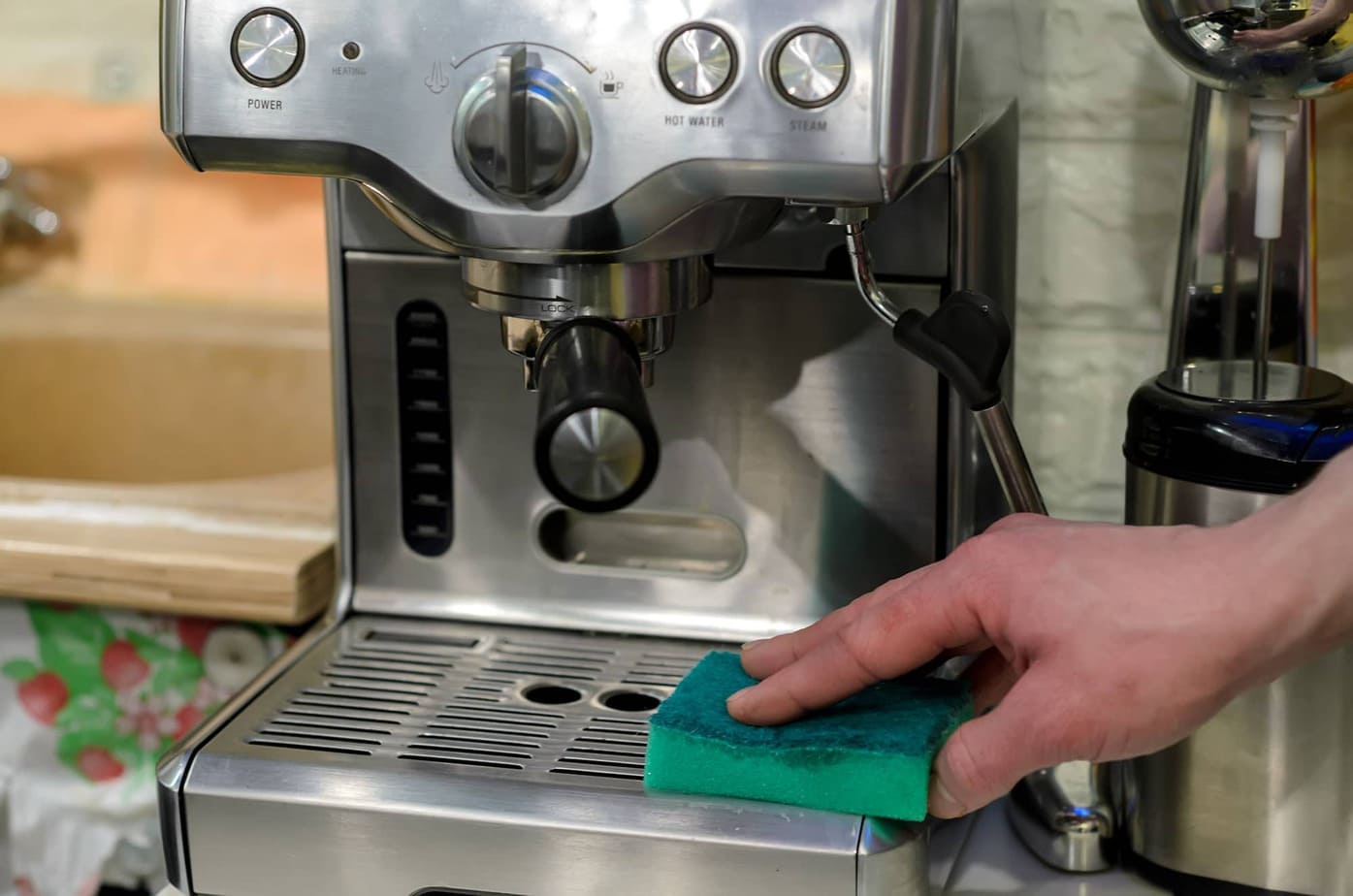
- Clean the steam wand with hot water and wipe after each use.
- Backflush with water if your machine allows.
French Press
- Disassemble and wash all parts with dish soap.
- Use a baking soda paste for stains.
- Rinse and air-dry completely.
Pour-over And Percolators
- Clean filters, baskets, and carafes with dish soap.
- Deep clean with lemon juice or citric acid as needed.
How To Know When Your Coffee Maker Needs Cleaning
Watch for these warning signs:
- Coffee tastes sour, bitter, or odd
- Brewing takes longer than usual
- Visible white or brown build-up
- Strange smells (musty or sour)
- Less coffee comes out than normal
If you notice these, it’s time for a deep clean—even if it’s ahead of schedule.
What About Commercial Descalers?
Most commercial descalers use citric acid or similar ingredients. They’re made for coffee machines and may be the best choice if you want a tested product that won’t void your warranty.
But for most home users, household items like baking soda or lemon juice work just as well for regular cleaning.
Credit: www.roastycoffee.com
Mistakes To Avoid
Cleaning a coffee maker is simple, but some mistakes can cause damage or poor results.
1. Not Rinsing Enough
Always run at least 2–3 full tanks of clean water after cleaning. Leftover cleaner can make coffee taste bad or even be unsafe.
2. Using Harsh Chemicals
Never use bleach, ammonia, or strong acids inside your machine.
3. Ignoring Removable Parts
Carafes, baskets, and lids need cleaning too. Coffee oils build up here.
4. Forgetting The Water Reservoir
Mold grows where water sits. Rinse and air-dry after every cleaning.
5. Not Reading The Manual
Some machines (especially single-serve) need special care. Follow manufacturer advice.
6. Letting Parts Stay Wet
Damp parts invite bacteria and mold. Dry everything before putting it away.
Comparing Vinegar Vs. Non-vinegar Methods
For those who still wonder how alternatives stack up, here’s a side-by-side look:
| Feature | Vinegar | Non-Vinegar (e.g., Lemon, Citric Acid) |
|---|---|---|
| Odor | Strong, lingers | Mild, fresh |
| Cleaning Power | Excellent | Excellent |
| Rinse Cycles Needed | 3–4 | 2–3 |
| Allergies/Sensitivity | Possible | Less likely |
| Cost | Low | Low |
| Residue | Sometimes | Rare |
How To Keep Your Coffee Maker Clean Longer
- Use filtered or distilled water to prevent mineral build-up.
- Don’t let water sit in the reservoir overnight.
- Clean after each use, even if it’s just a rinse.
- Leave the lid open to let parts dry and stop mold.
- Wipe spills right away so bacteria don’t grow.
These small habits make deep cleaning easier and keep your coffee tasting fresh.
When To Replace Your Coffee Maker
Even with perfect cleaning, coffee makers don’t last forever. Most last 3–5 years with regular use. Signs you need a new one:
- Cracks or leaks
- Heater problems (coffee not hot)
- Plastic parts break
- Strange noises or smells that don’t go away
If you clean regularly and still have problems, it may be time for a replacement.
Environmental Impact Of Cleaning Methods
Vinegar, lemon juice, baking soda, and citric acid are all eco-friendly. They break down safely and won’t harm your water supply. Denture tablets are also safe, as they’re made for items that go in your mouth.
Avoid dumping strong chemicals down the drain. Stick with these safe alternatives for both your health and the environment.
Real-world Example
Maria, a busy mother from Texas, noticed her coffee tasted “off. ” She hated the smell of vinegar and wanted something simple. She tried the baking soda method—ran the cycle, let it soak, then rinsed twice with filtered water. The next pot tasted clean and fresh, and she didn’t have to air out her kitchen for hours.
For her, baking soda worked better than vinegar—and she saves money too.
Credit: www.kimbocoffee.com
Where To Learn More
If you want to see more cleaning science, check the NSF International study about germs in coffee makers and other kitchen appliances.
Frequently Asked Questions
How Often Should I Deep Clean My Coffee Maker?
Deep clean your coffee maker once every 1–2 months if you use it daily. If you notice bad taste, slower brewing, or see build-up, clean it sooner.
Is Baking Soda Safe For All Coffee Makers?
Yes, baking soda is safe for most machines, but always check your manual. It’s gentle and non-toxic. Rinse thoroughly to avoid any aftertaste.
Can I Use Dish Soap Inside The Water Reservoir?
No, only use dish soap for removable parts like the carafe and filter basket. Soap inside the reservoir is hard to rinse and can make coffee taste bad.
Do Lemon Juice Or Citric Acid Damage Coffee Makers?
No, when properly diluted, both are safe and effective. They remove minerals without harming metal or plastic. Don’t use too much—follow the measurements in this guide.
What If My Coffee Still Tastes Bad After Cleaning?
Run a few more rinse cycles with clean water. Make sure you cleaned all removable parts. If problems continue, check for old coffee oils or replace worn-out parts.
Final Thoughts
You don’t need vinegar to keep your coffee maker clean and your coffee delicious. Baking soda, lemon juice, citric acid, hydrogen peroxide, and denture tablets all provide safe, effective cleaning—without harsh smells. Combine daily care with regular deep cleaning for the best results.
Your coffee will taste better, your machine will last longer, and you’ll avoid hidden germs. The next time your coffee seems off, try one of these simple methods—your taste buds (and your health) will thank you.